







How AI Could Reshape Work, Creativity and Society


This audio is generated by AI, so pronunciation and expressions may not be fully accurate. The narration is only in English.
Making Space for Creativity While Using AI
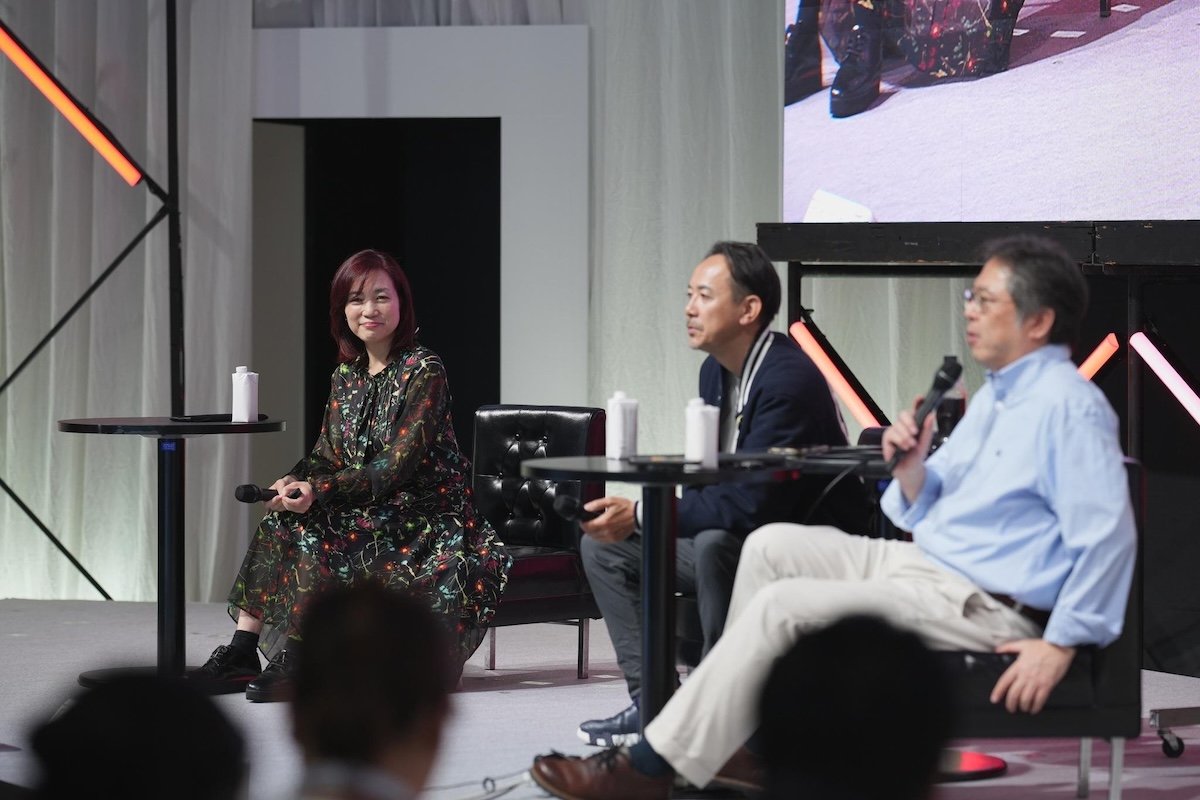
Under the banner of the Tokyo AI Strategy, the Tokyo Metropolitan Government (TMG) is actively leveraging AI as a core driver to maximize the city's potential for every resident. AI was also one of the cutting-edge fields highlighted at SusHi Tech Tokyo 2026, with a focus on how emerging technologies are transforming society.
Mediagene has introduced AI tools across the company, with staff using them in various aspects of their work. As a Japan-based entity with a group company in Taiwan and partnerships with international media brands, Mediagene operates in Japanese, English and Chinese, using AI for multilingual translation and collaborative content creation. The company is also developing internal content marketing initiatives and media platforms, while continuing to build and integrate its own AI-driven services into daily operations.
"This technology is evolving rapidly. Things that seemed impossible just days ago suddenly become possible, so I think we should continue adapting to these advances," Imada says. To this end, Mediagene also takes a flexible approach with in-house policies regarding the use of AI, with the understanding that things are constantly changing.
Imada points out that there can sometimes be a "craftsman mentality" that insists certain things must only be done by humans, but she prefers to spend time and energy on tasks that genuinely cannot be replaced by AI. "I believe it's very important to make greater use of AI so work becomes faster and more efficient, freeing up more time for creativity."
According to Imada, it is vital to intentionally set aside time for creative thinking and generating ideas. She references A Technique for Producing Ideas, a best-selling classic by advertising executive James Webb Young, which characterizes the creative process as absorbing large amounts of information, processing and organizing it internally and then stepping away for a time.
By taking a walk, watching a movie or doing something unrelated, new ideas can emerge from everything one has taken in. "This may not look like 'work,' but if you become too narrowly focused only on work itself, eventually you stop being able to think clearly," she explains. "So, in order to generate creativity, you need to engage in creative activities yourself." This is a process that AI cannot replace.
AI's Potential for a More Equitable Society
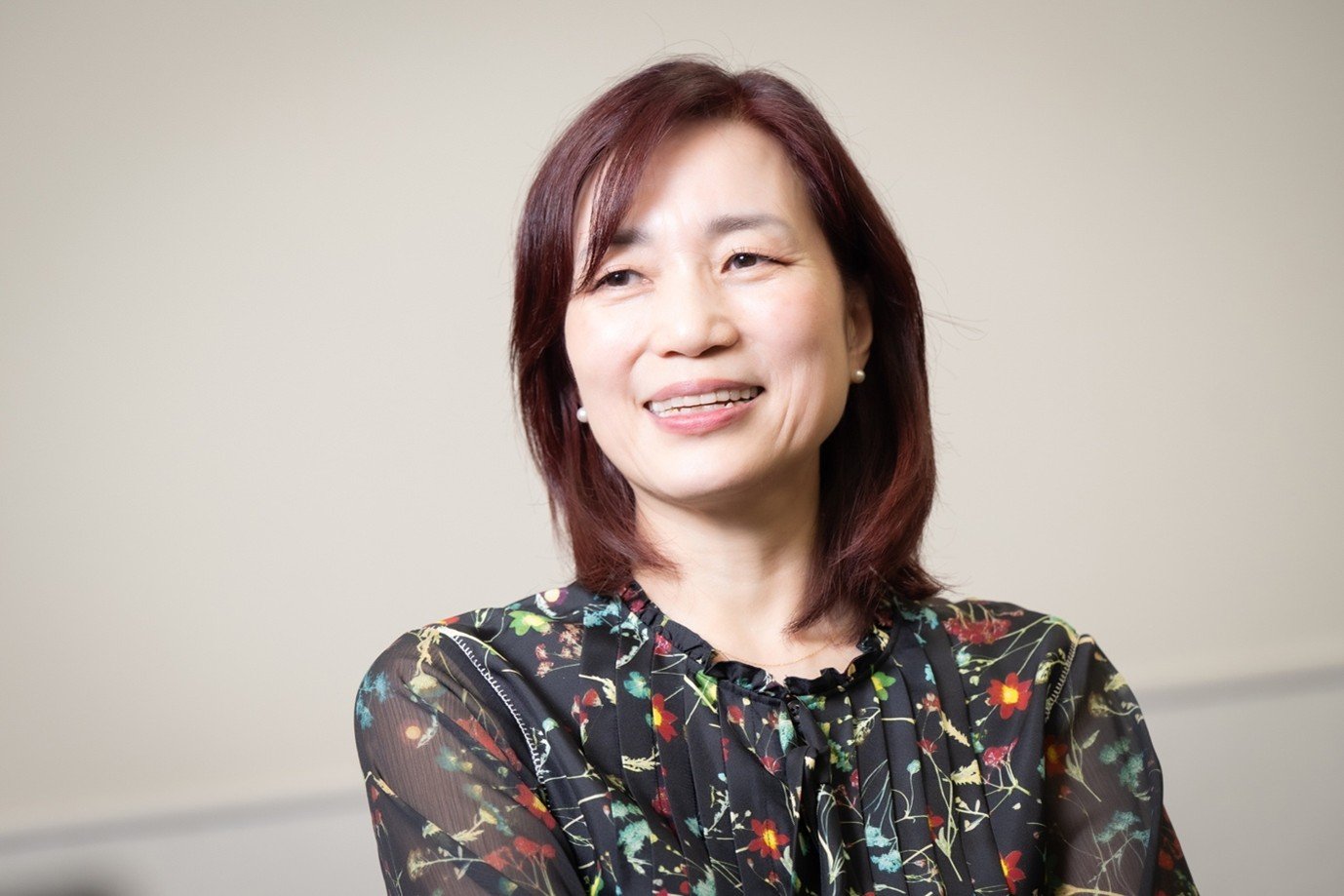
While AI can improve operational efficiency, broader questions about how information and creative work are monetized still need careful consideration. Producing original content requires significant time and effort, yet large amounts of information are often collected, processed and commercially utilized by AI systems without, at this stage, a clear mechanism for financial return to the original creators. Mediagene is giving serious consideration to how creators can receive appropriate compensation in an AI-driven information economy.
Imada says that AI could transform aspects of Japanese education, which has traditionally focused heavily on memorization and getting correct answers. "Absorbing knowledge is still important, of course, but what matters more is being able to ask 'why,' to formulate meaningful questions, and then use that to create something new—whether that's ideas or new perspectives."
On the surface, AI may seem to favor younger generations of digital natives who grew up with information technology, but Imada believes that AI could help level the playing field for older people, too. "If you can't remember something, you can just look it up or retrieve it instantly. So, I think that experience, the ability to think deeply and understanding processes will become more important," she says.
Going forward, AI could allow all members of society to free up time for their personal lives, regardless of gender or age. "We may no longer need to prove our value simply through the amount of time we spend working. AI can take over that aspect of being valued by hours worked, while people are evaluated more on things like critical thinking and creativity," Imada explains. "If it shifts in that direction, I think many inequalities could disappear."
Another important aspect to consider is including the perspectives of underrepresented communities when designing and utilizing AI systems, and Imada says that care should be taken to eliminate bias in AI. At the same time, she suggests that AI may have the potential for fairer evaluation of different perspectives by applying more consistent standards. "Of course, once you start trying to embed ethics into the topic of AI, things become much more complicated, but that's how I see it."
A Global Model for Forward-Thinking Initiatives
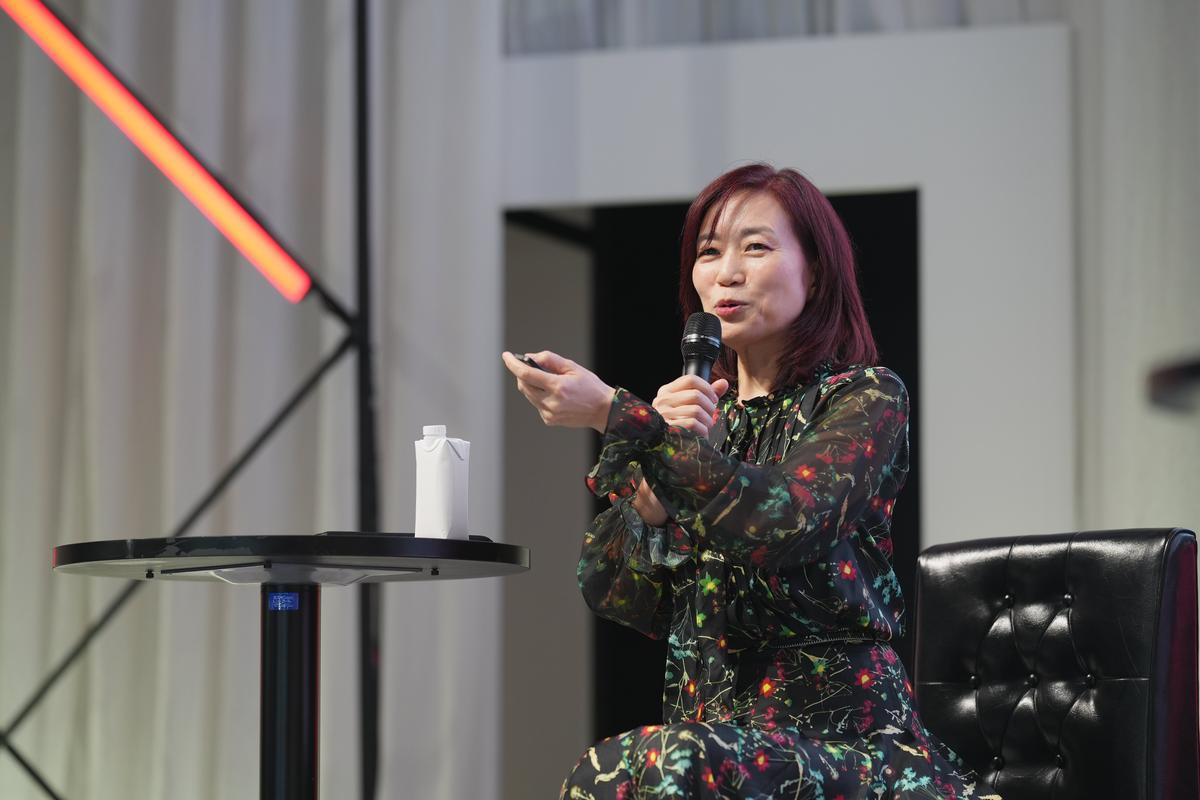
Imada was assigned as an instructor for the 10th cohort of Acceleration Program in Tokyo for Women (APT Women), the TMG program that supports female entrepreneurs by helping them build skills and create connections. "While I'd like to say there should be no gender differences, the reality is that women face various life events—such as childbirth and related responsibilities—that men do not experience in the same way," she notes.
Female professionals have often struggled to access information and opportunities in Japan. The overwhelming majority of attendees at business events were male, while mothers could not easily attend evening drinking parties where networking typically took place. As such, Imada considers APT Women "a truly excellent program" for addressing those imbalances.
As another sign of positive progress, she points out that younger generations of husbands and fathers are increasingly eager to participate as equal partners in household responsibilities and childcare, noting that the childcare leave participation rate for new fathers at Mediagene is 100% as of April 2026.
Imada sees initiatives such as APT Women and SusHi Tech Tokyo as examples of Tokyo's recent efforts to support entrepreneurship, innovation and more inclusive participation in business. More than 50% of the session speakers at SusHi Tech Tokyo 2026 were female, with the goal of further expanding opportunities for women's empowerment in the future.
Moreover, at a time when Tokyo is attracting growing international attention from tourists and businesspeople, Imada says that SusHi Tech Tokyo is a valuable platform for positioning the city as a hub that connects global momentum with technological innovation.
"I think AI has the potential to increase unity and inclusiveness going forward. And I would be very happy if Tokyo were to actively promote that vision and become a global model for those kinds of forward-thinking initiatives," she notes. "I hope Tokyo continues to be a place where new ideas constantly emerge."
Imada Motoko
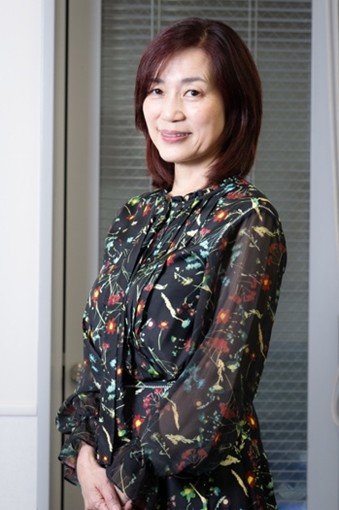
Imada began her career in the publishing industry, where she was involved in editorial publishing and international rights negotiations. In 1994, she launched the Japanese edition of WIRED and served as its Business Manager. She co-founded Mediagene Inc. in 1998. Today, Mediagene operates a diverse portfolio of media and commerce brands, including Business Insider Japan, Gizmodo Japan, ROOMIE and Lifehacker Japan. Following a management integration in 2023, Imada co-founded TNL Mediagene (Nasdaq: TNMG), where she currently also serves as CEO.

SusHi Tech Tokyo, short for Sustainable High City Tech Tokyo, is a global innovation conference where startups, investors, large corporations, cities, and universities from around the world gather in Tokyo to envision and implement the future of cities, with the shared goal of realizing sustainable cities through cutting-edge technologies.
SusHi Tech Tokyo | Sustainable High City Tech Tokyo
Photos by Akiyoshi Yoko