







With a Single Spatula, Pioneering the Front Lines of Metal Processing with Skilled Techniques, from Household Items to Space Rockets
Listen to This Article in Governor Koike's AI Voice
This audio was generated using AI.
Ota City in southern Tokyo has about as many as 3,500 factories and is known as a city of monozukuri (artisanal craftsmanship). There are especially many small- and medium-sized companies that are precision metal processing contractors, and the saying is, "If you toss a blueprint from the sky to Ota City, it will emerge the next day as a superb product." Founded in 1947, Kitajima Shibori Seisakusho is one such factory. They specialize in metal spinning, which uses a tool called a "spatula" to press against a metal sheet for processing, and handle a broad range of products including household items such as light fixtures, precision medical devices, and even parts for rockets and aircraft. Many of those are supported by the skilled techniques of artisans, and their monozukuri with a human touch sets them distinctively apart from machine-made mass production. In recent years, the company has been aiming for zero emissions to eliminate waste and digital transformation (DX) to improve business operations with digital technology. Just what is their monozukuri that cannot be imitated by machines and is one-of-a-kind, with value placed on human sensation and intuition?


This audio is generated by AI, so pronunciation and expressions may not be fully accurate. The narration is only in English.
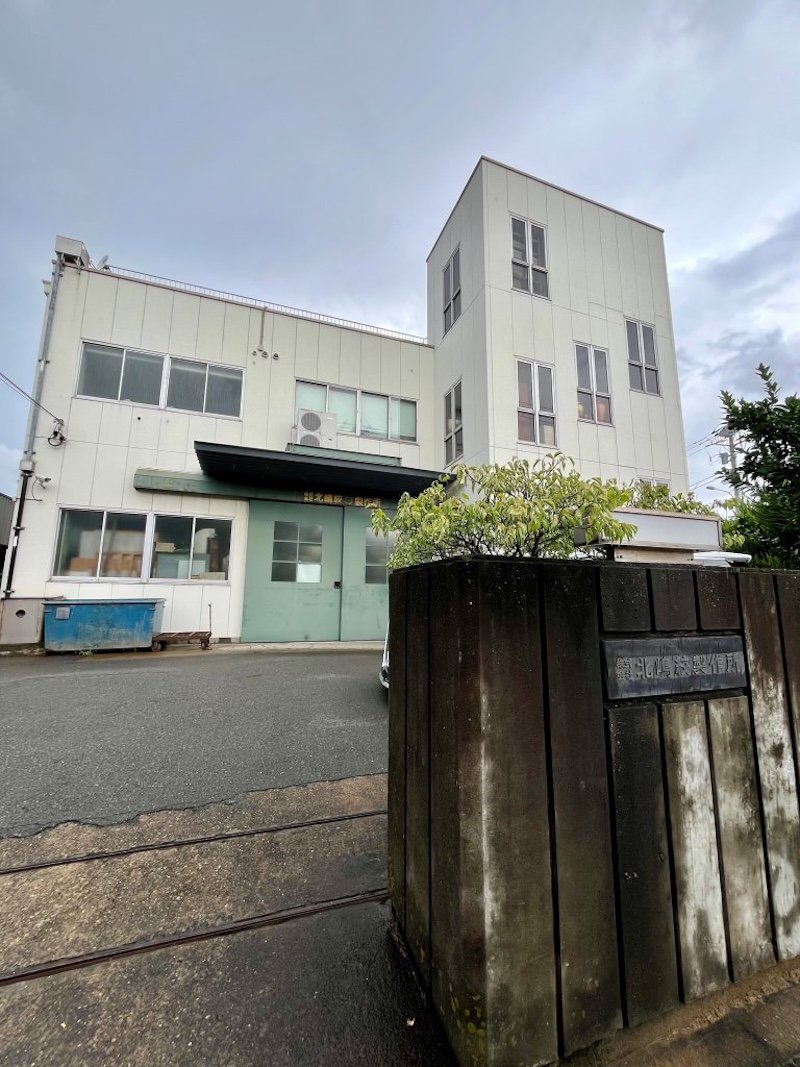
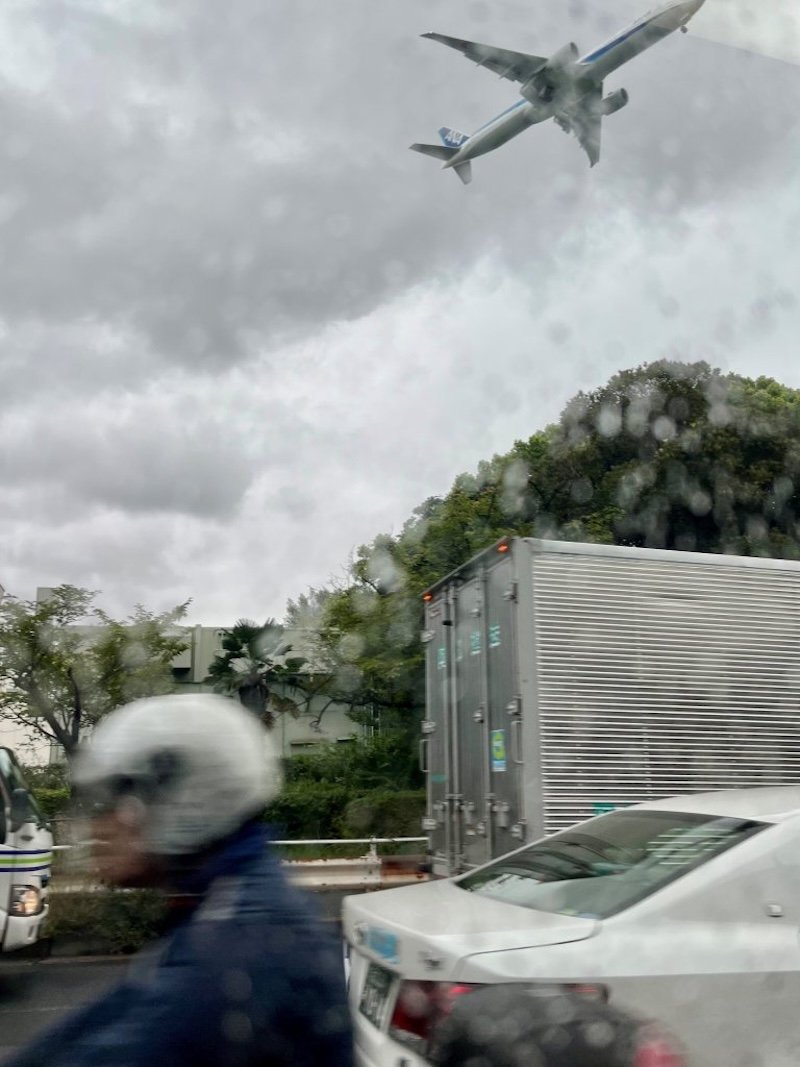
I have neither lived nor worked in Ota City. Yet I have a curious affinity for it. When I was a student, I often went to Cineka Omori, which was one of the first cinema complexes and still operates in Ota City, and I've used Tokyo International Airport (its address is Haneda Airport, Ota City!) countless times for both public and private. When I was young, I even went on dates to Keihinjima Tsubasa Park, where you can see the takeoff and landing of airplanes up close. Keihinjima is a man-made island in Ota City, reclaimed as an industrial site. Kitajima Shibori Seisakusho is located here. That's why I felt nostalgic visiting it again to do research for this article. It is about a 20-minute drive to the company from JR Omori Station. It is also walkable (although a bit far) from Showajima Station on the Tokyo Monorail.
Precision and Strength That Is Only Achievable with Metal Spinning
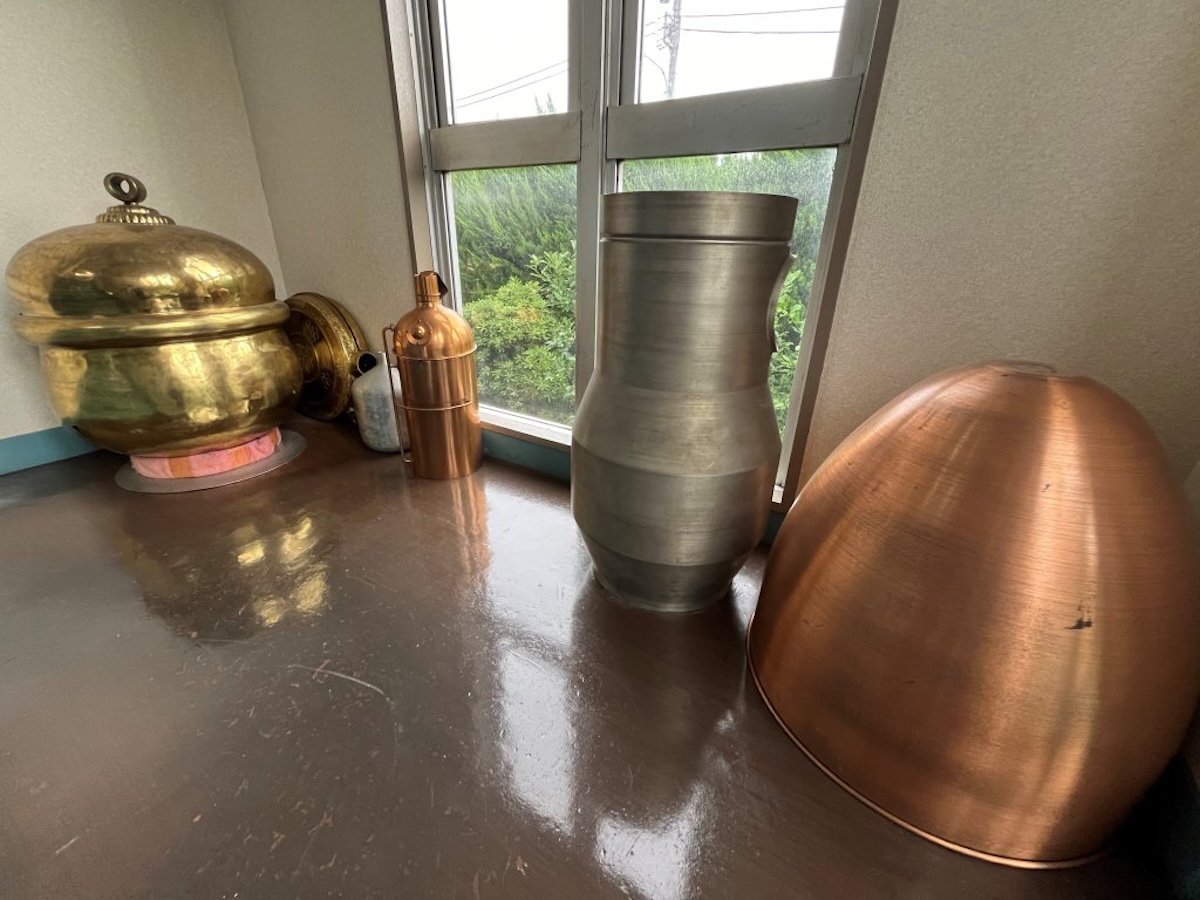
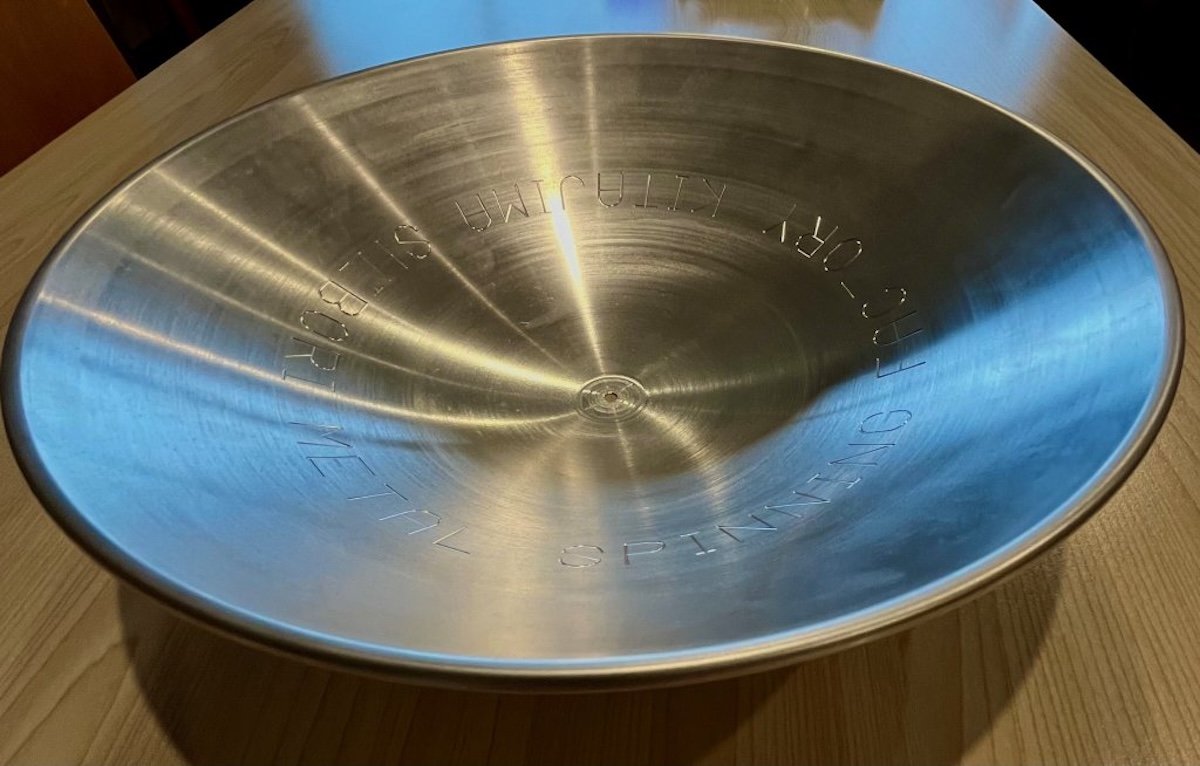
On to the topic of work. The company exterior is typical of a small factory and not particularly interesting. But once you set foot inside, a curious space spreads before the eyes with items such as a huge bell and a conical metal part resembling a rocket tip scattered haphazardly on the floor. Of these, an aluminum bowl (?) with a diameter of about 30 centimeters caught my eye. I asked, "Did you make this too?" to which the answer was yes, and that the selling price would be considerably expensive. The shape was similar to the mixing bowls used in kitchens, but while those are mass-produced by machine press, Kitajima Shibori Seisakusho bowls are one-of-a-kind, each made by hand. It's actually rude to call it a "bowl," as I was told that it was a mock-up to demonstrate the level of precision when making a parabolic antenna for communication. The precision is high indeed, with absolutely minimal distortions on the curved surface so that when radio waves hit the curve and reflect, they will concentrate into a single point. The aluminum is 0.5 millimeters thick, about half of commercial mixing bowls. Further, the company name is carved into the side of the mock-up, and the thickness there is just 0.2 millimeters. It was certainly light when I lifted it. On top of that, it was very durable. My guides, Takahashi Teruo (age 55) and Hanzawa Minori (age 37), told me, "This precision and strength can only be achieved with metal spinning." When we exchanged business cards, I noticed they had no job titles. "No one except the president has a title at our company," they laughed. "If we had to add a title, that would probably be 'artisan'."
The Metal Spinning Craft That Processes Metal at a Precision of 1/100 Millimeters
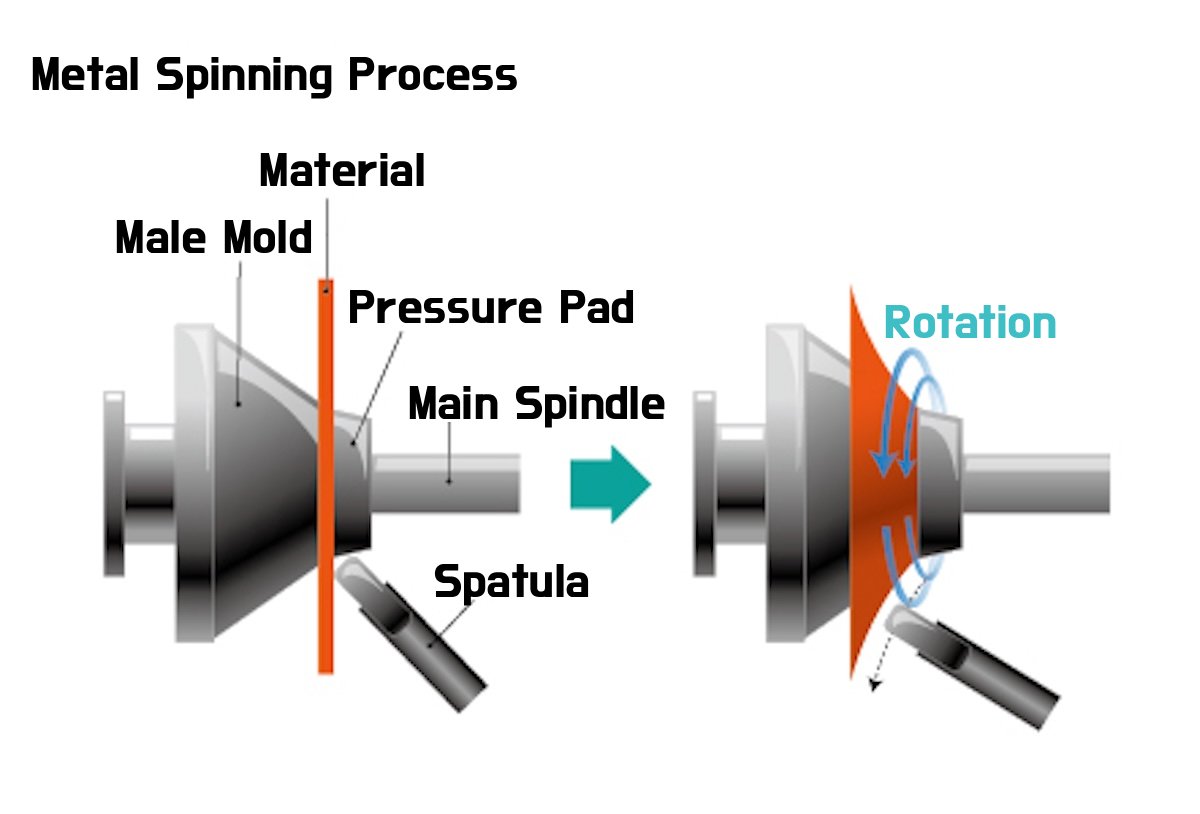
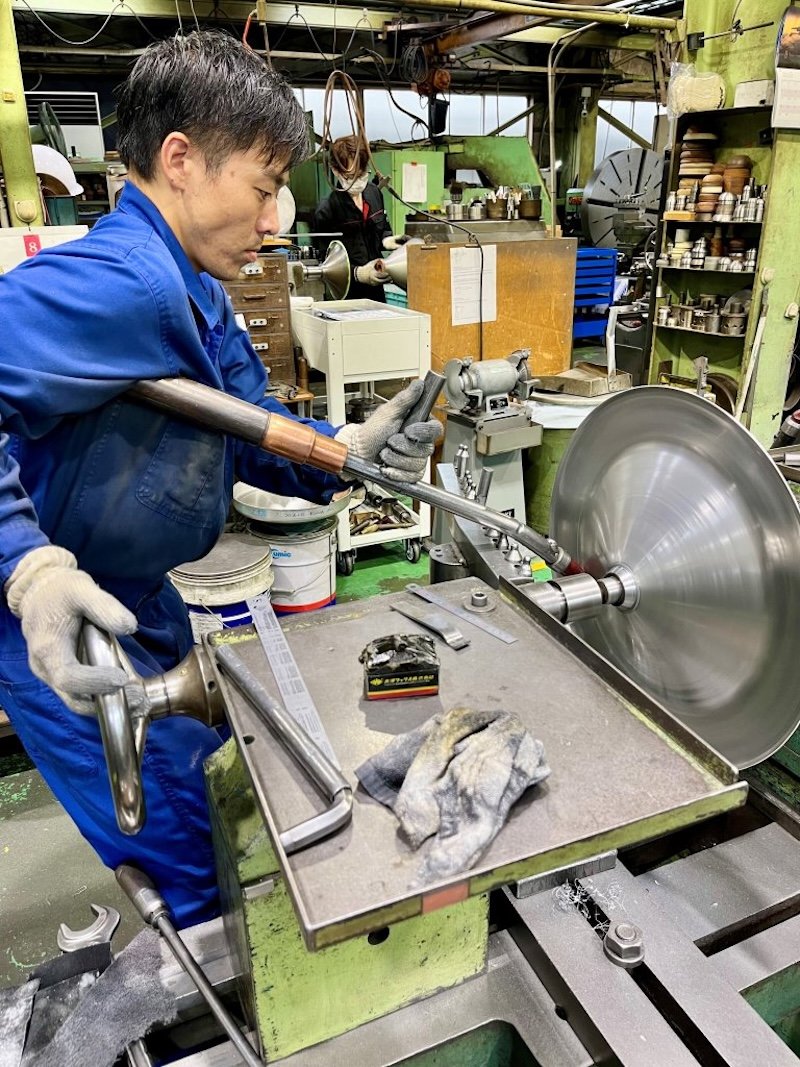
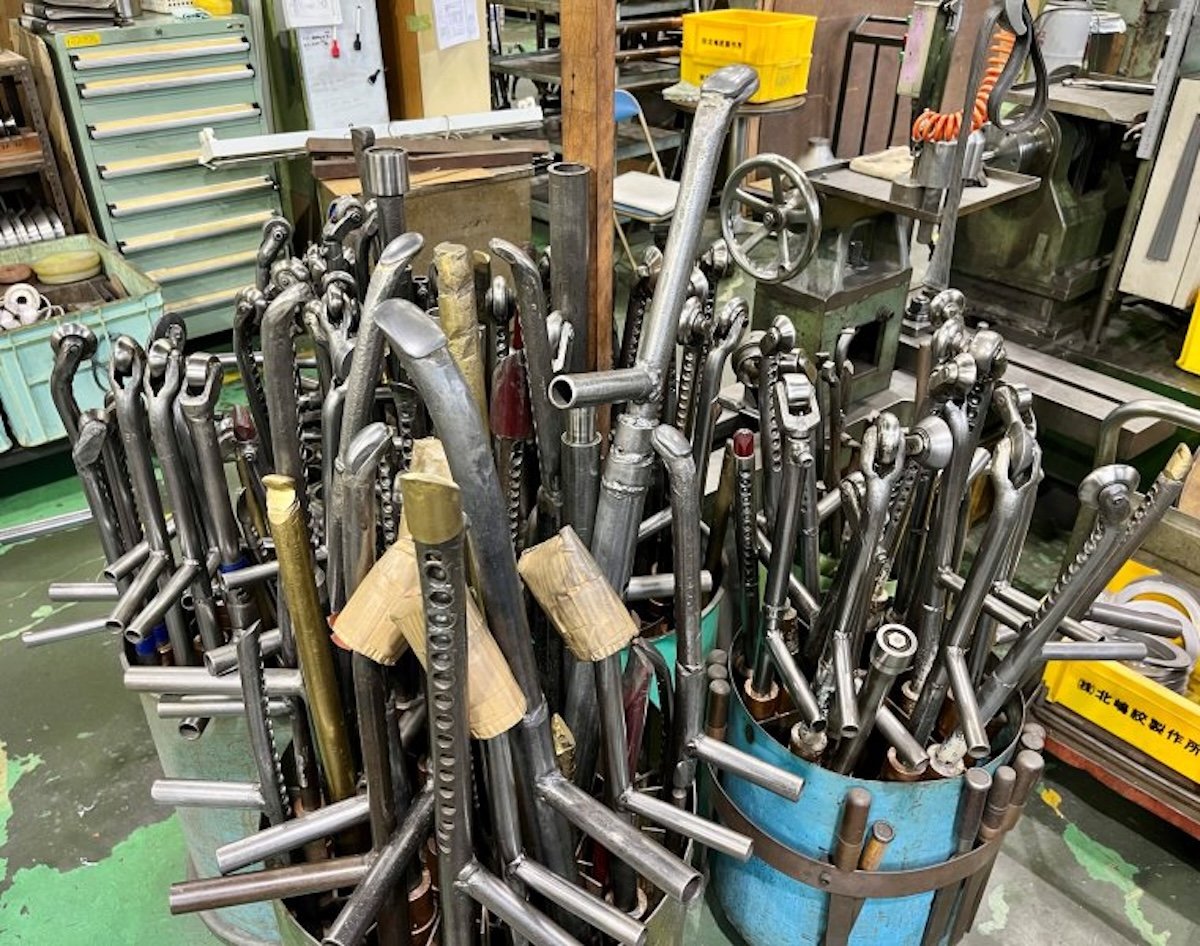
Metal spinning is a processing method in which a rod-like tool called a "spatula" is pressed against a spinning metal plate, gradually transforming the shape to match the blueprint. It is a simple method, and ultimately relies on human intuition. While machine-pressing requires male and female molds, metal spinning can be done with just a male mold, and precise products can be made by applying pressure meticulously. It is said that a seasoned artisan can discern the progress of the molding from the faint sound of the spatula touching the metal and achieve precision of 1/100 millimeters. In fact, I was told that it might take ten years to be considered a qualified craftsperson. The process of transforming a single sheet of metal to a complex shape is like magic. The artisans who render that with a single spatula are amazing!
The Pride of Artisans, Backed by Rising to the Challenge of Formidable Processing
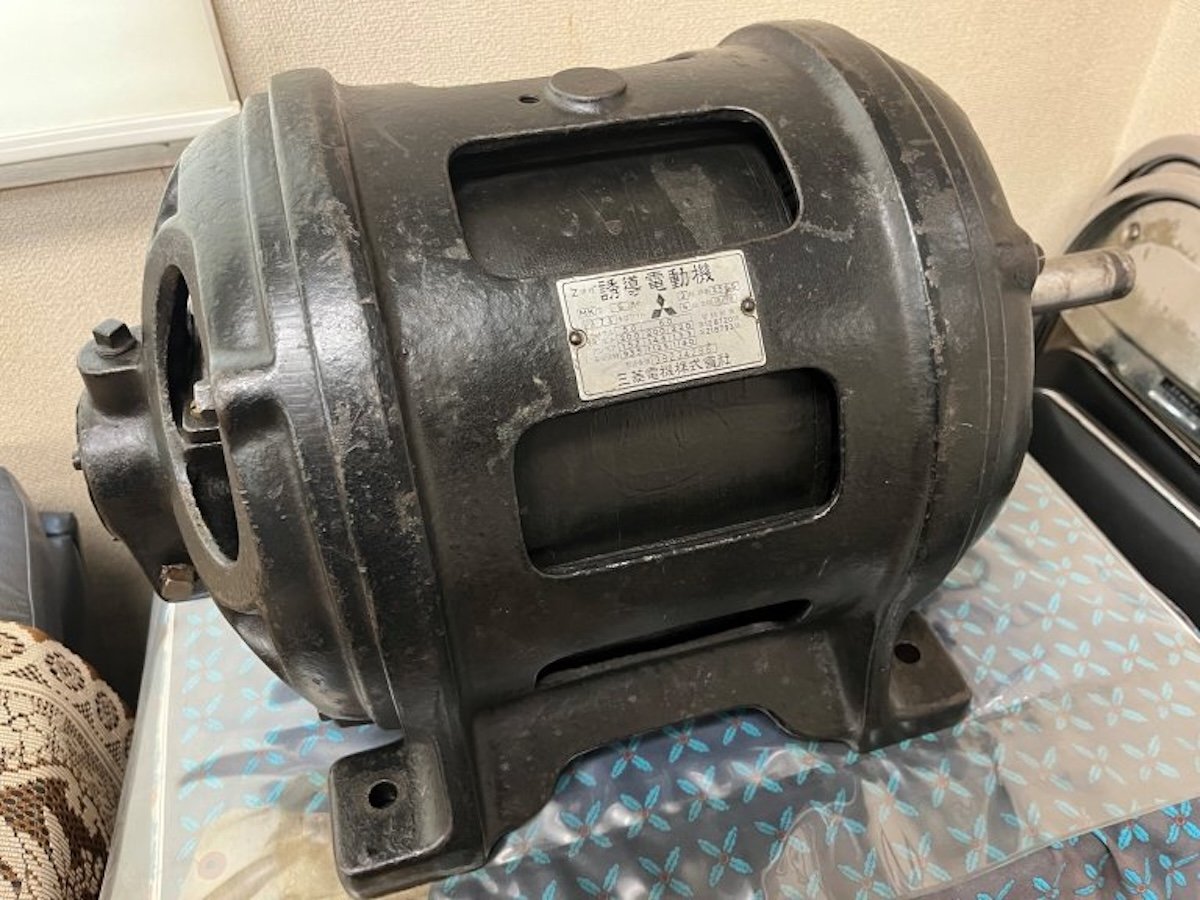
About 70 years ago, founder Kitajima Takaichi obtained a single motor that led Kitajima Shibori Seisakusho to first use metal spinning in making items including pots, kettles, and the ornamental caps that are attached at the tips of posts such as on handrails. As its artisans improved their skills and the overall company gained experience, it pioneered the market with more complicated and more precise processing. Today, it proclaims "Quality first," "Short turnaround," and "Rising to the challenge of formidable processing" as its management principles. "Rising to the challenge" also connects to the pride of artisans. "This work is fascinating because whether things go well or not, we discover something new every day," says Hanzawa, who is in his 17th year with the company. Kitajima Shibori Seisakusho currently makes over 1,000 types of processed goods yearly, ranging from minute parts with a diameter of 3 millimeters that are used for unspecified purposes, to massive parabolic antennas with a diameter of 2.5 meters for communication.
Ambitiously Handling the Processing of Rare Metals That Are a Challenge for Other Companies
"Challenge" extends to the handling of rare metals such as tungsten, titanium, tantalum, and molybdenum that are formidable to process. Some of these materials are more similar to glass than iron, and artisans who are deeply familiar with their characteristics repeat trial and error in manufacturing. This monozukuri is the opposite of product development that proceeds with meticulous marketing. "That's why we don't have a sales team," says Takahashi. It is said that companies that develop new precision products get turned down repeatedly and end up knocking on Kitajima Shibori Seisakusho's door. While more expensive than others, the company justifies this by building its reputation on monozukuri that harnesses outstanding technical capabilities. They do not undercut their skills.
Also Addressing Zero Emissions to Fulfill Social Responsibility
Obviously, there is no absence of issues. High-tech materials such as carbon fiber that replace metals are gaining prevalence, and they must foster and arm personnel with advanced skills. "In recent years, simply making things is not enough; we must fulfill our social responsibilities as a manufacturer," says President Tominaga Satoshi (age 57). Accordingly, they are driving zero-emission management alongside the Tokyo Metropolitan Small and Medium Enterprise Support Center. Considering zero emissions to be a means to cut costs, they launched the initiative in 2022. This year, they are also addressing energy-saving with measures such as implementing high-productivity equipment and changing the factory layout in consideration of air conditioner efficiency. Fiscal 2025 targets are: to improve productivity by 11% with new equipment; to improve carbon productivity by 5%; and to increase metal spinning business sales by 8%. They also set a long-term target for fiscal 2030 of improving carbon productivity by 20%.
Harnessing DX for Human Resource Training in the Aim for Further Advancement
The company intends to incorporate DX as part of this, applying the power of digital in some extent to passing on skills, which had been done through on-the-job training in principle. They are now in the process of adopting CAD, which is computer-aided design. The business was mainly small-quantity, large-variety monozukuri to this point, and they will now prepare a structure for mass production while maintaining high precision by implementing the newest machine tools and DX. While addressing social change, the metal spinning of Kitajima Shibori Seisakusho, which touts unrivaled advanced skills, continues to evolve.
METI Journal ONLINE