






From Rice Paddies to Honeybees: Nature at Work in Tokyo's Takeshiba
Listen to This Article in Governor Koike's AI Voice
This audio was generated using AI.


This audio is generated by AI, so pronunciation and expressions may not be fully accurate. The narration is only in English.
Between the Bay and the Skyline
Takeshiba sits between central Tokyo and Tokyo Bay, within easy reach of Hama-rikyu Gardens and Kyu-Shiba-rikyu Gardens. Hamamatsucho Station provides direct access to Haneda Airport (Tokyo International Airport) by monorail, while the Yurikamome Line and waterfront passenger boats connect the area with the Odaiba area and Tokyo's islands. This combination of water, greenery, and transport links gives Takeshiba a character quite different from many central Tokyo business districts.
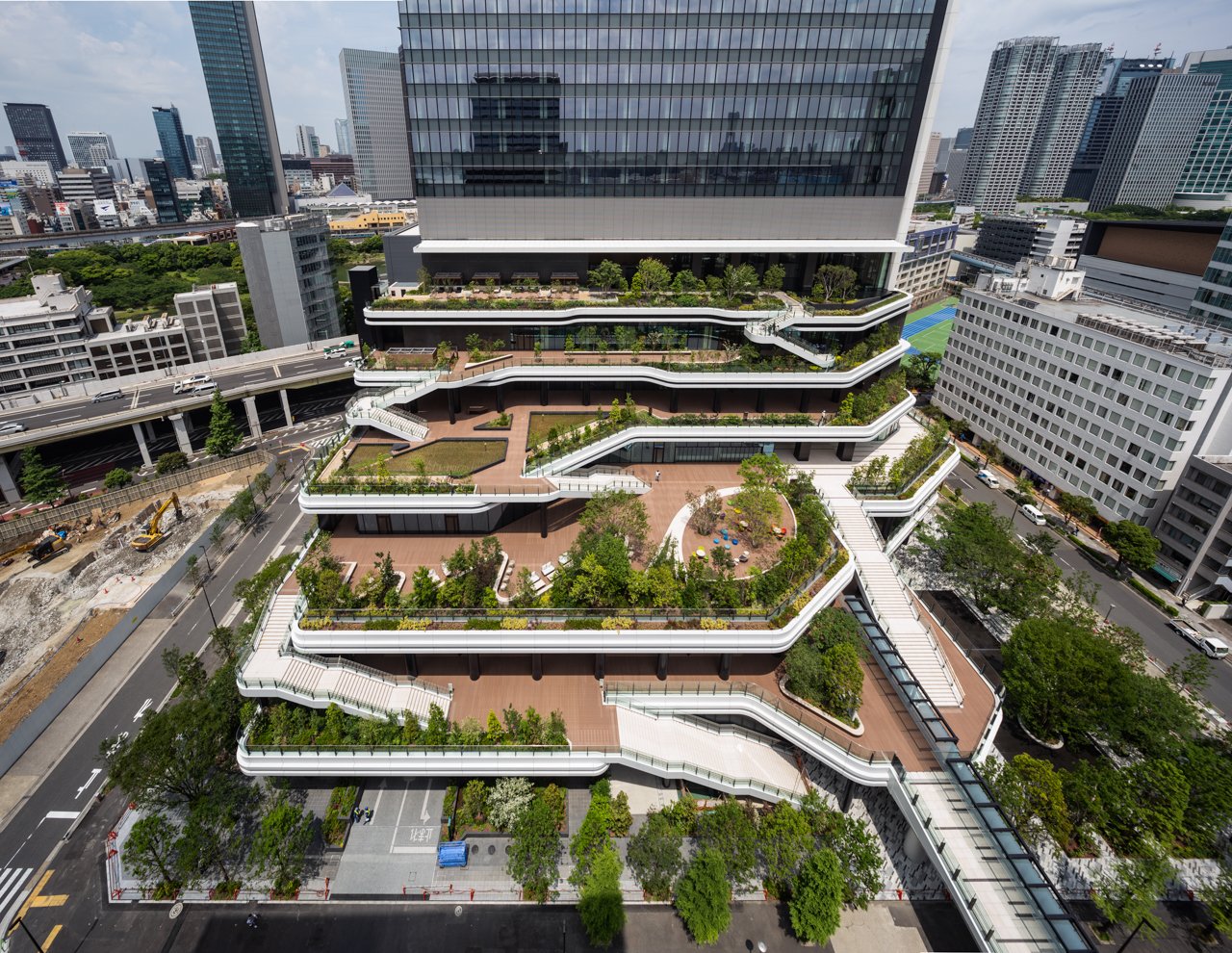
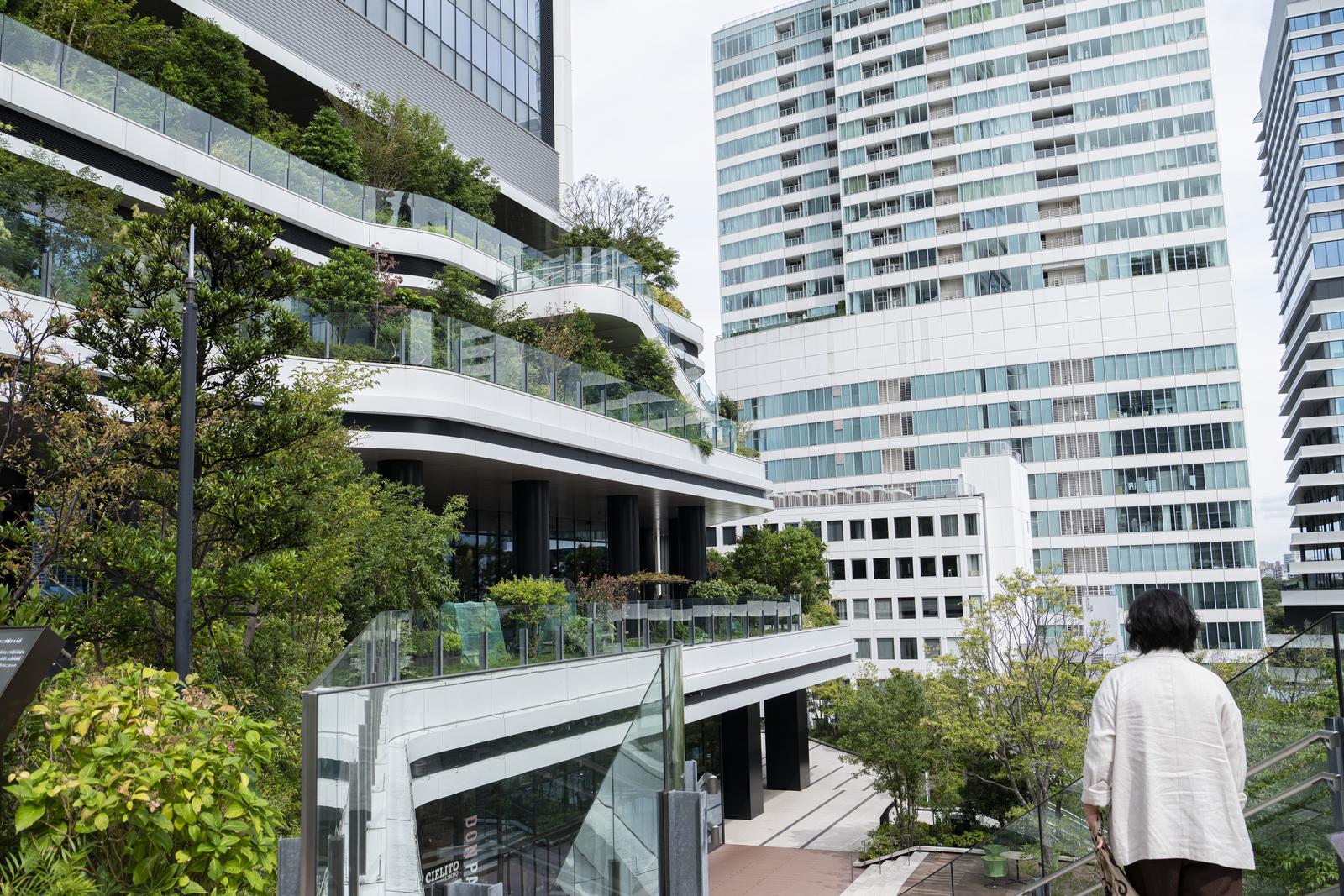
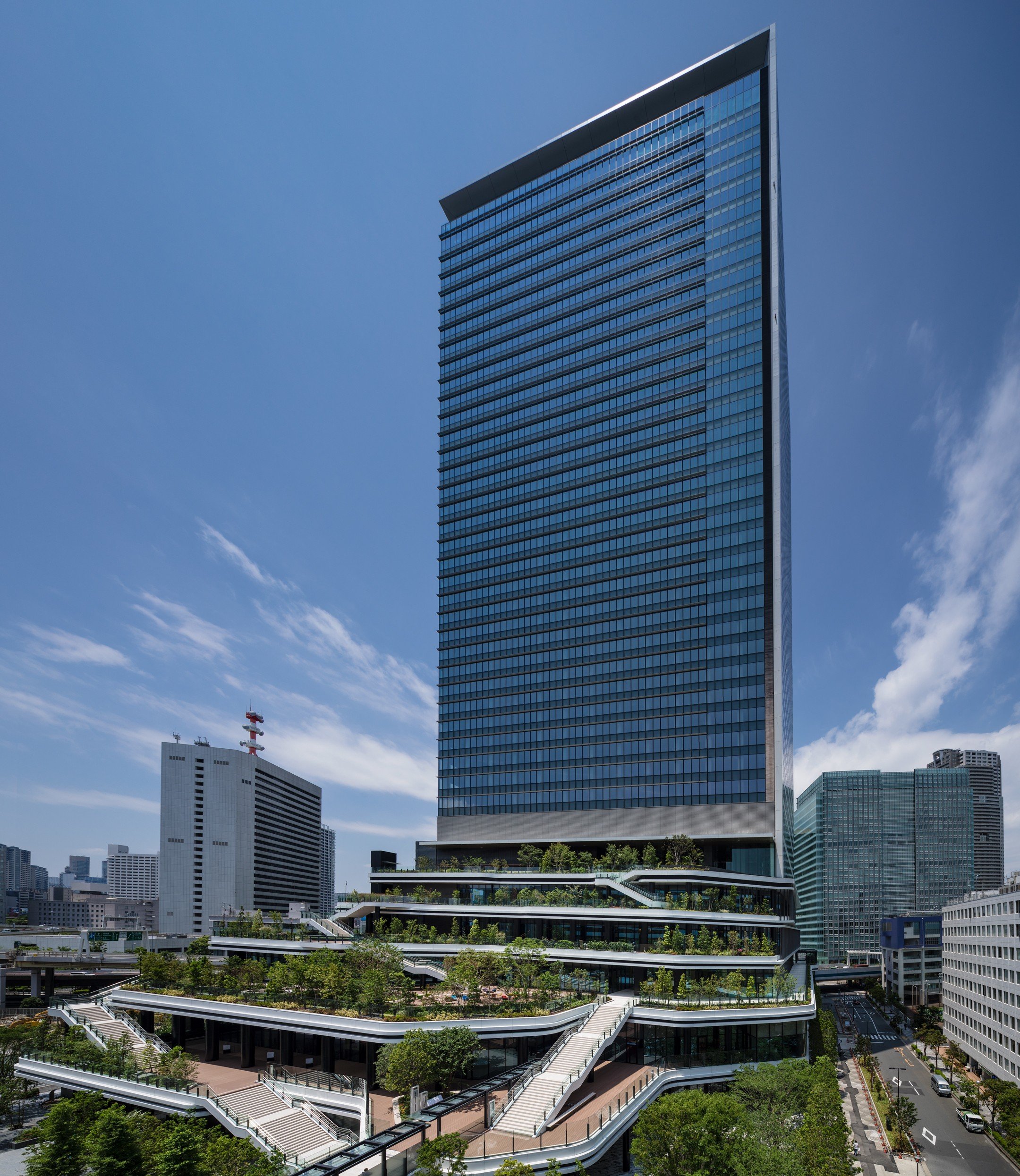
Opened in 2020, Tokyo Portcity Takeshiba makes use of that setting through a series of cascading "skip terraces" extending from the second to sixth floors of its Office Tower. The terraces cover approximately 6,600 square meters, with around 1,700 square meters devoted to greenery. Central to the concept is Takeshiba Shin Hakkei, or the "Eight New Views of Takeshiba," comprising eight environments themed around rain, water, islands, rice paddies, aromas, vegetable gardens, bees, and the sky.
The project reflects TOKYU LAND CORPORATION's Green Work Style, an office concept intended to support both worker well-being and business growth. "Green Work Style is not only about providing a place to work," explains Yanase Rieko, who is responsible for office property management at Tokyo Portcity Takeshiba and oversees Takeshiba Shin Hakkei. "It is a system designed to support the well-being of workers and the growth of companies."
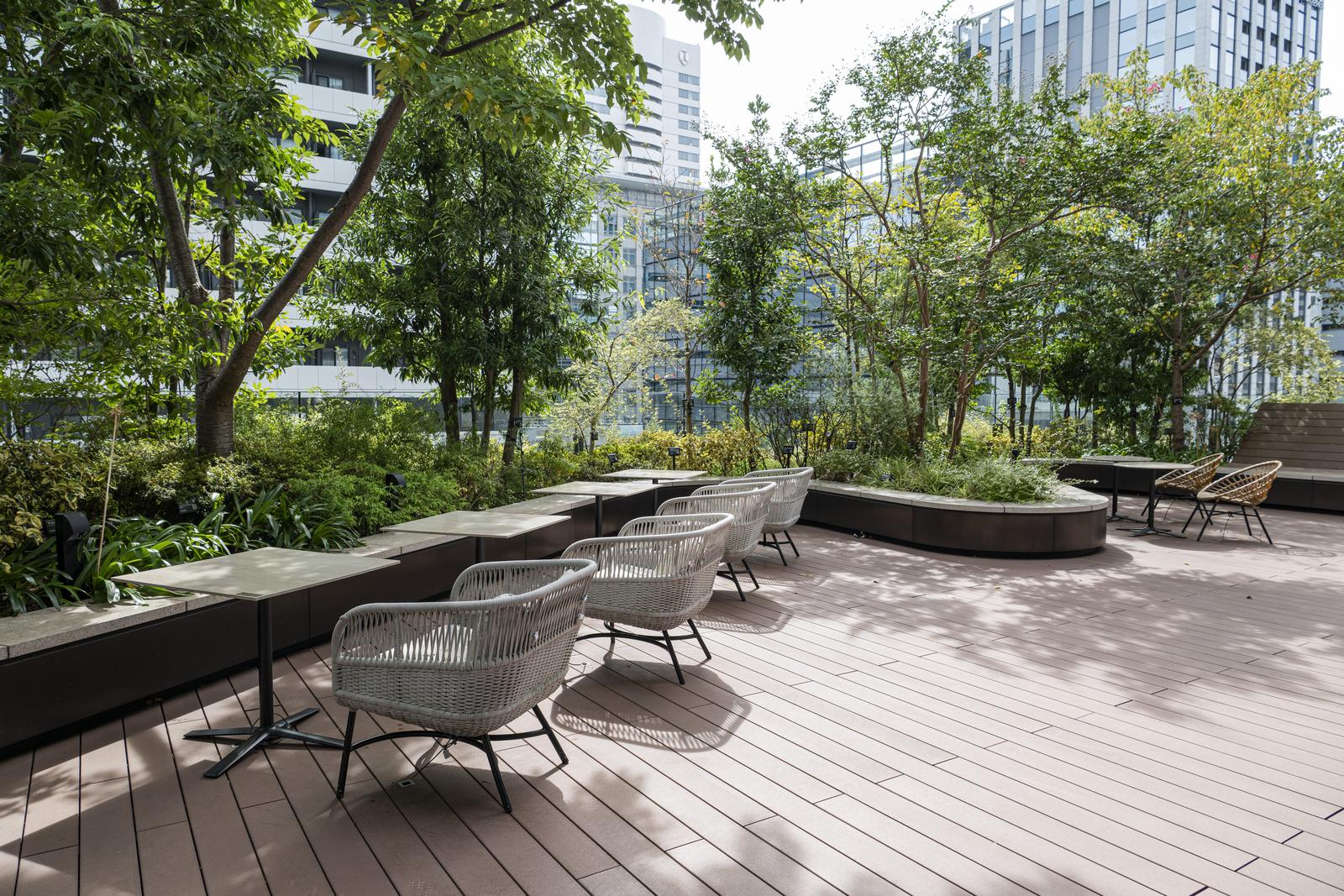
The terraces are also shaped by the people who manage them day to day. During an on-site tour, Mizuno Saeko of KATABAMI CORPORATION who has been involved with Takeshiba Shin Hakkei since its preparation stage, explained how the spaces function in practice. "The terraces are basically open to anyone, so people can use them almost like a park," she says. Tables and seating are dotted among the planting, and some areas are also equipped with electrical outlets, allowing office workers to settle in with a laptop and use the terraces as an extension of the workplace.
Where the Office Gets Its Hands Dirty
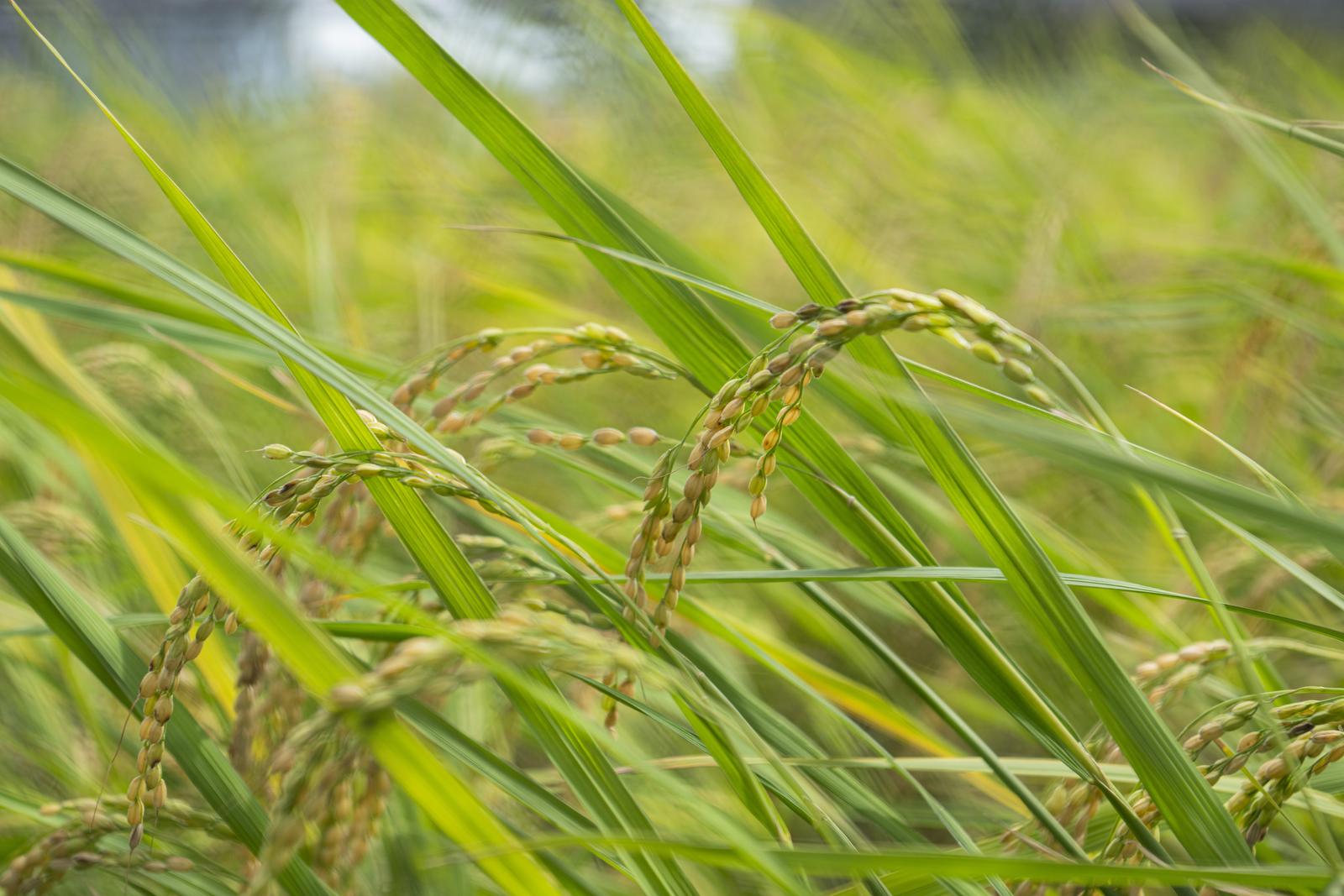
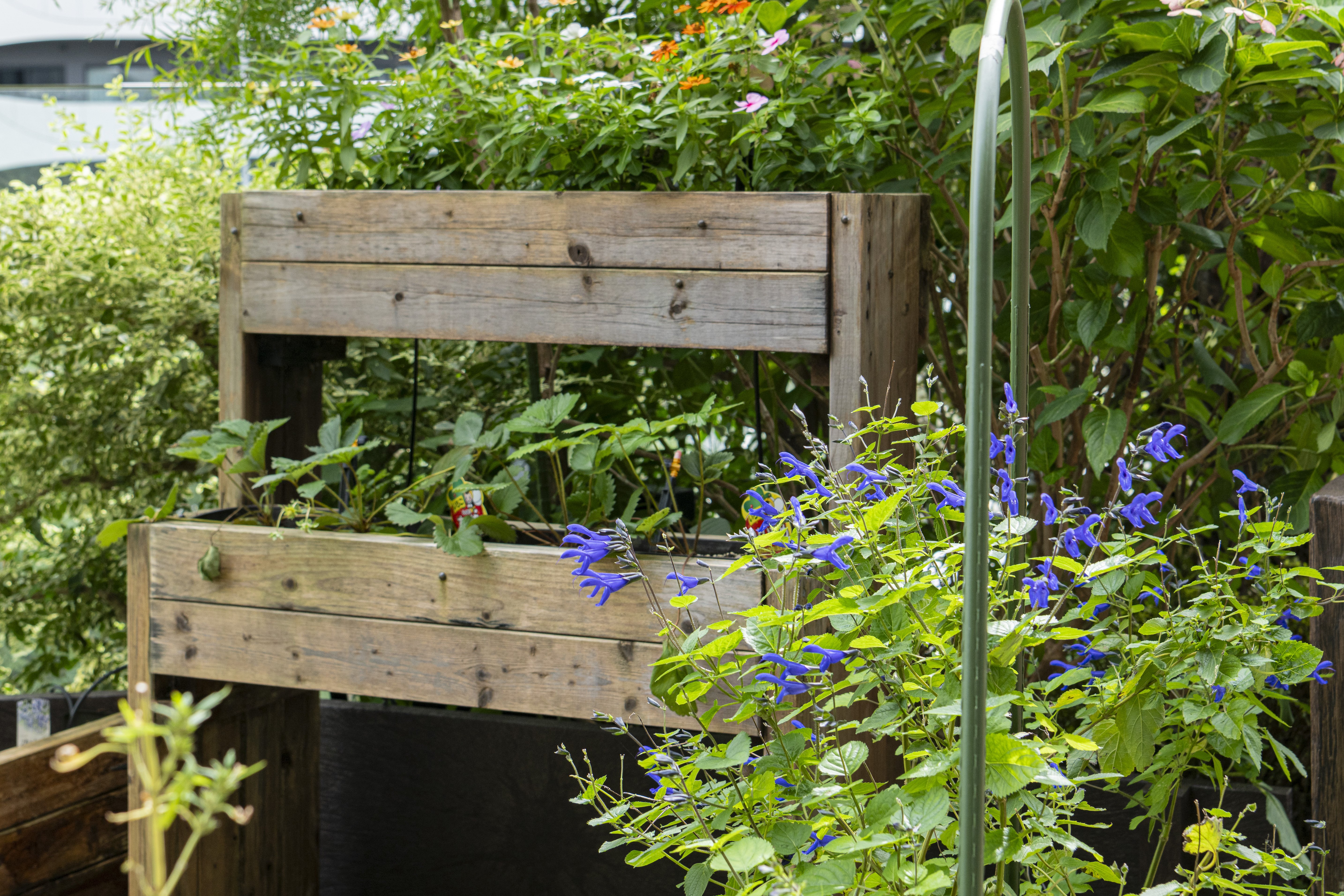
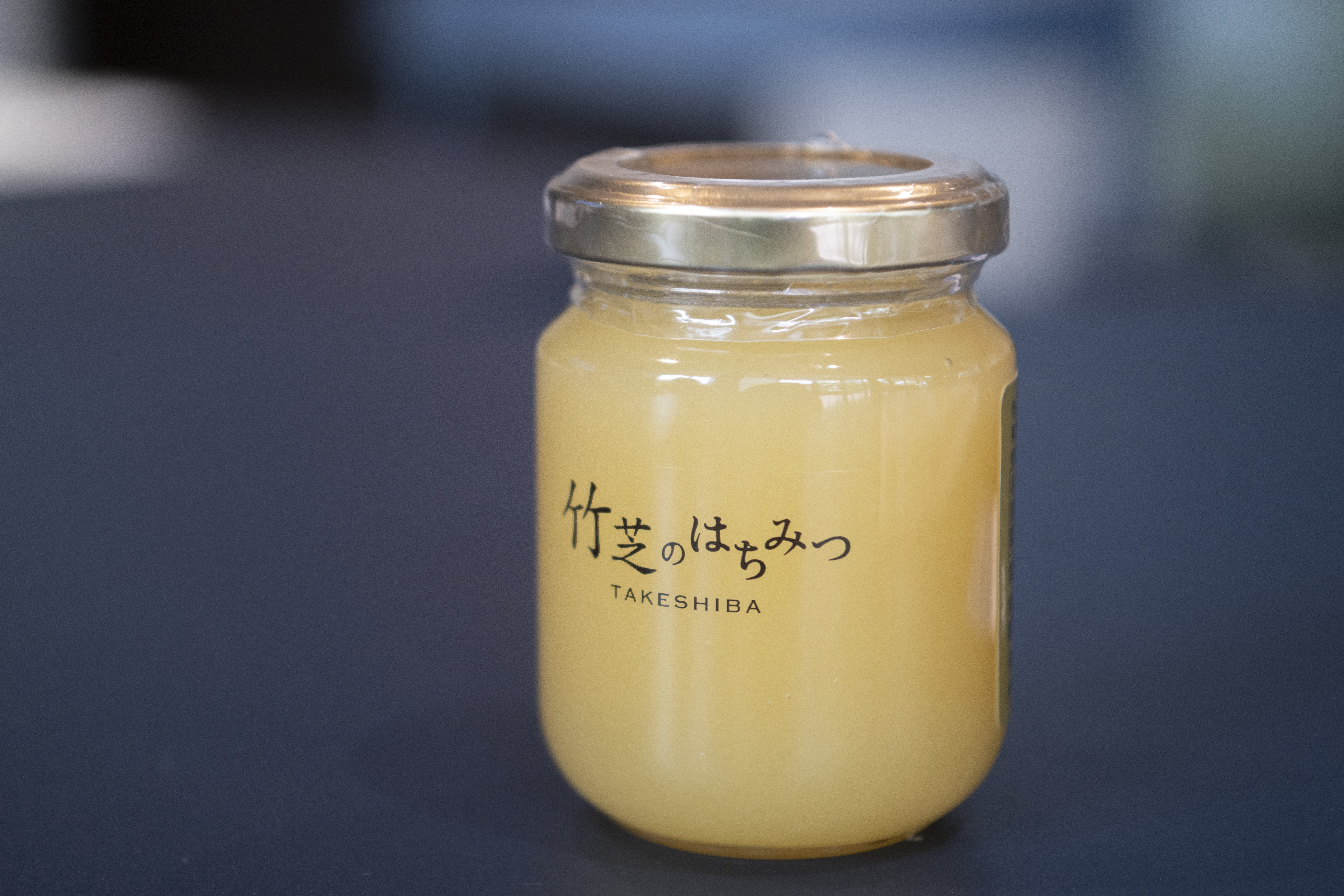
The project goes beyond conventional office landscaping. A roughly 150-square-meter rice paddy is used to grow glutinous mochi rice, while nearby garden patches produce vegetables and herbs including tomatoes, eggplants, shiso (perilla), mint, and basil. Four colonies of honeybees are also kept here from spring into summer, growing to tens of thousands of bees at their seasonal peak and producing approximately 100 to 150 kilograms of honey.
Together, these elements create what the project describes as a satoyama-like landscape: a setting inspired by the traditional Japanese relationship between human activity and managed natural environments. But the aim is not simply to recreate that scenery. "Through experiences such as rice planting, harvesting, and honey collection, people can actually come into contact with nature and experience ecosystem services with all five senses," Yanase explains.
Rice planting and harvesting events each attract around 60 to 70 participants, including office workers and their families as well as children from nearby nursery schools. Applications sometimes exceed capacity and are decided by lottery. For many children, stepping into a muddy rice paddy or trying their hand at harvesting rice is a rare experience in central Tokyo.
Mizuno notes that these hands-on experiences are often memorable in themselves, especially for children encountering farming activities for the first time. Yanase sees that direct contact with nature as part of a longer learning process. "Children may not yet be able to understand biodiversity conservation or the importance of caring for nature as knowledge," she notes. "But enjoying agricultural experiences here using all five senses can become a foundation for understanding nature and environmental conservation as they grow."
Connecting Fragmented Green Spaces
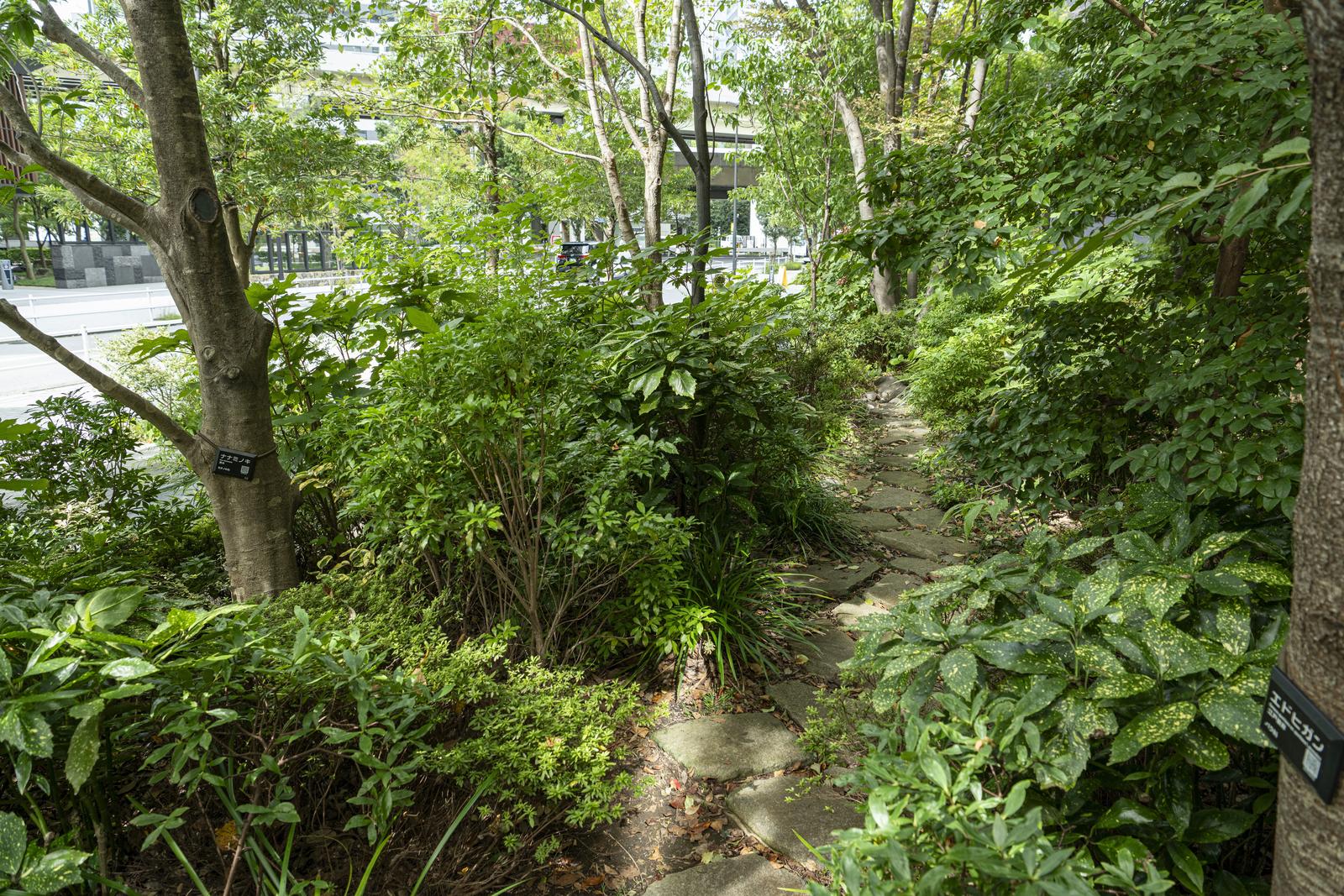
Urban biodiversity is another important part of the design. Before landscaping the site, surveys of wildlife in surrounding green spaces were studied, and the planting plan incorporated mainly native species and plants that provide food or habitat for local insects and birds. The aim is to strengthen a green corridor connecting Takeshiba with nearby areas such as Hama-rikyu and Kyu-Shiba-rikyu Gardens, while the terraces add a vertical dimension to that network.
"A single green space can only do so much," Mizuno explains. "By connecting green spaces into a network, biodiversity can become richer." Seen from the side, the terraces step upward through the building almost like an artificial slope, providing a different environment from a single flat garden.
Signs of that ecosystem can already be found throughout the terraces. Butterflies, dragonflies, and birds including Japanese white-eyes and great tits have been recorded around the site, while the shed skins of dragonfly nymphs have also been found by the rice paddies, showing that they function as small aquatic habitats as well as agricultural spaces. The bees contribute by pollinating vegetables, herbs, and flowering plants, helping support a wider chain of insects and birds.
Water management forms another layer of the landscape. A rain garden temporarily retains and filters rainfall before allowing it to soak gradually into the ground. This helps reduce runoff while also creating habitat. "This building alone cannot solve the problem, of course," Mizuno says, "but if more buildings introduced systems like this, I think it could make a considerable difference."
The approach extends higher up the building as well, where nest boxes for peregrine falcons have been installed on the building as potential habitat for birds of prey seen in the wider area.
Making Room for Nature in a Dense City
Office greening and urban agriculture can be found in cities around the world. What Tokyo Portcity Takeshiba demonstrates is one way a dense, mixed-use development can combine biodiversity, food production, public space, and working life within limited space. The terraces remain places for people to meet, work, eat, and pass through, while vegetable plots, environmental features, restaurants, and event areas coexist within the same compact setting.
For Yanase, the long-term goal is to make Tokyo Portcity Takeshiba more than simply a place people commute to. "We want to create a city where people can move around and spend time comfortably," she notes. "We hope people will use this building not only as a workplace, but also as somewhere they can feel nature and refresh themselves, and then continue on to the gardens and other places nearby."
The landscape itself continues to change through the year, with rice planted and harvested, honeybees arriving with the spring flowers, rain passing through the gardens, and birds and insects moving between the terraces and surrounding green spaces. Within Tokyo's highly developed urban environment, Tokyo Portcity Takeshiba offers one example of how office functions and nature can be brought together to create a richer urban experience.



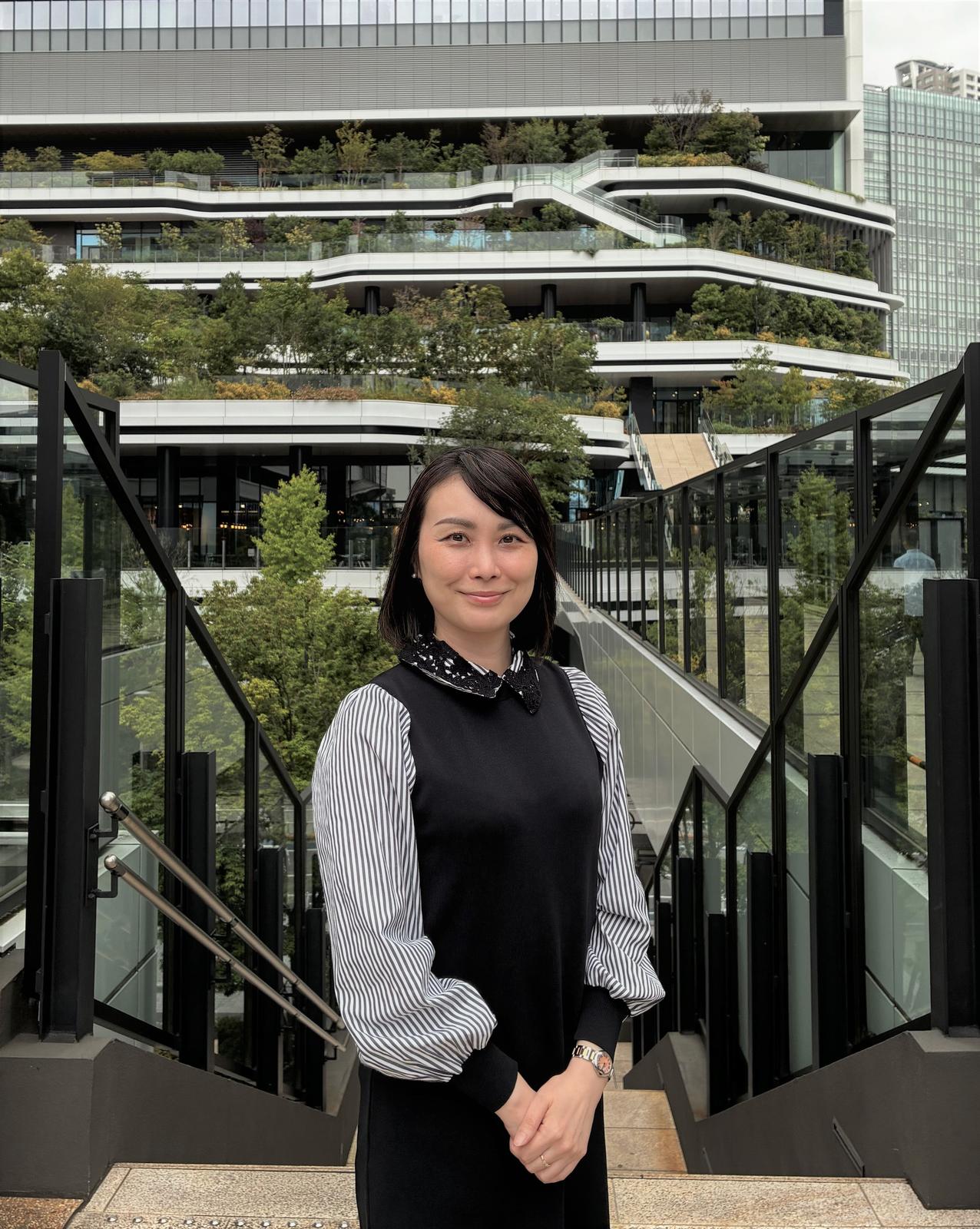
Yanase Rieko
Mizuno Saeko
Mizuno Saeko is a producer in the Landscaping Work Division at KATABAMI CORPORATION. After working in construction consulting, advertising, and environmental education facility management, she joined the company in her current role in 2019 and was involved in the preparations for Takeshiba Shin Hakkei. Since 2020, she has served as a member of the project secretariat, helping plan and operate its environmental facilities.Tokyo Portcity Takeshiba "Takeshiba Shin Hakkei"
https://tokyo-portcity-takeshiba.jp/skip-terrace/
Operating on the concept that envisions green urban development for the next 100 years, the Tokyo Metropolitan Government is pushing initiatives to protect, cultivate, and utilize Tokyo's greenery. By working with companies and a variety of other entities, its efforts aim to transform Tokyo into a sustainable city that exists in harmony with nature.
TOKYO GREEN BIZ - Green Urban Development -TMG