







Tokyo, on Your Own Time


This audio is generated by AI, so pronunciation and expressions may not be fully accurate. The narration is only in English.
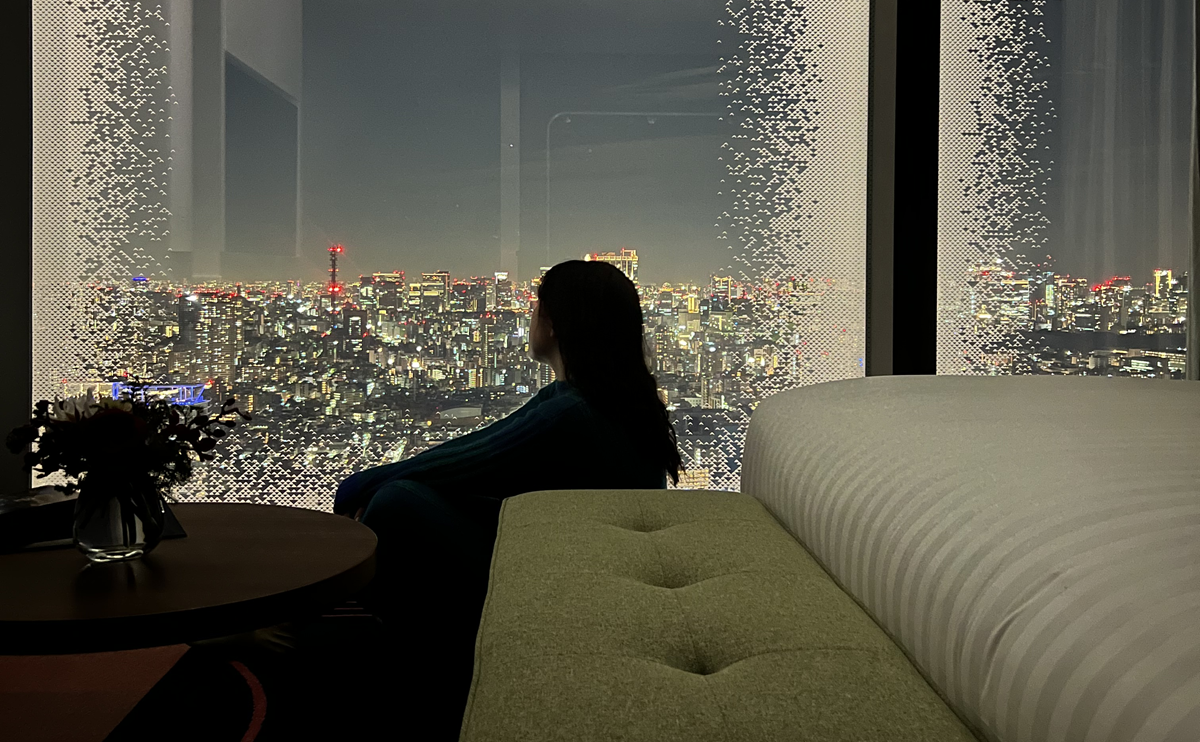
A City Where Being by Yourself Feels Natural
For many international visitors, Tokyo's density can feel overwhelming at first glance. Yet within that scale lies an unexpected advantage: anonymity. In a city of over 14 million residents, dining alone, walking alone, or checking into a hotel alone rarely attracts attention. "In a city this big, no one questions why you're alone," Maro says. "That makes it very easy to choose time for yourself."
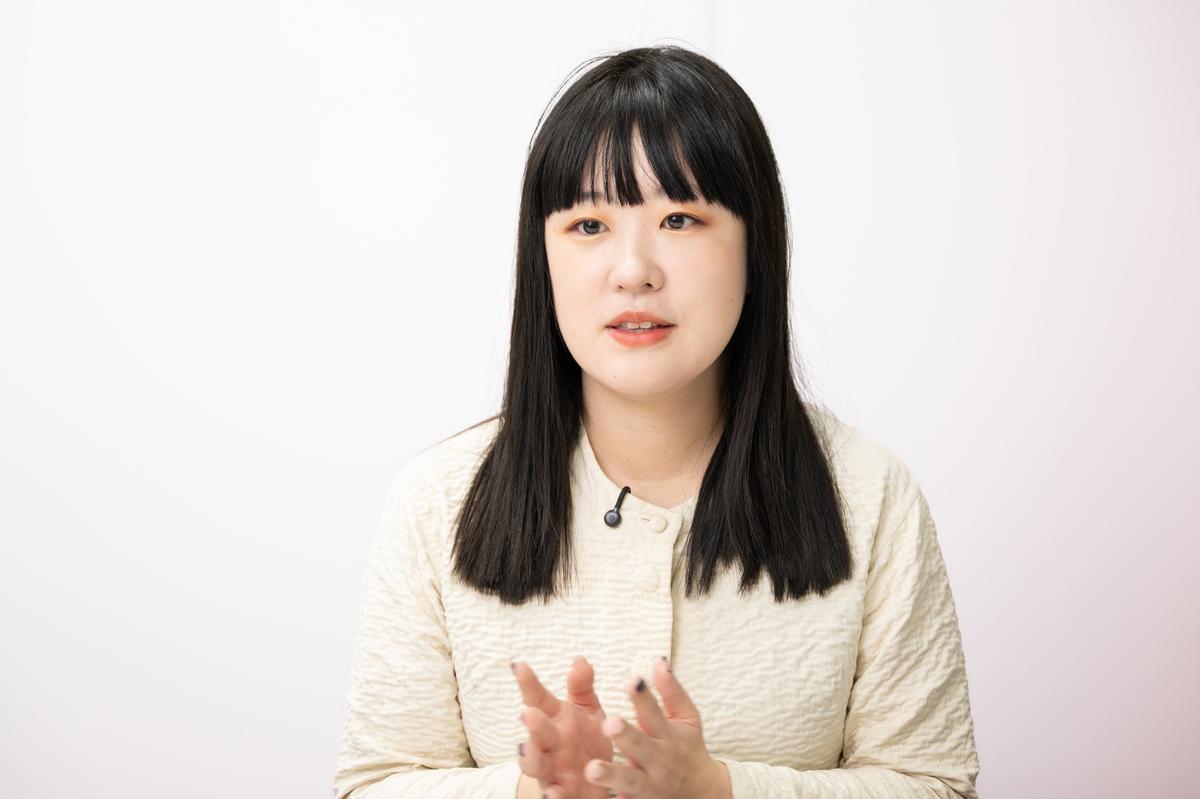
As the founder and editor of the media platform Ohitorisama.—a Japanese term that literally means "one person" but can carry the nuance of choosing to spend time alone—she has spent years examining how people experience independence through hotels and urban spaces. Rather than treating accommodation as a stop between sightseeing destinations, she sees it as part of the experience itself. "When you stay with someone, the focus is often on the person," she explains. "When you stay alone, the hotel becomes your counterpart."
Her perspective developed gradually. As a student, she recalls stepping away briefly during a school trip and realizing how meaningful even a short moment alone could feel. Later, as a working adult, she sought similar resets in cafés. "A good café isn't just about coffee," she says. "It's about how the space is arranged so you can relax and feel comfortable."
Eventually, she began to see hotels as an extension of that idea. "In a café, even if you stay a long time, it's one or two hours. But a hotel gives you 15 or 20 hours. You can shape that time however you want."
In Tokyo—where design, service, and neighborhood identity vary dramatically—those hours can take many forms.
Two Tokyos in Two Stays
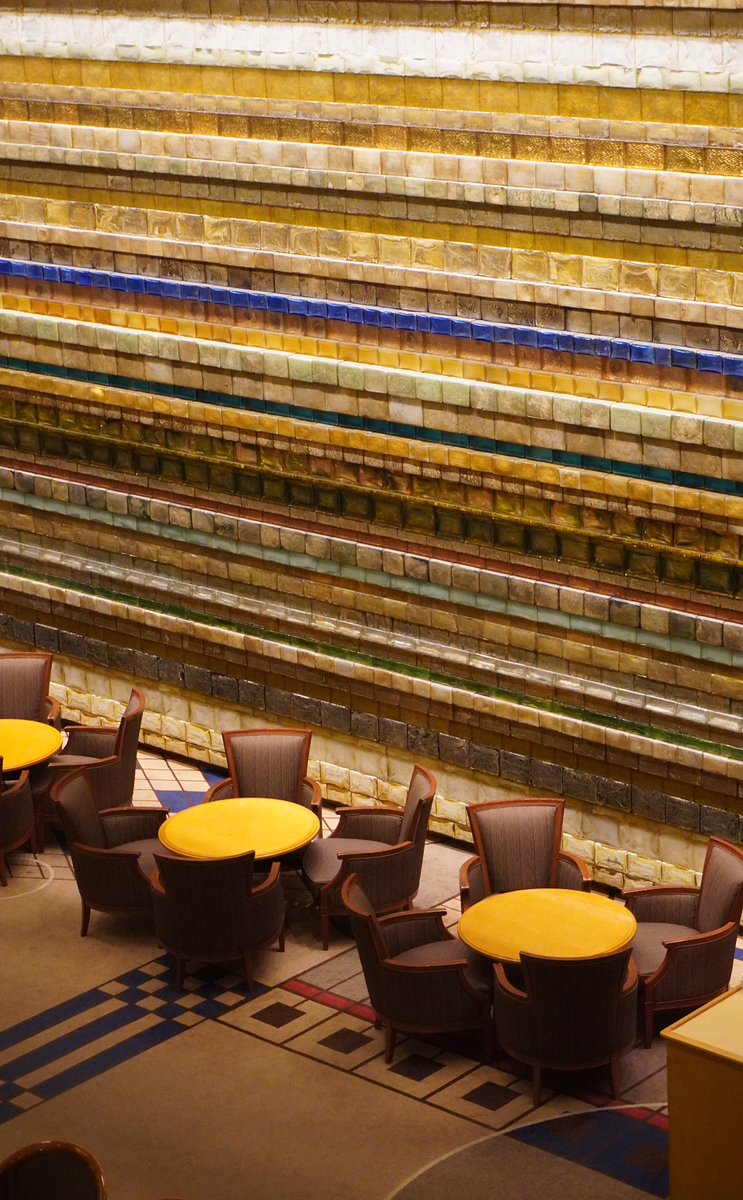
To illustrate the range Tokyo offers, she describes two contrasting solo nights that reflect different sides of the city. One took place at the Imperial Hotel, Tokyo, a property long associated with Tokyo's diplomatic and cultural history. During that stay, she brought a book about the hotel itself and read while surrounded by its architecture. "Alone, I can really focus," she says. "I can think about how the hotel was built, what kind of people stayed there, and interpret it in my own way."
A second stay unfolded in an entirely different register. At Hotel Groove Shinjuku, A Park Royal Hotel, inside Tokyu Kabukicho Tower, the evening centered on movement and light: a late-night film at the cinema in the building, followed by a drink at the hotel bar overlooking neon streets. "It would be nice as a romantic night out as a couple," she says, "but doing it alone feels freeing."
The experience was less about spectacle and more about autonomy—deciding spontaneously what to do next, lingering without negotiation, and experiencing Tokyo's nightlife independently.
These two stays—one reflective, one energetic—mirror the broader city. Tokyo contains historic institutions, contemporary towers, riverside neighborhoods, entertainment districts, and pockets of green space within short distances of one another. "What I consider comfort changes depending on my mood," she notes. "Sometimes I want silence. Sometimes I want noise around me while I'm alone."
Neighborhood Identity and the Value of Staying Overnight
Staying overnight reshapes how visitors experience neighborhoods. In Nihonbashi Hamacho, older downtown character coexists with newer independent cafés and small shops. The paths along the nearby Sumida River create space for early morning or evening walks distinct from nearby commercial hubs. "In places like Hamacho, you can feel both the old and the new Tokyo together," she says. "You can wander, find a bakery, visit a small shop, and come back to your hotel."
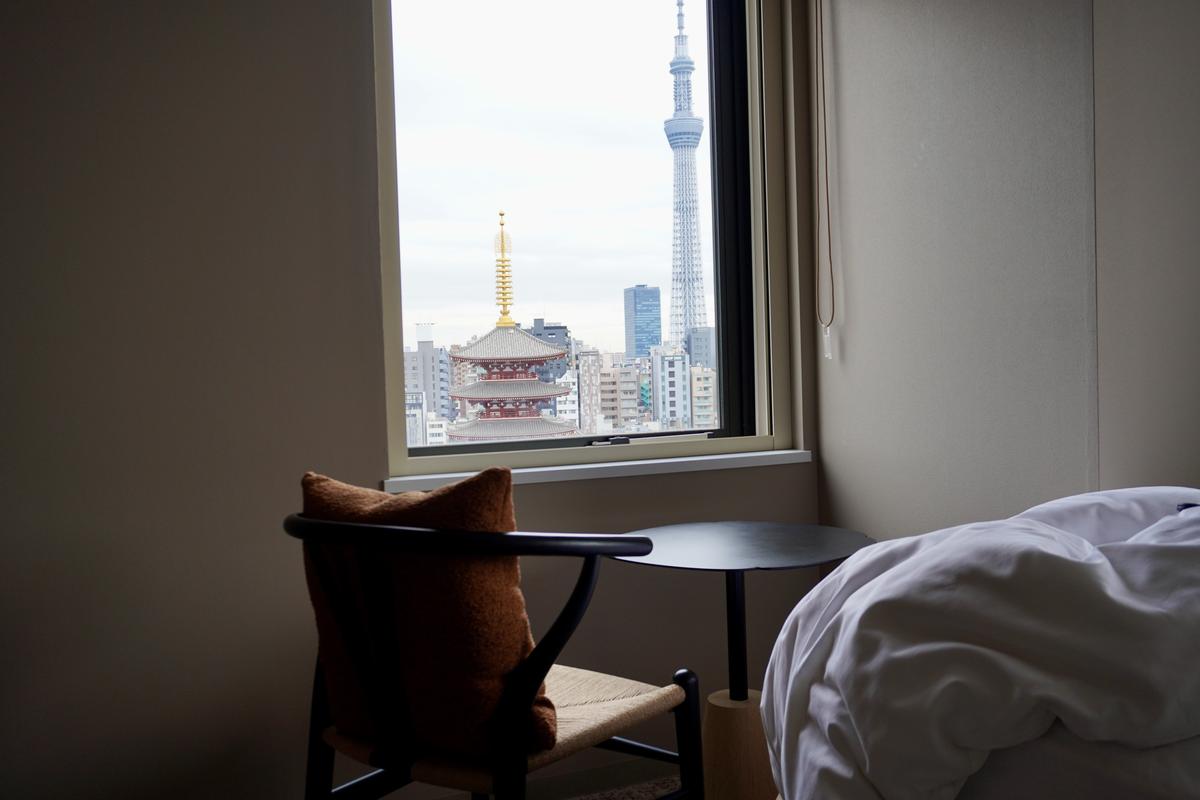
In Asakusa, often treated primarily as a daytime sightseeing destination centered on Sensoji Temple, remaining overnight alters perception. Early mornings and late evenings soften the atmosphere once tour groups depart. Richmond Hotel Premier Asakusa International combines accessibility with views toward Tokyo Skytree, allowing visitors to experience the district beyond peak hours. "When you sleep in a neighborhood, you experience morning and night," she says. "That changes how you see the area—you begin to understand it not as a tourist destination, but as a place where people actually live. And when you travel solo, it becomes even easier to blend in and feel part of the place."
Pricing, Access, and Shifting Solo Norms
Japan welcomed a record 42.7 million international visitors in 2025, contributing to high occupancy rates and fluctuating room prices. Tokyo's accommodation market reflects that pressure, yet flexibility often changes the equation. "Many people look at a date close to their trip and think Tokyo is too expensive," she says. "But if you change the day—even by one or two days—the price can be completely different." Weekday stays, particularly Sunday or Monday nights, are frequently less expensive than peak weekends or cherry blossom season.
She also notes that solo-friendly options have expanded. Historically, some smaller inns preferred bookings of two or more guests because rooms are priced per unit. In recent years—especially following the pandemic—more properties have become open to this new trend. "There are more one-person plans now," she observes, particularly in larger urban hotels.
Lowering the Barrier
For travelers hesitant to book alone, her advice emphasizes gradual entry rather than dramatic change. "If it feels like a big step, don't start with an overnight," she says. Visiting a hotel café, trying a day-use plan, or returning alone to a familiar property can reduce uncertainty.
Most importantly, she recommends narrowing focus. "Choose one theme," she says. "Maybe it's sleep. Maybe it's reading. You don't have to do everything."
In a metropolis defined by scale and speed, shaping time around a single intention can reveal another side of Tokyo—one where solitude requires no explanation, and where a hotel room becomes not simply accommodation, but a deliberate vantage point.
Through Ohitorisama. and other creative works, Maro highlights the richness of solo experiences. Movie: the Tokyo Metropolitan Government
Maro
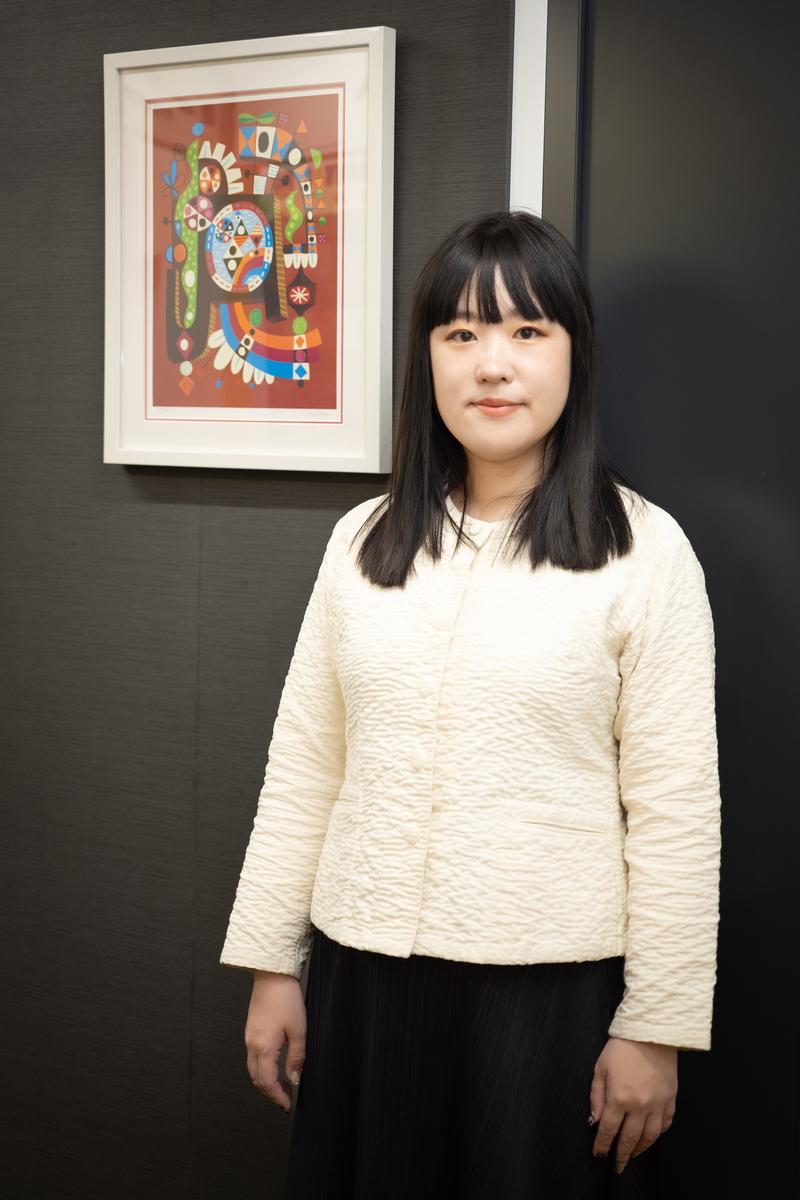
She also developed the original concept for the manga Ohitorisama Hotel (The Solo Hotel), written and illustrated by Maki Hirochi. Her books include Ohitori Hotel Guide (The Solo Hotel Guide) and Hitori ga ii Tabi (A Journey Best Taken Alone).
In addition, she produces solo-friendly projects for companies and runs a community centered on shared solo experiences.
Instagram: @ohitorigram
X: @ohitoritter
Photos by Akiyoshi Yoko