







Chef's Thoughts on Tokyo:
Exploring the Rich Flavors of Tokyo's First Georgian Restaurant


This audio is generated by AI, so pronunciation and expressions may not be fully accurate. The narration is only in English.
A Gateway to Georgian Culture in Tokyo
Situated in the South Caucasus between the Black Sea and the Caspian Sea, Georgia has long been known as a key crossroads of East-West trade, where diverse peoples from Europe and Asia have passed through since ancient times. Among wine lovers, it is also celebrated as the birthplace of wine, with a history dating back more than 8,000 years.
Mashimo's connection to Georgia is relatively recent. It began in 2023 with the establishment of the Japan Georgia Chamber of Commerce and Industry (JGCCI).
"I have long been involved in semiconductor-related businesses around the world," Mashimo says. "Through that work, I came to know the Georgian Ambassador to Japan, who asked me to help establish a chamber of commerce to connect companies in Japan and Georgia. That was the starting point."
As his involvement grew, Mashimo met many Georgians and repeatedly heard the same concern: there was no place in Tokyo to enjoy authentic Georgian cuisine or to share their culture. Other Co-Founders had an idea of opening Georgian restaurant, The conversation soon evolved into a plan. One of those who quickly embraced the vision was Abuladze, who recalls how it began.
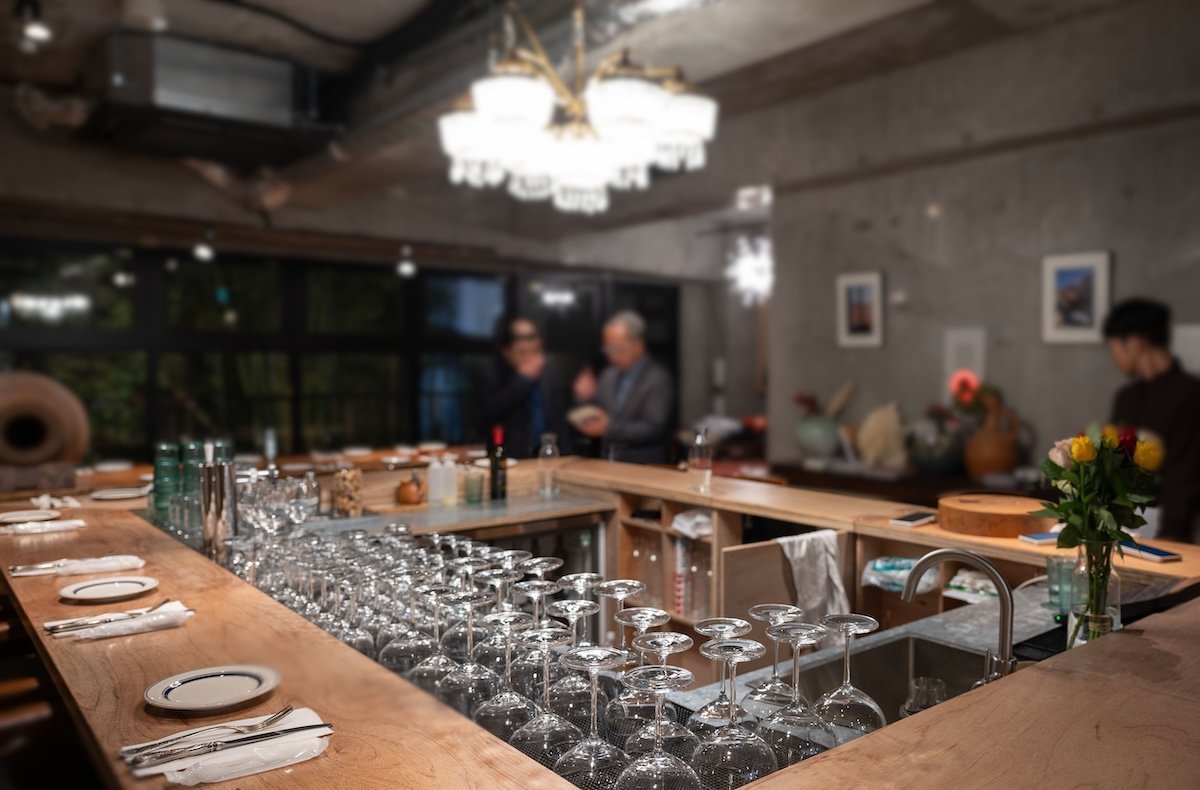
Abuladze notes that Georgia has an exceptionally rich culinary and winemaking tradition, but his goal was to create more than simply a restaurant. He envisioned a space that would serve as a gateway to Georgian culture.
Kagurazaka was not a random choice. The other Georgian co-founder had lived there during their first stay in Japan and developed a strong appreciation for the neighborhood's atmosphere. Mashimo reflects on that early connection.
"The historic streets and lingering sense of tradition reminded him of Georgia. Kagurazaka has long been home to international residents and continues to attract visitors from around the world. It is a place where different cultures intersect. We felt it was the ideal setting to share Georgia's culinary culture, shaped by a history that stretches back millennia."
The Soul of Georgian Cuisine

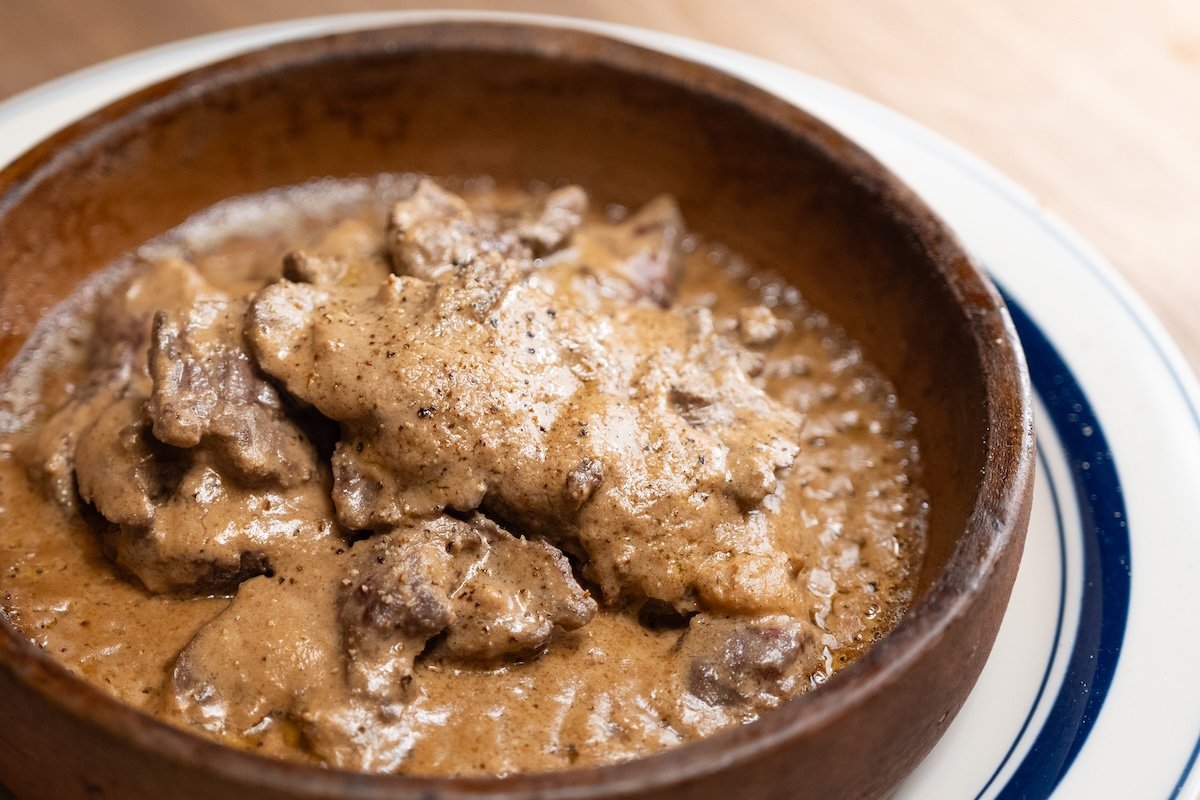

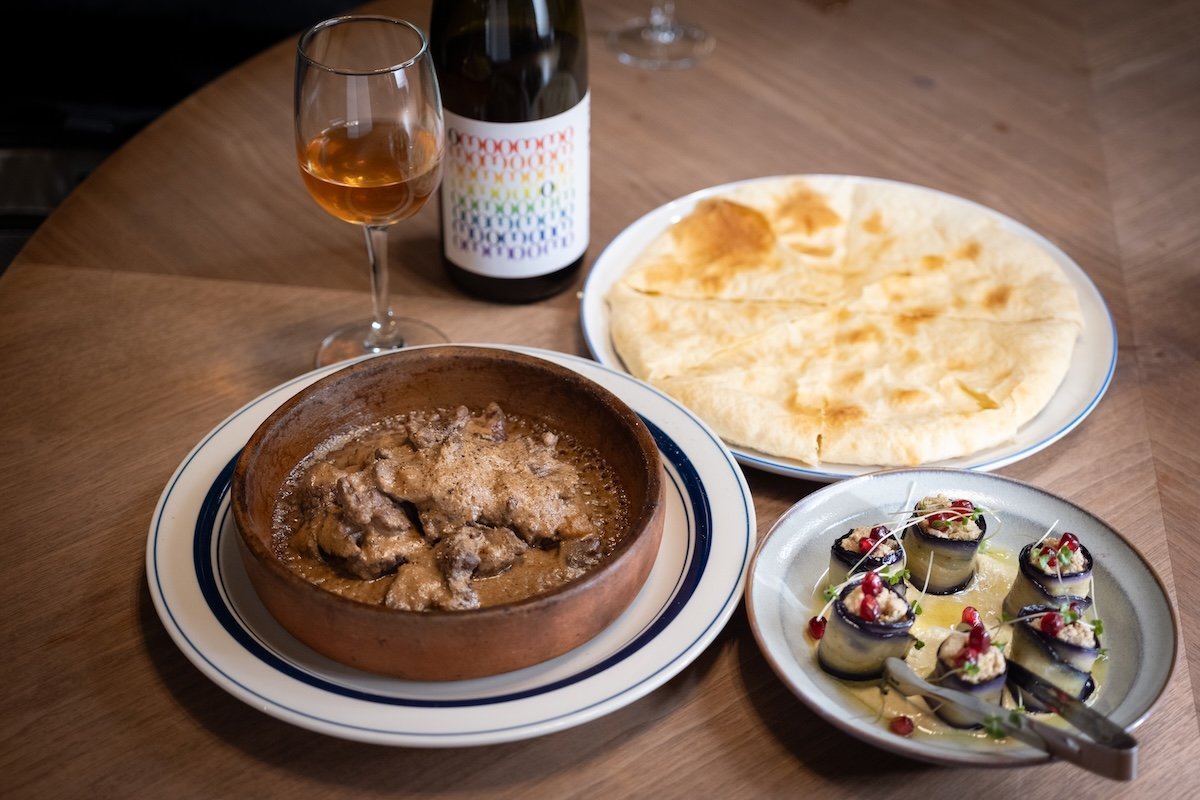
The restaurant takes its name from ajika, a Georgian seasoning. Made by blending chili peppers with a variety of spices, it is a versatile condiment known for its deep, complex flavor and is a staple of Georgian cuisine. The name also reflects a play on words—aji meaning "flavor" in Japanese—and the idea of building a bridge between cultures through taste.
Cheese—an essential part of Georgian cuisine—is another area of particular focus for the restaurant. Abuladze speaks confidently about it.
"Cheese is indispensable to Georgian cuisine. Although it is traditionally handmade in each household, it retains a distinct, time-honored flavor," Abuladze says. "Because freshness is crucial, importing it by air from Georgia was not a realistic option, which made recreating it in Japan a challenge. We worked with three Japanese producers to reproduce the authentic taste while adapting it to suit Japanese palates. The greatest hurdle was striking the right balance of texture and saltiness. After months of back-and-forth between Japan and Georgia, and about six months in total, we finally arrived at a flavor we felt confident about."
He goes on to discuss the defining characteristics of Georgian cuisine.
"Georgian cuisine is marked by a spirit of sharing and generosity, as well as bold flavors. Fresh herbs, spices, and walnuts are used, and dishes are prepared slowly, with care. Many are designed to be shared at the table, reflecting the essence of Georgian culture."
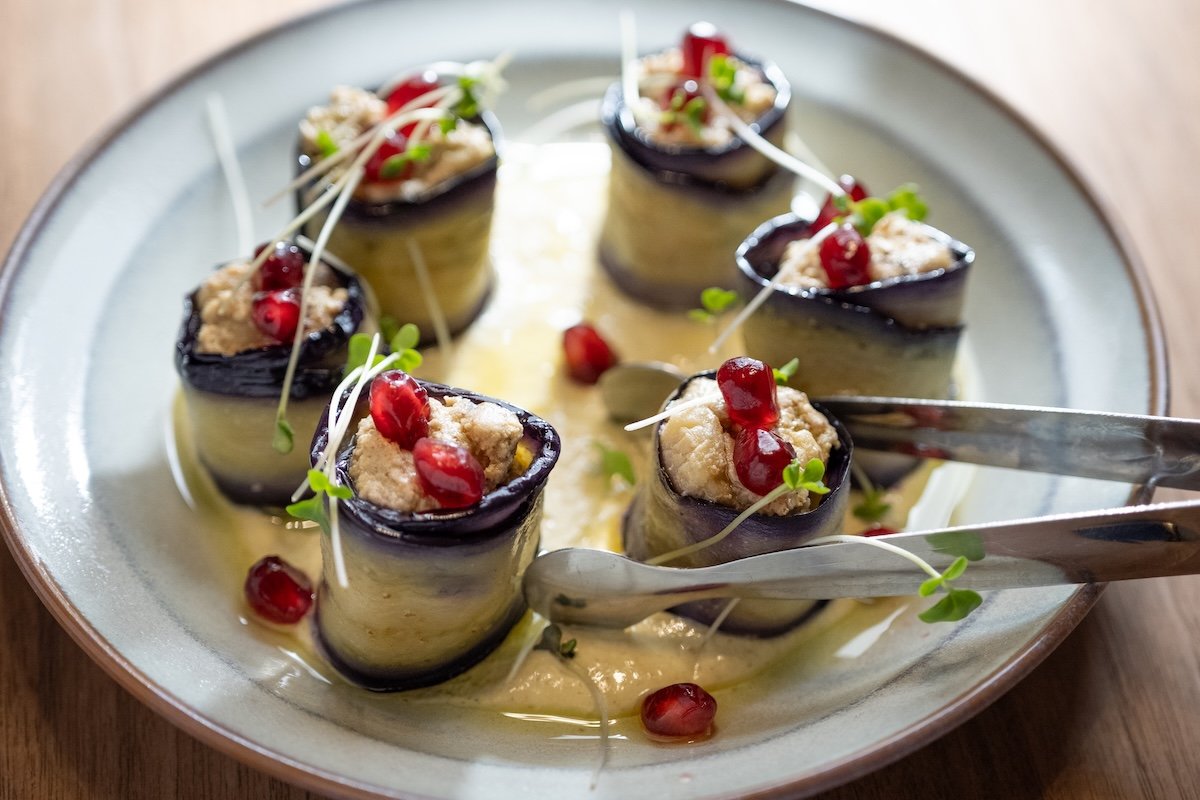
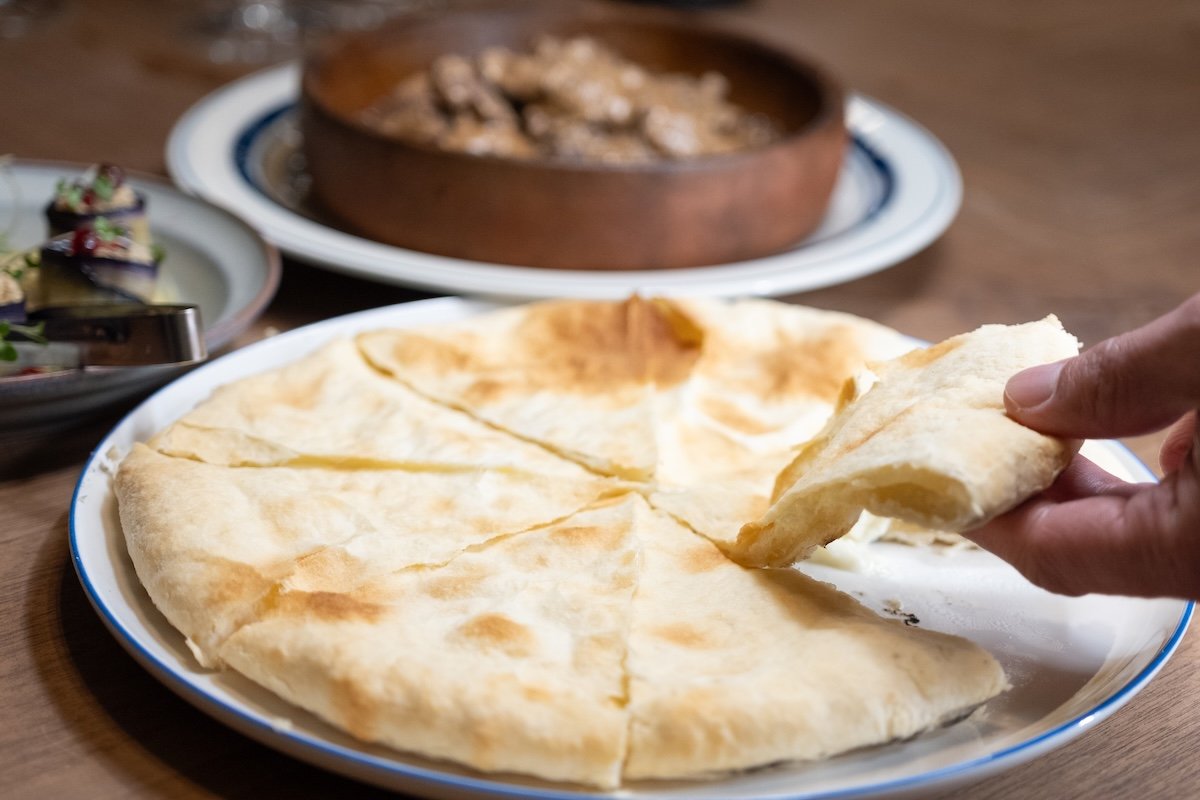
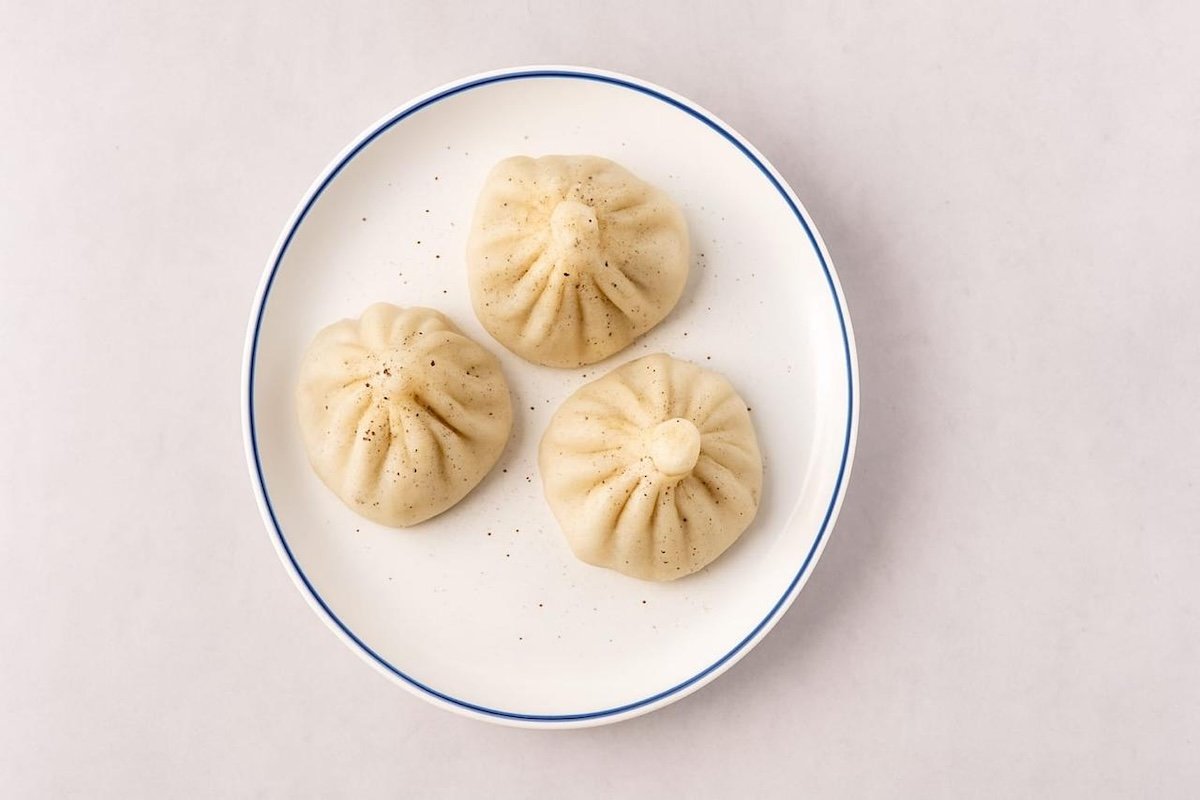
Among the standout dishes are khachapuri, a traditional bread from the Imereti region of west-central Georgia; khinkali, Georgian boiled dumplings filled with aromatic spices and savory juices; and pkhali, a chilled dish of walnuts and spices prepared in three varieties—leek, carrot, and spinach.
Abuladze adds that these dishes represent the essence of Georgian cuisine and are both approachable for first-time diners and satisfying.
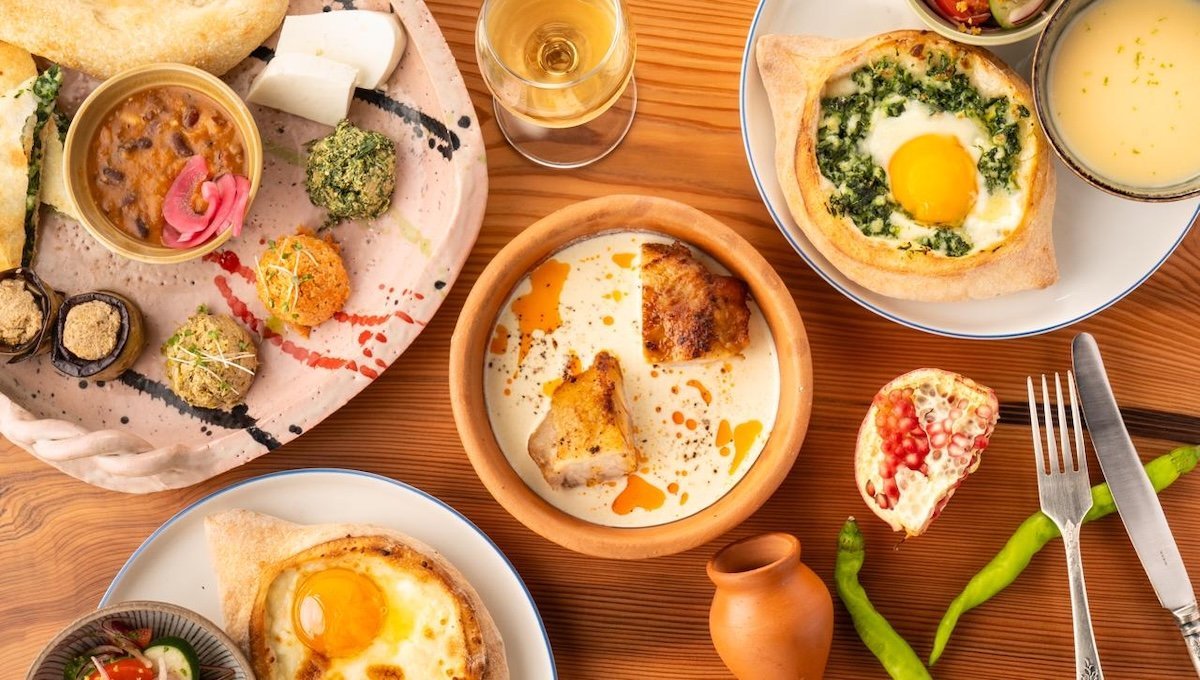
A Distinctive Winemaking Method Rooted in Tradition
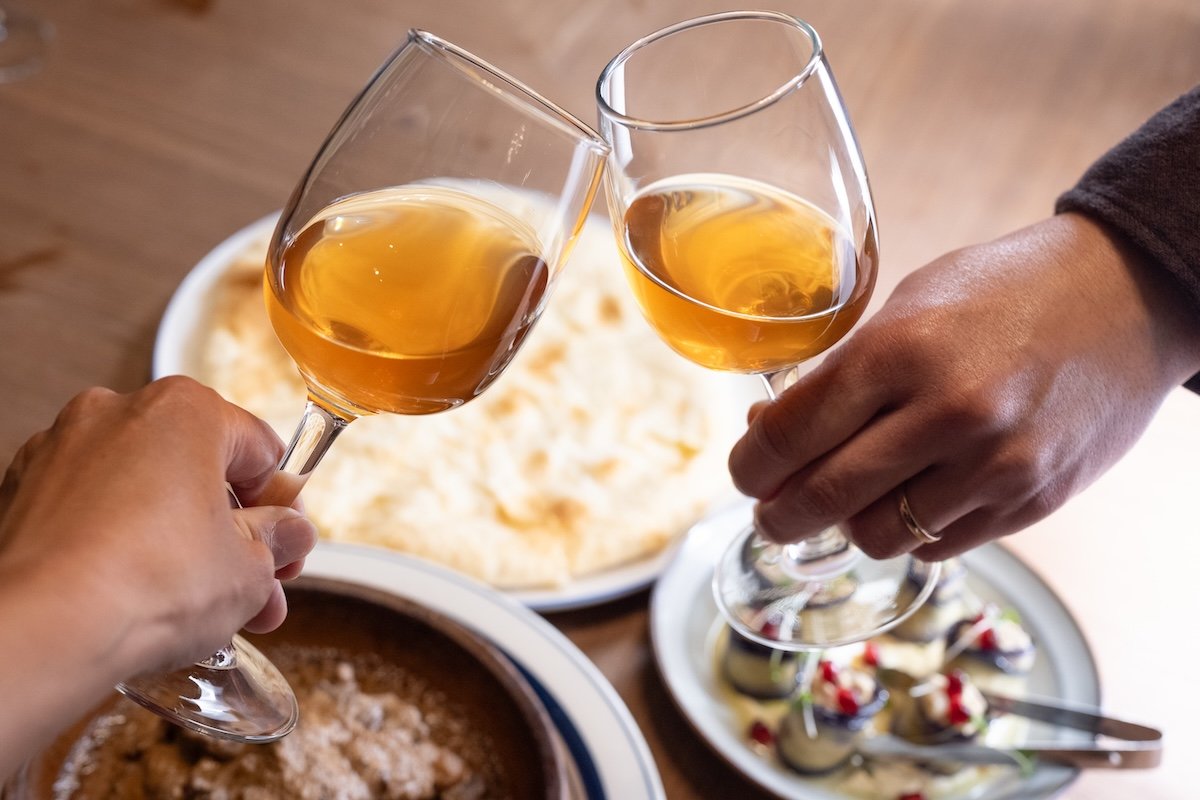
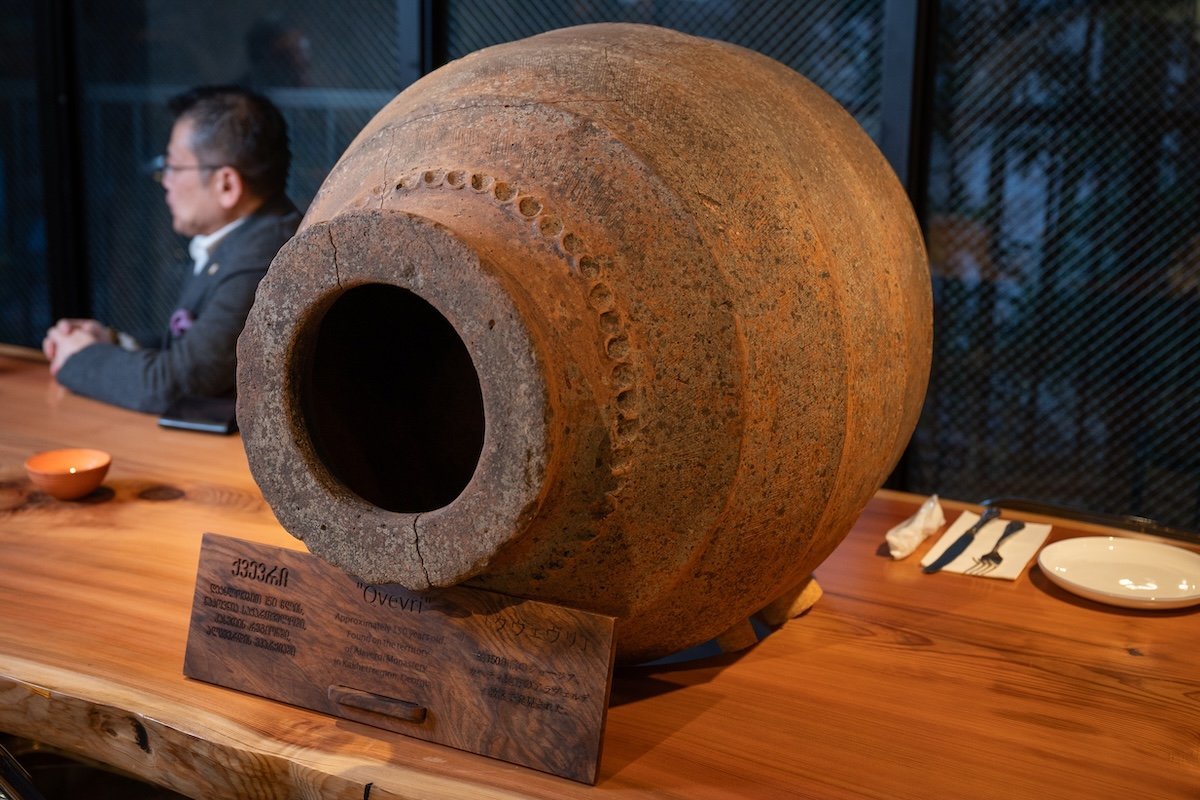
Alongside its cuisine, wine is another defining symbol of Georgia—distinguished above all by its method of production. At the heart of this tradition is the qvevri, a large, egg-shaped clay vessel. Whole grapes, skins and seeds included, are placed inside, and the vessel is buried underground, where the wine ferments and matures over periods ranging from several months to several years. Unlike conventional white wines, which are made without the skins and seeds and appear clear, qvevri wines retain their tannins, resulting in a rich, amber color and full-bodied flavor. This ancient winemaking method has been inscribed on UNESCO's list of Intangible Cultural Heritage and continues to be practiced today. In Georgia, such wines are known as amber wines, while in Japan, they have gained popularity in recent years under the name orange wine. Mashimo describes their appeal as follows.
"Georgia is said to have more than 500 grape varieties—the highest number in the world. Because many of them are blended together, the wines develop a deep, complex umami profile. Above all, they are infused with the stories of a tradition that has been passed down for more than 8,000 years."
Nearly six months after opening the restaurant, Abuladze says he has come to appreciate Kagurazaka—and Tokyo as a whole—even more deeply.
Abuladze observes that many people in Kagurazaka are drawn not only to enjoying food but also in learning about and experiencing the stories behind each dish. Their respect for food culture and strong curiosity, he says, make the area a particularly stimulating place for the team.
Looking ahead, the team hopes to develop the restaurant into a space where people can engage with Georgian culture more broadly—not only through food and wine, but also through dance and traditional performing arts.
Movie: the Tokyo Metropolitan Government
Giorgi Abuladze

Mashimo Hiroshi
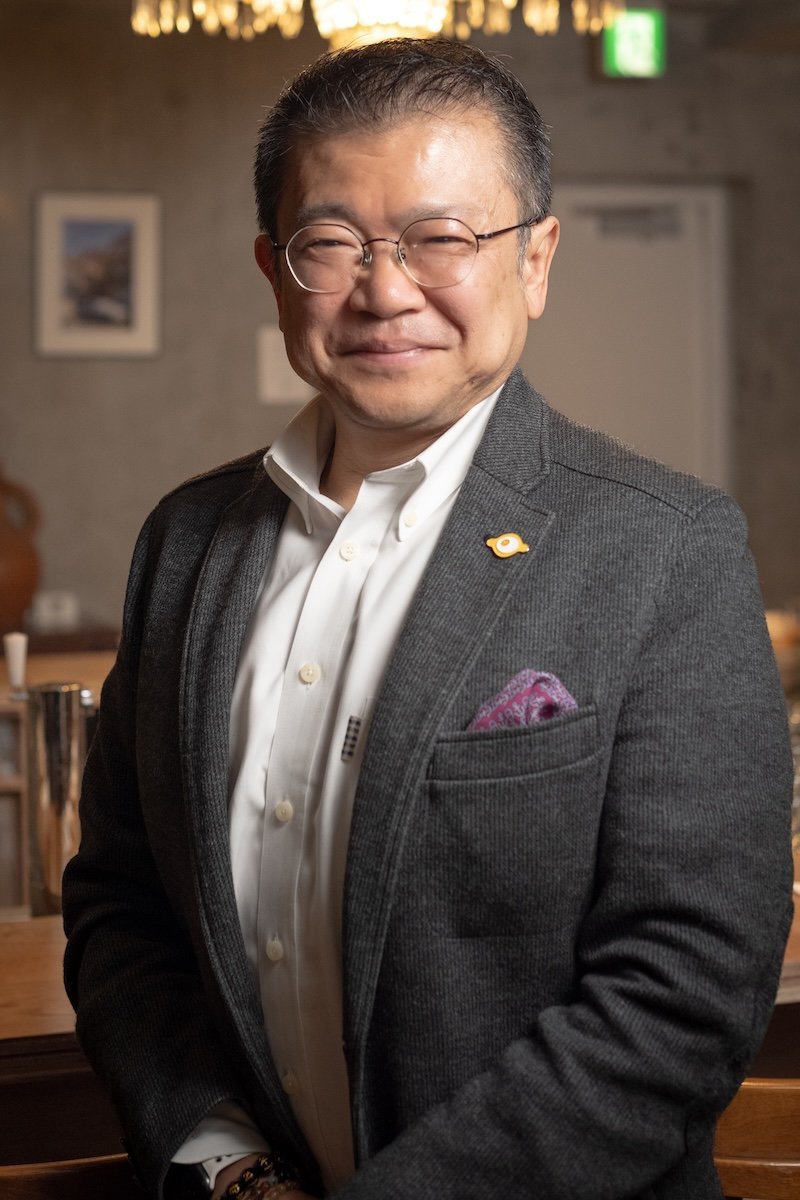
Photos by Akiyoshi Yoko
Translation by Luna Lys