







A Next-Generation Anime Studio Opens a New Frontier in IP


This audio is generated by AI, so pronunciation and expressions may not be fully accurate. The narration is only in English.
Creating Vertical Anime for Smartphones
TOKYO EPIC is a startup that does not see anime production as an end in itself. Instead, it uses its animated works as a starting point to develop businesses across a range of media and products—including games, music, and merchandise—and expand them globally. CEO Wada Ryoichi describes the thinking behind this approach.
"Until now, producing anime has required enormous funding and large-scale systems," Wada says. "As a result, revenue structures have become complex, and even when a title becomes a major hit, creators often do not receive a fair share of the profits. But in recent years, advances in AI have dramatically reduced the time and process required for anime production. I was one of those who wanted to make anime but could not—yet now I'm able to pursue this business myself. I feel as though an environment is emerging in which creators can take the lead in developing and growing IP."
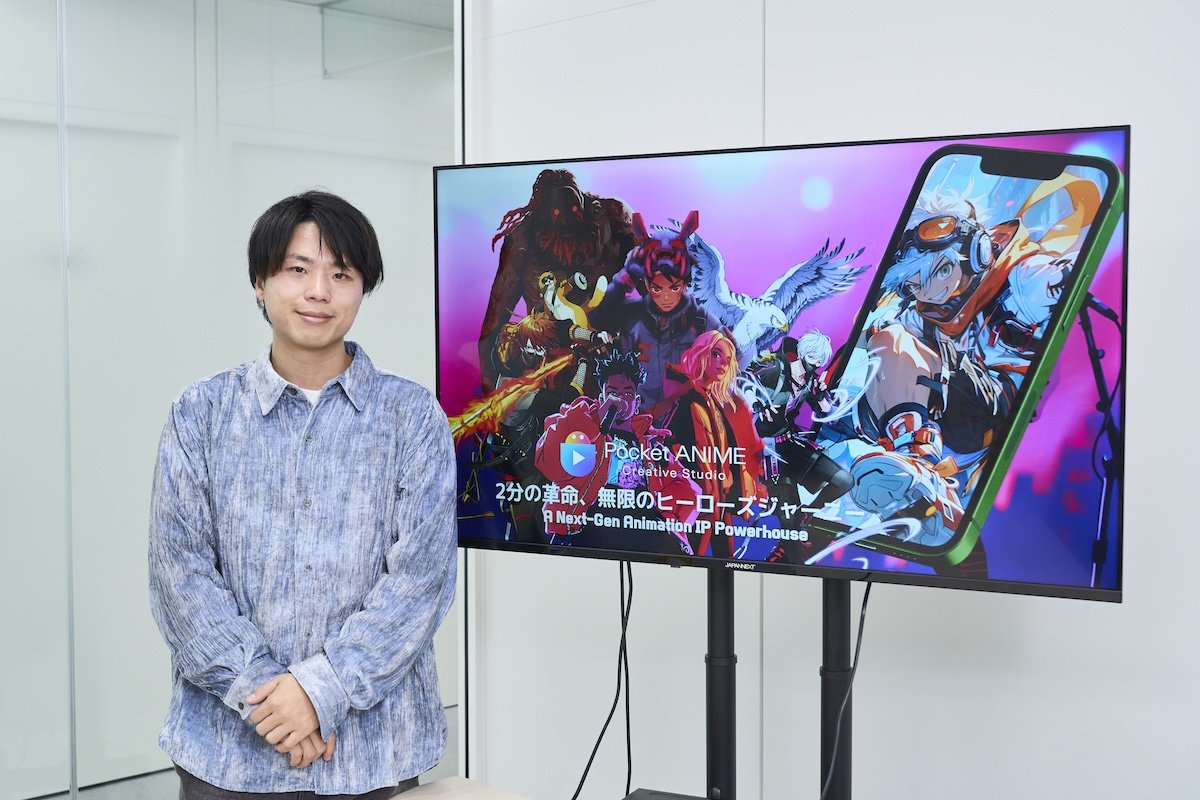
One such initiative is PocketANIME, a short anime project.
Wada explains that the company focuses on producing and distributing short, vertically formatted anime designed for smartphone viewing, typically just a few minutes in length. Unlike conventional horizontal anime, the composition differs significantly, with framing and direction unique to the vertical format creating a distinct sense of immersion. In recent years, a string of global hits has emerged from vertically read Webtoon comics. With PocketANIME, he aims to follow that trend and carve out a new market for smartphone-optimized vertical short anime.
A short film produced for PocketANIME, operated by TOKYO EPIC. Movie: TOKYO EPIC
Wada sees PocketANIME not as a replacement for existing anime, but as a new format.
"For example, if a work released on social media gains strong traction, it could be expanded into a feature-length anime or film, a game, or adapted into a Webtoon—or even developed on Roblox—allowing IP to extend across multiple platforms," he says.
Not every aspect of production, however, is handled by AI.
Production is based on concepts and scripts developed by creators, with AI used for tasks such as per-cut illustration and editing. Creators then handle the final stage, adding elements such as voice and sound. Wada emphasizes that concepts and scripts must originate from people in order to create works that truly resonate with audiences, and that this human input is what ultimately gives a work its originality.
To keep pace with rapid advances in AI, creators must also continually update their knowledge. At the same time, the use of AI in creative production calls for careful management, particularly from a copyright protection standpoint.
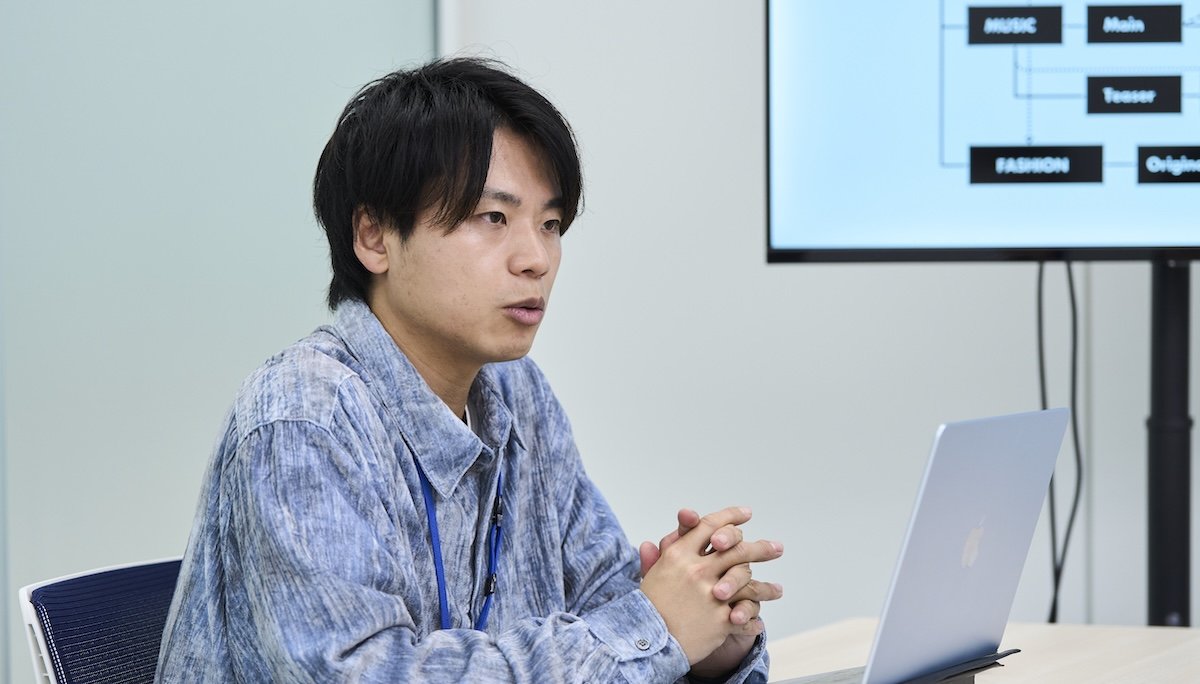
At TOKYO EPIC, production is carried out in line with guidelines from the Agency for Cultural Affairs and the Cabinet Office. The company also takes a cautious approach, avoiding the use of tools that have been flagged as posing potential copyright infringement risks.
Proper use of AI tools also helps prevent ideas from leaking outside the organization.
The World's First World AI Film Festival Held in Cannes
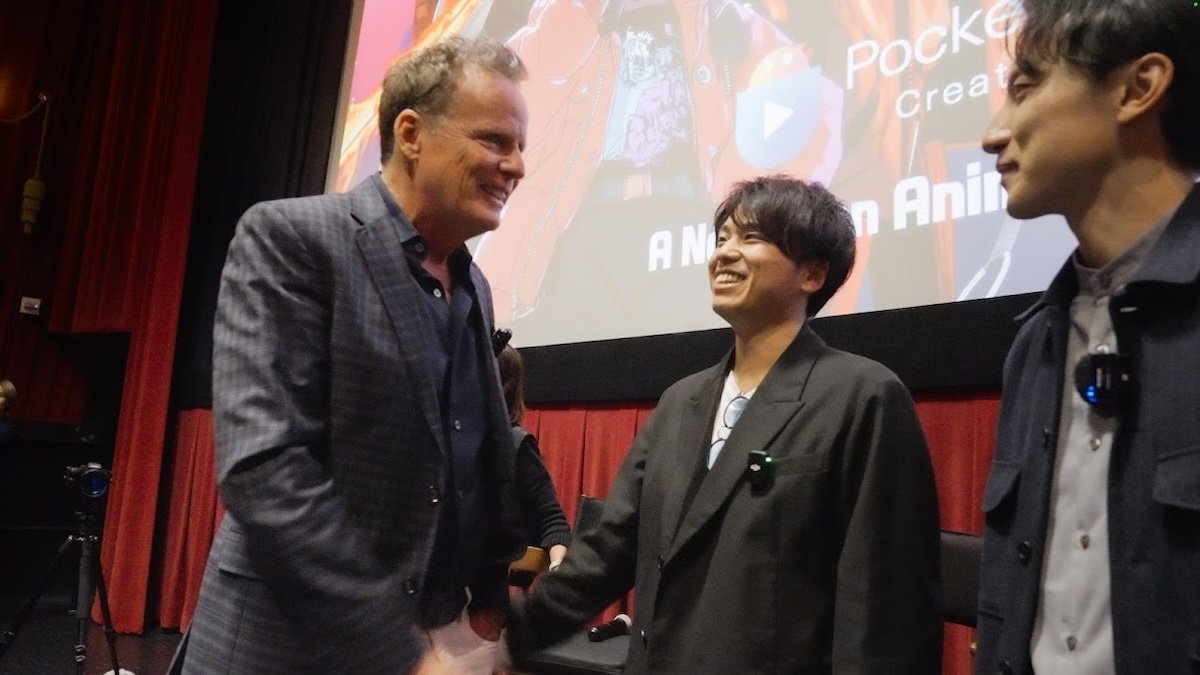
Global interest in AI-powered filmmaking is on the rise. In April 2025, the World A.I. Film Festival (WAiFF)—the world's first and largest international AI film festival, founded by former Apple COO Marco Landi—was held in Nice, France, drawing more than 1,500 entries from 53 countries.
The festival was held in Cannes, France, in April 2026, showcasing works across multiple categories, including AI films and AI animation.
Ahead of that, WAiFF 2026 in Kyoto took place on March 12 and 13. Preliminary rounds were held in Brazil, South Korea, China, and Japan. The Japan round was led by Wada, who serves as WAiFF's Japan representative, creating a pathway to selection for the main competition held in Cannes that April.
Tokyo's Startup Support Ecosystem Matures
Tokyo's startup ecosystem provides a multifaceted environment that supports startups on many fronts—from fundraising and community building to providing workspaces and fostering networks among entrepreneurs.
The Tokyo Contents Incubation Center (TCIC), where TOKYO EPIC is based, is a startup incubation facility operated by the Tokyo Metropolitan Government (TMG) for entrepreneurs and early-stage companies. In addition to offering well-equipped office space at affordable rates, it provides one-stop business support through on-site startup support staff for tenants in the early stages of their ventures.
According to Wada, participation in TCIC programs helped connect the company with investors, leading to successful fundraising. It has also opened doors to opportunities such as speaking at overseas events and forming a partnership with a private university in Malaysia.

"Tokyo offers a well-developed framework for supporting startups, and it's an environment where business partners are easy to find," Wada adds. "In the anime world, Tokyo is also a brand that resonates globally. We take pride in the name TOKYO EPIC and are ready to compete in the global market."
From Tokyo, PocketANIME's journey begins.
Wada Ryoichi
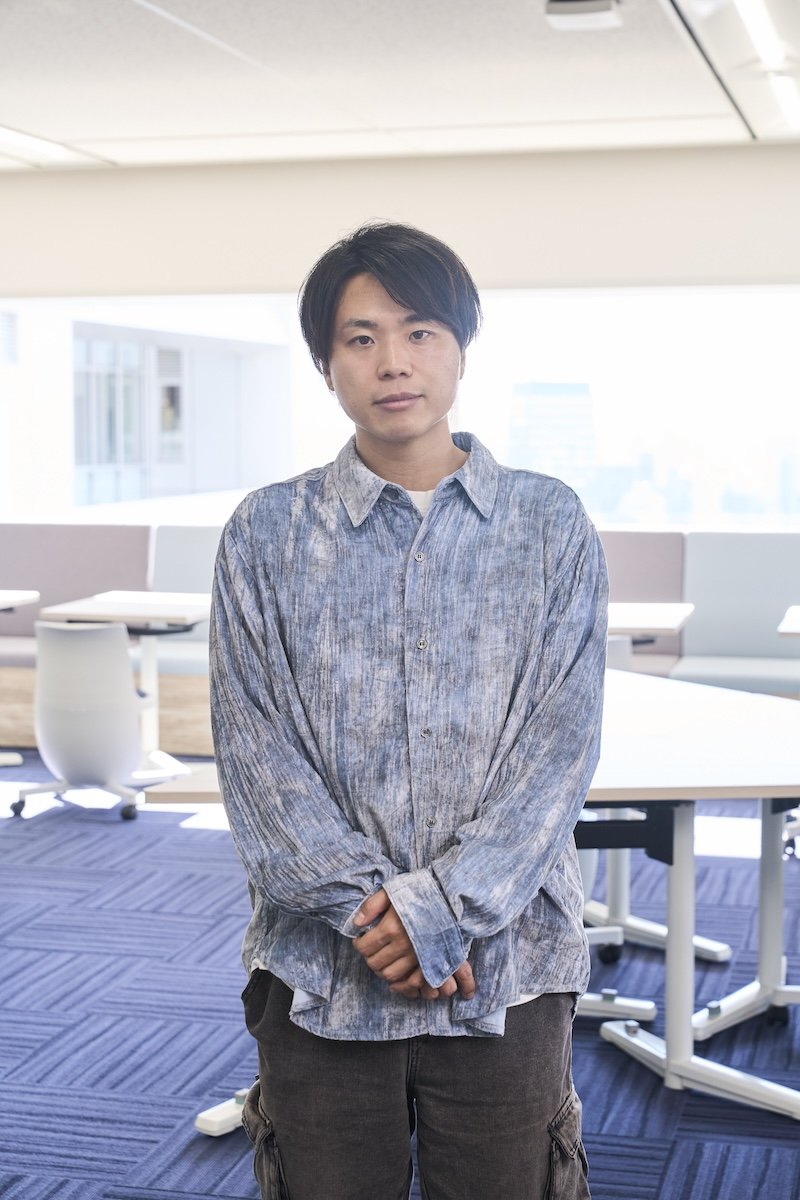
TOKYO EPIC Inc.
https://www.tokyo-epic.com/enPhotos by Fujishima Ryo
Translation by Luna Lys