







A Japanese Robotics Startup Looks Ahead to the Humanoid Age


This audio is generated by AI, so pronunciation and expressions may not be fully accurate. The narration is only in English.
Humanoid Robots Move from Concept to Reality
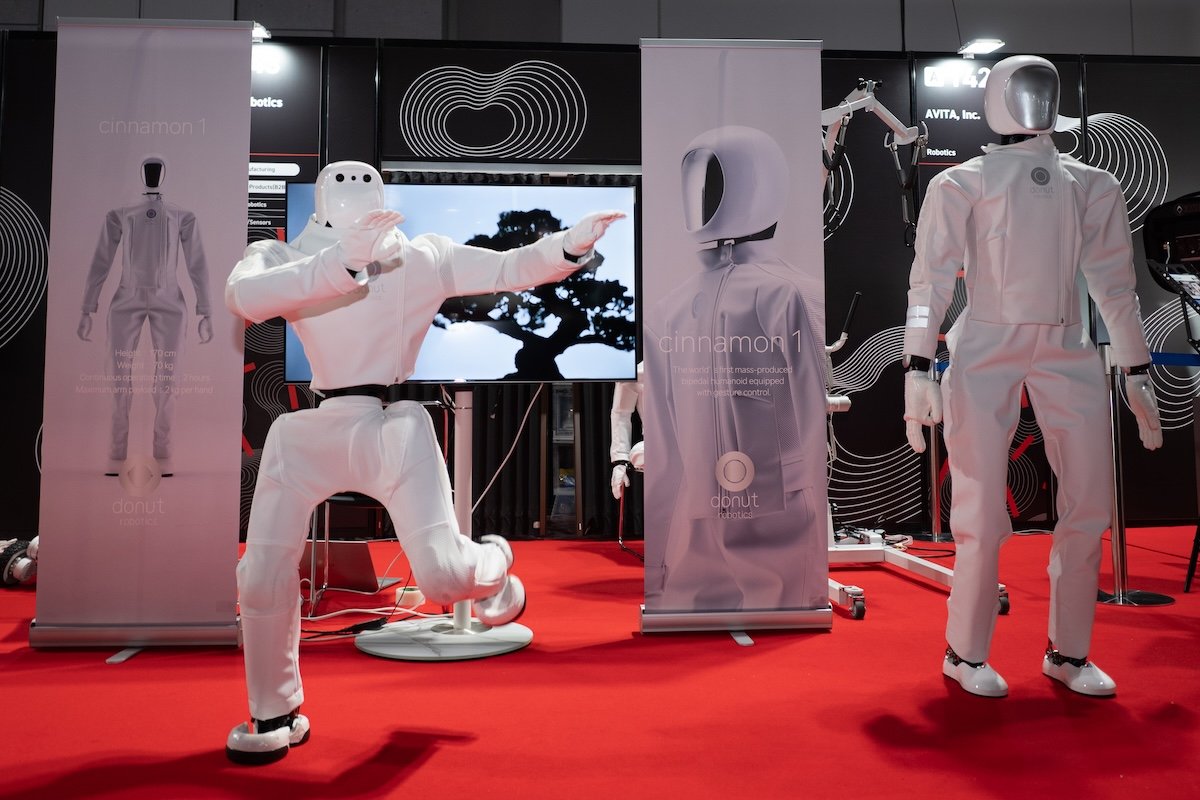
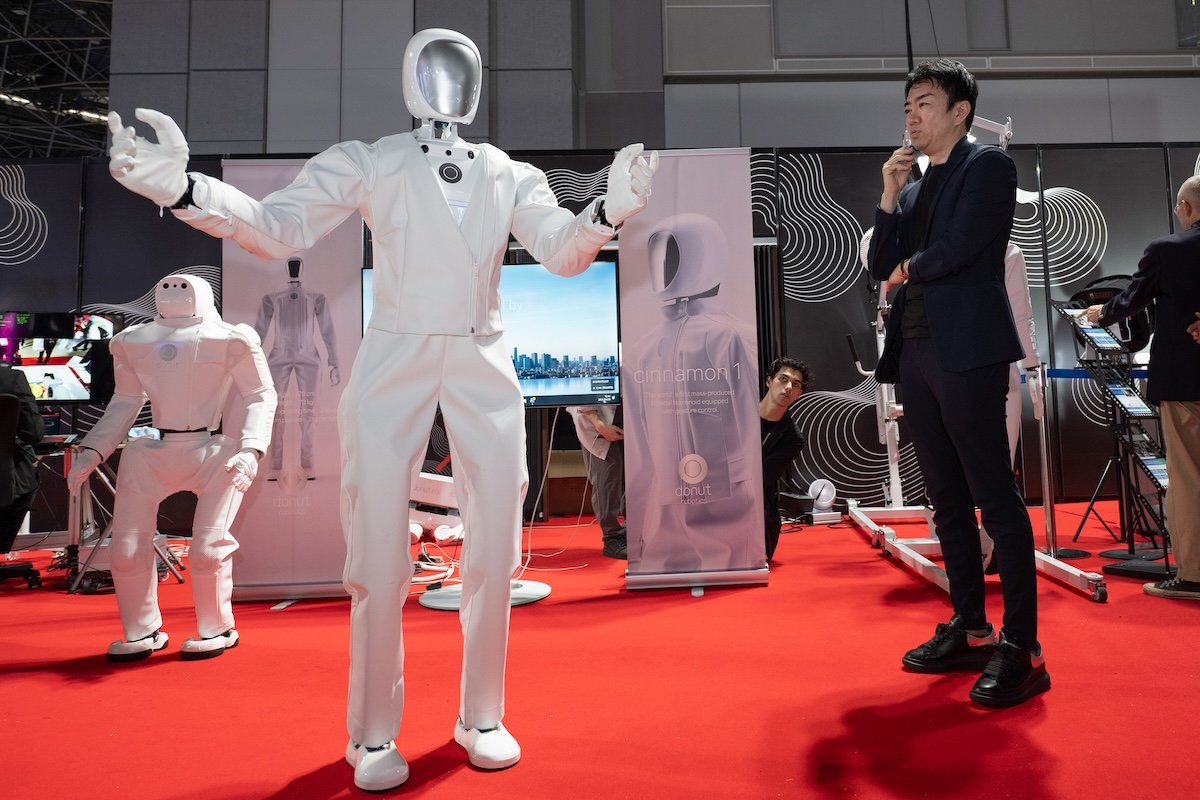
Among the robots on display at SusHi Tech Tokyo 2026, cinnamon 1, a humanoid robot developed by donut robotics Co., Ltd., drew attention not only for what it could do, but for the future it suggested. Its humanlike form made a question that once belonged to science fiction feel newly practical: What happens when robots begin to share human environments at scale?
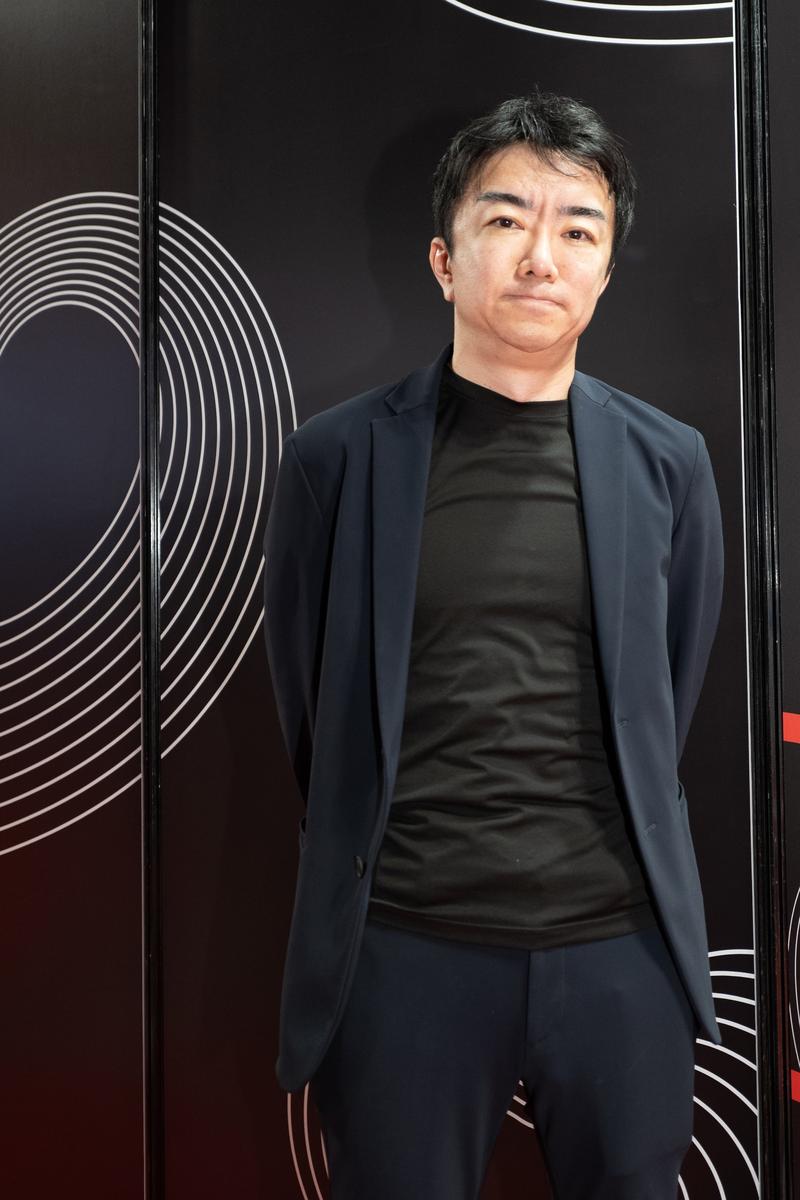
For CEO Ono Taisuke, the answer is both exciting and urgent. "By 2030, we believe fully autonomous general-purpose humanoid robots will appear," he says. "We need to start thinking now about how society will change when that happens."
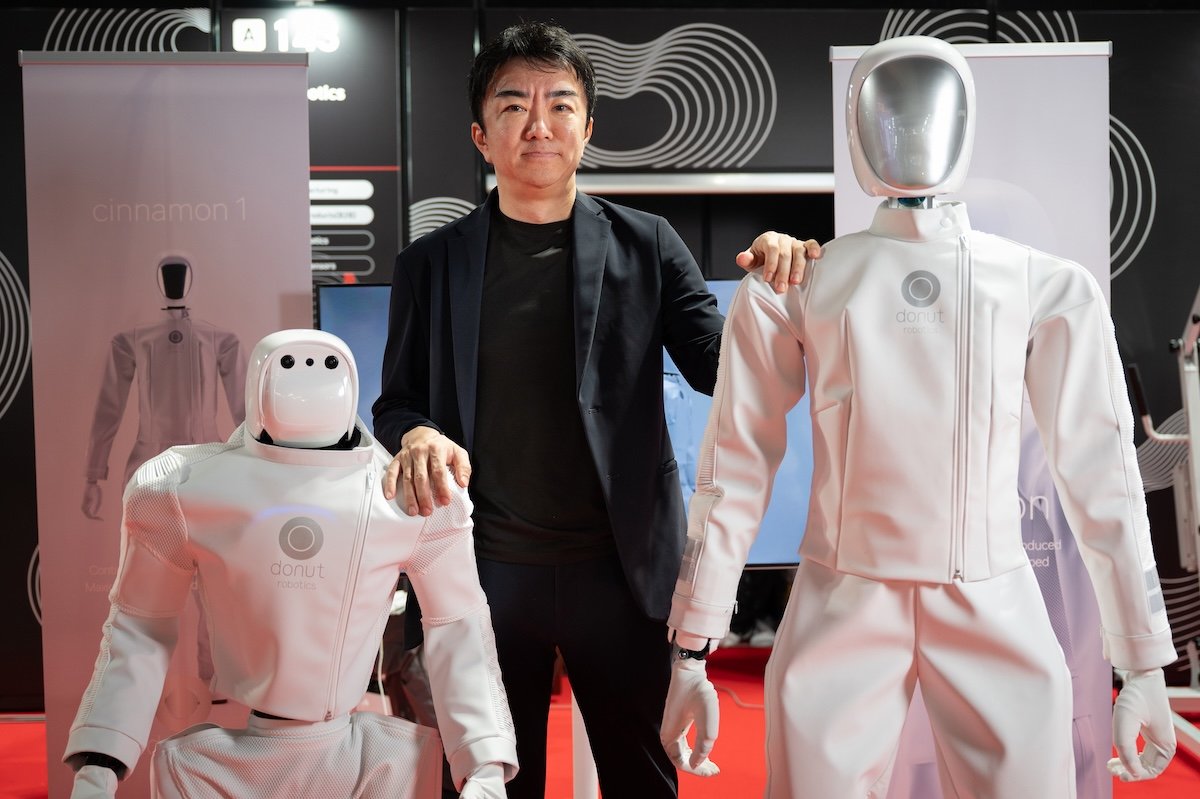
The Tokyo-based startup develops robot AI and humanoid robots, including cinnamon 1, a Japanese-brand humanoid equipped with the company's AI. At present, cinnamon 1 uses donut robotics' AI in a robot body manufactured overseas, while the company works toward future models with both hardware and software developed domestically.
The first target for cinnamon 1 is practical rather than theatrical. donut robotics aims to use humanoid robots to take over simple and repetitive tasks in factories, with future applications also envisioned in construction and other labor-intensive settings. Japan's shrinking workforce gives such technologies a clear social and economic context. For companies struggling to secure workers, humanoid robots could become one way to maintain productivity without relying only on human labor.
"We're developing cinnamon 1 to replace simple tasks in Japanese factories," Ono says. The challenge is not merely to make a robot walk or speak, but to make it useful, reliable, and safe enough for real workplaces.
From Video Learning to the Stage
At SusHi Tech Tokyo 2026, donut robotics unveiled cinnamon mini, a new humanoid robot powered by physical AI technology that allows robots to learn movements from video rather than relying on conventional motion capture. The company announced the technology as part of its SusHi Tech presentation, describing it as a way to accelerate motion learning and humanoid development.
That technology reached a wider audience on April 29, when ATARASHII GAKKO!, the Japanese girl group took the stage at SusHi Tech Tokyo 2026 for "TOKYO CALLING, NEXT STAGE. ATARASHII GAKKO! × ROBOTICS STAGE." For donut robotics, it was the company's first collaboration with artists and a major challenge: the robots learned from dance videos provided by the group, then copied the movements onstage. Ono says the performance was a success thanks to the collaboration and support of the members, who helped bring energy to the stage.
For donut robotics, the performance showed humanoids in a more approachable light. The robots' synchronized dance highlighted their physical presence, while a post-performance Q&A showed cinnamon 1 responding conversationally, even saying it liked sushi and ramen before returning the question. The moment was lighthearted, but it also showed how performance, conversation, and robotics may overlap as humanoids become more familiar in public settings.
This kind of development reflects a wider shift in robotics. Humanoid robots are advancing alongside AI, while improvements in electric vehicles, actuators, autonomous driving, and generative AI have all contributed to the current wave of innovation. Robots that once could barely communicate can now understand speech, images, and increasingly complex instructions.
This convergence gives humanoid robots enormous potential. It also raises serious questions. "Because the impact is so great, we need to establish safety and rules now," Ono says. "Otherwise, robots could become tools in conflicts between countries."
In Ono's opinion, the responsibility for robotics companies is not only to innovate, but to make sure the technology develops in a way people can trust.
A Dense City Built for Collaboration
donut robotics was not born as a large corporate project. Ono describes the company as a startup that began with one person in a garage. Yet he sees Tokyo as essential to its growth. "Tokyo has many highly skilled engineers," he explains. "It also has the right environment for experiments, many large companies, and opportunities for collaboration."
donut robotics has already benefited from that ecosystem. Its early robot was selected for the Haneda Airport Robot Project in 2017, giving the startup a chance to test its technology in one of Tokyo's major transport gateways. For Ono, such opportunities show how the city can connect robotics companies with real-world settings, public-facing environments, and potential partners.
Hardware development depends on meetings, parts procurement, testing sites, investors, and corporate partners. Tokyo brings many of those pieces close together. Ono points to the city's density as an advantage: a population of about 14 million, countless companies, and key institutions concentrated within a relatively compact urban area. "For robot development, it is important to have research facilities, people you can meet, and places where you can procure parts nearby," he says. "Having many people gathered close together is a major advantage."
Tokyo also offers access to funding. According to Ono, many of Japan's investors and major corporate decision-makers are concentrated in the capital, making it easier for startups to raise funds and form partnerships. SusHi Tech Tokyo, in particular, gives companies like donut robotics a stage not only for domestic visibility, but also for overseas exposure.
The company is already thinking internationally. Ono says donut robotics aims to enter the USA Nasdaq market around 2027 or early 2028, a goal that would require support from U.S. investors and venture capital. For startups like donut robotics, SusHi Tech Tokyo offers a platform to present their technology and vision to both Japanese and international audiences, expanding opportunities for collaboration and investment.
A New Economy Around Humanoids
Humanoid robots are often discussed in terms of jobs they may replace, but Ono also expects them to create new industries. If robots become as common as he predicts, society will need businesses to maintain, transport, rent, repair, install, and manage them. He imagines services that do not yet exist at scale: robot rental companies, robot maintenance providers, and even "robot hospitals."
"When the number of robots becomes comparable to the human population, new jobs related to them will appear," Ono says. "People's work and lives will naturally involve cooperation with AI and robots."
For younger entrepreneurs and engineers, Ono's message is direct: do not build only for Japan, and do not ignore how quickly AI is changing the competitive landscape. "The kind of talent needed changes every few months," he says. "You need to think three years ahead and move toward what you will need to become."
He argues that Japanese startups must identify a clear "moat," or competitive advantage, if they want to survive globally. In humanoid robotics, Ono believes Japan has such an opportunity, thanks to its manufacturing expertise, reputation for reliable hardware, and access to work environments where overseas competitors may find it harder to operate. Tokyo, meanwhile, gives startups access to engineers, investors, corporate partners, and testing opportunities needed to turn that national advantage into globally competitive robotics businesses.
At SusHi Tech Tokyo 2026, cinnamon 1's conversational demonstration and cinnamon mini's dance performance together offered a glimpse of that future. But for donut robotics, the message was clear. Humanoid robots are no longer distant speculation. They are entering the arena of investment, urban policy, industrial strategy, entertainment, and everyday life.
Ono Taisuke
donut robotics
https://www.donutrobotics.com/en
SusHi Tech Tokyo, short for Sustainable High City Tech Tokyo, is a global innovation conference where startups, investors, large corporations, cities, and universities from around the world gather in Tokyo to envision and implement the future of cities, with the shared goal of realizing sustainable cities through cutting-edge technologies.
SusHi Tech Tokyo | Sustainable High City Tech Tokyo
Photos by Akiyoshi Yoko