







Tokyo's Night Culture Through a Multicultural Lens


This audio is generated by AI, so pronunciation and expressions may not be fully accurate. The narration is only in English.
From Film Production Aspirations to Pioneering Video Podcasting in Japan
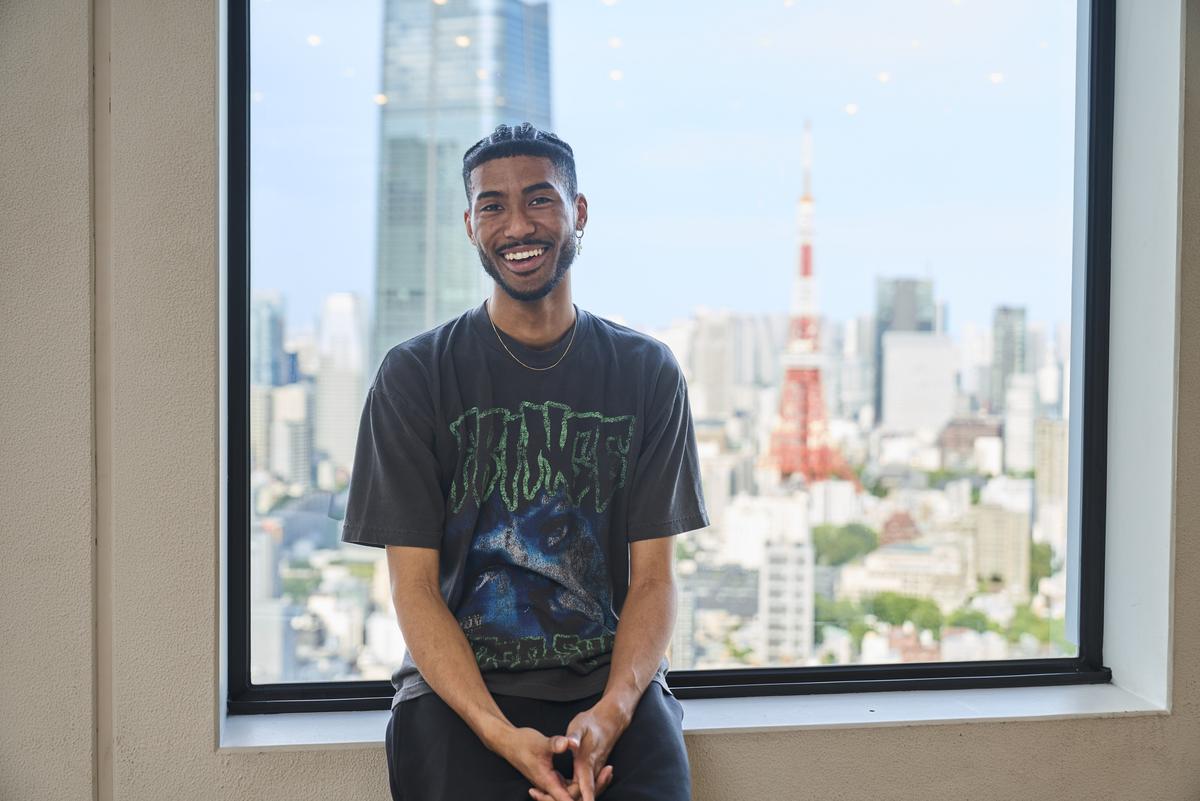
Takeu, who was born and raised in Sapporo, first set his sights on becoming a filmmaker. After graduating from high school, he moved to Los Angeles on his own to study film production, gaining hands-on experience as an assistant on set. He later launched a freelance career, but in 2020, the COVID-19 pandemic forced him to return to Japan as work opportunities dwindled. Back in Japan, Takeu continued producing music videos and promotional films while exploring new avenues for his career.
"At the time, podcasts were booming in the US. When I returned to Japan, I realized that no one was seriously producing video podcasts yet. It seemed like a great opportunity to put my filmmaking skills to good use," Takeu recalls.
In May 2022, Takeu and his younger brother, Ngounou K. Takeu, launched GOLDNRUSH PODCAST. Their debut episode featured a rapper from their hometown of Sapporo and garnered 1.5 million views on TikTok. The response convinced Takeu of the potential for video podcasting in Japan.
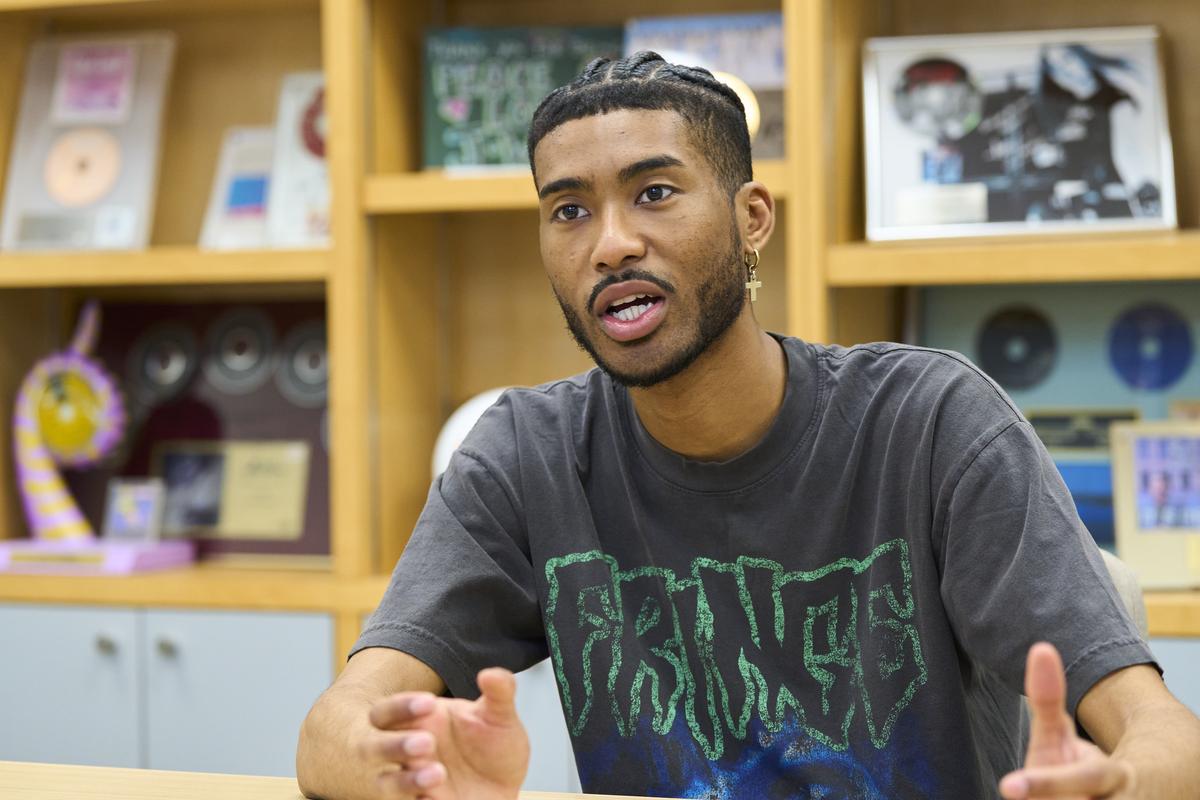
Initially, he split his time between Sapporo and Tokyo, recording episodes in both cities and traveling back and forth while continuing his work in each location. Even after living in Los Angeles, Takeu felt something special about Tokyo.
"Los Angeles was so unfamiliar to me that, in a way, I wasn't afraid of anything. Tokyo, on the other hand, felt intimidating precisely because it's the center of Japan," he recalls.
After spending about two months in Tokyo, Takeu found that everything about the city—the people he met, its fast pace, and the scale of opportunities available there—helped drive his growth. In 2023, he officially made Tokyo his base in order to expand those possibilities even further.
Showcasing Tokyo's Club Scene Through TOKYO BEATS FOUNDATION
Takeu and SAKURA host J-WAVE's program TOKYO BEATS FOUNDATION, which features DJs, dancers, rappers, and other artists active in Tokyo's club scene. Through these conversations, the show showcases the appeal of Japan's night culture. Inspired by the passion of the program's producer, Takeu decided to take the plunge into a new world. "This is someone I'd love to work with," he recalls thinking.
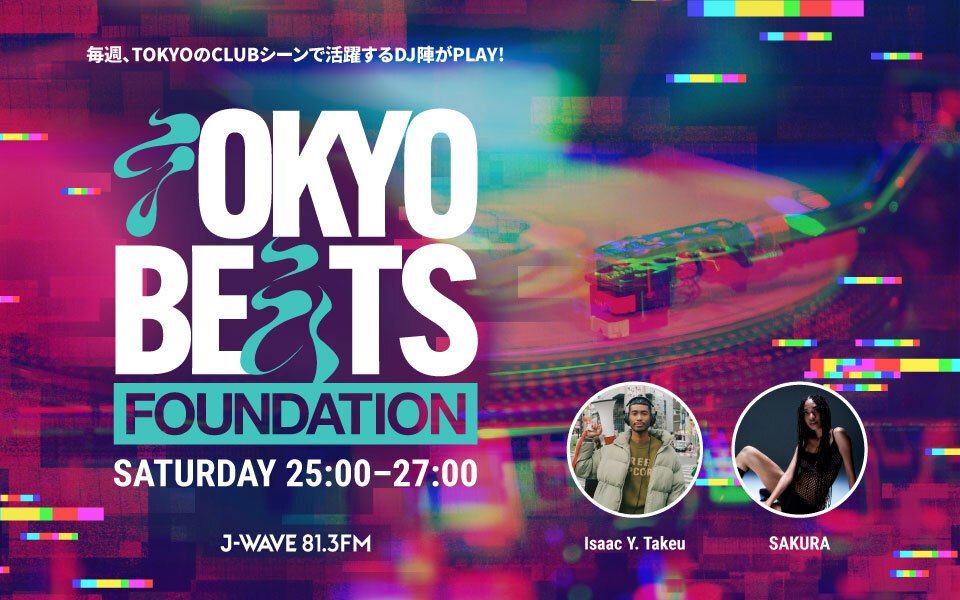
The show does not just spotlight notable artists and tracks—it also makes a point of sharing the messages behind the music and the meaning of the lyrics. By diving deeper into hip-hop and music culture, the show has become a platform for Takeu to share his insights and engage with listeners.
Tokyo's Nightlife: A City that Never Sleeps
Having experienced club scenes in places such as Los Angeles, London, Cologne, South Africa, and Senegal, Takeu sees Tokyo's nightlife as something unique.
He notes that clubs overseas typically close around 2 a.m., whereas some venues in Tokyo stay open until 5 a.m. He also points to the city's compact geography: neighborhoods such as Shinjuku, Shibuya, and Roppongi are close enough together that people can easily experience different styles of music throughout the night. For international visitors, he believes, that is one of Tokyo's greatest attractions.
Each area in Tokyo has its own distinct character: Shibuya is known for its youthful energy and hip-hop scene, Shinjuku for techno and four-on-the-floor music, and Roppongi for its upscale atmosphere and large international crowd. For Takeu, one of Tokyo's defining features is the way these vastly different nightlife scenes coexist within such a compact area.
Takeu observes a distinct difference in how people enjoy nightclubs: "At clubs in LA, everyone sings and dances. In Tokyo, it's more about going to listen to the music." He notes that in Tokyo's clubs, it is common for people to quietly sway to the music or enjoy a drink at a leisurely pace—something that may be unique to Japanese club culture.
The Power of Hip-Hop as a Cultural Movement
Takeu grew up exposed to a wide range of musical genres thanks to the influence of his parents. His interest in hip-hop was sparked in high school, when he and fellow members of his school's English club performed the rap verses from Jay-Z and Alicia Keys' Empire State of Mind at a school festival.
When Takeu moved to Los Angeles in 2016, streaming had become the dominant force in the music industry, and a new generation of hip-hop culture was taking shape. Melodic styles, exemplified by artists like Post Malone, were gaining mainstream acceptance, while indie artists were emerging one after another.
Takeu explains, "The power of hip-hop lies not only in the music itself, but in the culture of marginalized people who have built a place for themselves through self-expression. That's what draws me to it."
Takeu pays close attention to today's Japanese hip-hop scene, pointing to the success of young artists around age 20 and the emergence of distinct regional styles. He speaks highly of uniquely Japanese forms of rap that draw on the sound and rhythm of the language, as well as beats incorporating traditional Japanese instruments, describing them as "incredibly cool" to international audiences.
Openness and a Multicultural Perspective Shaped by Two Cultures
The theme of GOLDNRUSH PODCAST is "dialogue with people from multicultural backgrounds." Takeu welcomes guests whose roots span multiple cultures and encourages open conversations about their upbringing, life experiences, and personal struggles. Since its launch in 2022, the podcast has attracted more than 500,000 followers across YouTube and other platforms. Recently, the show generated significant buzz when Utada Hikaru appeared as a guest. The concept stems from Takeu's own experience growing up with a Cameroonian father and a Japanese mother.
Growing up between two cultures led Takeu to question conventional assumptions about what is considered "normal." Rather than viewing differences negatively, he says, he has learned to accept that different perspectives and ways of thinking exist.
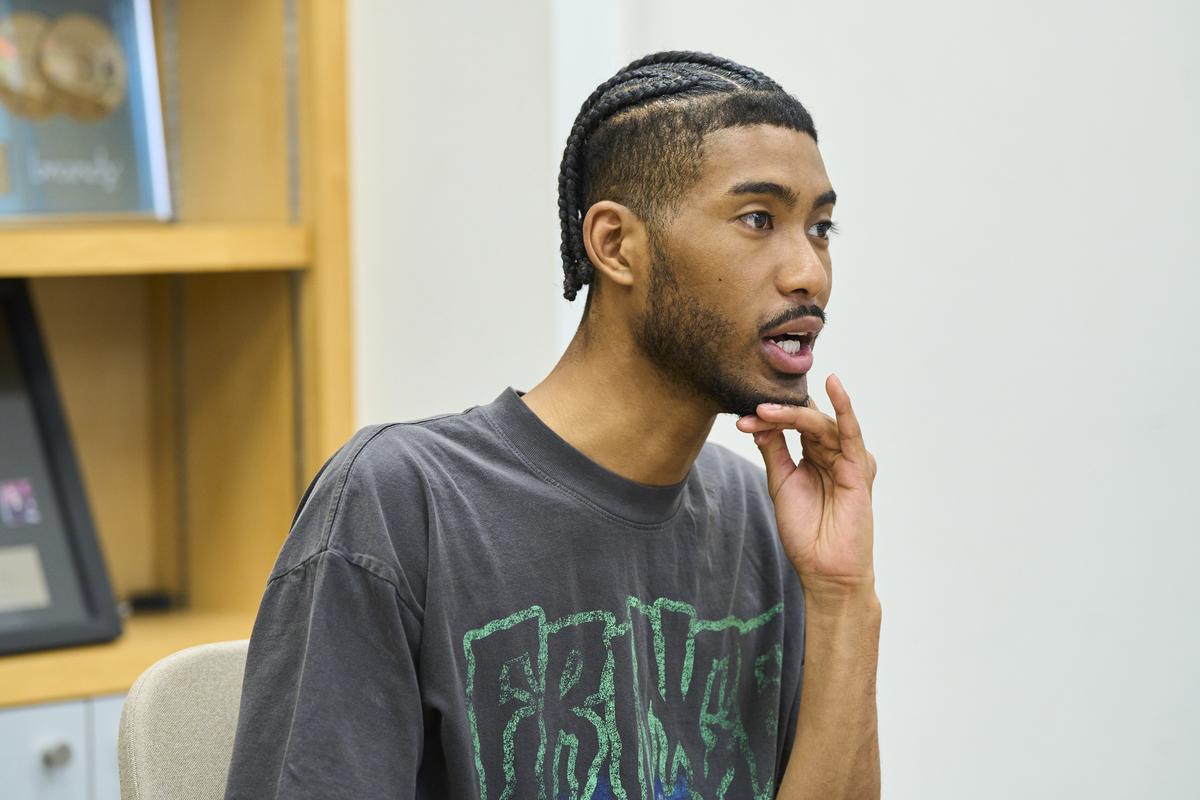
With the spread of the internet, people can now access information from around the world in real time and move freely across borders. In this era, the blending of different cultures is inevitable. Takeu feels that becoming too attached to one's own idea of what is "normal" can lead to division.
Takeu believes that it will become increasingly important to see others as individuals and try to understand who they are at their core. He hopes that his own unique identity and experiences can be of value to others, and that meaningful dialogue between people can have a positive impact on society.
He also sees Tokyo as an ideal city for fostering multicultural coexistence. He notes that people from all over the world come to Tokyo, and that Japan's unique culture encourages mutual learning and respect. "Tokyo is a microcosm of the world's diversity, and perhaps some of the answers to multicultural coexistence can be found here," he says, expressing his belief in the city's potential.
Following Your Own Path Can Shape Culture
From studying abroad in Los Angeles and building a successful podcast to establishing himself in Tokyo and hosting a regular program on J-WAVE, Takeu has seized opportunities at every major turning point in his journey. For young people charting their own path, he has this advice:
"There is no single right answer, so you have to make your own choices the right ones. If you work hard toward the world you want to see, I believe it will naturally become culture. Trust those moments when your heart feels passionate, and be honest with yourself. That's the most important thing."
With Tokyo as his base—a city where people from around the world gather and cultures intersect—Takeu is working to create a society where people from multicultural backgrounds can thrive through music and dialogue. As a bridge between Japan and the world, he will continue sharing authentic stories.
Isaac Y. Takeu
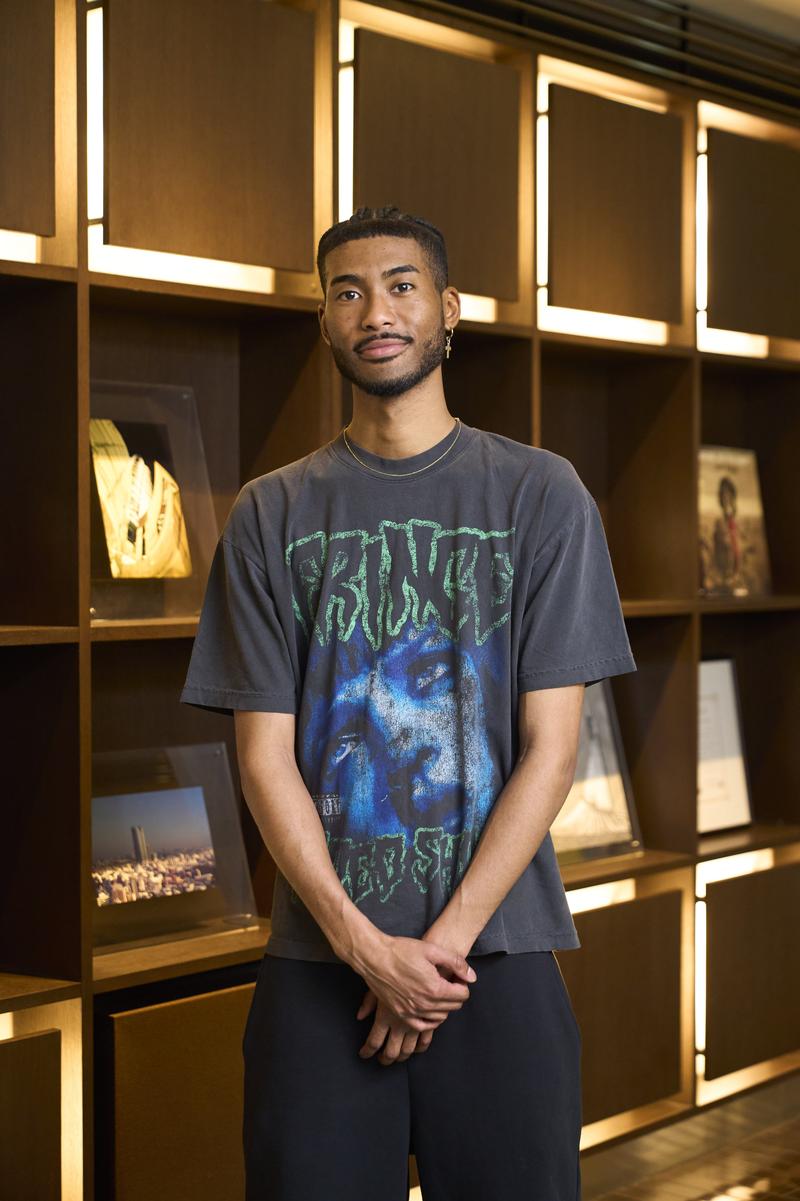
Driven by his vision of creating a society where people from multicultural backgrounds can thrive, Takeu welcomes guests from diverse cultural backgrounds to his podcast. The show has attracted attention both in Japan and abroad, and its total following across YouTube and other platforms now exceeds 500,000. In addition to hosting the podcast, he is active as an MC, model, and actor.
J-WAVE (81.3FM) TOKYO BEATS FOUNDATION
https://www.j-wave.co.jp/original/tokyobeats/Airs every Sunday from 1:00 a.m. to 3:00 a.m.