







Tokyo's Contemporary Architecture: Fleeting, Delightful Surprises


This audio is generated by AI, so pronunciation and expressions may not be fully accurate. The narration is only in English.
Expressive and Delightful
For architect and writer Naomi Pollock, architecture in Tokyo manifests an "expressive artistic outpouring."
In Tokyo, buildings exhibit a "lack of cohesiveness" compared to many North American or European cities, she says. "You never know what is going to turn up next, which is sometimes horrifying, but mostly delightful."
Born and raised in the United States, Pollock earned a Master's in Architecture at Harvard University and worked in New York before moving with her husband to Tokyo, where she earned a second Master's at the University of Tokyo while also kickstarting her writing career.
As a student in Tokyo, Pollock wanted to understand why the city's buildings looked, to her eyes, "weird." Her academic advisor Professor Hara Hiroshi, urged her to study Japanese traditional architecture to understand the contemporary, and her Master's research focused on materials used in traditional minka farmhouses. Alongside her studies, Pollock attended many open houses at new buildings, a common practice in Japan, to acquire knowledge of contemporary buildings.
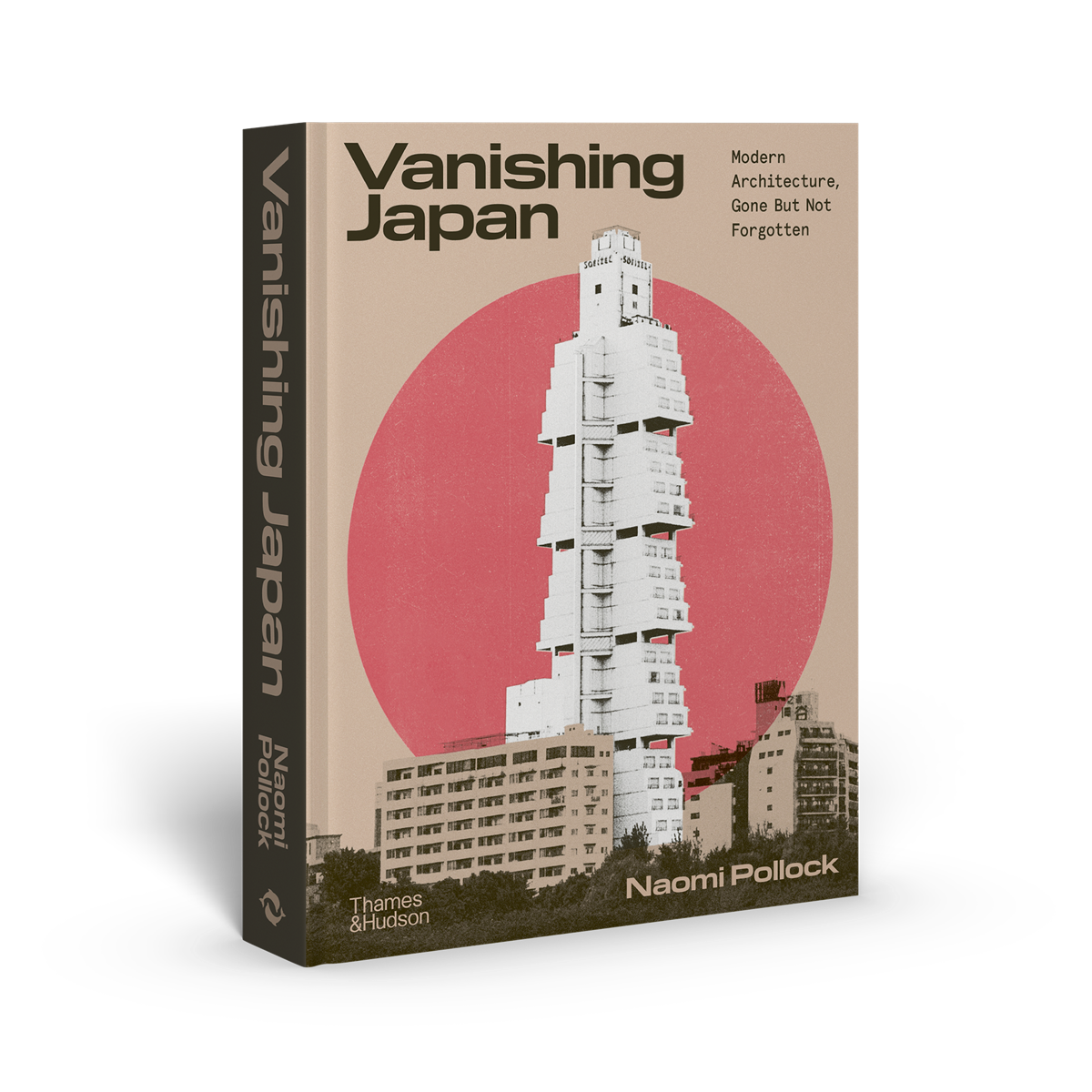
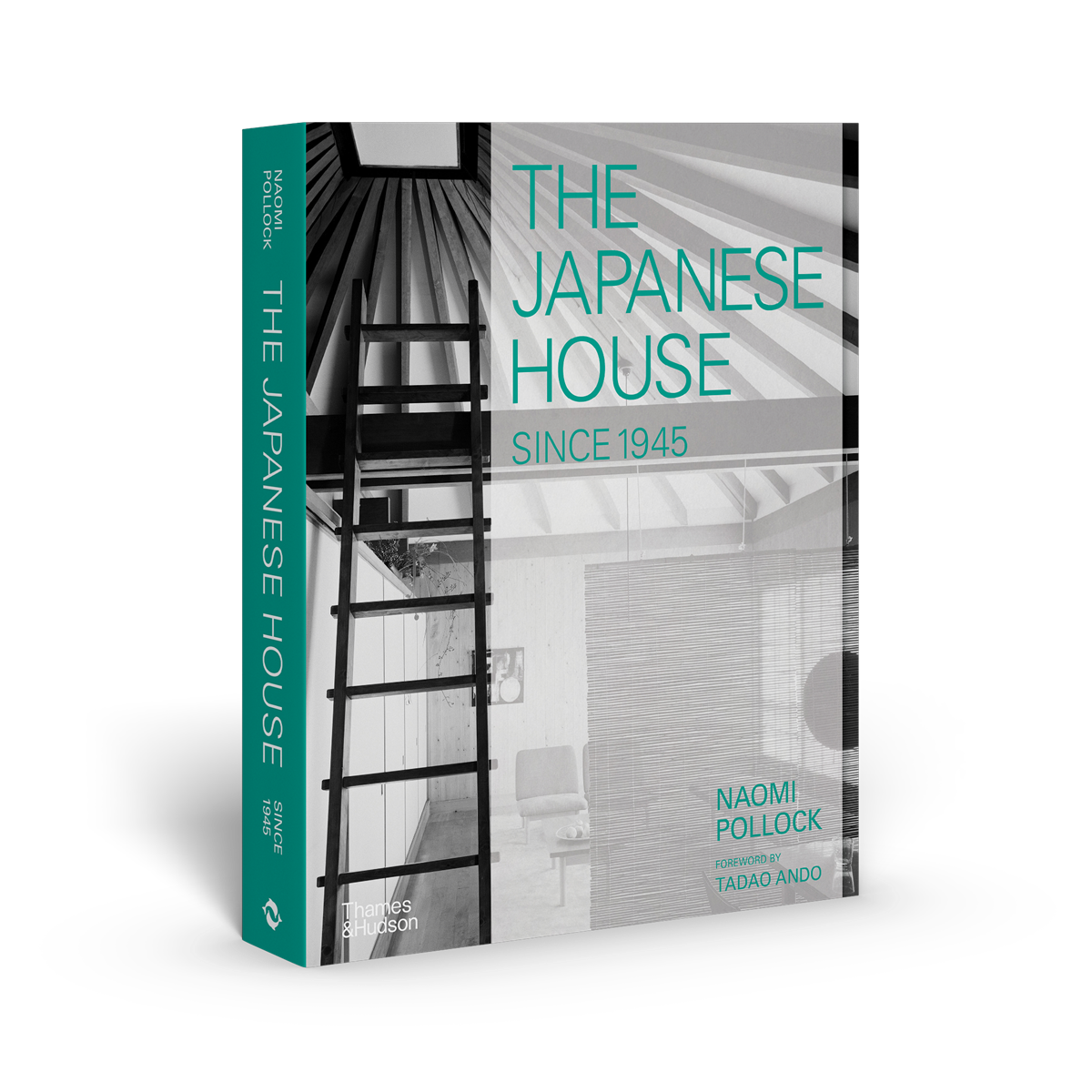
Since then, Pollock has published 10 books, on topics such as Japanese residential architecture, Japanese design, and profiles of individual architects and their works. Her 11th, titled Vanishing Japan: Modern Architecture, Gone But Not Forgotten and scheduled for publication in September 2026, with a Japanese-language version to follow in 2027, chronicles important postwar architectural works that have already been torn down.
Clues to Understanding Tokyo Architecture
Tokyo's architecture can be even better appreciated with an understanding of the regulations, traditions, and economic factors that contribute to shaping it.
For example, the abundance of angled roofs in Tokyo is due to "sunshine laws" that guarantee a certain level of sunlight at street level—"a really marvelous thing," Pollock says.
Narrow gaps between buildings—as opposed to, say, connected rows of townhouses—are similarly mandated to prevent the spread of fire and to provide enough space for rescue workers to pass through. "Visually, that creates a sort of syncopated rhythm in the city," she notes.
Another key feature of Japan's urban, residential architecture is, as Pollock puts it, the "expanded scope of the house." This phenomenon can be seen in quiet, everyday acts such as residents sweeping the street or members of a neighborhood neatly disposing of their trash. In Tokyo, where space is at a premium, "public parks are really everyone's backyard," Pollock says. "I think there is a certain point where you cannot entirely separate the architecture from the city."
The connection between inside and outside space is an element she also observes in traditional minka houses, which often feature sliding walls and verandas.
Another link between traditional and modern is the use of floor. "We think of it in the West as something you put stuff on—furniture, boxes—and you step on it. Whereas in Japan it is more like a platform for activity," Pollock says, noting the custom of taking off one's shoes to enter a home.
Alongside tradition, there is always room for attitudes to change and grow. Pollock says she hopes that repurposing, retrofitting, and restoring older buildings will become more common in Japan, where "scrap and build" is often the norm.
Standard residential houses are often created with the expectation that they will be replaced after 30-odd years due to various economic and social factors, and even architect-designed houses have little resale value. "The value is in the land, not in the building," she explains. "In fact, the day the building is finished, it starts depreciating immediately."
"The flip side of all that," Pollock adds, "is that when you tear buildings down and replace them, there is a certain vitality. The city constantly has new things going on, and I think that draws people in."
"Get Lost"
For those interested in seeing architectural works in Tokyo, Pollock has a number of favorites to recommend.
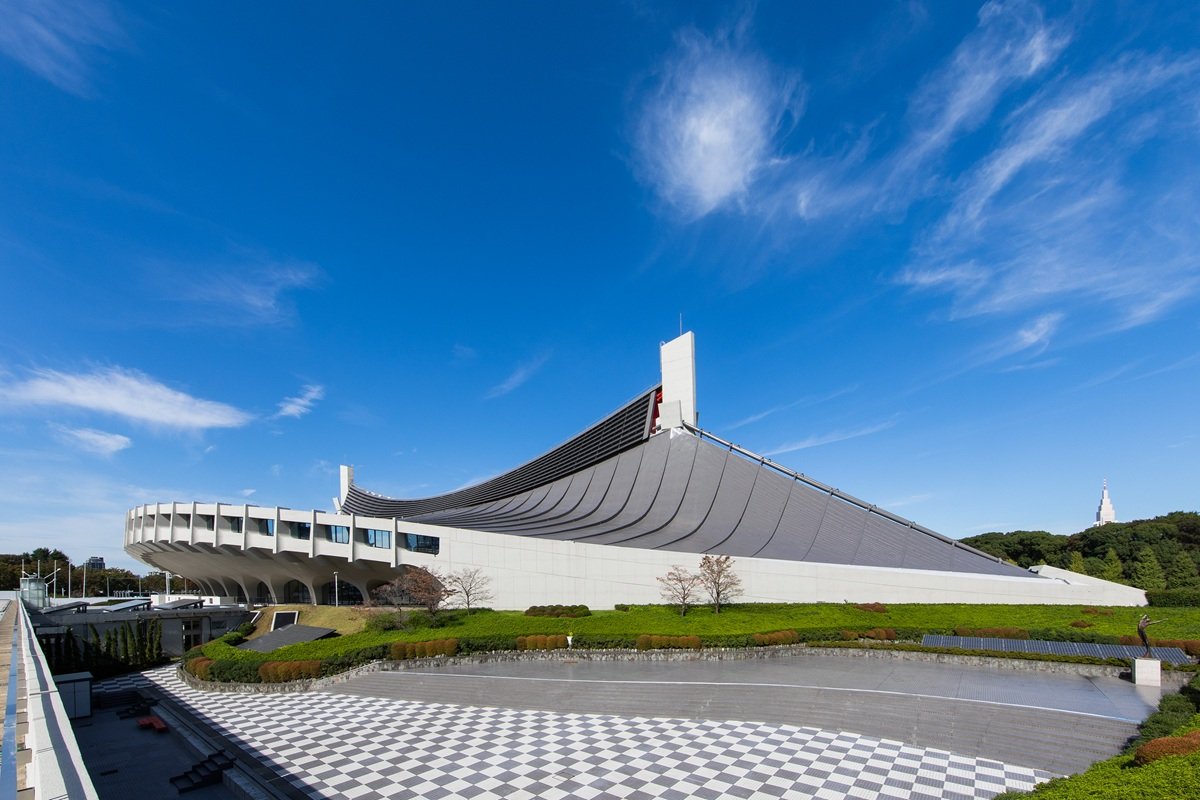
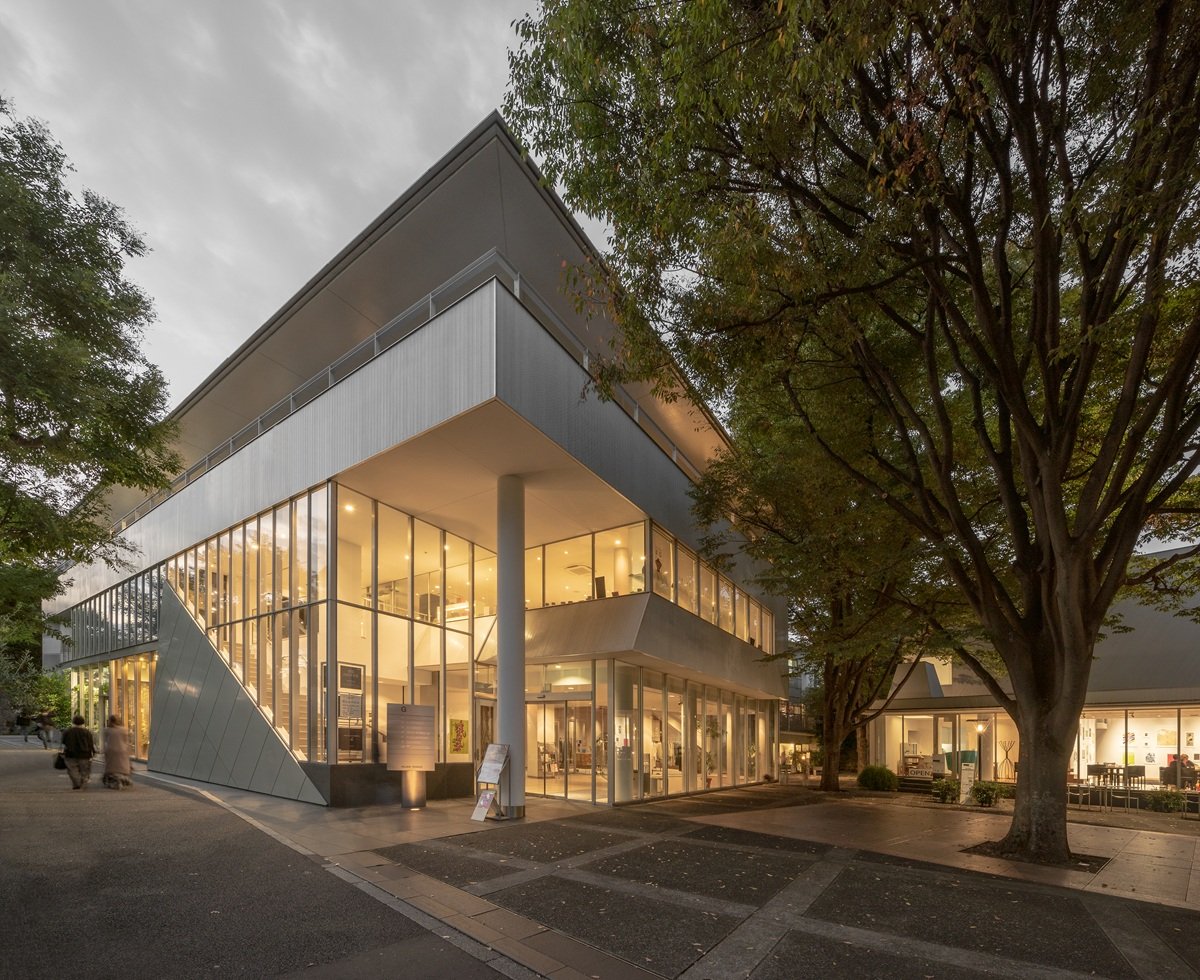
Contemporary works include Tower House by Azuma Takamitsu, which stacks five rooms on top of each other on a tiny plot of land; the National Theatre, built in the 1960s to evoke a traditional treasure hall and now undergoing redevelopment; the Hillside Terrace in Daikanyama; and Tange Kenzo's Yoyogi National Stadium and St. Mary's Cathedral, the latter of which Pollock describes as a "silver sail."
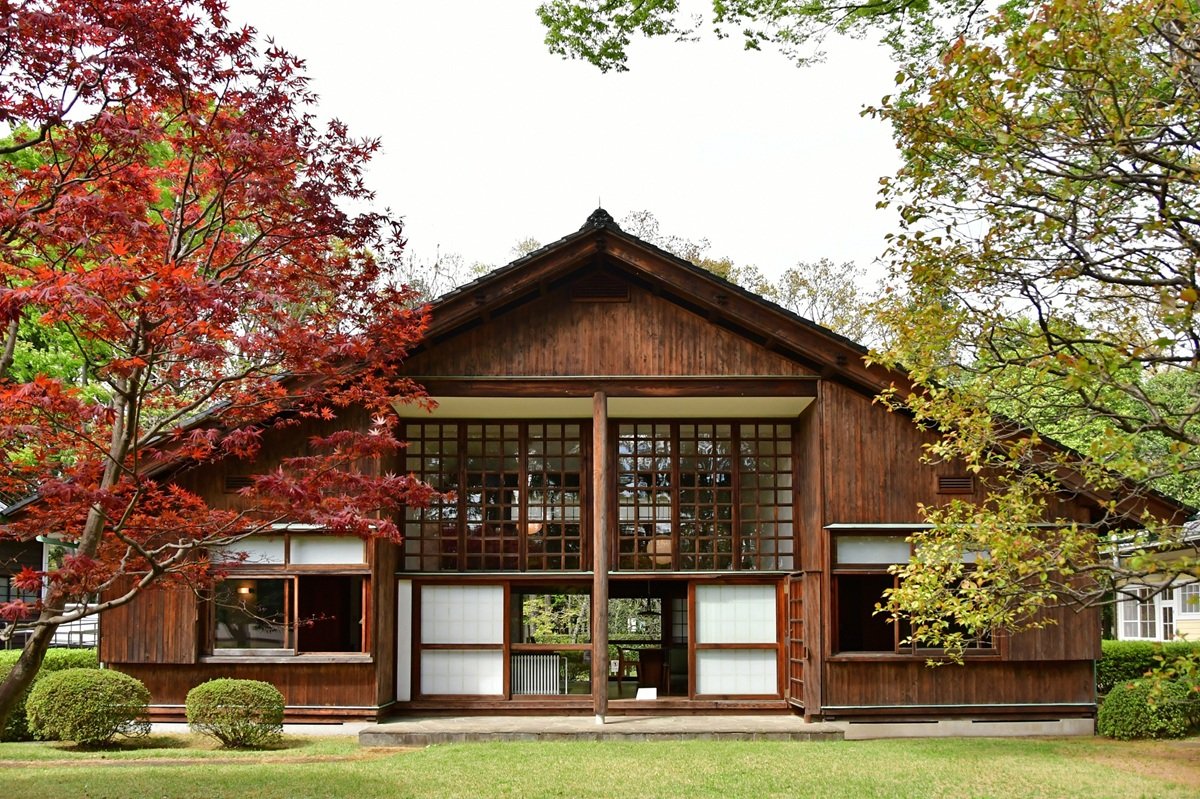
Meanwhile, examples of more traditional buildings include the Former Asakura House, the Mayekawa Kunio House now located in the Edo-Tokyo Open Air Architectural Museum, and the Open Air Folk House Museum in Kawasaki City, just outside Tokyo.
Pollock reminds visitors to Tokyo to be respectful when exploring the city's architecture, especially private houses and residential neighborhoods.
That said, neighborhoods should by no means be avoided. She encourages visitors to pick a subway or train station at random and "get lost" wandering the area. "My number one recommendation to everyone is explore the city on foot," Pollock says. "There is so much richness just at your fingertips, if you take it slow."
Naomi Pollock

Photo courtesy of Naomi Pollock