






Tokyo's Living Traditions Are Hidden in Plain Sight


This audio is generated by AI, so pronunciation and expressions may not be fully accurate. The narration is only in English.
Looking Beyond the Shopfront
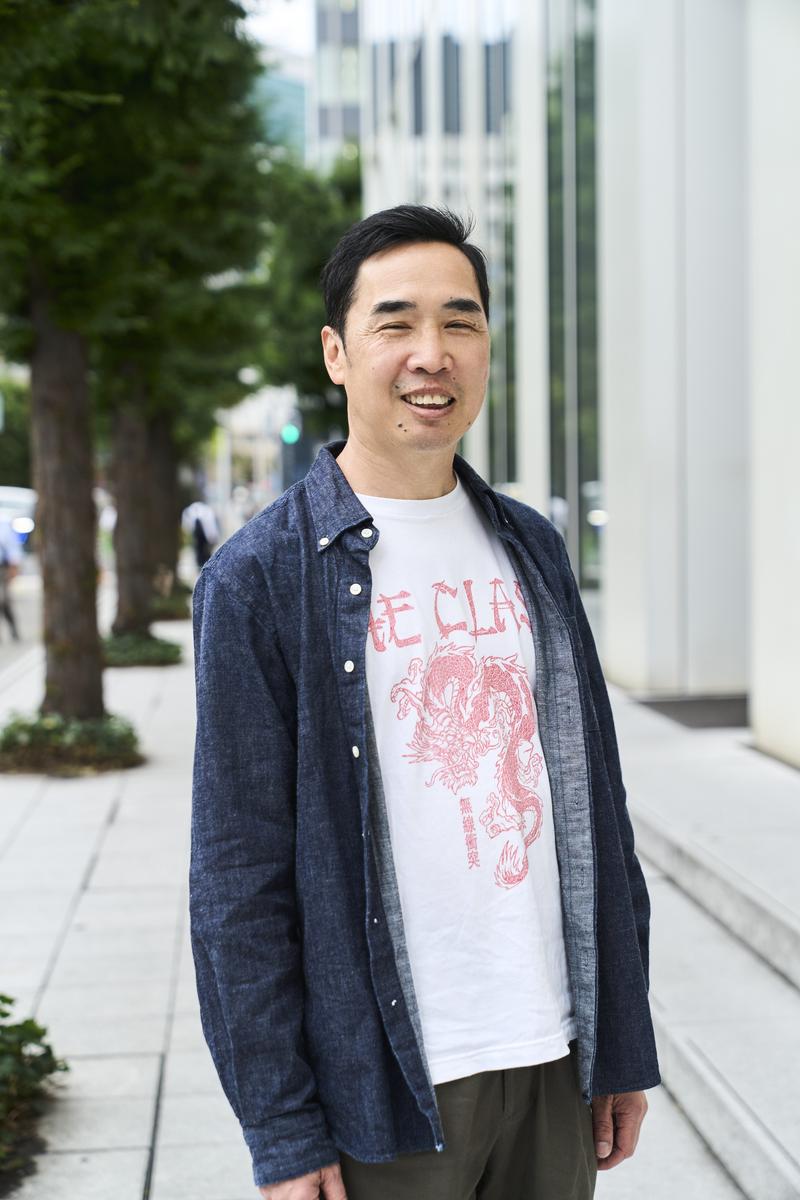
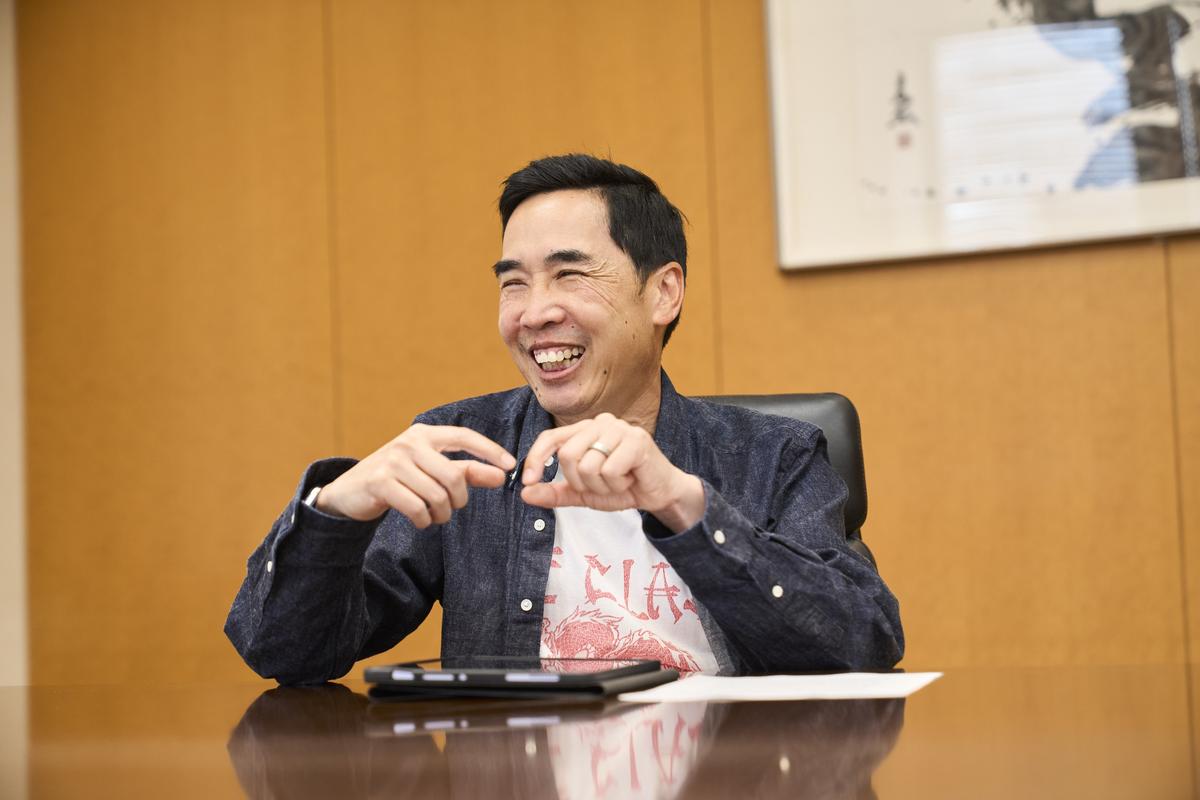
Turn off a main road in Tokyo and the city reveals a whole new side. A quiet workshop, a long-established shopfront or a festival notice pinned to a neighborhood board may reveal a side of the city that is easy to miss from a train window or taxi seat. For travel writer and photographer Fong, these discoveries are part of the capital's appeal.
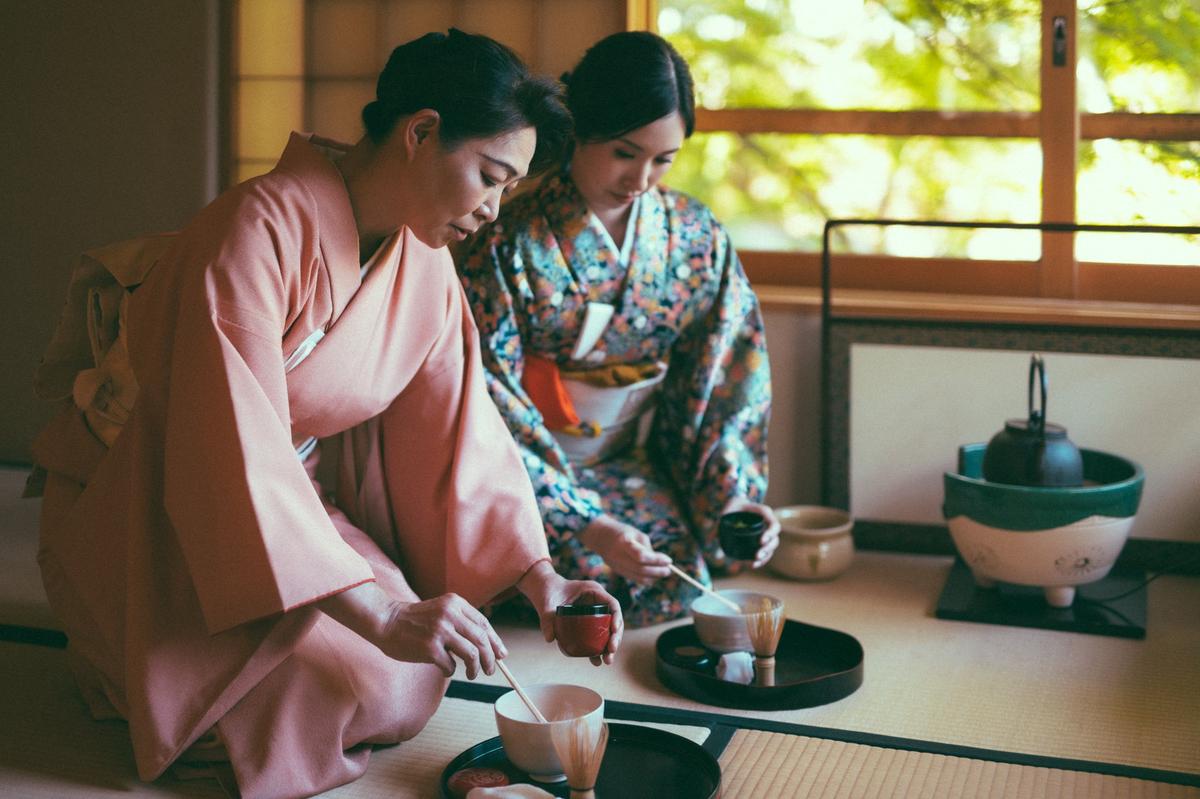
Based in the Tokyo area since 2014, Fong has explored 45 of Japan's 47 prefectures and contributed to guidebooks including Lonely Planet Tokyo and DK Eyewitness Top 10 Tokyo. His work often focuses on Japanese culture, kimono, tea ceremony and places that rarely appear on standard itineraries.
"When you're traveling to Kyoto or Kanazawa, the traditional places, shops and restaurants there are pretty obvious because they have the infrastructure and the architecture that matches your expectations," he says. "But in Tokyo, because major parts of the city were destroyed in the last hundred years by natural disasters and war, sometimes you just can't really identify what is old and what is new."
In Nihonbashi, Fong recalls an uchiwa fan maker with a history of over 400 years and deep connections to ukiyo-e woodblock printing in the Edo period (1603-1868). To an average passerby, it might simply look like a beautiful modern shop. "The average tourist can't tell that this is a 400-year-old company," he says. "Finding these types of places is tricky. But they are there."
For Fong, discovering them is part of the pleasure. "I kind of find it is like a treasure hunt," he says.
The City at Walking Speed
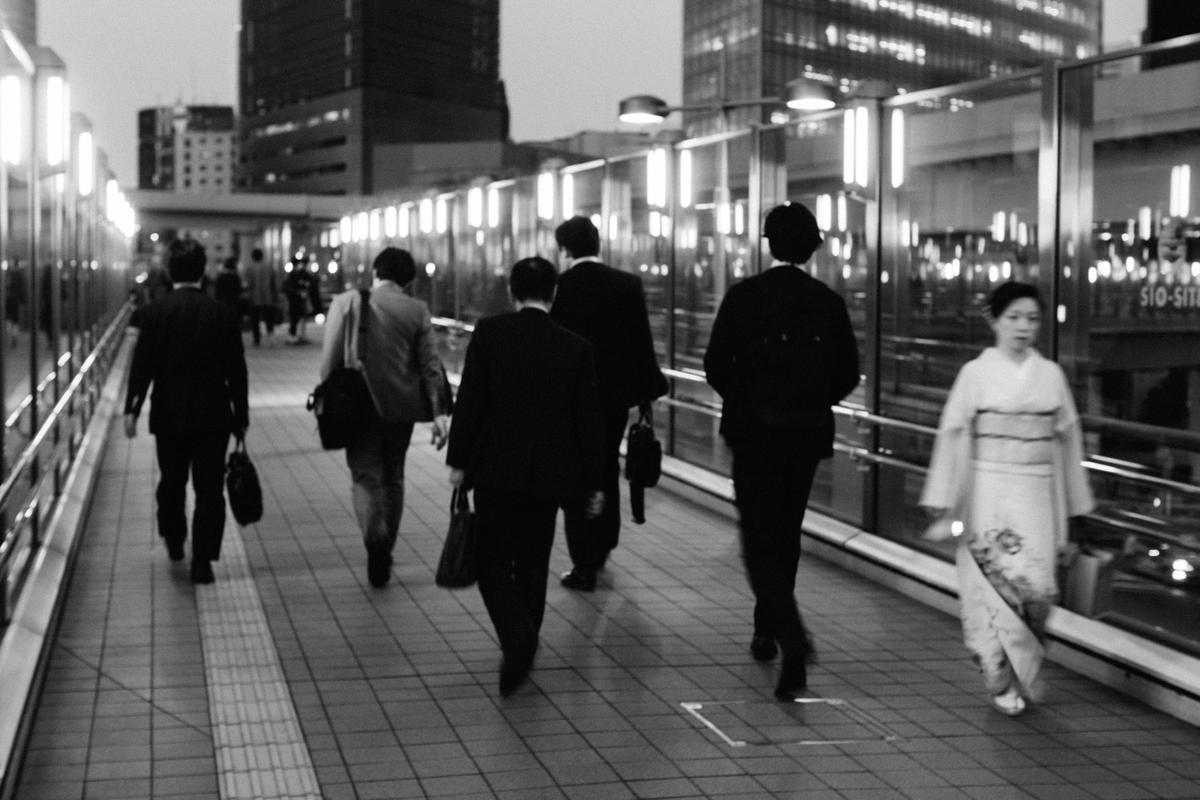
The key, he argues, is to slow down. Tokyo's rail network makes the city astonishingly convenient, but choosing a route with room for discovery can change how visitors experience the city. Travelers disappear into stations and reappear at famous destinations, missing everything in between. "I'm a big advocate of just walking around," Fong says. "You're in the subway, you're underground, you see nothing. You're like a mole. You go in one hole and then you pop up somewhere else."
Walking allows visitors to read the city at a different scale, where small signs, open doorways and local notices can reveal stories that would otherwise pass unnoticed. It also makes room for chance conversations.
In Kuramae, Fong once wandered into a tiny washi paper workshop run by an artisan who makes paper from old omikuji fortune slips collected from Asakusa Shrine. After the shrine purified the papers through prayer, she shredded and remade them into new washi. Look closely, and fragments of the original fortunes were visible in the finished paper.
"Washi making is not a Tokyo-specific craft," he says. "But this particular artisan was making a washi that was unique to Tokyo."
Festivals as Community Infrastructure
Seasonal events and neighborhood festivals offer another way to experience that "living Tokyo." Fong has long encouraged local governments and destination marketing organizations to publicize these events more clearly in multiple languages, not because they need to be remade for visitors, but because they are already happening. "These events are going to happen whether or not there are tourists," he says. "There's nothing they need to do other than publicize them well in multiple languages so that people are aware."
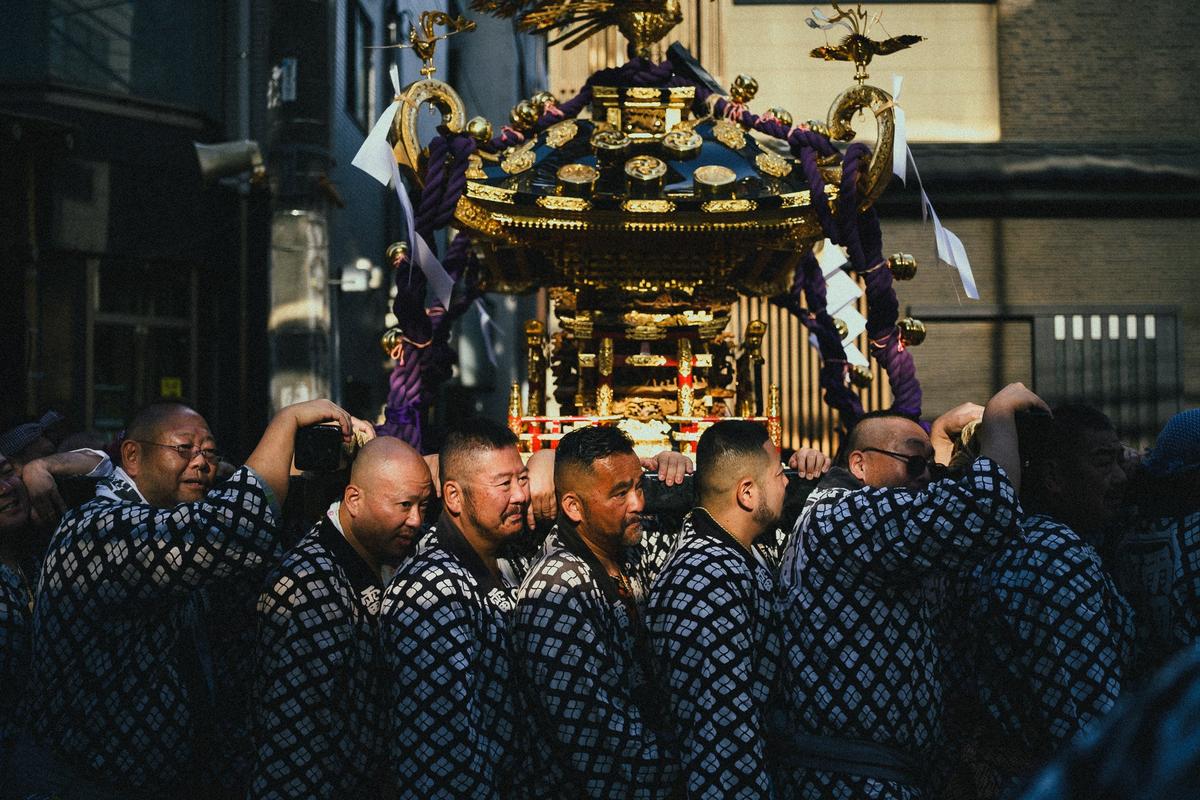
One example is Sanja Matsuri, the annual festival of Asakusa Shrine and one of Tokyo's major traditional festivals. Fong attended two of its three days this year and was struck by how many visitors seemed to have encountered it by chance.
For Fong, the most powerful part of Sanja Matsuri was not only the spectacle of mikoshi, or portable shrines, being carried through the streets. It was the neighborhood structure behind it. The mikoshi are heavy, and carrying them for hours requires many people to rotate in and out. "You see the whole neighborhood come out," he says. "To them, it's an honor to be able to help carry this heavy shrine around."
In a metropolis of millions, that matters. "Maintaining community is no simple task," Fong says. "These traditional events and festivals are one way that Tokyo can remain cohesive."
A Lower Threshold for Participation
For visitors, the desire to participate can be strong, but the threshold often feels high. Fong believes the main barrier is not a lack of willingness. It is a lack of accessible information.
He gives the example of Bon Odori or Awa Odori festivals, where visitors may be welcome to join but hesitate because they do not know the dance or the rules. A simple video with multilingual subtitles showing the basic steps could make a difference, as could clearer signs and invitations that remove the fear of doing something wrong. "Organizers shouldn't overthink the problem," he says. "Japanese people really go out of their way to interact and engage with overseas visitors, especially at events."
Etiquette still matters, but Fong does not believe visitors need specialist knowledge. Much of it, he says, comes down to respect: do not interrupt performances, do not touch objects on display, and be aware that cultural norms may differ from those at home. He also stresses that patience is needed on both sides, since most mistakes come from unfamiliarity rather than disrespect.
What Makes an Experience Feel Real
As interest in cultural experiences grows, Fong is careful to distinguish meaningful encounters from activities that simply look good in photos. The difference, he says, is whether the experience has a tangible relationship to a real tradition and leaves the participant with a deeper understanding of Japan. "I need to come out of these experiences with a bit more knowledge about Japan or a bit more appreciation of Japanese culture than when I went in," he says.
Tokyo has many such possibilities, from small workshops and long-established shops to crafts such as Edo kiriko, the cut-glass tradition that developed in Edo (as Tokyo was formerly known) in the 19th century and continues today. But Fong is wary of high-throughput "cultural" activities that strip away the qualities that give a tradition meaning.
Tradition, Change and the Future
Fong is cautious about changing traditions too quickly. One of their strengths, he says, is the sense that people long ago took part in them in a similar way. "It gives us that connection across a span of time," he says.
Yet he also recognizes that some traditions must adapt in order to survive. Edomae sushi, for example, is rooted in Tokyo's history and its relationship with Tokyo Bay, but climate change and shifts in seafood availability are changing what chefs can source.
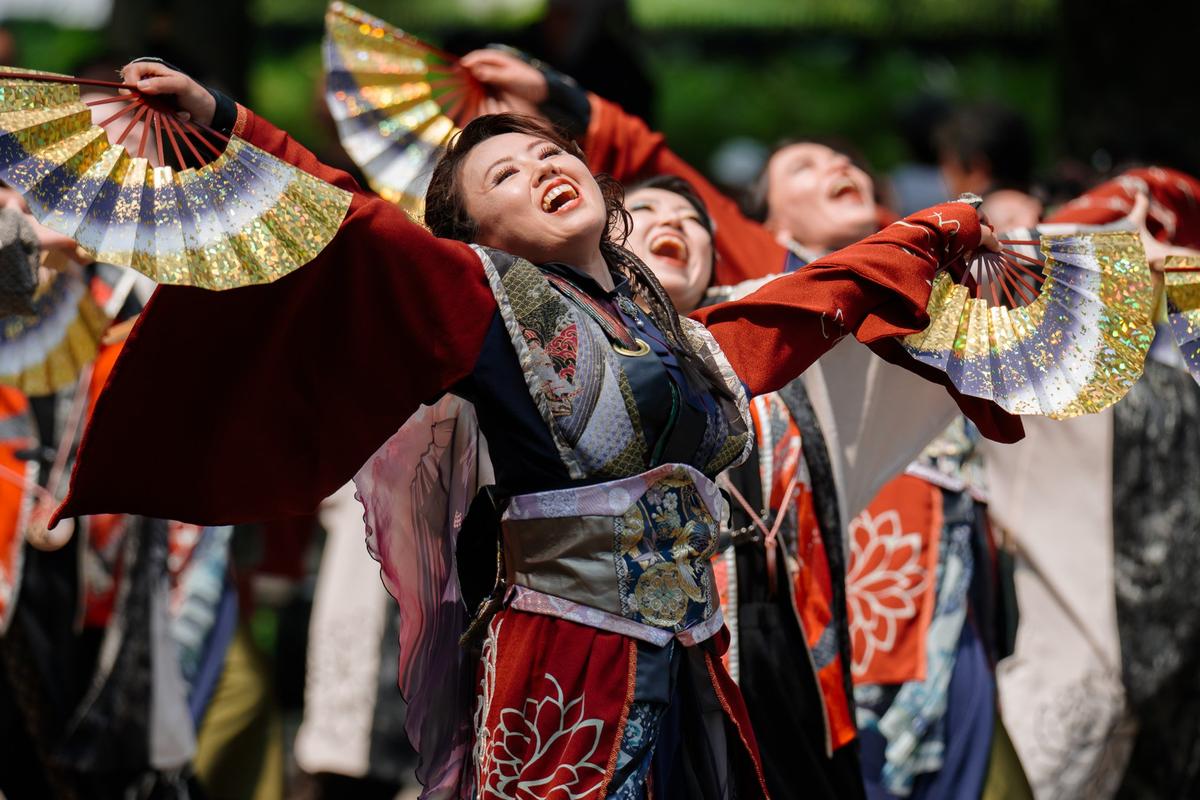
Adaptation does not only mean preserving older forms. It can also mean allowing new traditions to take root. Fong points to the Harajuku Omotesando Super Yosakoi Festival in Harajuku, a Tokyo event celebrating the high-energy dance style originating in Kochi Prefecture. Compared with Bon Odori or Awa Odori it is a relatively young tradition, but one that has already drawn large numbers of dancers and spectators to one of Tokyo's central districts. To him, it shows that Tokyo's cultural future does not have to be limited to inheritance alone. "This is Tokyo, right?" he says. "Anything is possible in Tokyo."
For travel professionals and visitors alike, his message is to resist complacency. If travel is shaped only by social media trends and familiar best-of lists, the smaller businesses and individuals sustaining Tokyo's cultural depth may go unnoticed. "If they disappear, then the richness and the multifaceted, eclectic Tokyo that we know today is going to disappear with it," he says.
The alternative is a more attentive kind of travel: slower, more curious and more willing to look beyond the obvious. In Tokyo, the old city is still there—inside a modern building, in a side street workshop, or on the shoulders of neighbors carrying a mikoshi through Asakusa.
Todd Fong