







From Bank of Japan Assistant Governor to Entrepreneur: A Vision for Women Engineers


This audio is generated by AI, so pronunciation and expressions may not be fully accurate. The narration is only in English.
The Diversity of the Global Stage and Japan's Unique Strength in Flexibility
During her years at the Bank of Japan, Shimizu represented Japan at more than 100 international conferences, including G7 and G20 meetings, first as general manager for Europe and later as assistant governor responsible for international affairs. What struck her was not only the proportion of women at the table, but also the differences in the social systems that supported them.
"International conferences are incredibly diverse. People from all kinds of backgrounds come together, bringing a wide range of perspectives. Then I come back to Japan, where meetings can feel almost monochrome by comparison. The discussions are often among people who went to the same schools, joined the same companies, and have spent 30 years immersed in the same culture. The breadth of the conversation, the way ideas develop, and especially the ability to generate truly innovative discussions are completely different," Shimizu says.
Yet Shimizu is far from critical of Japan. Instead, she believes that the flexibility deeply rooted in Japanese society—whether in its willingness to adopt and improve on ideas and practices from other countries or its commitment to meeting customers' needs—is one of the country's greatest strengths and a key driver of its growth. The question, she says, is how to unlock that potential. As Japan looks to the future, doing so will become increasingly important to sustaining economic growth.
Beyond Women's Advancement: Unlocking Everyone's Potential
Although Japan is often said to have too few women in management and leadership positions, Shimizu argues that the challenges surrounding diversity extend across multiple layers. The first is Japan's cultural tendency toward monoculturalism. The second is a social system that has failed to reinvent itself in the more than 40 years since Japan emerged as an advanced economy following its period of rapid economic growth. And the third is the debate over diversity itself, including the advancement of women.
Shimizu puts it this way: "The world has moved beyond the point where diversity can be discussed simply in terms of 'women's advancement.' When discussing diversity in Japan, we first need to identify which layer of the challenge we're actually dealing with."
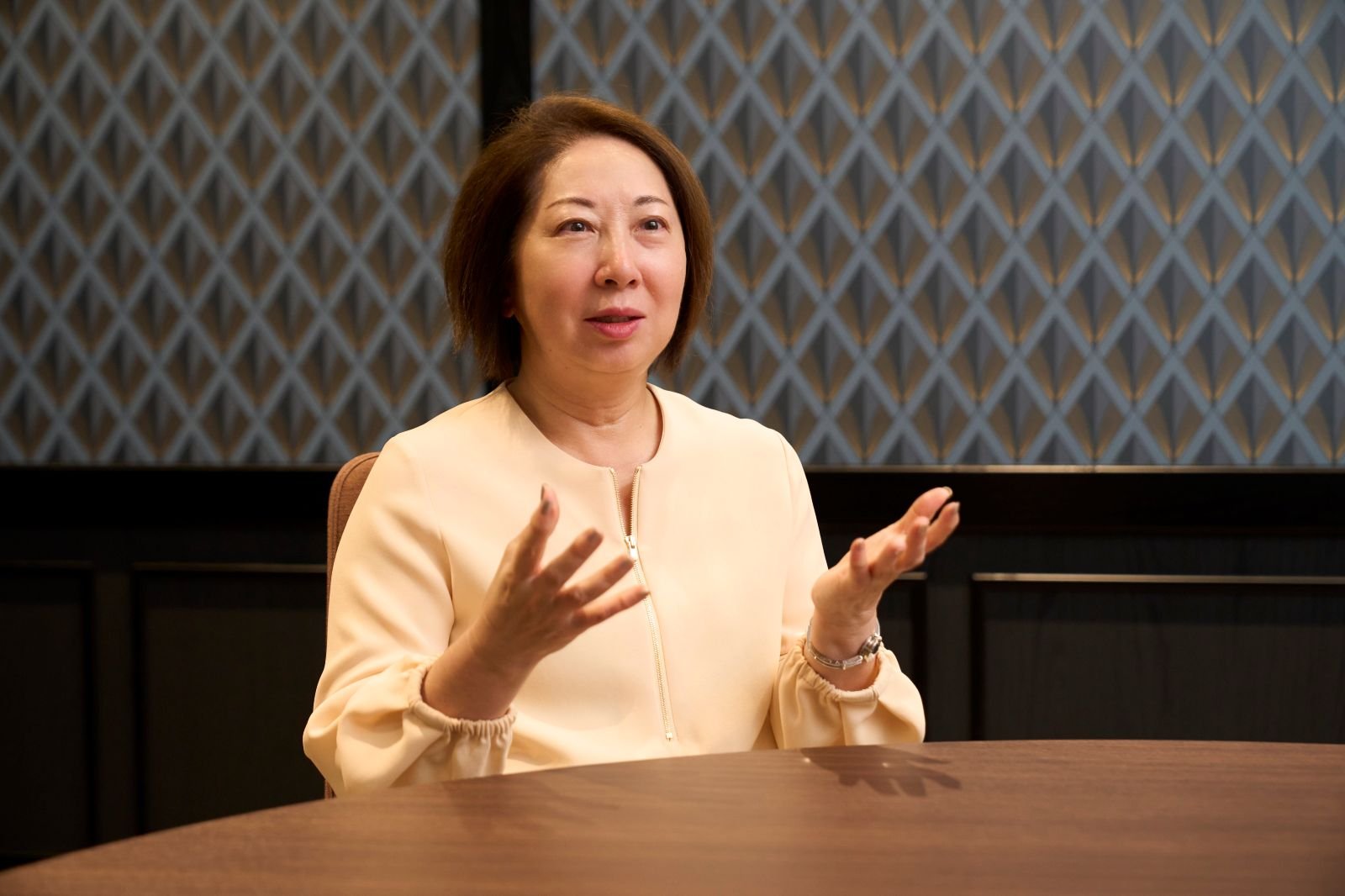
According to Shimizu, Japan has no shortage of highly educated and talented women, yet once they reach their 40s, they become a rare presence at meetings in the business and economic sectors. She believes that enabling women to contribute their talents to society throughout their careers—increasing the earnings of middle-aged and older women in the process—could generate an economic impact comparable to doubling Japan's GDP.
Changing policies and systems alone is not enough to transform society. Shimizu believes that if the executives responsible for designing and implementing them are themselves shaped by biases, those biases must first be addressed at the individual level. That emphasis on one-on-one dialogue has been central to her approach ever since her days at the Bank of Japan.
For Shimizu, meaningful dialogue begins with understanding. "Unless you first understand the other person's situation and perspective, your message is unlikely to get across. If you want to change an organization—or society as a whole—you need the resolve to engage with each person sincerely," she says.
Inspiring Elementary and Junior High School Students to Become Women Engineers
Harnessing women's potential is essential to Japan's future growth. To help make that happen, Shimizu founded EmEco Corporation with the goal of creating an ecosystem where women can build careers as engineers and ultimately become business leaders.
One of EmEco's initiatives is Engineers' Retreat, a networking event for women engineers. The retreat-style program brings together around 40 women engineers working in corporate settings to speak candidly about their concerns and challenges. These conversations have brought shared issues to light, including the fact that many had not imagined women becoming engineers when they were children, or had been encouraged by those around them to pursue humanities or social science tracks.
Shimizu believes the root of the problem lies in visibility. "The reason there are so few women engineers is that children simply don't grow up seeing women in those roles. That's why I felt it was important to create opportunities for children to meet women engineers while they're still in elementary and junior high school, before entrance exams become part of their lives."
That vision became a reality in 2025 with the launch of Engineers meet Girls!!, a hands-on STEM event for elementary and junior high school students. Through activities such as making bath bombs, exploring the science behind paper airplanes, and operating autonomous miniature cars and robots, participants experience chemistry, physics, and programming in a fun and engaging way. Shimizu believes the opportunity for children to learn directly from women engineers at the forefront of their profession is equally valuable.
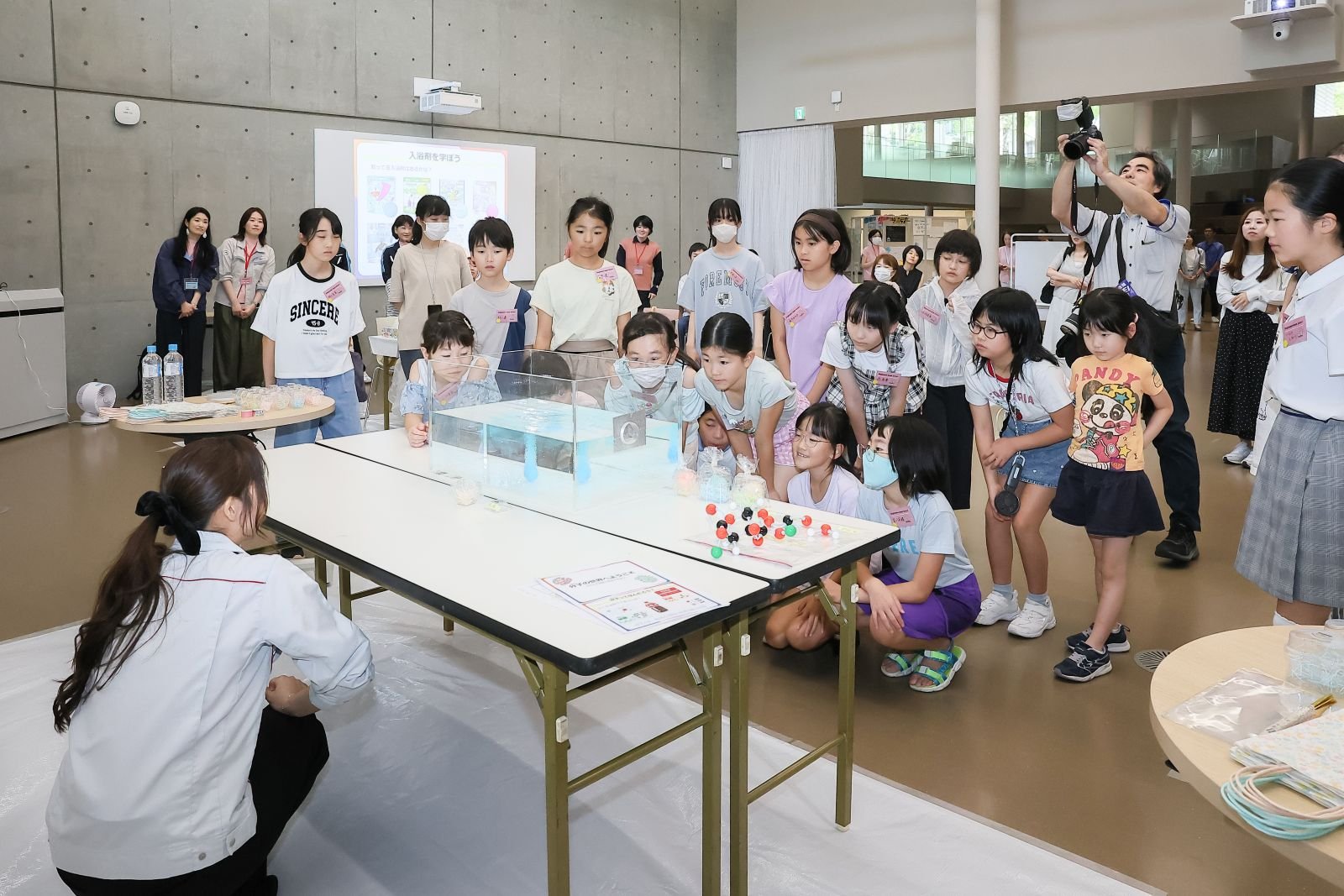
For Shimizu, the value of the program extends beyond science and engineering. "Alongside discovering the joy of making things, children come away thinking, 'The women teaching us are so cool!' I want to plant a lasting image in their minds of women engineers thriving in their careers."
According to Shimizu, a strong aspiration formed in childhood—whether "I want to do research like that" or "I want to build cars or airplanes"—can become a powerful source of motivation later in life. Even when children reach the crossroads of choosing a career or educational path, those early ambitions can provide the resolve to stay on the STEM path rather than abandon it.
The inaugural Engineers meet Girls!! event, held in 2025, brought together around 200 elementary and junior high school students, parents, and women engineers. The second event, held in July 2026, attracted more than 400 participants and featured an expanded lineup of activities, including structural engineering workshops and tours of a semiconductor manufacturing facility.
Tokyo's Ahead-of-the-Curve Approach to Growth
As chair of the Tokyo Metropolitan Council for Gender Equality, Shimizu is also involved in shaping Tokyo's policies. While recognizing the distinct roles and importance of both Tokyo and regional cities, she deliberately describes Tokyo as "the center of Japan, but not a city that represents Japan." At the same time, she sees tremendous value in Tokyo's unique strengths and potential. To strengthen Japan's economy as a whole, she argues, Tokyo's role is to implement initiatives that are well ahead of the curve, demonstrating new models for growth that can later be adopted elsewhere.
The Tokyo Metropolitan Government is also promoting women's participation in STEM (science, technology, engineering, and mathematics) through initiatives such as office tours for female junior and senior high school students. While recognizing STEM education as an essential part of the ecosystem she hopes to build for women engineers, Shimizu says she would like local governments to focus on creating a stronger educational environment. After watching children enthusiastically learn from women engineers at the event, she says, "I'd like to see more women teaching STEM subjects."
According to the Ministry of Education, Culture, Sports, Science and Technology's 2022 School Teachers Survey, women make up a larger share of junior high school teachers in subjects such as English and Japanese, while men continue to account for the majority of mathematics and science teachers nationwide. As role models in children's everyday learning environment, increasing the number of women teaching STEM subjects could also encourage more girls to pursue STEM fields themselves.
A City That Has It All—Perfectly Balanced
Born and raised in Tokyo, Shimizu now divides her time between Tokyo and Nagoya. Even so, she says she has no intention of leaving Tokyo. What makes the city so comfortable to live in, she says, is not only having a wealth of entertainment—from movies to live theater—within easy reach, but also the comfortable balance people strike between closeness and personal space.
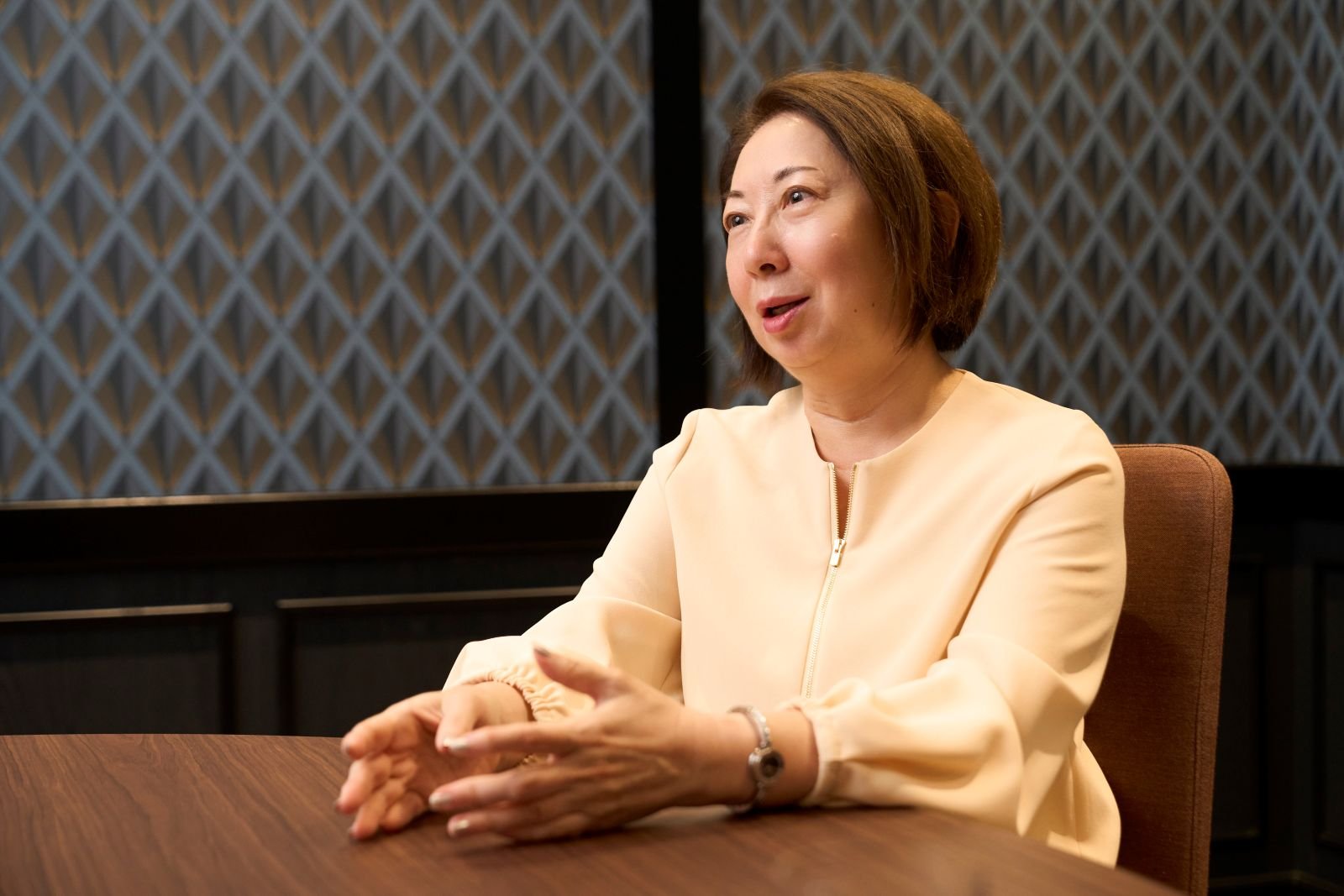
Shimizu sums up Tokyo's appeal this way: "It's a city that gives you space when you need it. You can meet up with people and enjoy yourself whenever you want, but if you'd rather be on your own, you can do that too. Having both is what makes Tokyo such a great place to live."
With its wealth of opportunities and respect for individual freedom, Tokyo is a city where women looking to advance their careers can thrive.
From Tokyo to the World: Realizing Individual Potential
At the Bank of Japan, Shimizu developed a macro-level perspective within one of the country's largest institutions. Today, as the leader of a startup, she is building an ecosystem from the ground up. What her experience in both roles has shown her is the importance of engaging seriously with each individual and turning individual innovation into broader change.
By helping children discover the world of STEM and see a future as a woman engineer as a natural possibility, the ecosystem Shimizu envisions extends far beyond the advancement of women alone. It holds the potential to transform not only Japan's capacity for growth, but ultimately the growth potential of the world as a whole.
Shimizu Tokiko
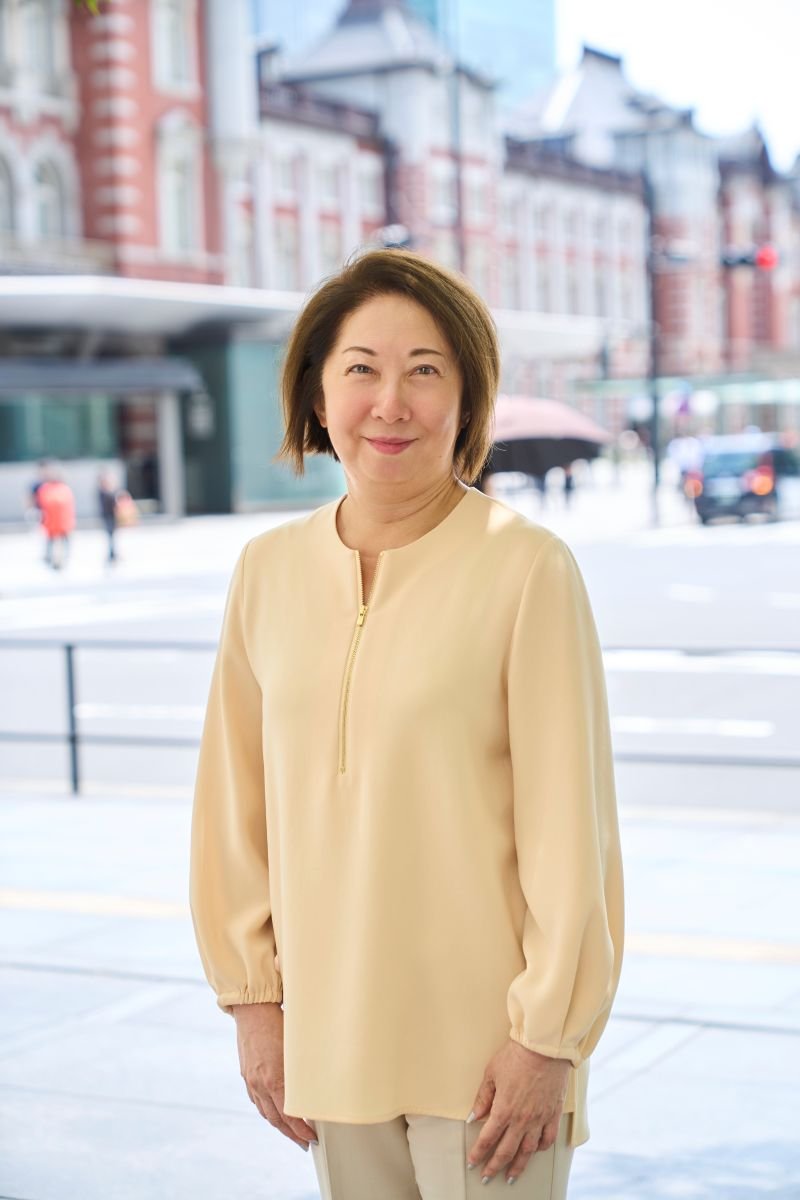
Photos by Fujishima Ryo
Translation by Luna Lys