







The 'Other Pace' of Tokyo—Summoned by a House Garden to a Hushed World


This audio is generated by AI, so pronunciation and expressions may not be fully accurate. The narration is only in English.
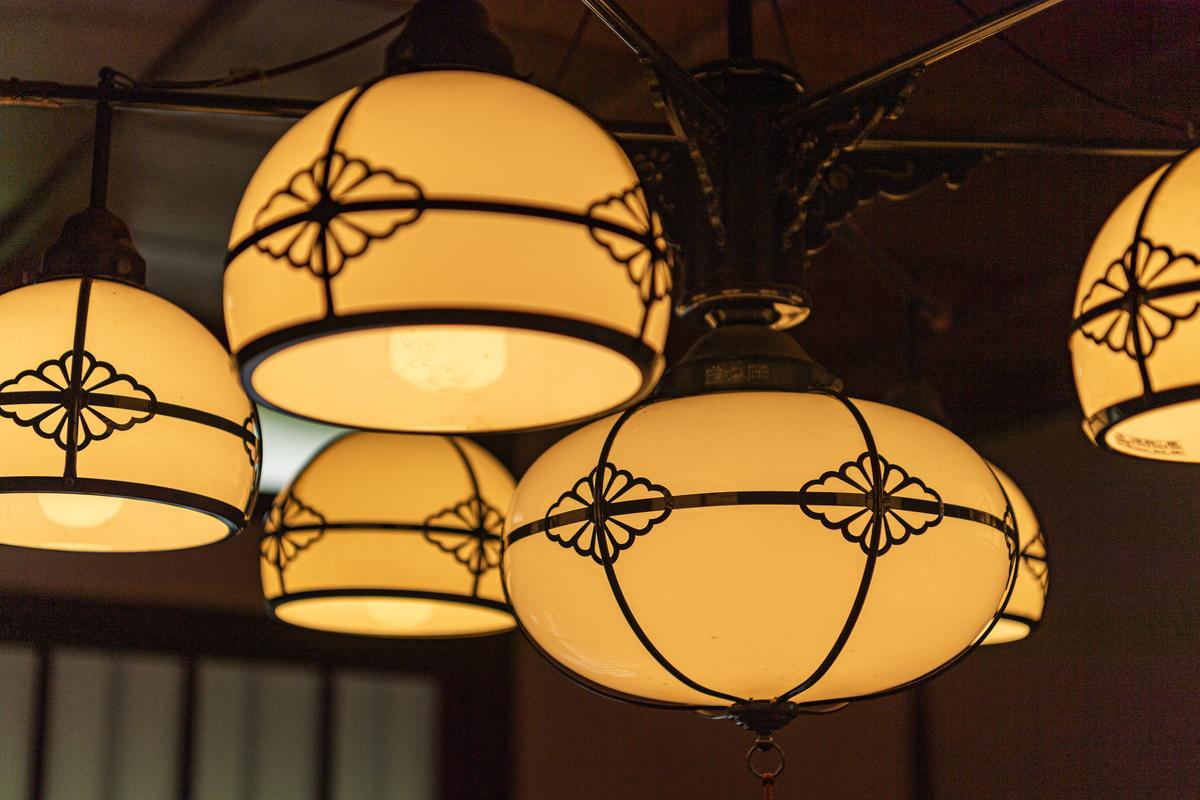
Early Showa Era Aesthetics Merging Japanese and Western Tastes
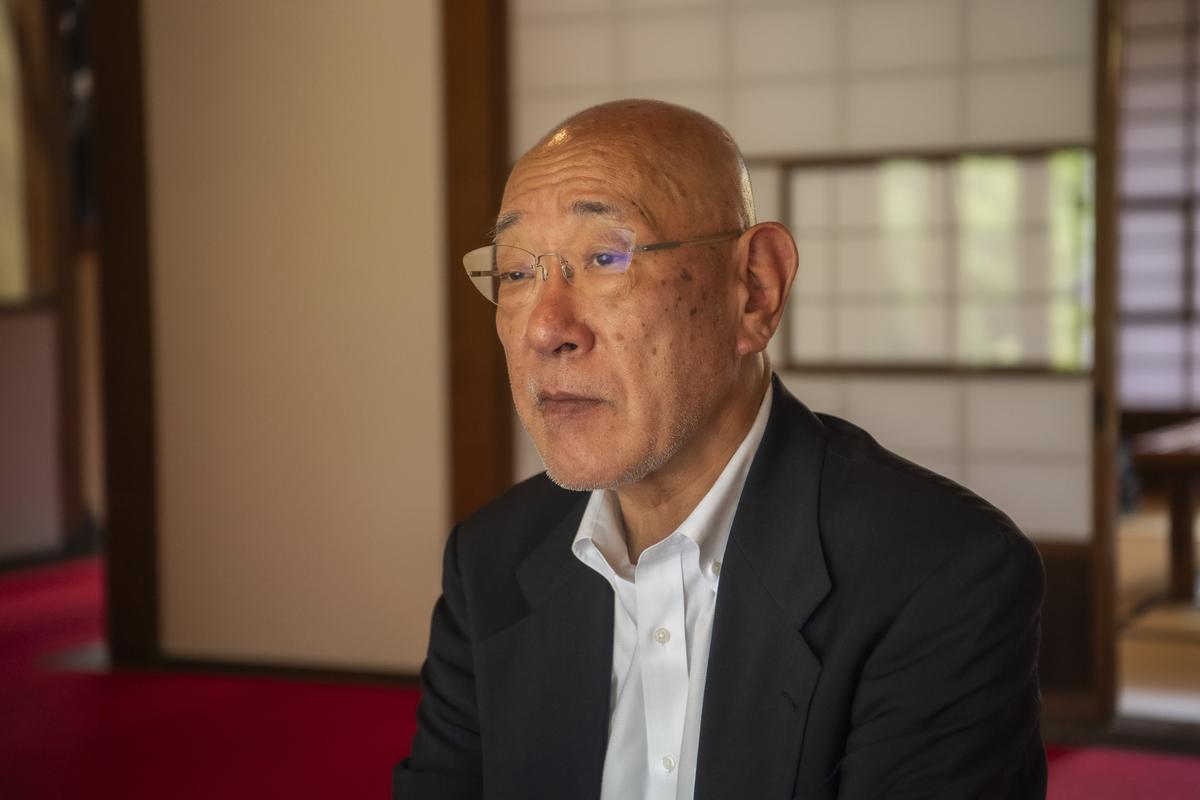
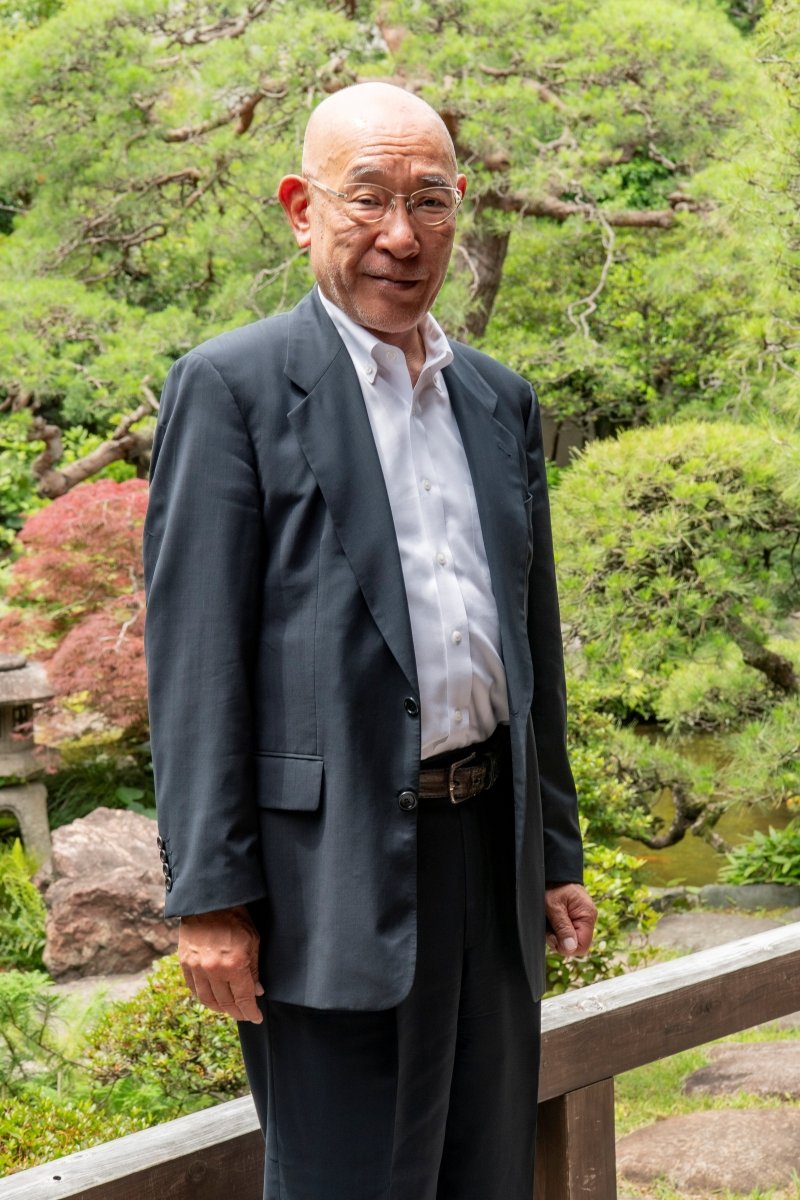
Suwa Hiroshi, Katsushika Tourist Facility Designated Administrator, arrives at Shibamata Station and walks along the approach to Shibamata Taishakuten Buddhist temple on his way to Yamamoto-tei every morning.
He describes this: "Most of the buildings around here are low, so the sky is wide. When going home, the approach is devoid of glittering neon signs and its stores are closed. The hushed mood makes me feel like I've time-traveled to a world of a different dimension."
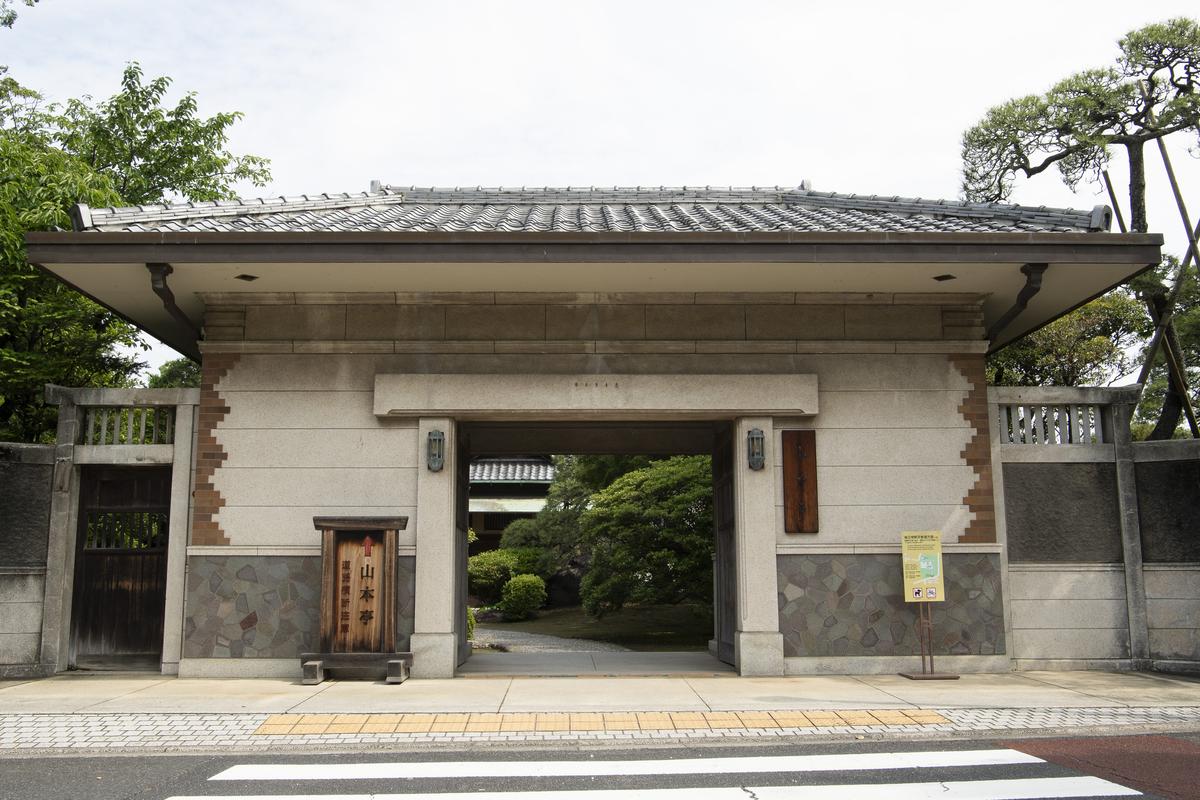
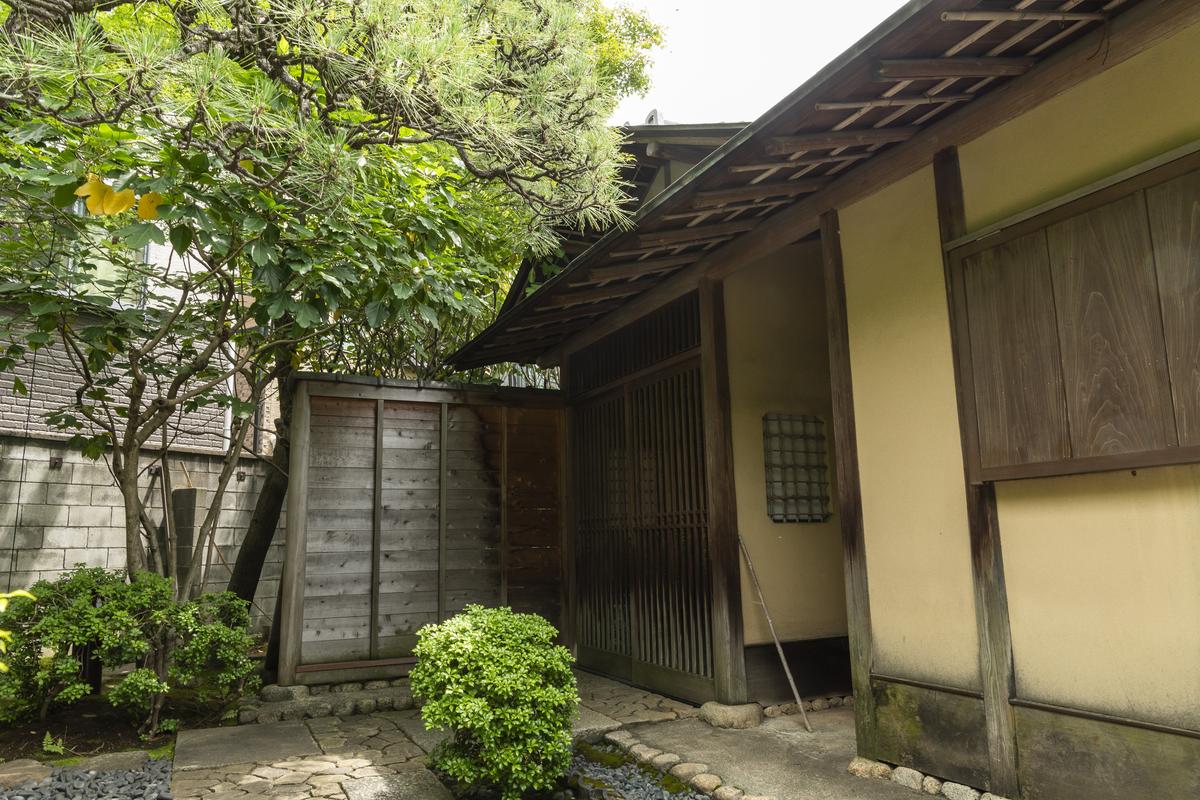
This former home of businessperson Yamamoto Einosuke features modern Japanese architecture and is believed to have been completed to its current form around 1933. Acquired by Katsushika City in 1988, it is now open to the public as "Yamamoto-tei."
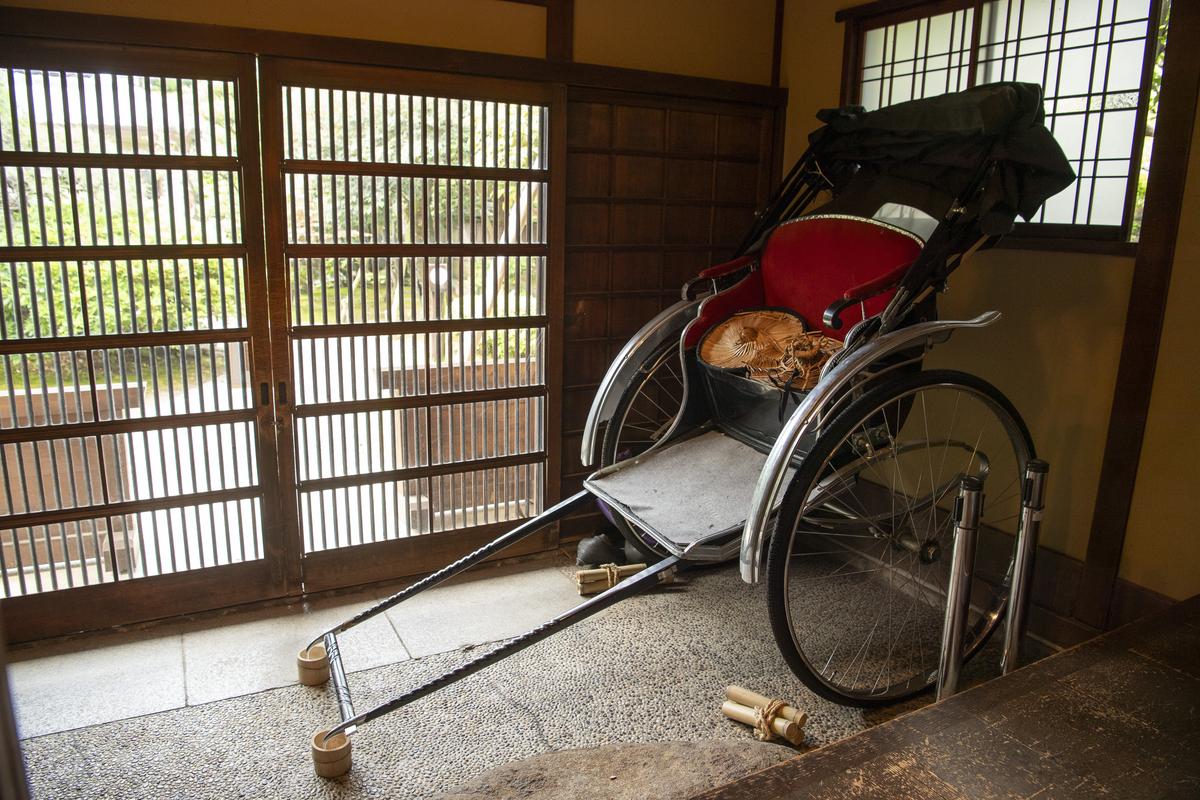
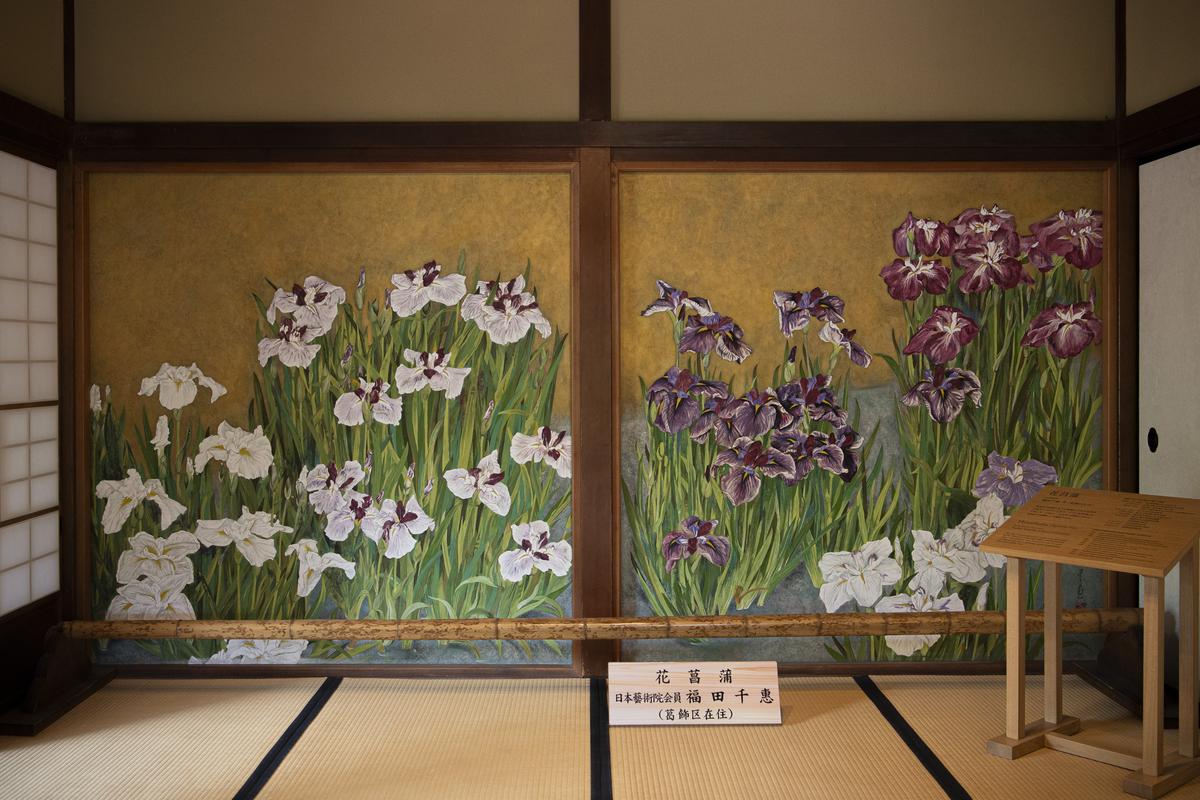
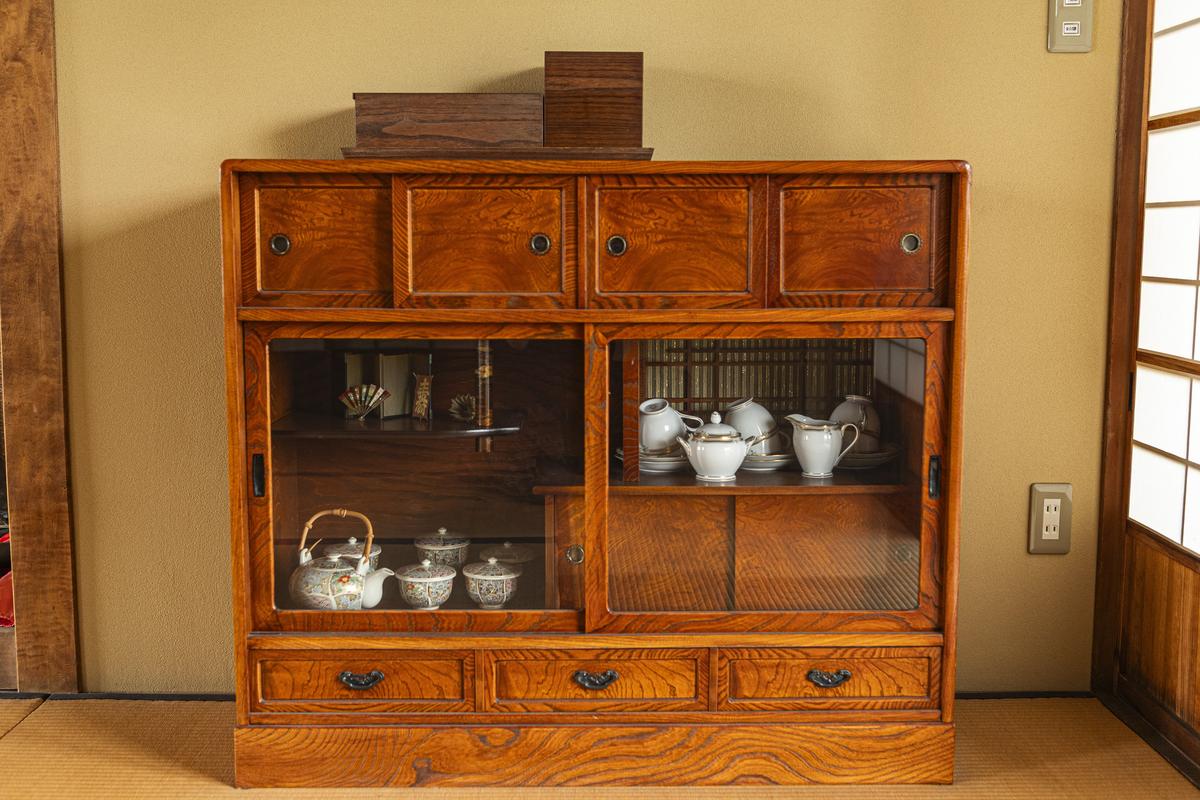
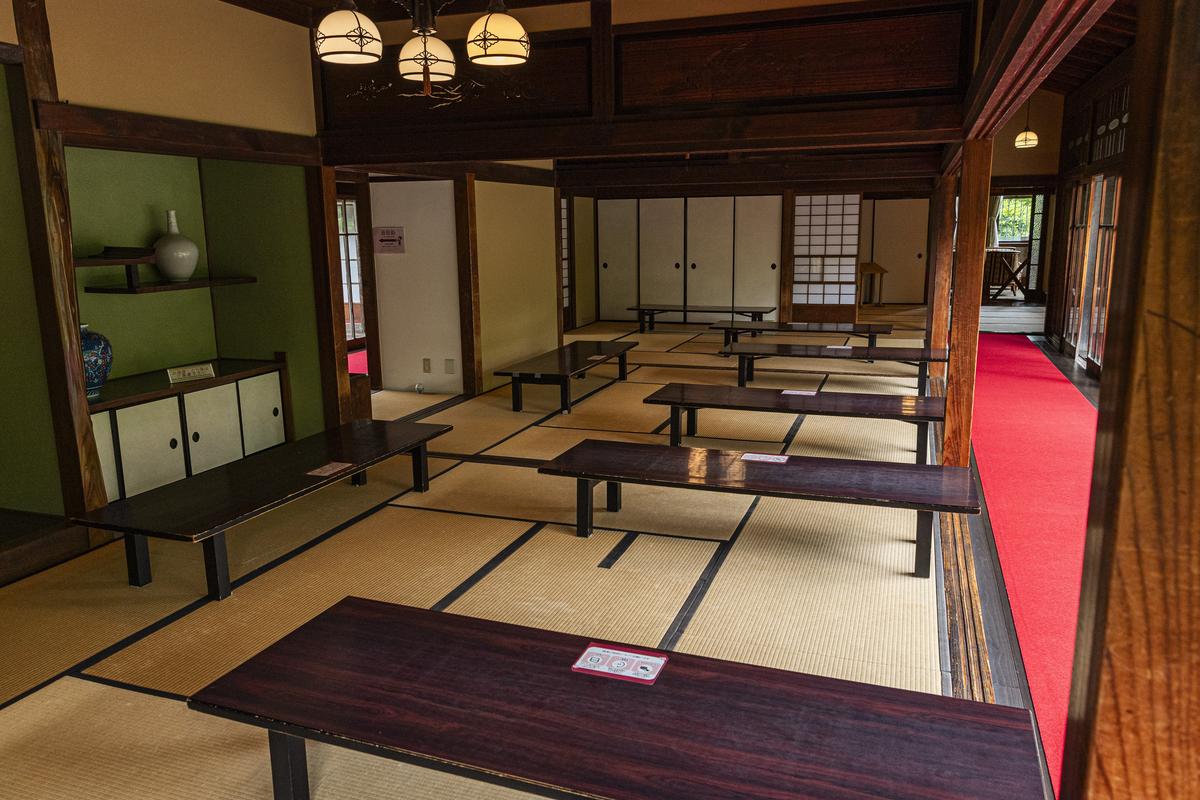
Six tatami (straw mat) rooms lie beyond the entrance. Traditional Japanese-style architecture is found everywhere in the two corner drawing rooms: tokonoma (alcoves) to display hanging scrolls and flowers; chigaidana (staggered shelves); akari shoji (partitions with Japanese paper applied to wooden frames that let in light); ranma (transoms that let in light from near the ceiling).
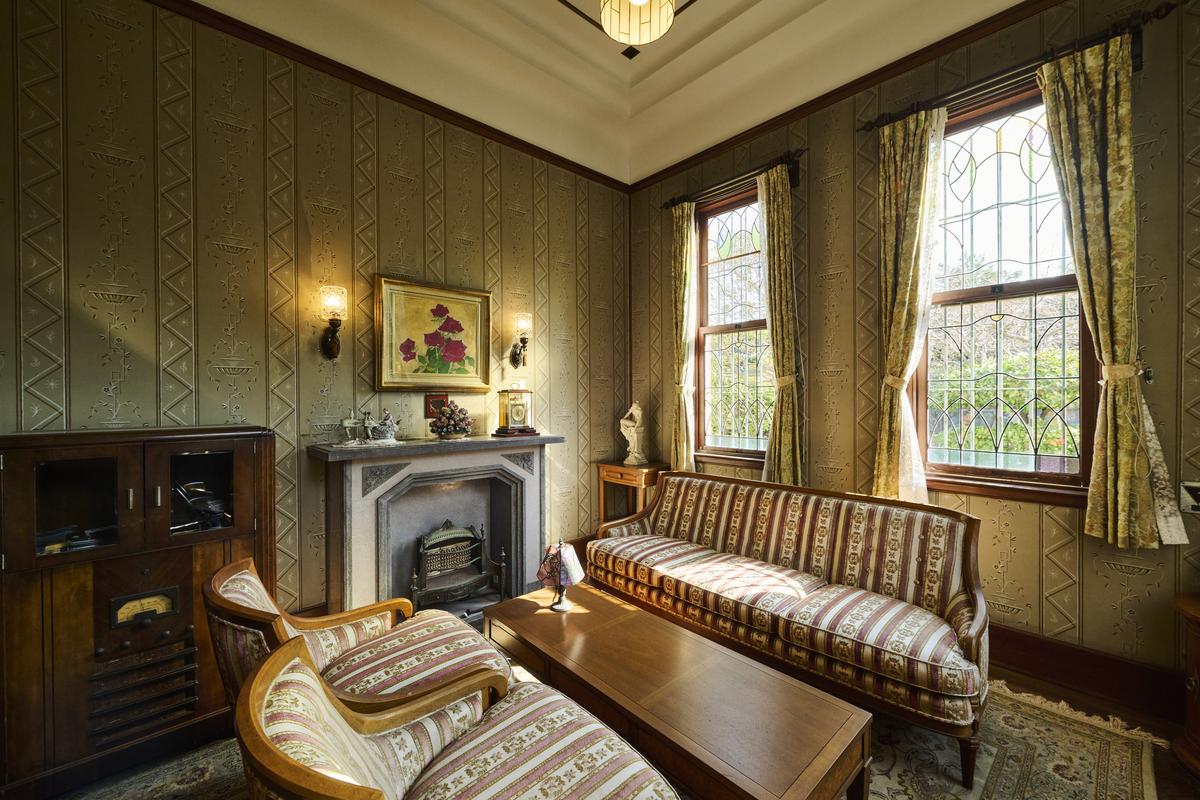
To the immediate right of the entrance room is the drawing room, the sole Western-style room of the house, with a high ceiling finished in white plaster, a mosaic parquetry floor, marble mantlepiece, and stained glass. It is said to be common for early-Showa mansions to have a Western-style room by the entrance to receive visitors.
A Garden Planned for Gazing While Seated
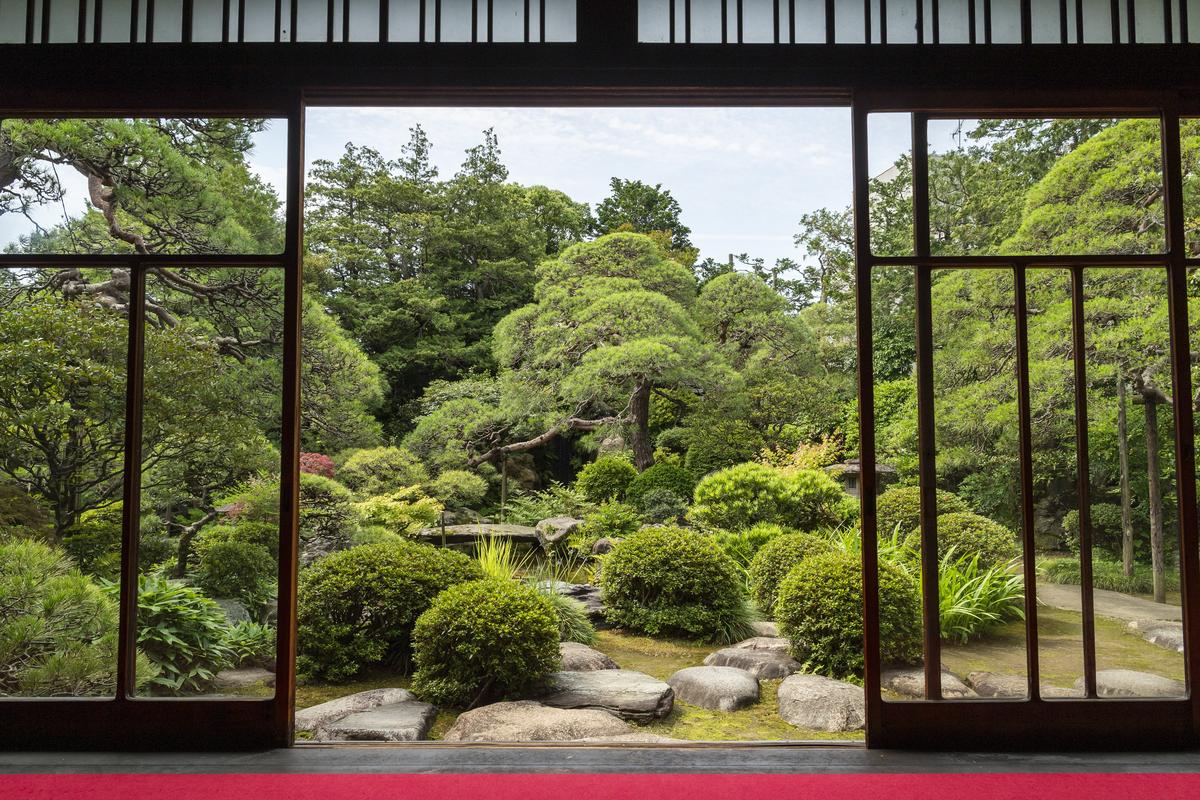
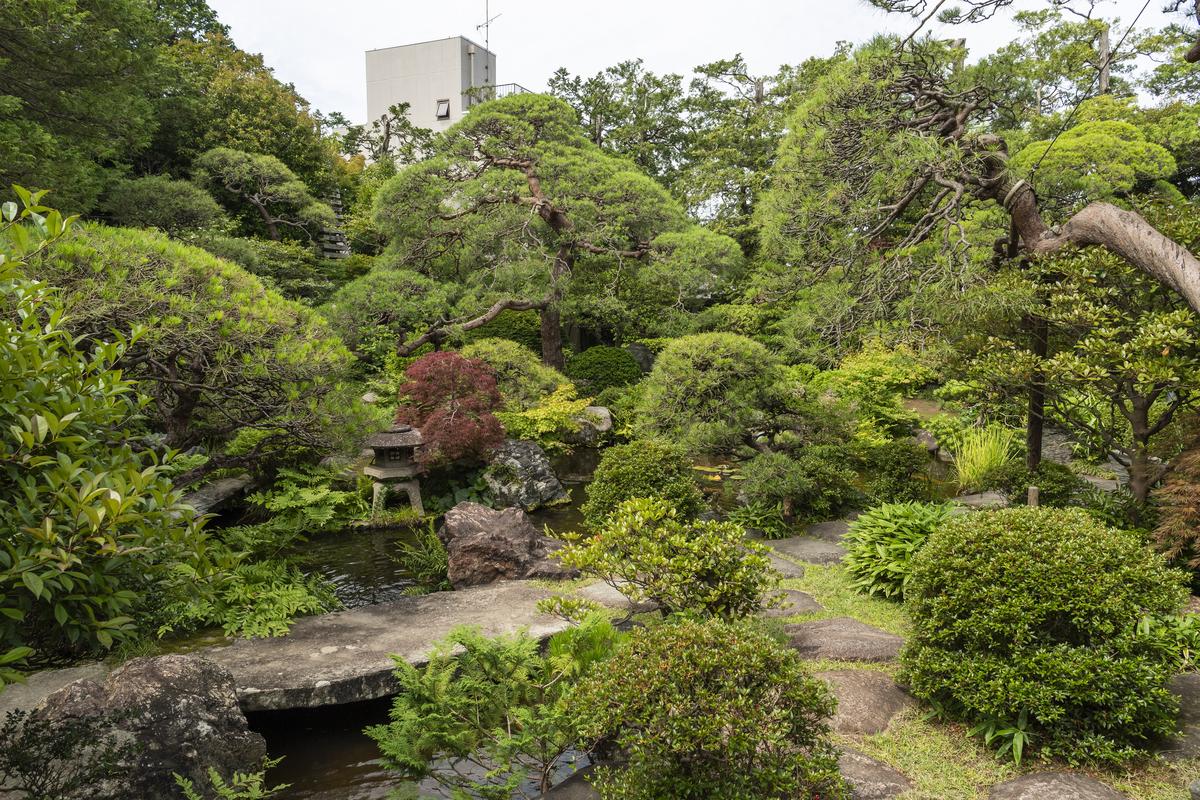
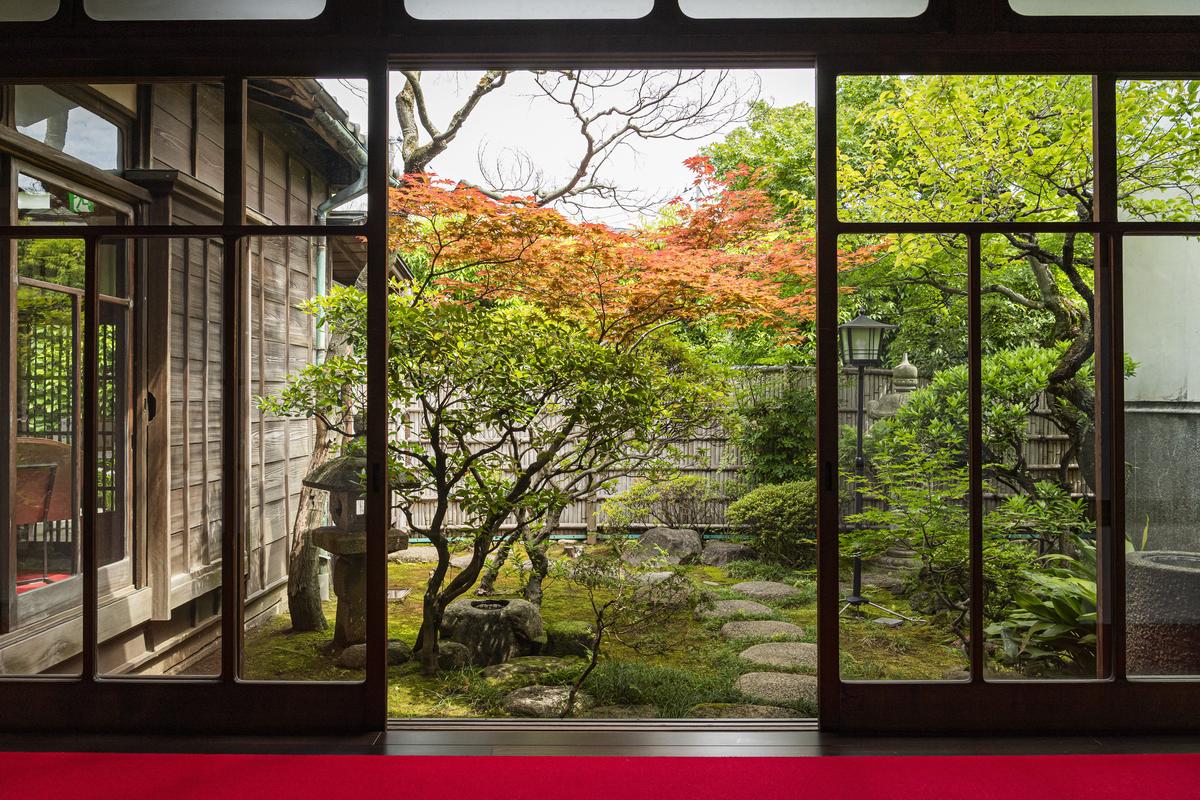
When the tatami room partitions are opened, the main garden spreads before the eyes. It is in the zakanshiki-style, designed for viewing quietly from indoors, rather than for strolling. At 890 square meters, it is not huge, but is comprised of a pond, stones, and a waterfall that drops from an artificial hill. Carp swim in the pond, and evergreens such as pines and azaleas are green throughout the four seasons.
"A large pine is straight ahead, surrounded by the pond and stones, and the waterfall in the back creates perception of depth," says Suwa. The large stones were delivered from all over Japan and were a symbol of wealth at the time.

Suwa offers his analysis in response to a comment by Journal of Japanese Gardening that visitors can experience a traditional Japanese house.
"I think the garden plan that is calculated for a compact space and the coziness are appreciated."
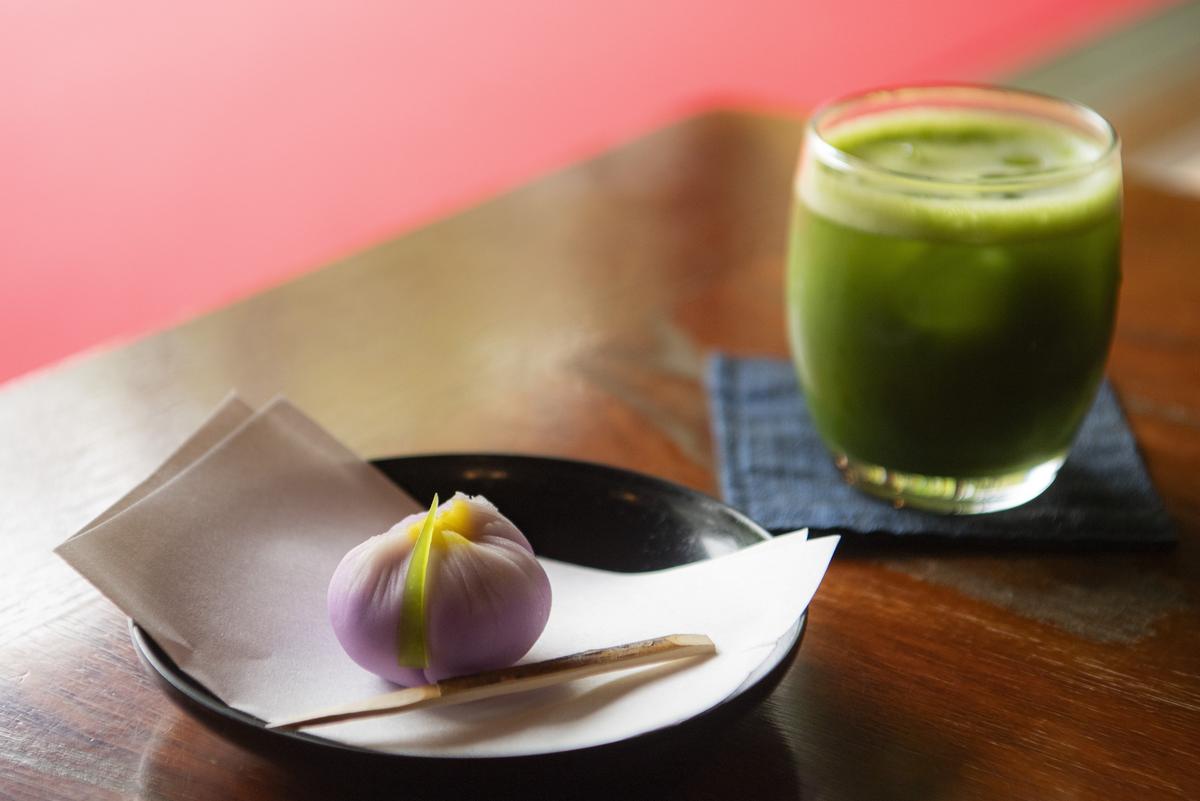
Teahouse services are also available in the house. Visitors can order and pay at reception, taking a card to place on the table for their order to be brought to them. "This is designed so visitors can quietly enjoy the garden."
Gazing at the garden while sitting on the tatami and relaxing over tea will provide the sense of a calming space and slowly-paced time.
A Hidden Gem of Tokyo, Chosen by the World
About half of the visitors are from abroad, with the number of travelers from Italy, Spain, and other European countries rapidly rising. "It seems that its popularity is spreading through word of mouth," says Suwa.
The milestone of two million visitors was reached in 2024, with an Italian couple.
"When we asked where they were going next, they said, 'Odaiba.'"
From Yamamoto-tei, where history can be sensed, to the new landscapes of Tokyo Bay. This satisfies international tourists who wish to experience Tokyo's new and old in the span of one day.
Amid the Cultural Landscape of Shibamata, Katsushika
In 2018, the landscapes of Shibamata, Katsushika were designated as Important Cultural Landscapes of Japan. The wide sky viewed from the banks along Edogawa River, Shibamata Taishakuten temple and its approach, the low-rise residential environment with its roots in an agricultural village, and the Yagiri-no-Watashi (small boats for crossing the river)—Yamamoto-tei quietly blends into this area where urban and rural intersect.
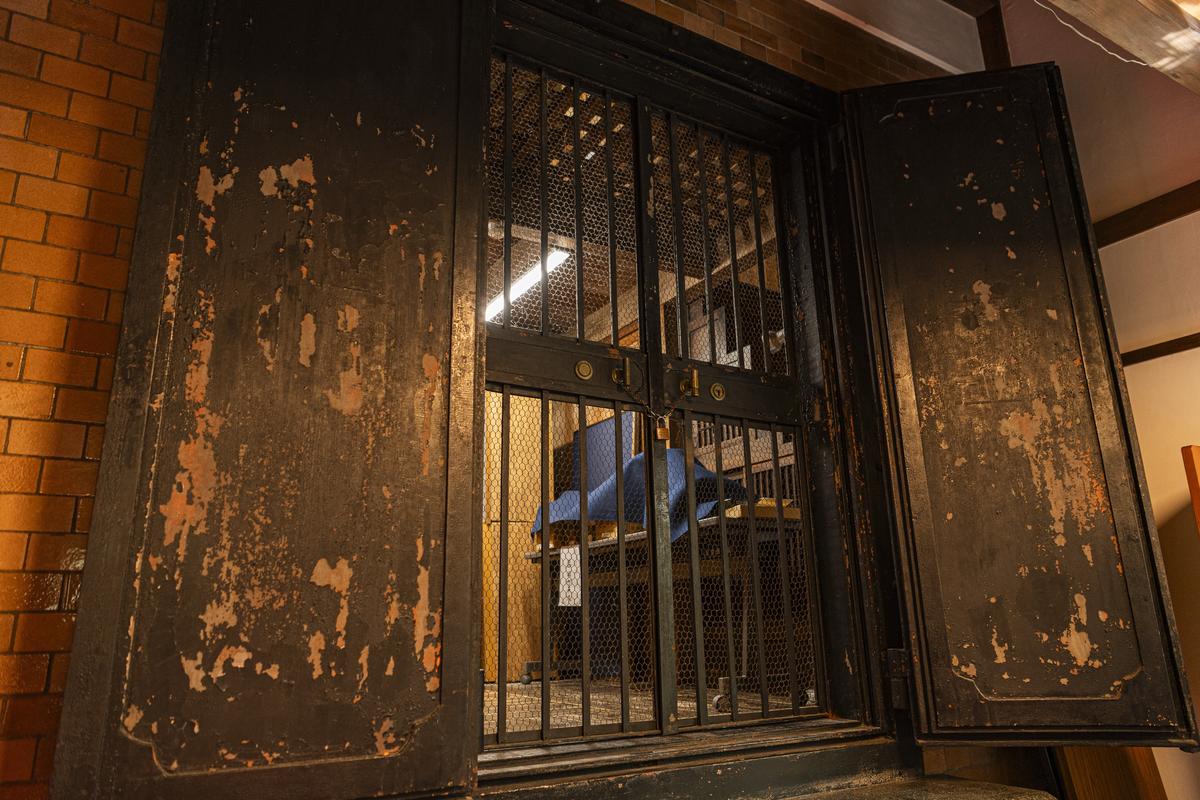
The glass used in the windows is difficult to obtain today, and they are protected by closing the rain shutters every night. The sliding paper doors and partitions are periodically repapered, and the gardens are tended by specialists for each type of tree. The floors are wiped daily and water is sprinkled at the entrance without fail to suppress dust and cool the ground to pleasantly welcome visitors.
By maintaining this building as a space that breathes, traditions are passed on to the next generation.
Suwa Hiroshi
Photos by Inoue Katsuya
Translation by Kimura Lisa