






Tokyo's History Comes Alive at the Reopened Edo-Tokyo Museum


This audio is generated by AI, so pronunciation and expressions may not be fully accurate. The narration is only in English.
A Museum Built for Immersion
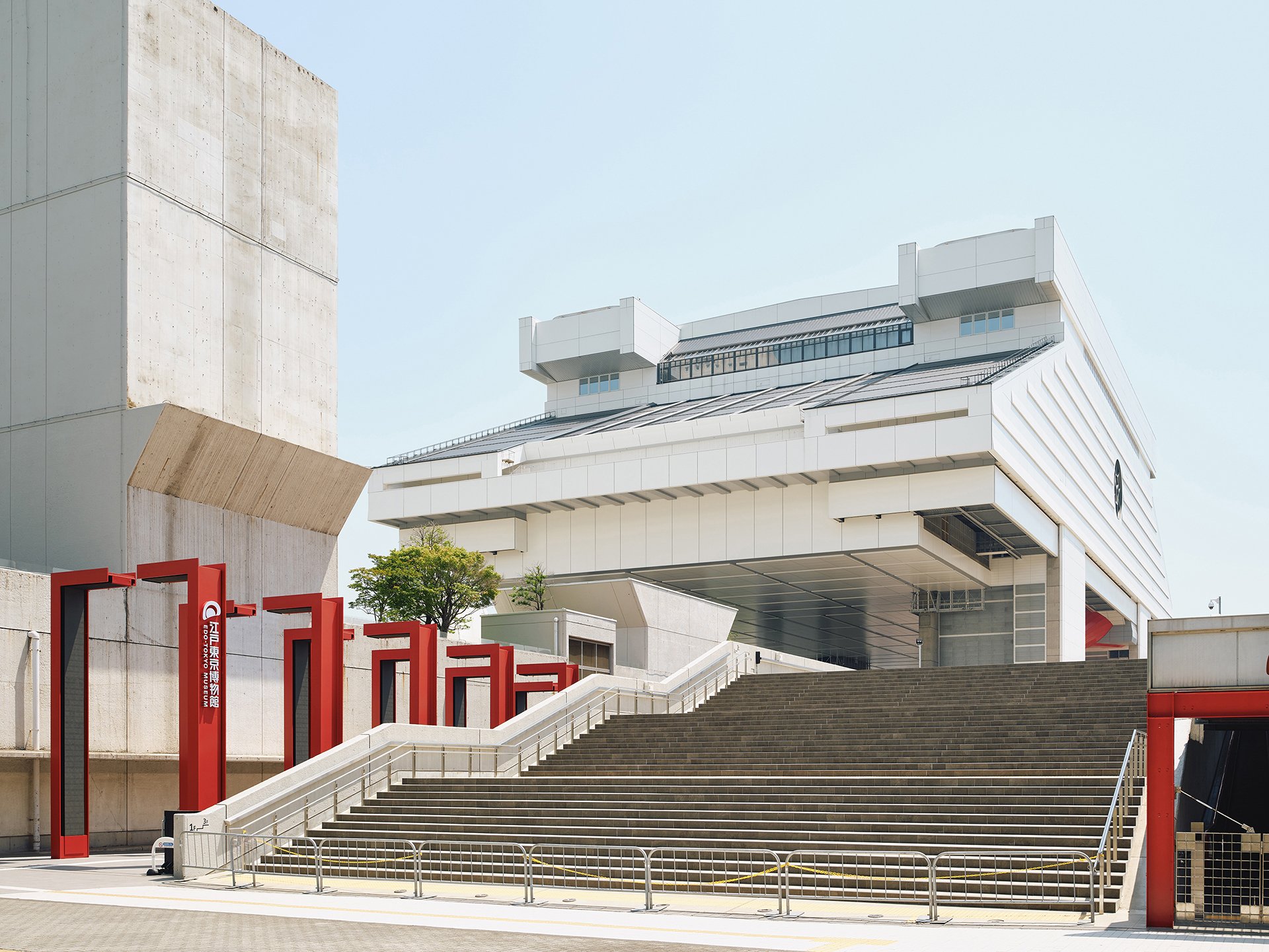
Inside the renewed Edo-Tokyo Museum, international visitors can cross a life-size Nihonbashi Bridge and explore detailed recreations of theaters, homes, food stalls, and everyday life from Tokyo's past. Many Tokyo residents also know the museum through school trips and memories of seeing the city's history made tangible. The renovation builds on that legacy with more deliberate use of architecture, models, and digital technology.
According to Nitta Taro, chief curator and head of the museum's Business Planning Section, the central concept behind the renewal was to create "a sense of immersion in historical spaces." Rather than presenting history as a series of isolated objects, the museum now invites visitors into what Nitta describes as "a historical landscape."
That approach is visible from the moment visitors enter the permanent exhibition. The Edo Zone and Tokyo Zone still form the core of the experience, tracing the city from the Edo period—the age of the Tokugawa shogunate—through modernization, disaster, war, recovery, and contemporary life. The renewal brings projections, sound, lighting, and spatial design together more deliberately, giving visitors a stronger sense of the city's scale, movement, and atmosphere.
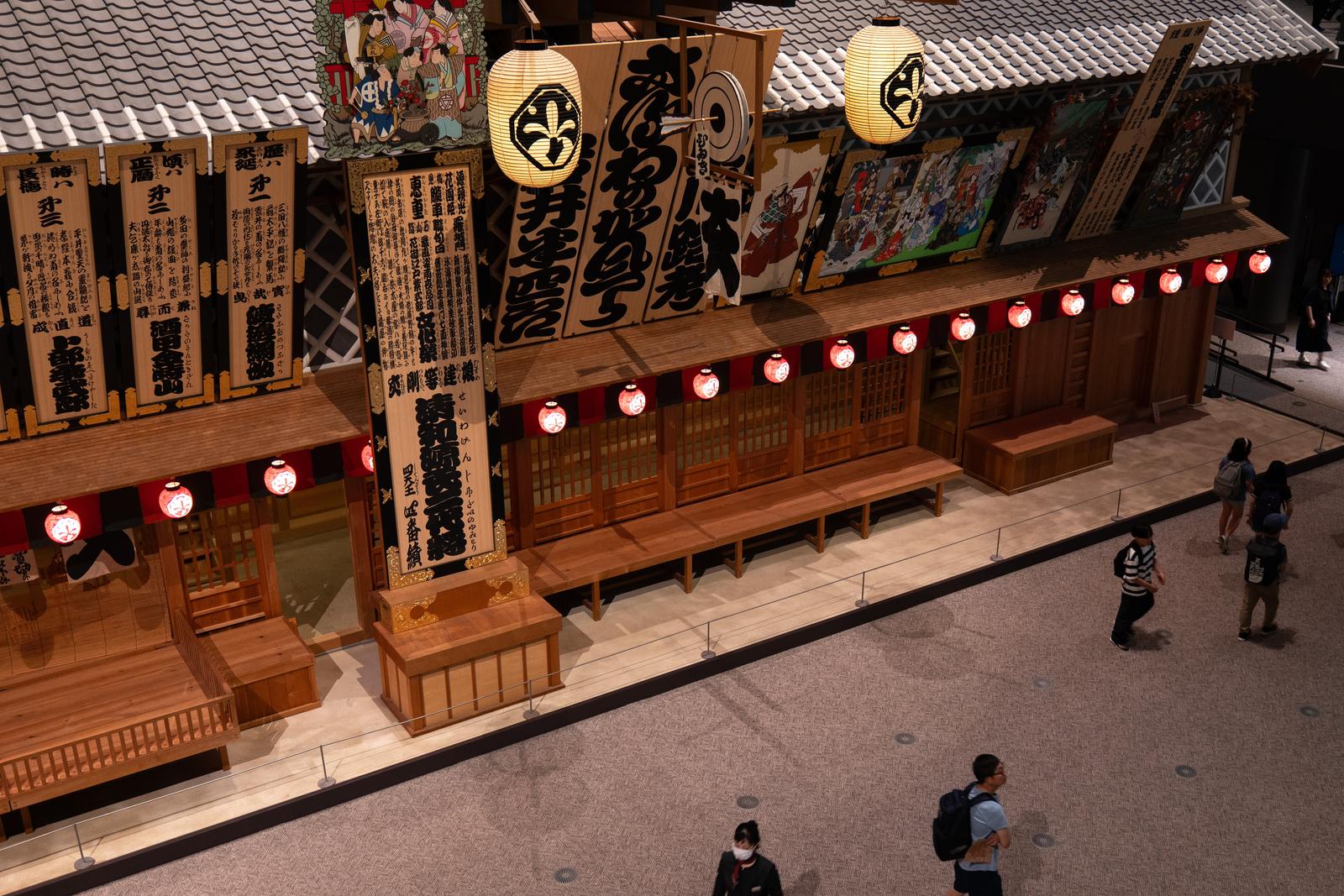
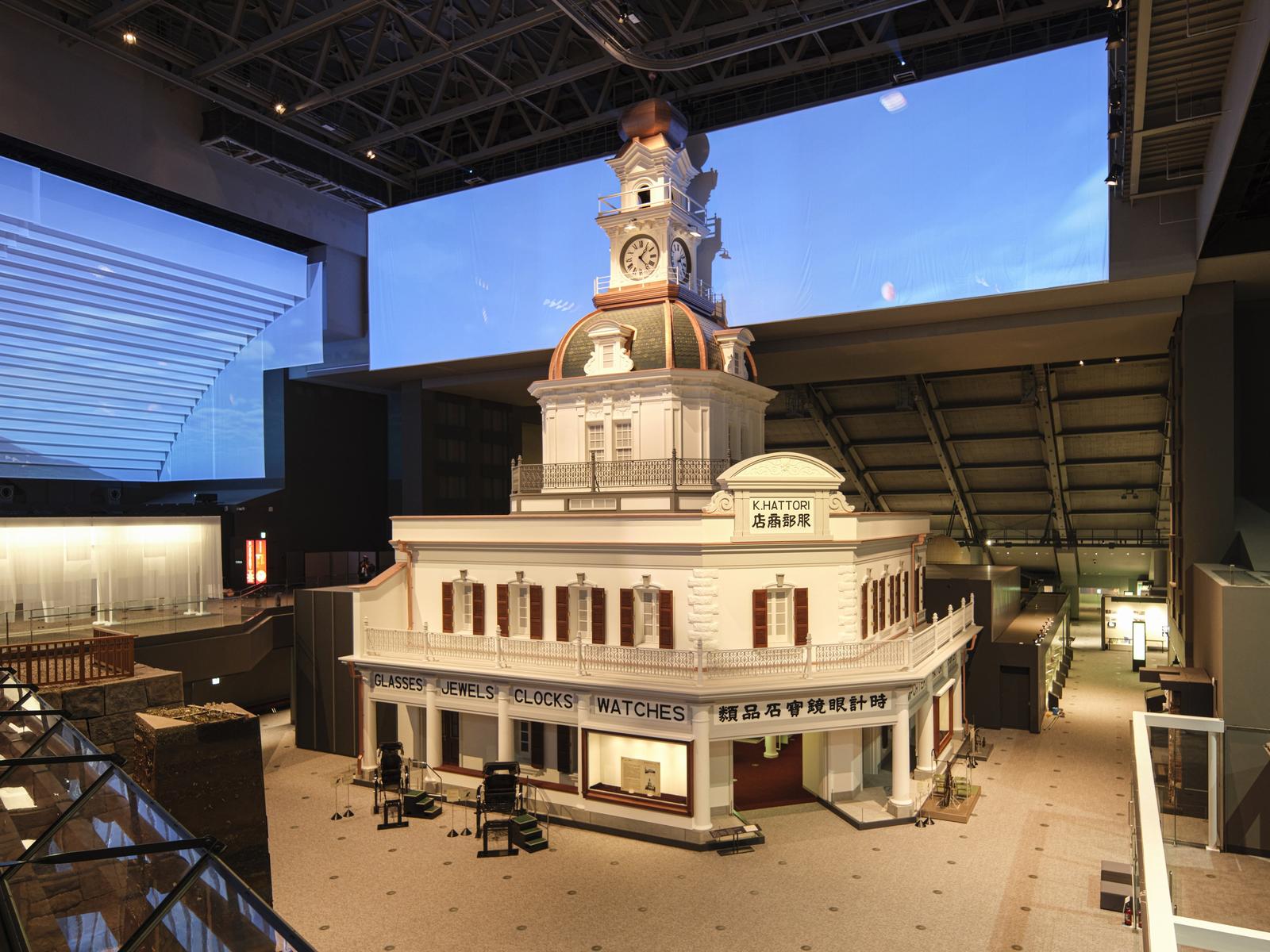
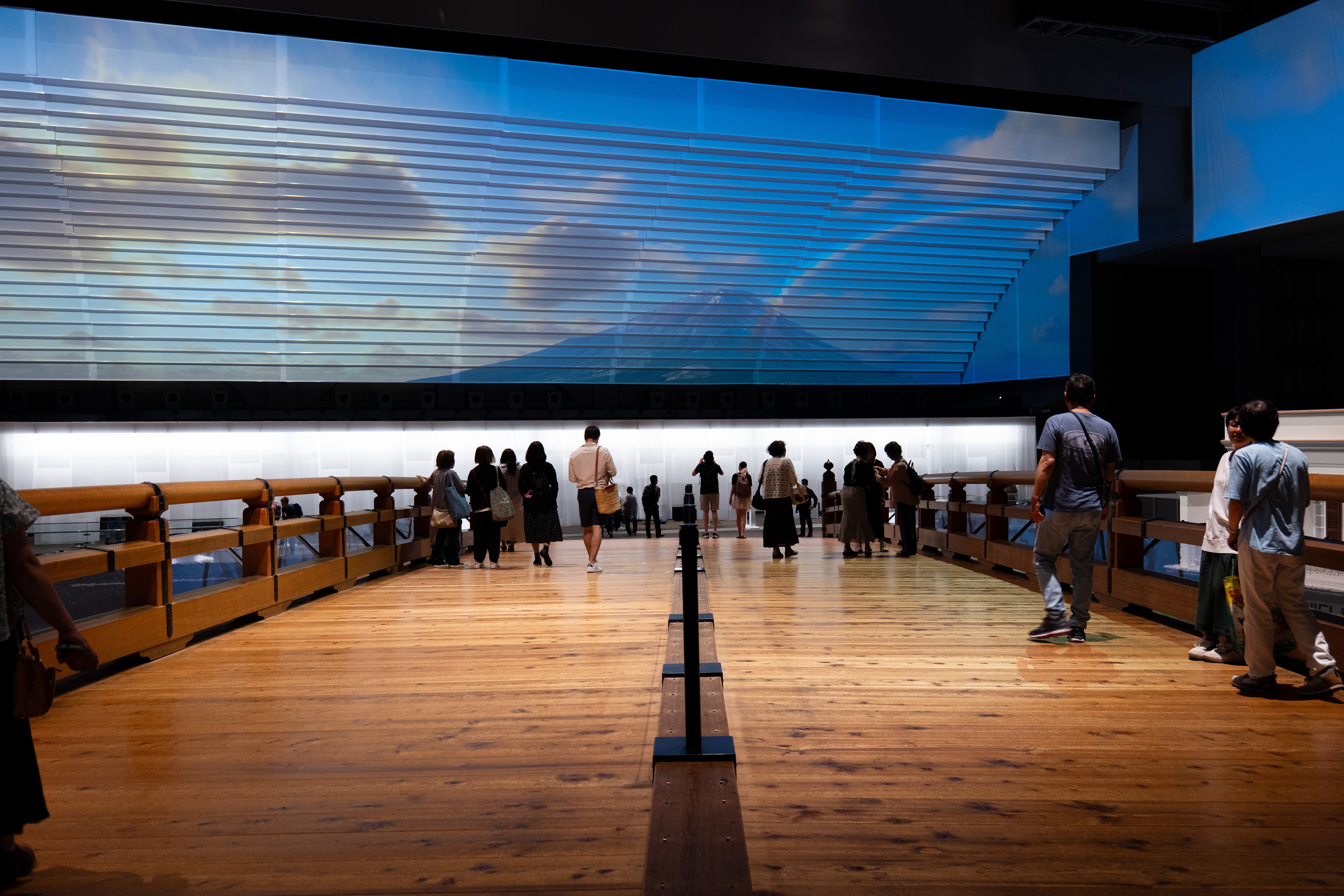
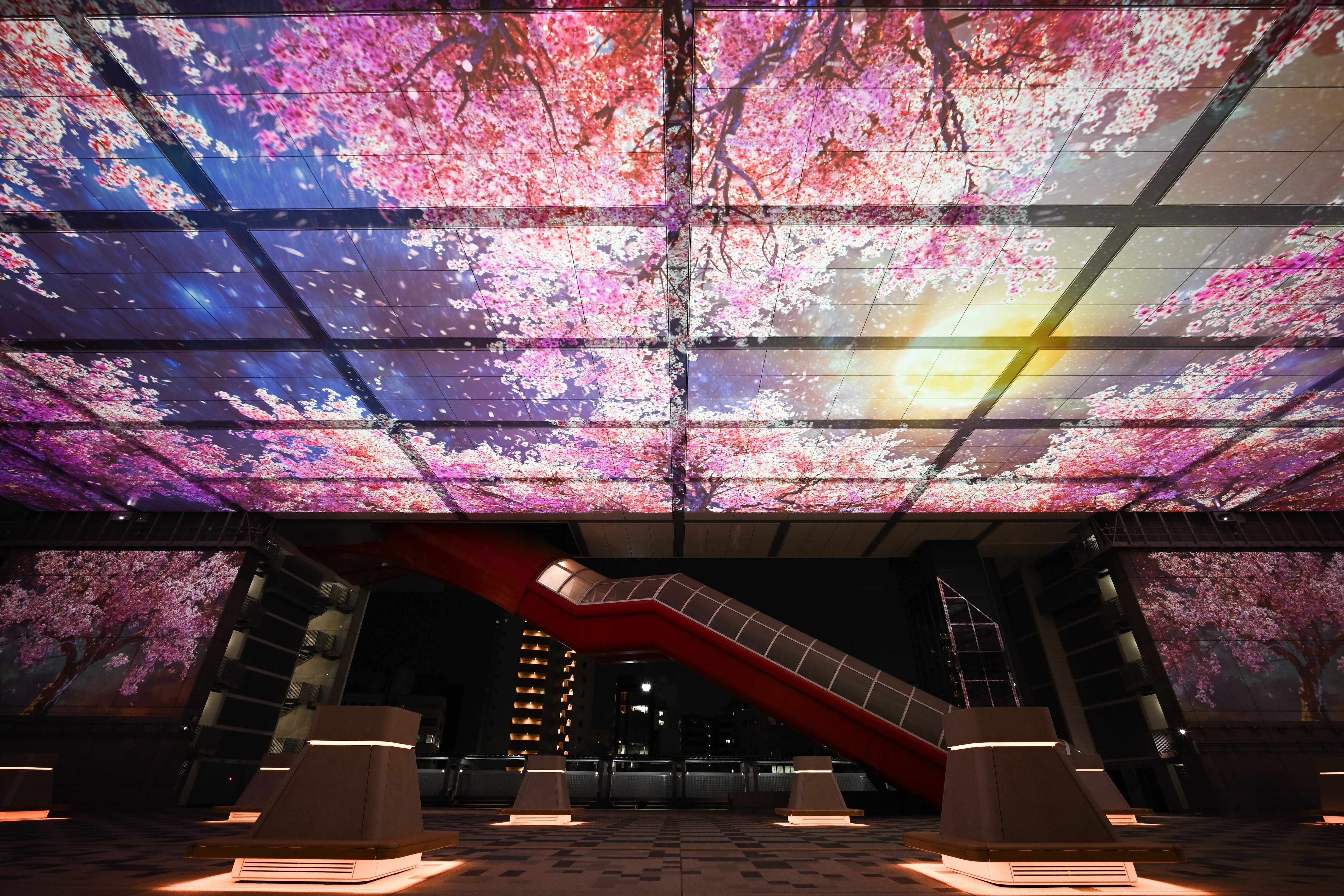
The relationship between the two zones is immediately visible from the Nihonbashi Bridge. Looking to the right, visitors see a new reconstruction of the K. Hattori (Hattori Tokeiten), the watch and clock business that preceded the landmark clock-tower building at Ginza's famous 4-chome crossing. To the left, a full-scale kabuki theater façade evokes the entertainment district of Edo, while illuminated noren curtains at the end of the bridge form a symbolic threshold into the Edo Zone. Under the directions of architect Shigematsu Shohei, three-sided screens add another layer of atmosphere, displaying scenes that reflect different weather, seasons, and times of day, in styles ranging from realistic imagery to ukiyo-e woodblock print-inspired visuals.
Walking Through Edo
The Edo Zone begins with one of the museum's best-known features: a full-scale replica of Nihonbashi Bridge. From there, visitors move into a world of detailed models, reconstructed streets, and everyday scenes that reveal Edo as a dense, sophisticated city.
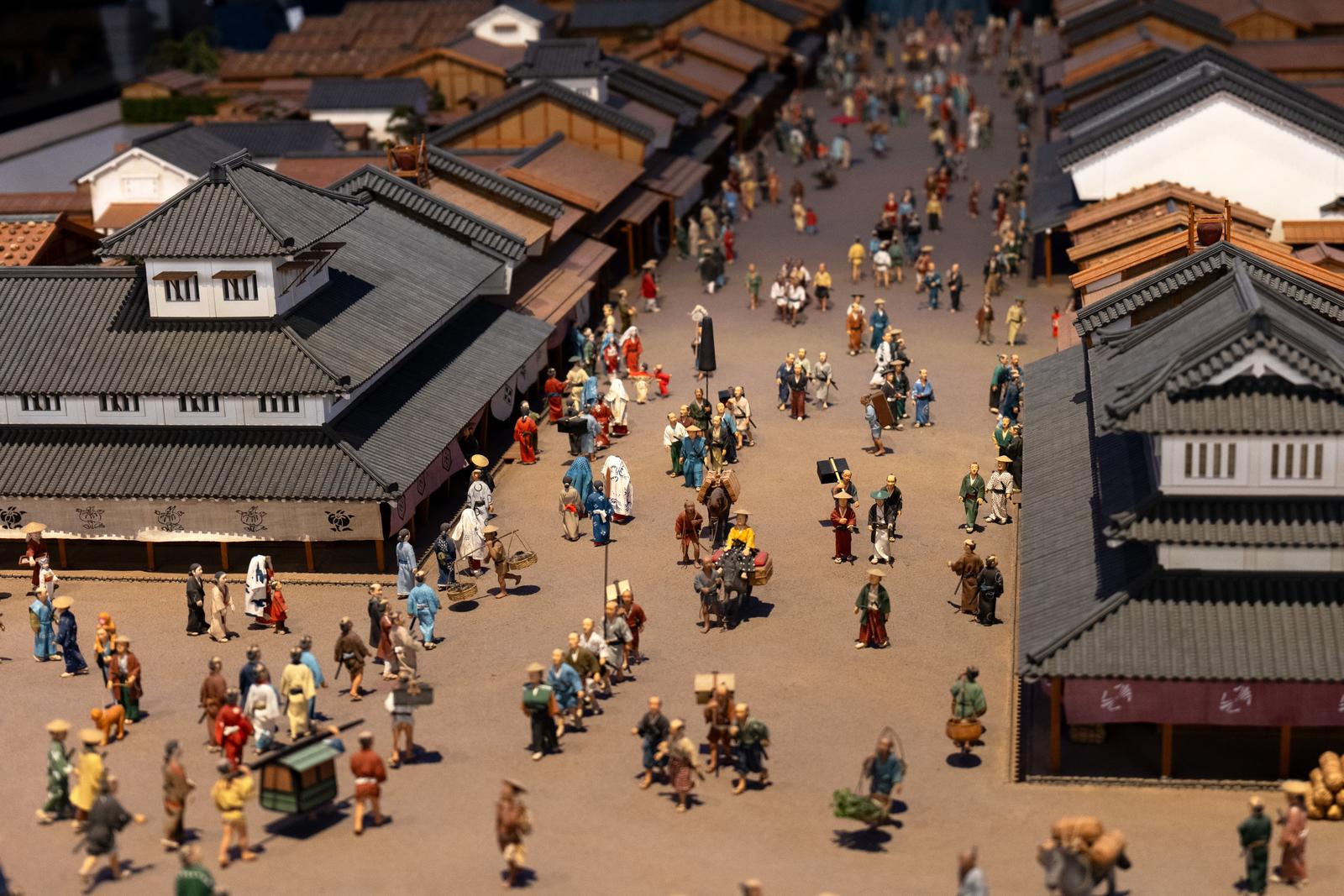
The renewal has made several models easier to experience. Barriers have been removed or adjusted in some areas so visitors can come closer, giving the displays a stronger sense of realism. A one-thirtieth-scale model of Edo, for example, allows visitors to look across merchant districts, samurai residences, bridges, and waterways and quickly grasp how the city was organized.
Short visual explanations also make historical customs more intuitive. Visitors can see how kago, enclosed seats once carried by two bearers, transported people through the city. They can also learn how goods moved through the streets, and how urban spaces were used. These elements are especially helpful for international visitors and children, who may not know the historical background but can understand the action immediately.
For Nitta, that accessibility is important. The goal is not to simplify history, but to create points of entry. Once visitors feel the atmosphere of a street, theater, or neighborhood, they can begin to notice the details that made Edo life so distinctive.
The Everyday Genius of Edo
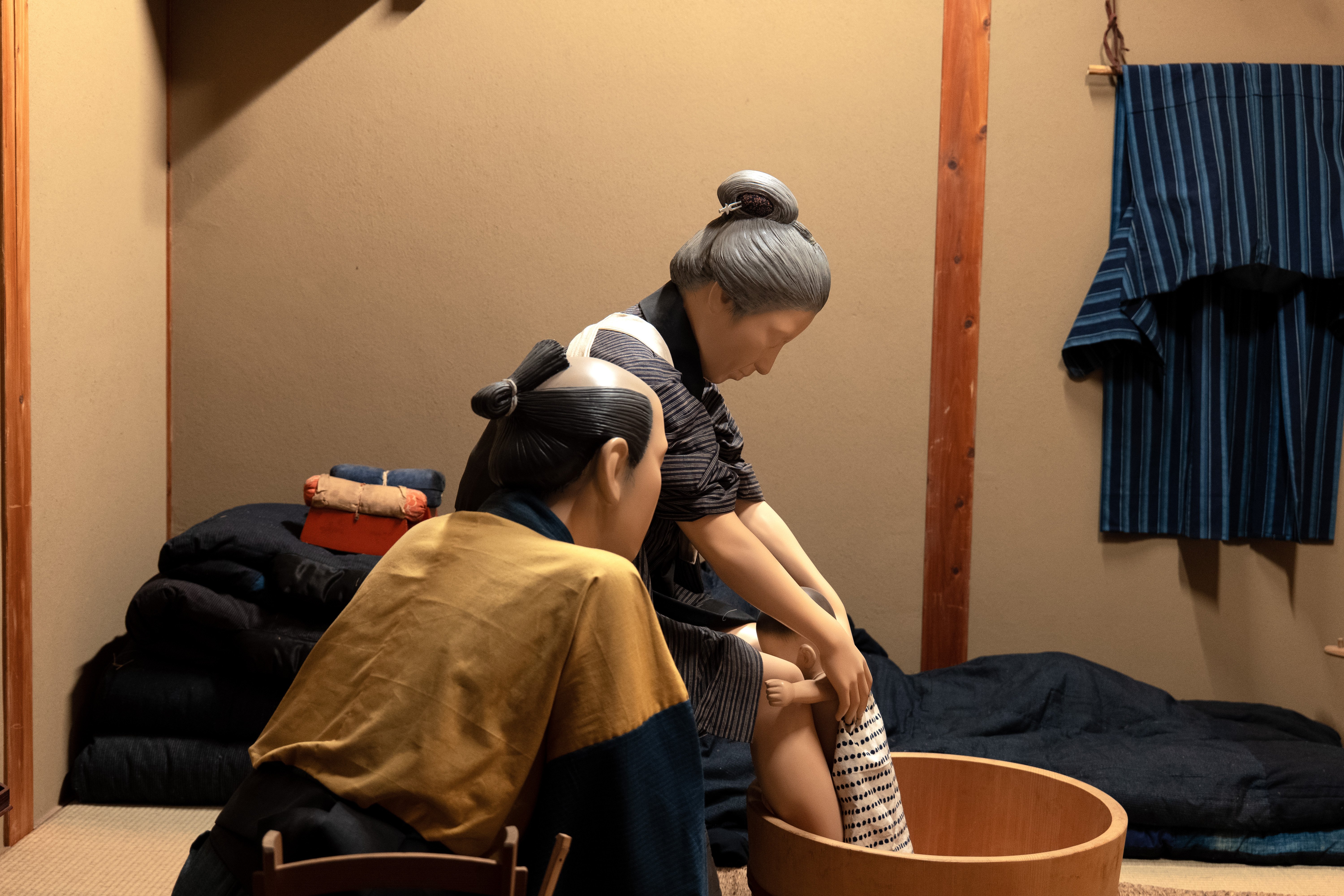
Some of the museum's most engaging displays focus on ordinary urban life. A reconstructed nagaya row house shows compact homes, shared facilities, and close neighborhood relationships. Other exhibits introduce Edo's water infrastructure, including channels that carried water into neighborhoods through natural gradients.
A new interactive model traces the movement of food and everyday goods into the city. By placing a hand over ingredients such as komatsuna mustard greens or soy sauce, visitors can see where they were produced and how they traveled to Edo, often by boat. It is a simple way to understand the city as a place sustained by logistics, waterways, and craft.
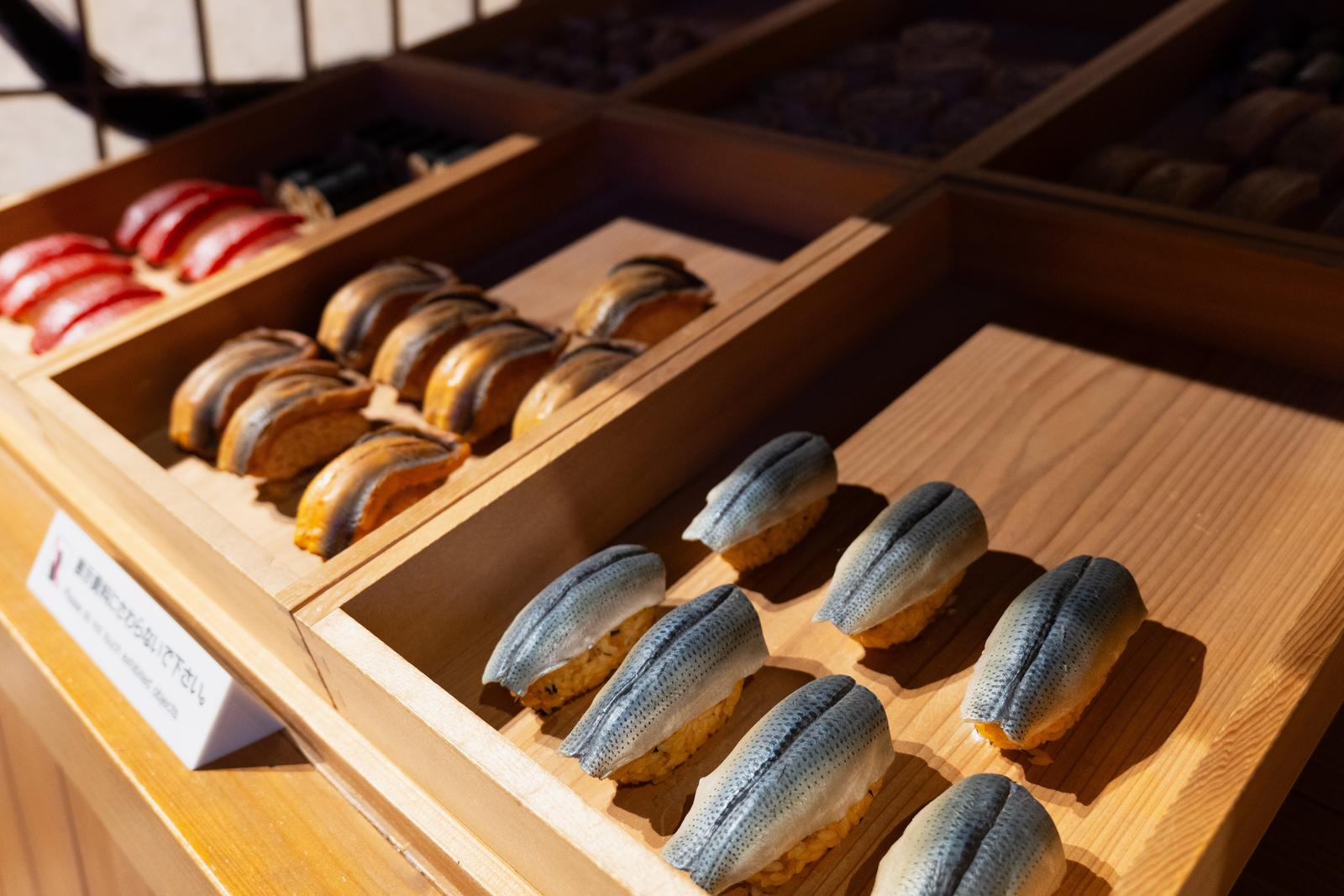
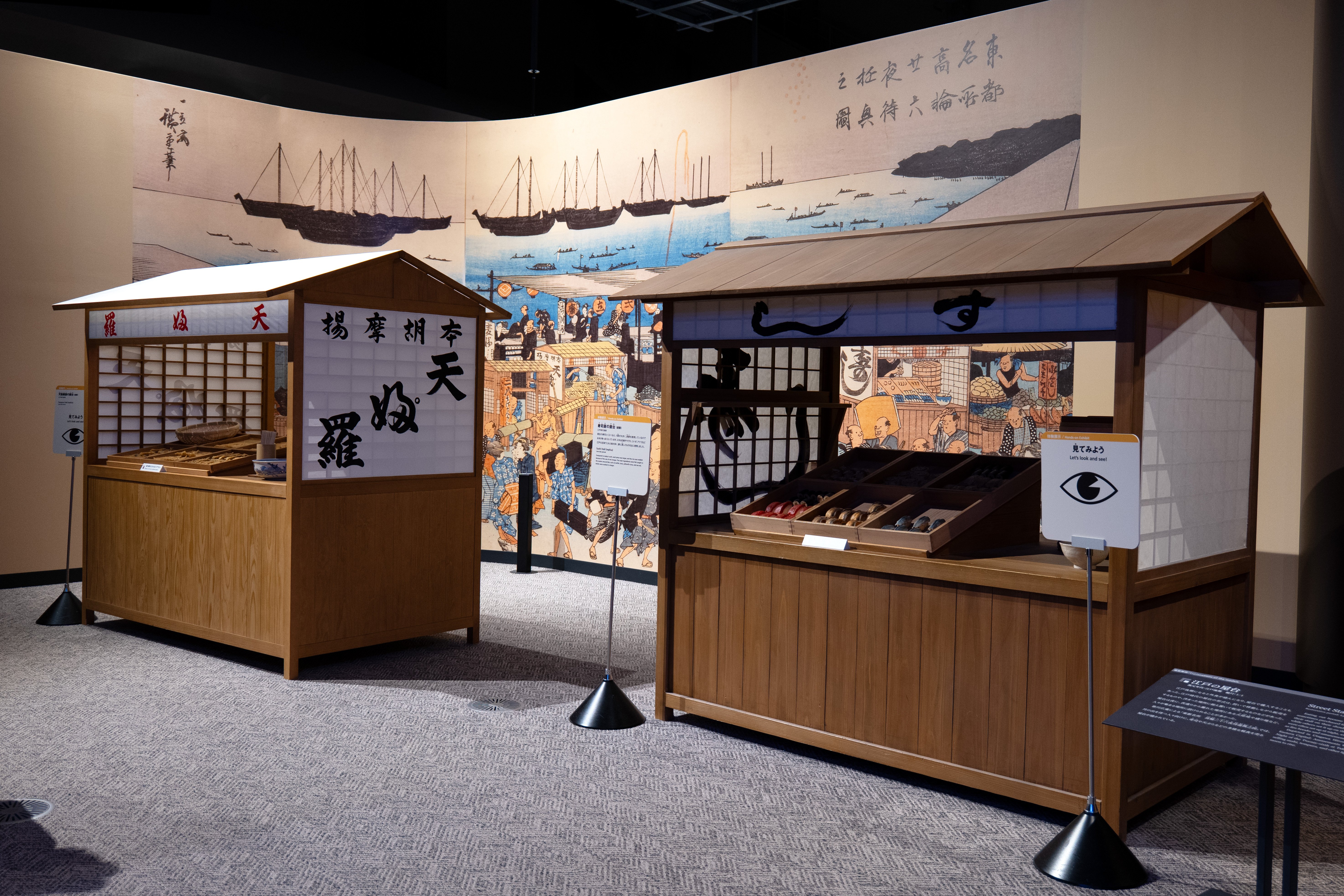
Food offers one of the clearest bridges between Edo and Tokyo today. The museum has added a tempura stall to its existing sushi and soba stalls, along with a rest area and water seller. For overseas visitors, the display is instantly recognizable: foods now known around the world were once part of Edo's casual street food culture.
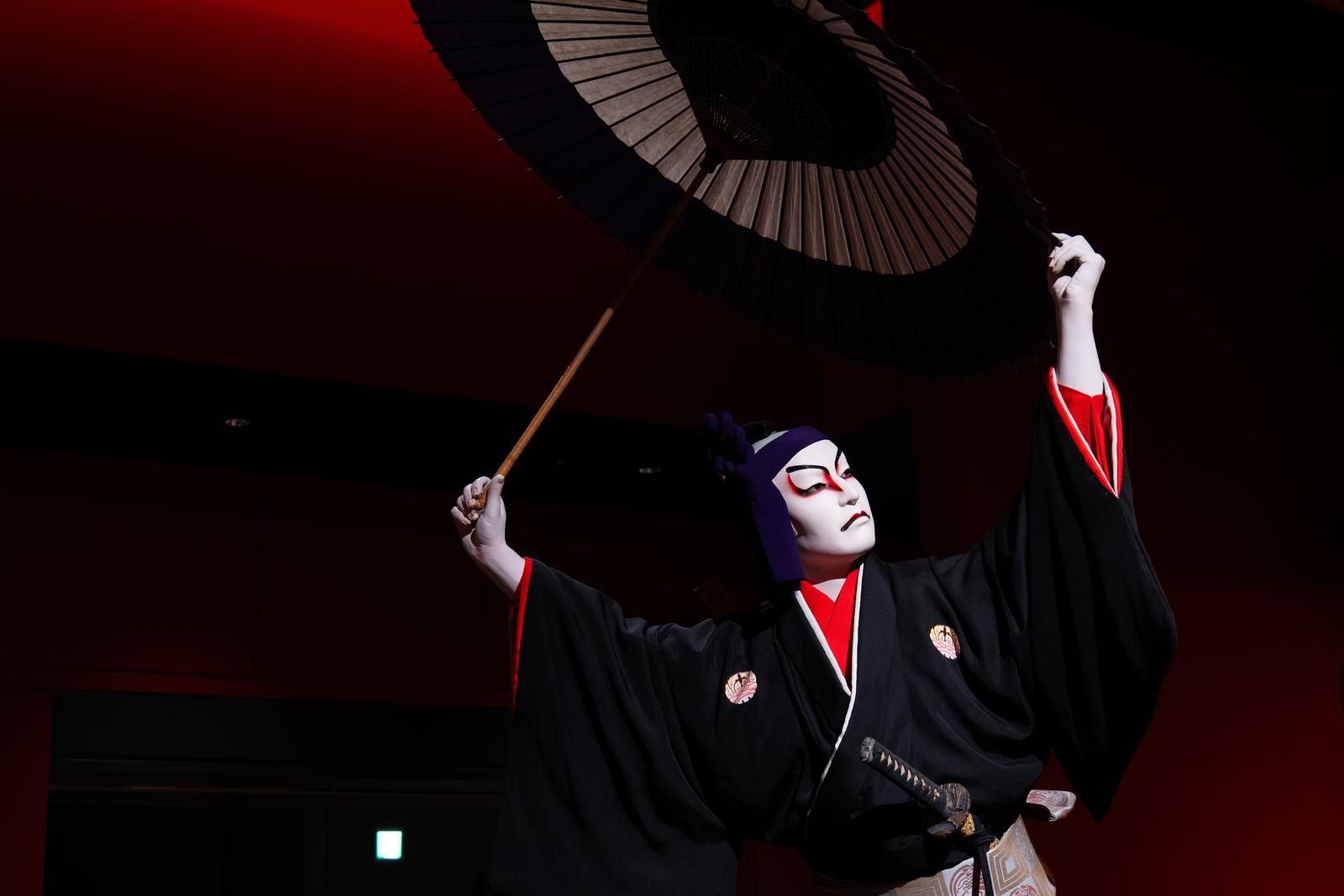
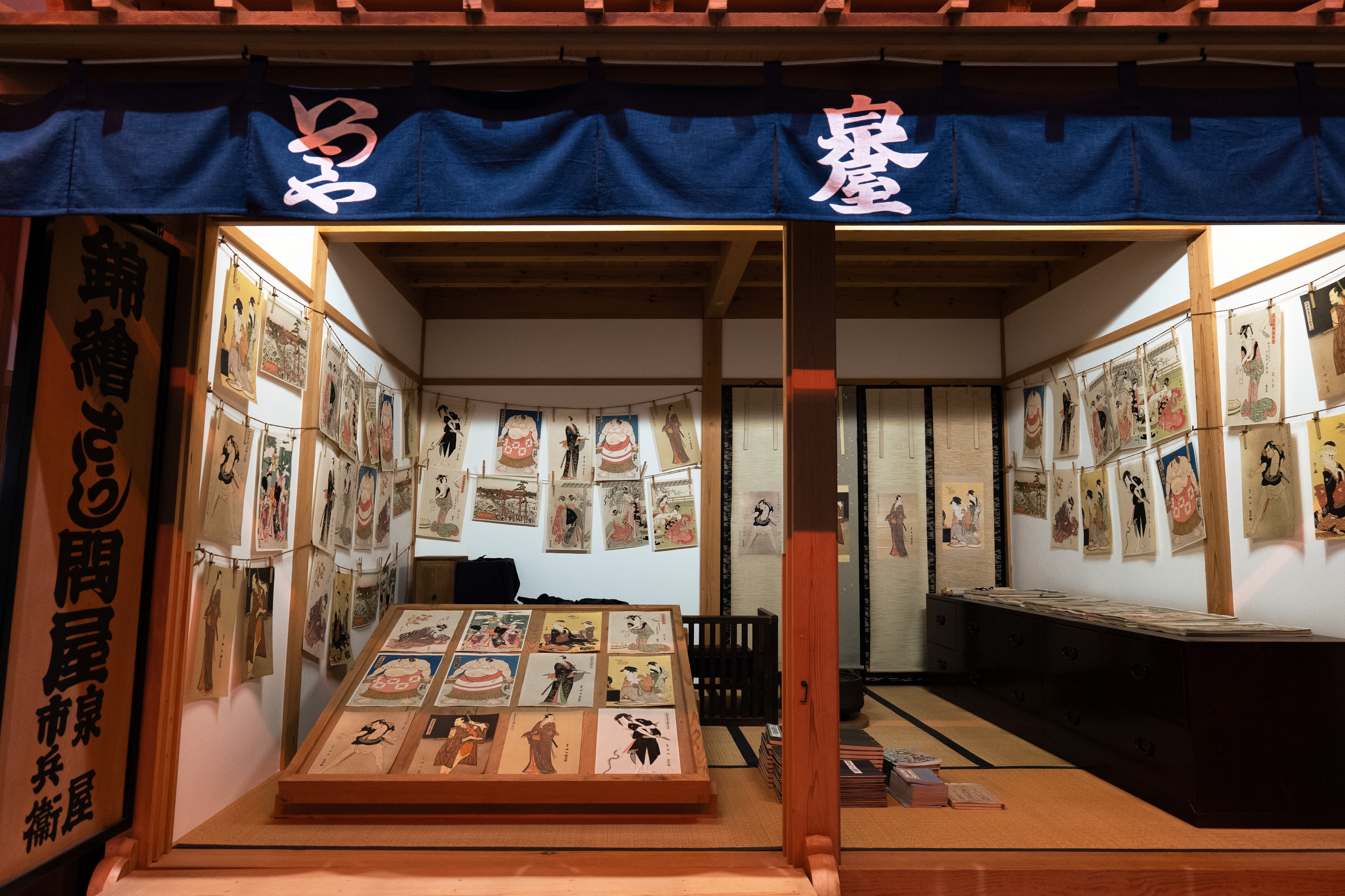
The Edo Zone also highlights entertainment and performance. The Nakamura-za, one of Edo's leading kabuki theaters, has been opened up, allowing visitors to step inside and better understand the relationship between the theater exterior and the stage within. Nearby kabuki-related displays introduce seating arrangements, the hanamichi walkway, and stage mechanisms, showing Edo as a city of spectacle as well as daily labor.
Tokyo Keeps Changing
The Tokyo Zone carries the story forward from the Meiji era (1868-1912) into the modern city we experience today. A reconstruction of Ginza's brick town reflects the rapid embrace of Western-style architecture and modernization in the late 19th century, while a new model of the entrance to Asakusa Hanayashiki—a historic amusement venue that started out as a botanical garden—captures the energy of a modern entertainment district.
The exhibits also show how Tokyo has repeatedly rebuilt itself. Sections on the Great Kanto Earthquake, wartime life, postwar recovery, and the 1964 Tokyo Olympics trace a city shaped by crisis and renewal. The revamped exhibition extends further into recent decades, touching on environmental issues, changing youth culture, digital technology, and the Olympic and Paralympic Games Tokyo 2020.
This broader timeline gives the museum a contemporary message, showing how Tokyo has continued to adapt under pressure while preserving traces of its earlier character.
A Gateway to the City
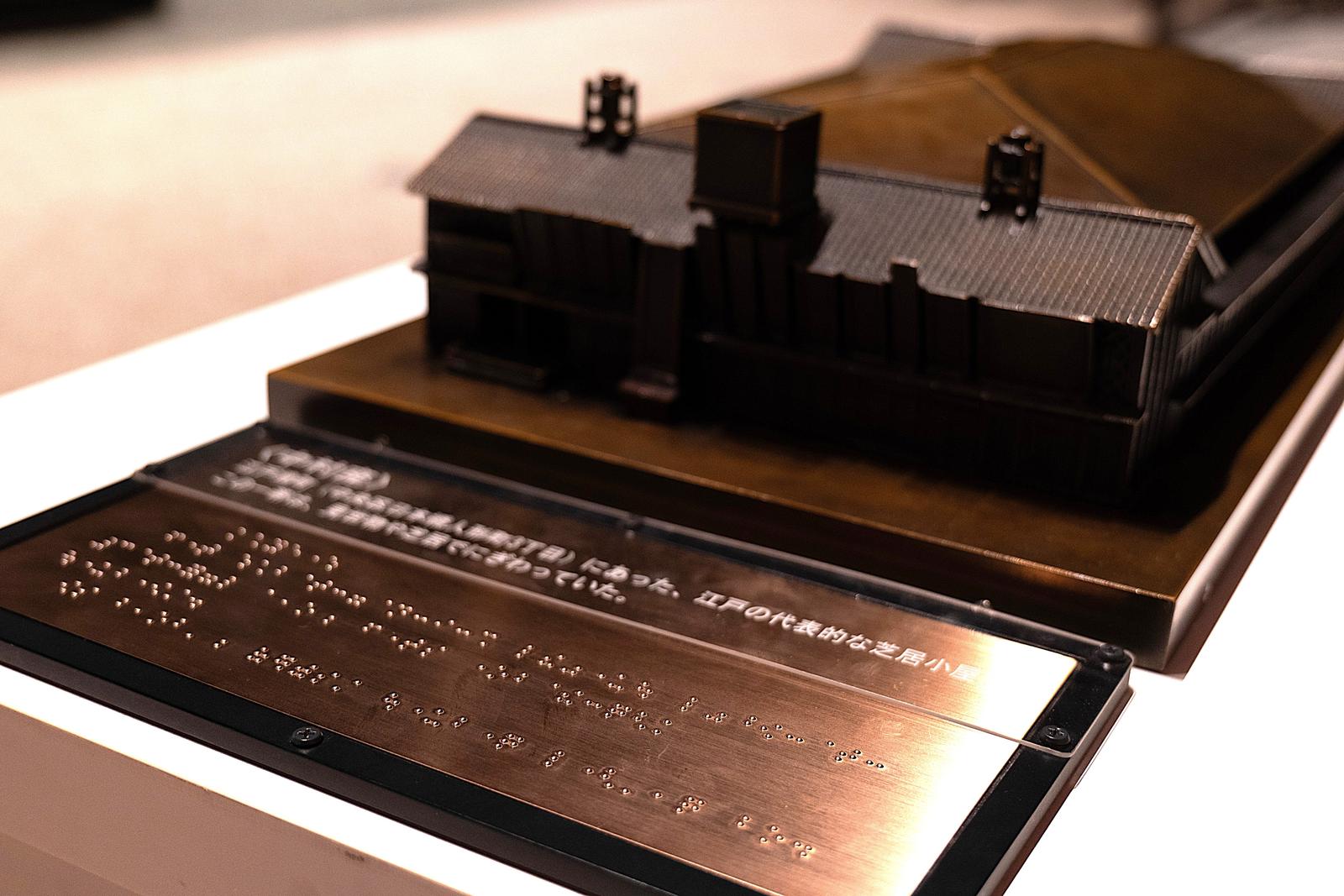
The renewed museum also strengthens its role as a gateway for visitors from around the world. Audio guides are available in 13 languages and can be accessed on visitors' smartphones, while multilingual touch-panel guides throughout the exhibition panels provide additional information. Visual explanations, including videos and pictograms, also help make exhibits easier to understand across language barriers.
The museum's photography policy is another practical advantage. Because photography is generally permitted in the permanent exhibition, visitors can use translation tools such as Google Lens as they move through the galleries. At the same time, volunteer support staff are being trained to help visitors interact with models and displays, creating a more human layer of guidance.
Looking ahead, Nitta says the museum hopes to become a place people naturally include in their Tokyo plans: "When people come to Tokyo, we want them to think of the Edo-Tokyo Museum."
Located in Ryogoku, where sumo culture, historic temples, and traditional shops still evoke aspects of old Edo, the museum also encourages visitors to continue exploring beyond its walls. For returning visitors, it offers the pleasure of rediscovery. For first-time visitors, it provides a vivid introduction to how Tokyo became Tokyo. And for anyone curious about the city's future, it shows that the capital's past is still part of what keeps it moving forward.

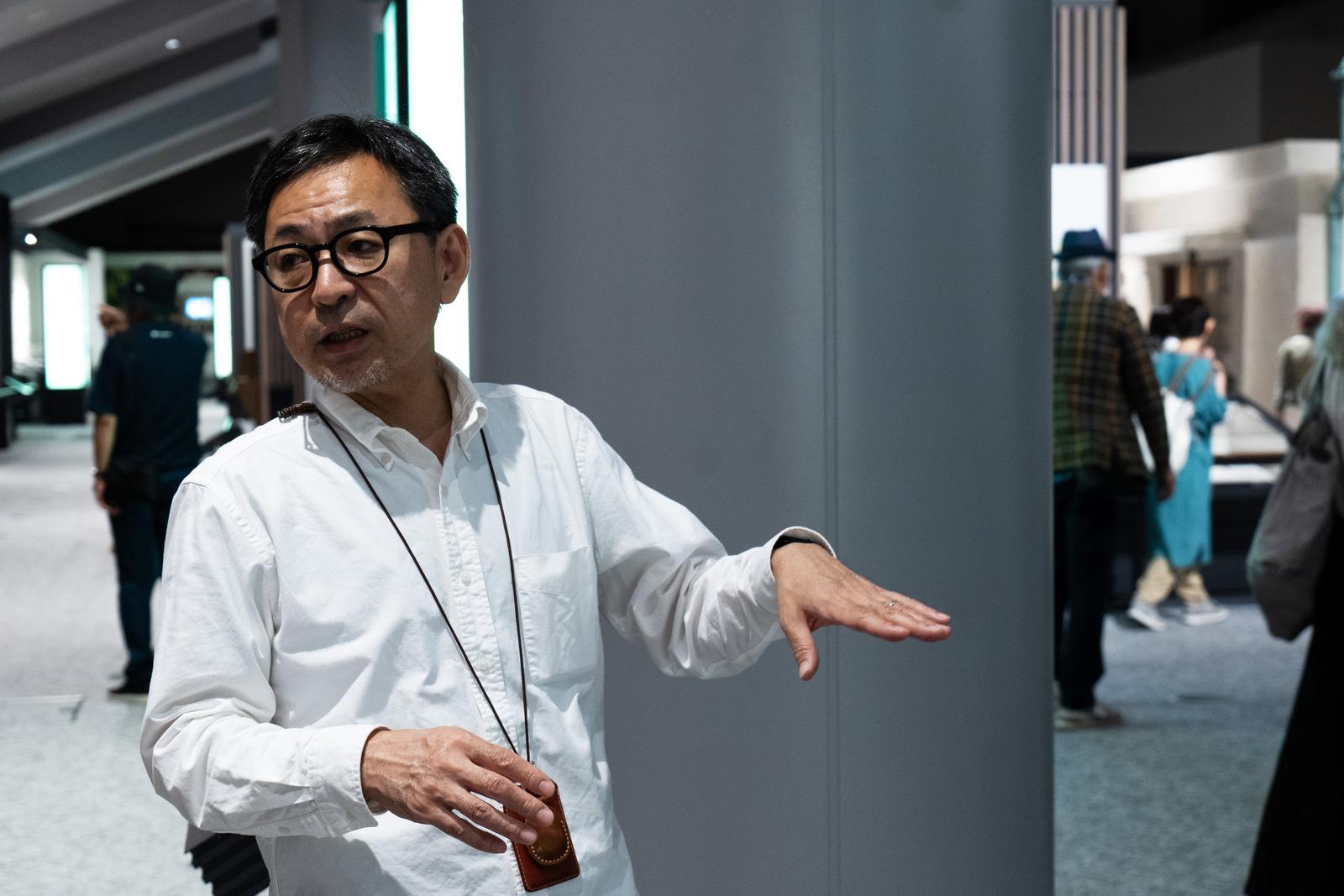
Nitta Taro
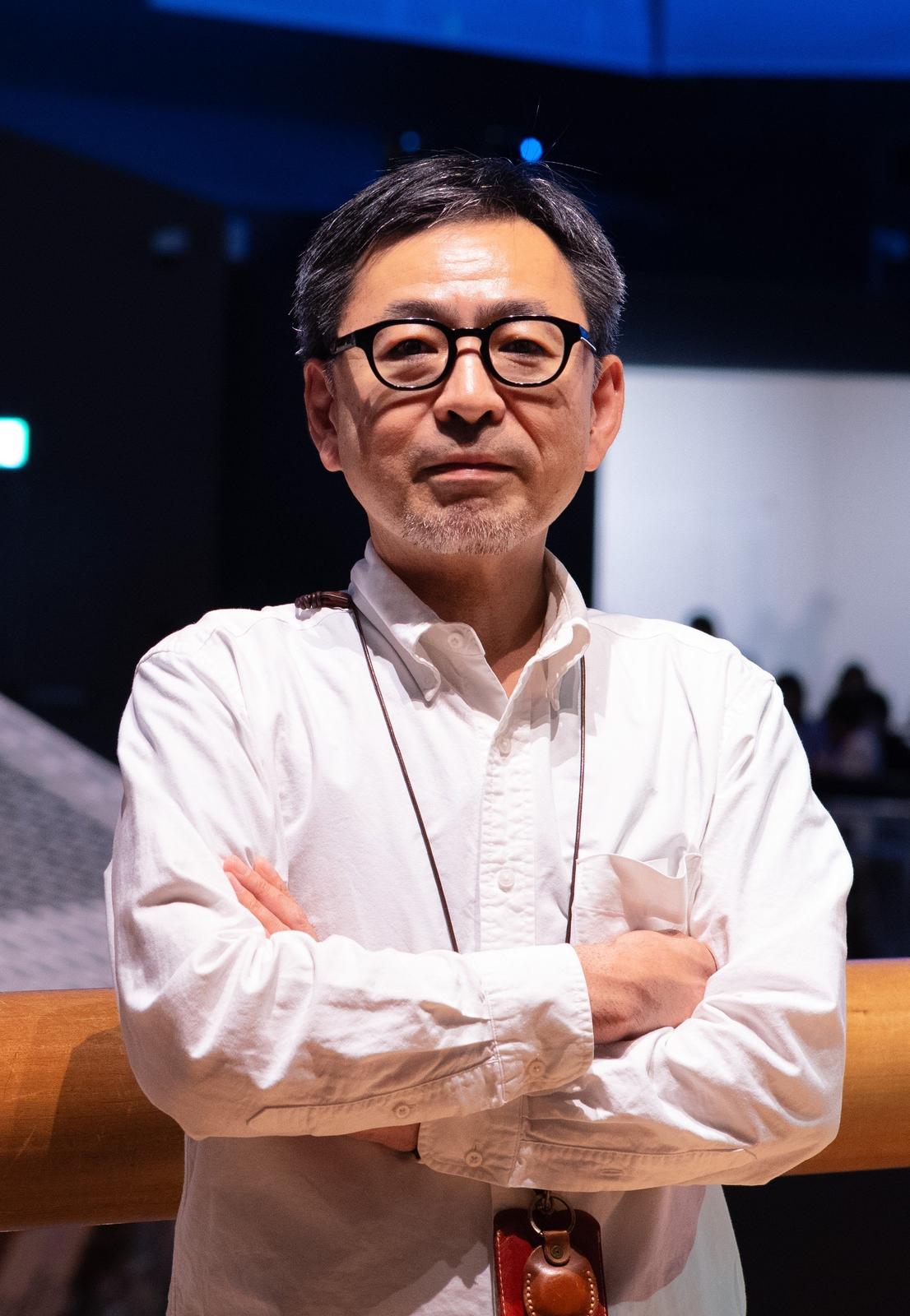
Chief Curator and Head of Business Planning Section, Tokyo Metropolitan Edo-Tokyo Museum, Tokyo Metropolitan Foundation for History and Culture.
Born in 1968, Nitta Taro joined the Edo-Tokyo Museum in April 1995. As a curator, he has worked on the preservation and management of exhibition materials, among other responsibilities. After taking part in the museum's 2015 permanent exhibition renewal, he became director of the Edo-Tokyo Open Air Architectural Museum in 2017. Since 2022, he has overseen the renovation of the Edo-Tokyo Museum's permanent exhibition in his current role.