







Tokyo, Meet Visual Storytelling: Simple Visuals for a Complex Digital Age



This audio is generated by AI, so pronunciation and expressions may not be fully accurate. The narration is only in English.
From University Artist to Digital Creator for Nike and Google
Salles's breakthrough into the world of digital art came at an unlikely time. While he was a student at the National Autonomous University of Mexico (UNAM) in Mexico City, an outbreak of swine flu led to a brief school shutdown across the country in 2009. Without classes to attend, he found himself with some unexpected latitude to flex his creative muscles and share his work online.
"I didn't really do it with the ambition of getting a job," he explains. "It was more like a hobby at first—I just started putting things up on the internet. As an illustrator, it was just fun to get my work out there and imagine people experiencing it—and hopefully enjoying it too."
Salles's online artwork caught the eye of a creative director at a major advertising agency in Mexico. He began working as a creative director and was soon crafting digital advertising campaigns for multinational brands like Nike, KitKat, and Google. "I think I was fortunate that it was a time of transition in media and advertising," he says. "Conventional companies were trying to negotiate the changing landscape created by social media, so they were on the lookout for artists and creators who were eager to explore those new spaces."
Salles's work in digital advertising garnered considerable acclaim, including several industry awards. And yet, while he was surprised at how creative a job in advertising could be, he soon began to harbor visions for the broader possibilities of simple online visual content. "Working in advertising helped me see how the right images can forge immediate emotional connections with an audience," he explains. "But it also made me think that the same techniques could be used to accomplish so much more. That was where the idea for Pictoline came from."
Every Image Has the Potential to Open a Door
In 2015, Salles co-founded Pictoline with Gustavo Guzmán. The new company aimed to help people make sense of the overwhelming deluge of content flooding their smartphones. It was an ambitious goal, but Salles says the two felt there was a real appetite for more distilled forms of information.
From the outset, he was wary of the temptation to create clickbait. "With so much out there, I never want to simply add to the noise. It's not about results—about pursuing clicks or likes or anything like that. Every image should be created with an understanding of who is on the other side of the screen. We want to create compelling, amusing, illuminating visual narratives that really affect how people look at the world around them. Every image has the potential to open a door."
The flexibility of Pictoline's platform has proven to be one of its biggest strengths, with the ability to engage with topics as diverse as pop culture, politics, scientific research, and social justice. Formats range from posters, infographics, and political cartoons to GIFs, mobile games, and short animations. As Salles puts it, conventional media companies tend to treat illustrated images as decorative extras to complement text, but at Pictoline, the illustrations themselves take center stage.
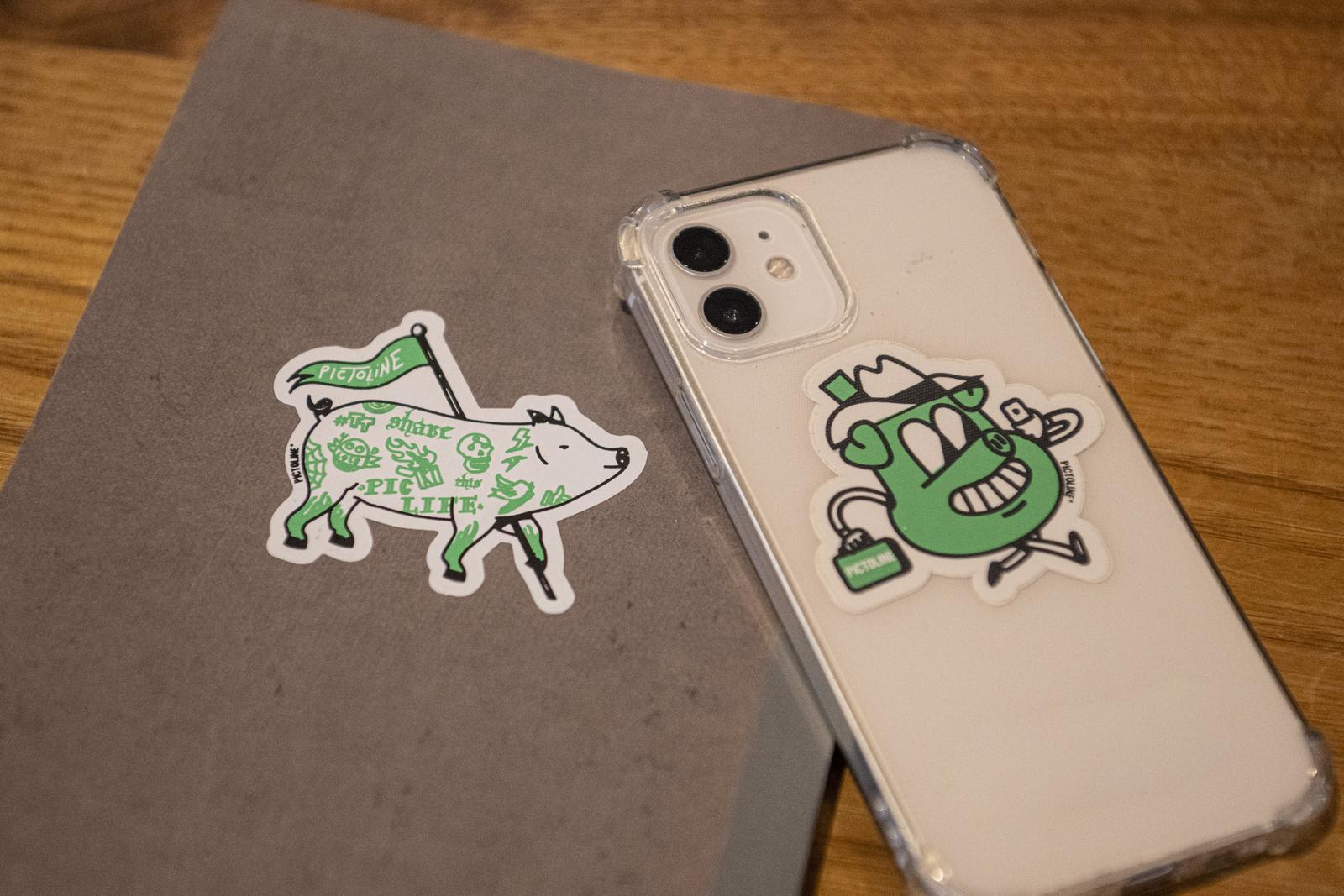
He believes that illustrated characters are a particularly effective way of connecting with an audience. One of Pictoline's most successful endeavors to date was the animated series La Vida Secreta de tu Mente (The Secret Life of Your Mind), featuring a cute, animated brain called Ceri who leads viewers on a tour through the workings of the human mind. Based on a book by neuroscientist Mariano Sigman, the series was produced with Warner Bros. Discovery and developed with HBO Max, and received an International Emmy Award in the Kids: Factual & Entertainment category in 2024.
"People tend to form the strongest affinities when there are characters who they can identify with," says Salles. "It feels more like the information is a story coming from a friend."
A Natural Fit for Tokyo
In early 2026, Salles moved to Tokyo to support the launch of Pictoline Japan. He was intrigued by the opportunity to work within a society with such highly developed visual literacy. "Here in Japan, you see illustrated characters everywhere. Beyond the obvious examples of anime and manga, they turn up in every corner of daily life—advertising, safety information, weather forecasts. Favorite characters are given extensive backstories and other narratives."
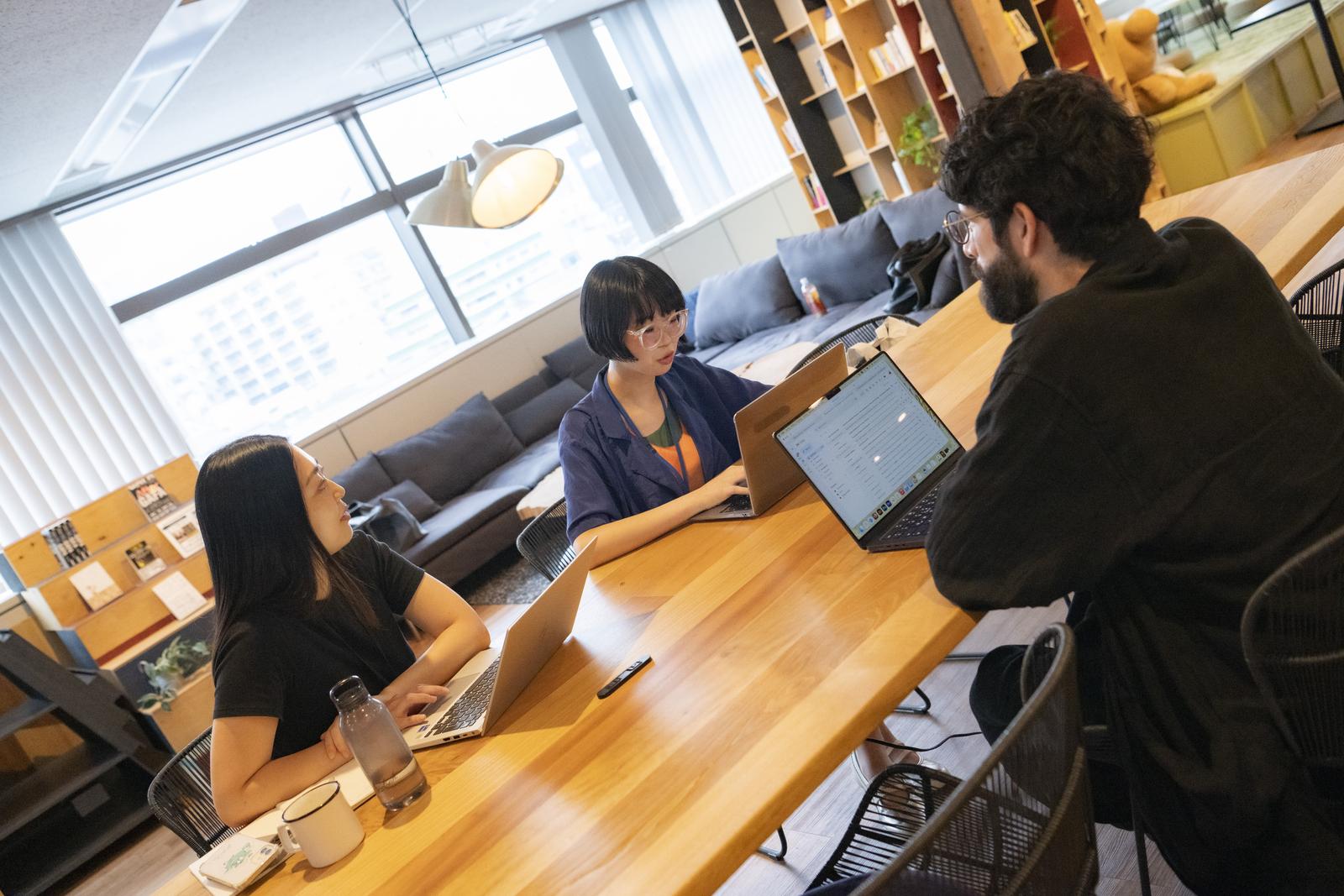
Given Pictoline's success in Latin America, he sees the company's approach as a natural fit for Japan. But he is careful to emphasize that Pictoline Japan is very much an independent enterprise, operating under a licensing agreement with Japanese digital media company Mediagene Inc.
"I've come to Tokyo as a consultant," he says. "But more than anything, I'm here to learn. Pictoline Japan is a Japanese company operated by Japanese staff for a primarily Japanese audience. I can help a bit with establishing the overall framework, but the stories they want to share—and the visual styles they use—are completely up to them. I'm just eager to see what they come up with."
While Tokyo obviously differs greatly from Mexico City culturally, Salles sees Japan's capital as a place that encourages creativity to thrive. "Tokyo is like a huge living organism," he says. "There is always so much going on—from huge mainstream events to small niche gatherings. I also see a lot of pop-up stores and crossover events here, which I think is really exciting. And as an illustrator, the sheer number of things you experience here just walking around the city is a boundless source of inspiration."

He acknowledges that it can be hard to get your head around such a big city. "I'm sure that future artists of Pictoline Japan will find many fascinating ways to illustrate what kind of city Tokyo is and what it means to them."
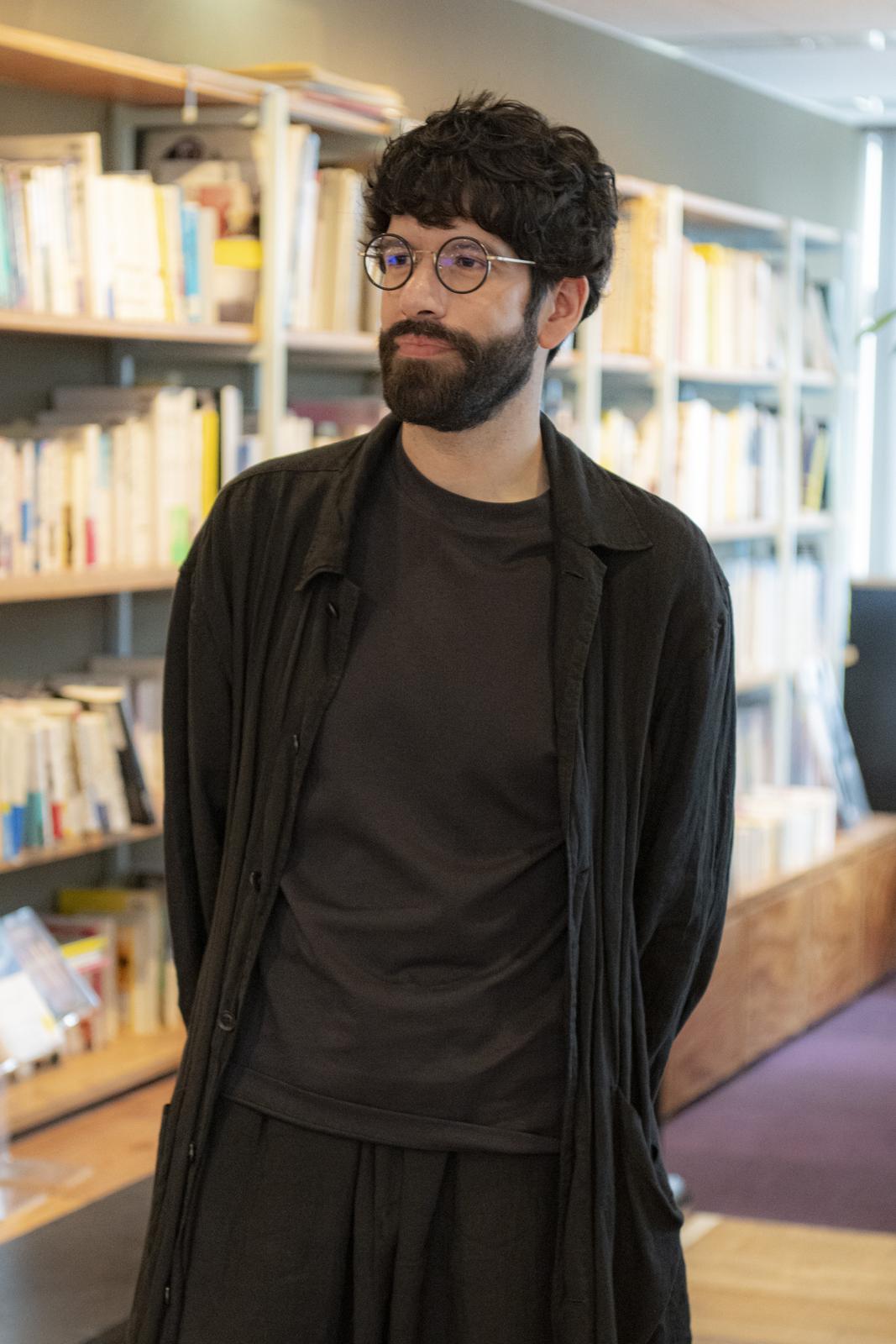
Eduardo Salles
Mediagene Inc.
https://www.mediagene.co.jp/en/* Future updates on Pictoline will be published under the News section of the site.