







Former Japan National Team Basketball Player Okada Yusuke Envisions an Inclusive Future for All


This audio is generated by AI, so pronunciation and expressions may not be fully accurate. The narration is only in English.
Cultivating Value Beyond the Court Through a Dual Career
Including his student years, Okada spent nearly 30 years playing basketball, 18 of them professionally. Despite dedicating "almost his entire life" to the sport, he also passed Japan's certified public accountant examination in 2010 and became known as a pioneer of the dual-career approach.
Reflecting on his dual career, Okada says: "There are only 24 hours in a day, whether I was juggling basketball and studying during my playing career or now that I've retired. Doing both taught me how to make time, focus fully on whatever I was doing, and use that time effectively. I think I've always been someone who thrives on having more than one thing going on."
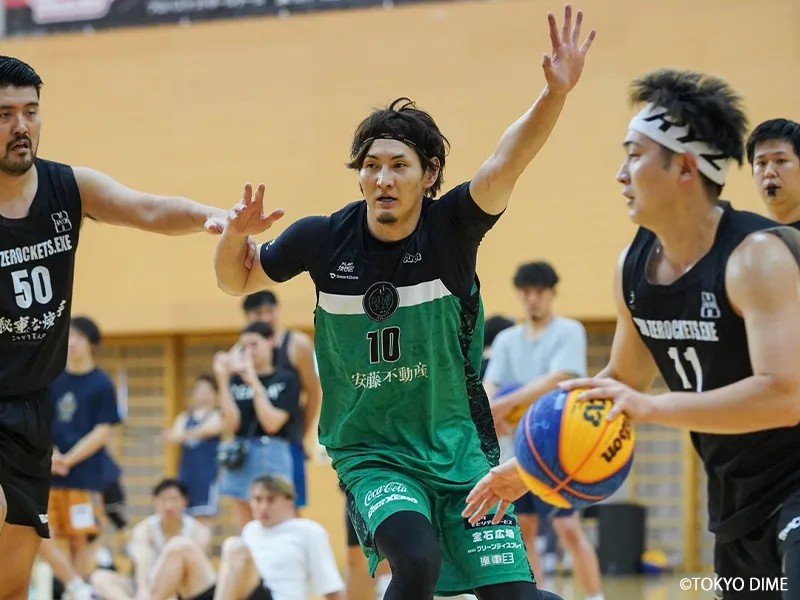
Professional sports is an unforgiving, fiercely competitive world where there are limits that hard work alone cannot overcome, whether due to physical attributes or natural talent. That is why Okada has always focused not only on improving his performance on the court, but also on growing as a person off it.
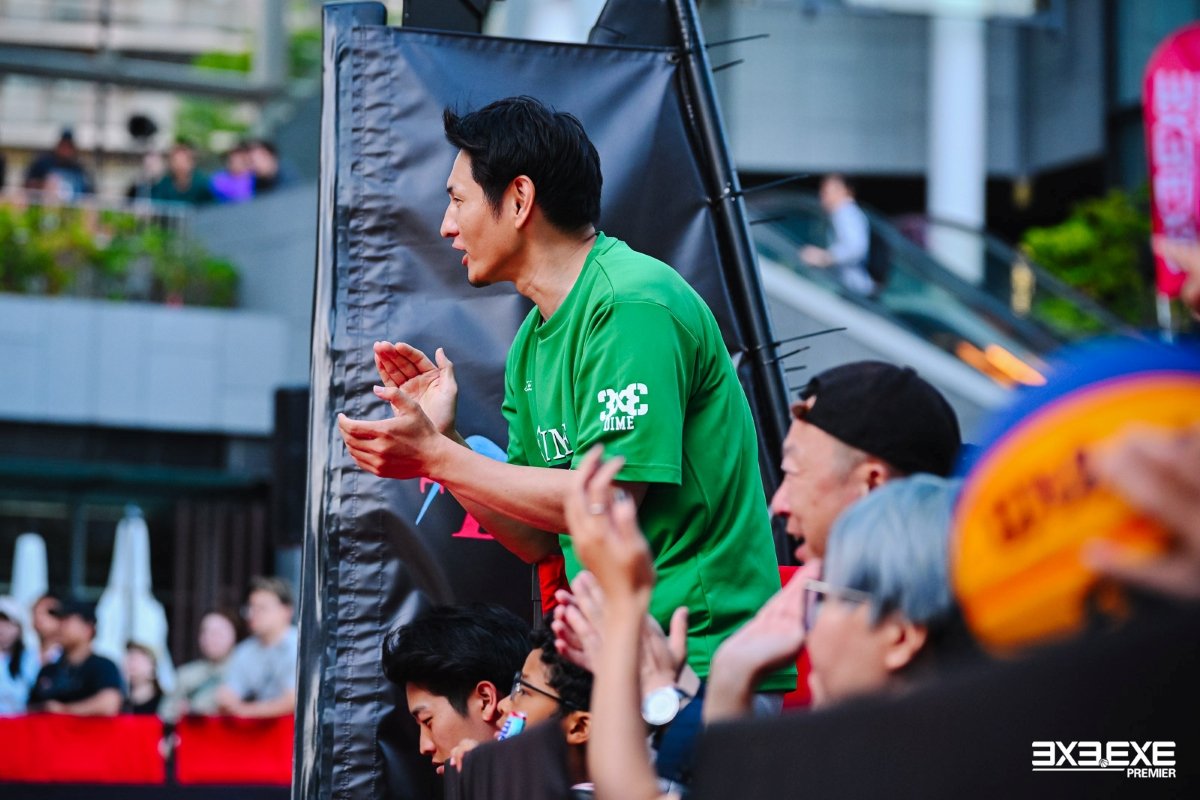
Okada believes that a professional athlete's value extends far beyond performance on the court. What matters, he says, is whether fans want to support them—not just for how they play, but for their off-court activities, public presence, and who they are as a person. Throughout his career, Okada gave the same level of commitment to competition as he did to sharing his experiences and showing who he was beyond the court, believing that this was what ultimately enhanced his value as an athlete.
Making Waves in Japanese Basketball's Darkest Days
In 2014, Okada founded the 3x3 basketball team TOKYO DIME. At the time, the B.League, which launched in 2016, had yet to be established. Japanese professional basketball was divided between two leagues, the National Basketball League (NBL) and bj League, and the sport was subject to international sanctions—a period widely regarded as the "dark age" of Japanese basketball.
Okada explains, "Even though players in 5x5 basketball were close, it was frustrating that being in different leagues kept us from competing on the same court. So when the new professional 3x3 league was launched, I wanted to bring together players from all kinds of backgrounds—from the NBL and bj League to the street basketball scene—and have them play together on the same team. I wanted to send the message that 'players stand united' and create a ripple effect that would energize the entire basketball community."
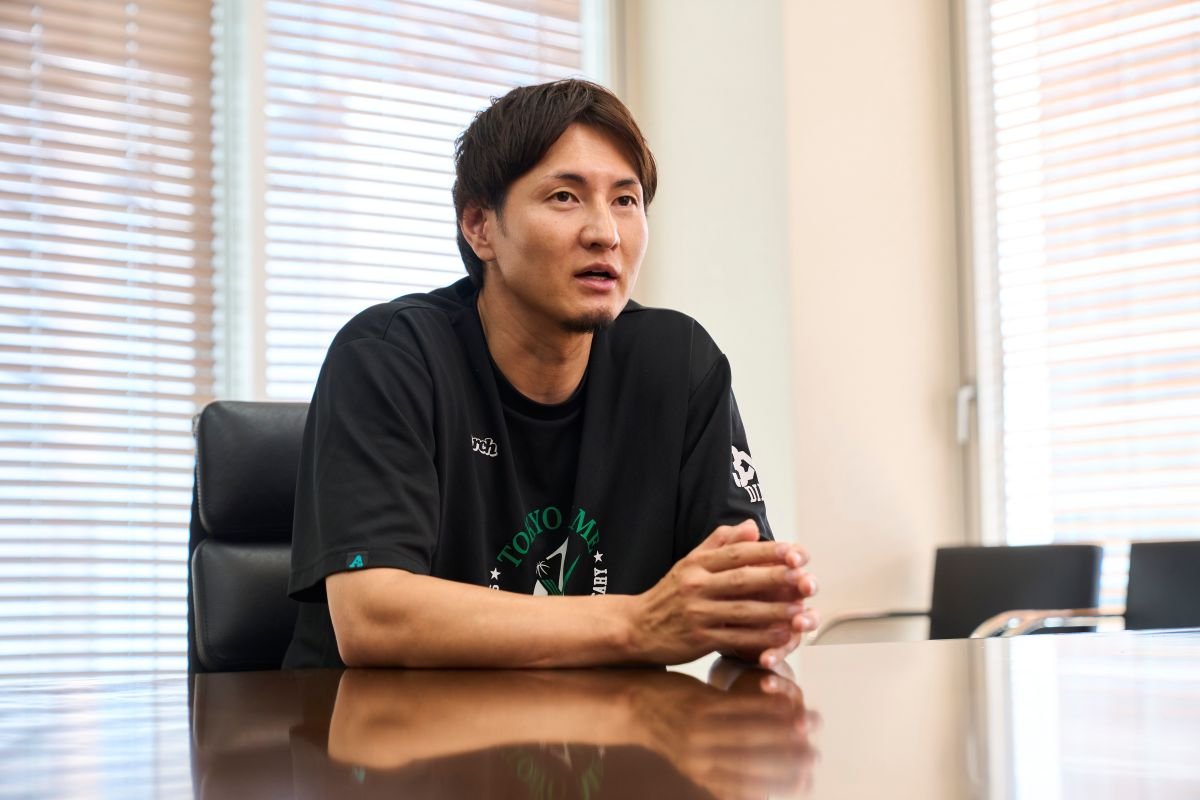
Okada chose Shibuya as the team's home base, a natural fit given his ties to the area through his alma mater, Aoyama Gakuin University, and its thriving street basketball scene centered around Yoyogi Park and Yoyogi National Stadium 2nd Gymnasium. The energy of Shibuya's burgeoning startup culture was also a perfect match for 3x3, itself an exciting new culture just beginning to take shape.
The team name DIME, Okada says, is basketball slang for a great assist. What he loves about the sport is the way teammates share the highs and lows rather than experiencing them alone. And to Okada, an assist is about much more than passing the ball—it is about making someone happy, bringing people together, and encouraging teammates to play their best. He brings this "assist mindset" to both running his business and coaching at his basketball school, where it remains central to his approach.
The Global Potential of Tokyo's 3x3 Basketball
One of the defining features of 3x3 basketball is that club teams have a direct path to international competition. After winning the domestic league and becoming its inaugural Grand Champion, TOKYO DIME went on to represent Tokyo in international tournaments around the world on numerous occasions.
Okada says, "Competing internationally under a city name gives 'TOKYO' tremendous recognition around the world. The Tokyo brand is so strong that when we recruit international players, they come to us saying, 'I want to play for a team in Tokyo.' Another strength unique to Tokyo is its rich, welcoming community, where players from overseas can come together across barriers of language and culture."
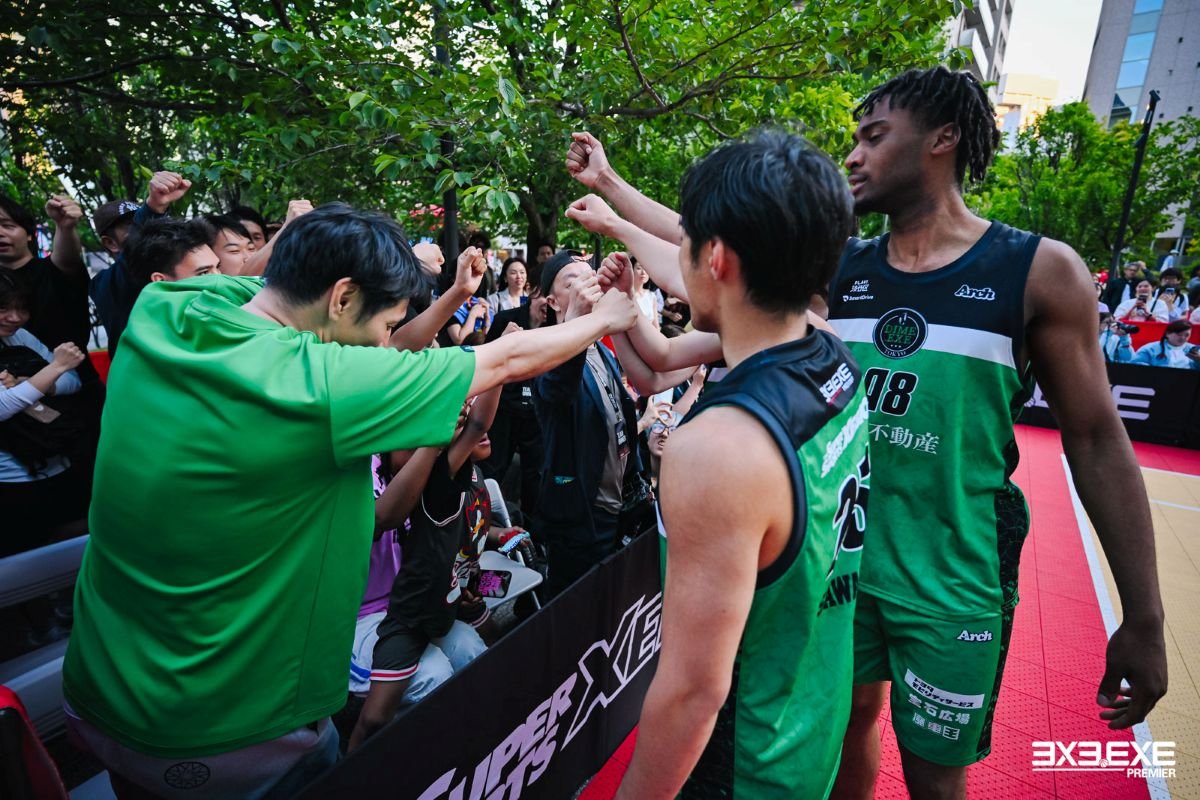
The Olympic Games Tokyo 2020 marked a turning point for 3x3 basketball, transforming both the environment surrounding the sport and public perceptions of it. Many people discovered 3x3 for the first time during the Games and became fans, helping its appeal spread rapidly across Japan. For Okada, the greatest legacy of Tokyo 2020 is the emergence of a sports culture that takes basketball beyond traditional arenas and into everyday places where people gather, transforming train station plazas, shopping malls, and office districts into courts.
"An intense basketball game suddenly springs to life in an everyday space where people are shopping or commuting, bringing something extraordinary into the ordinary," says Okada. "Passersby can simply stop and watch, giving anyone a casual first encounter with the sport. That accessibility and the thrill of being close to the action are what make 3x3 such an appealing urban sport."
Creating a Space for Kids Beyond School Sports Clubs
Since retiring from professional basketball, Okada has made supporting the next generation a major focus. His efforts have continued to expand, with the launch of U15 and U18 girls' 3x3 teams in 2024, followed by U15 and U18 boys' teams in 2026. It all began when he met a female high school basketball player.
Okada recalls, "A 17-year-old girl came to my school after leaving a top basketball school with nowhere else to turn. She told me, 'I want to play basketball at a high level again,' so I immediately put out a call for players her age and pulled together a team. We entered a tournament and ended up making it all the way to the national championships. That experience opened my eyes to just how many young people across Japan struggle after finding themselves outside the traditional path of school sports clubs, or simply because they haven't found an environment where they fit."
As school sports activities increasingly shift into the community, Okada saw a need to create a place where young people could continue playing basketball and have the chance to shine again. That vision became a driving force behind the creation of the youth teams.
"Only a small fraction of players will ever turn professional. That's why, more than anything they learn on the court, I want young people to experience what it means to work toward a goal and share the highs and lows with their teammates. I want them to grow into people who embody the 'assist mindset' at the heart of everything we do, so I make it clear that if they cannot embrace that philosophy, this may not be the right team for them. I want young people who have faced setbacks but have the resilience to keep going to come here, dream again, and take on new challenges."
A City Where Everyone Can Take on New Challenges and Come Together
Okada has also been strengthening his grassroots ties with the community. Based at a new community center in Honmachi, Shibuya City, he launched the DIME Basketball School Shibuya Honmachi Campus, open to children as young as three. By hosting social gatherings and lunches for parents, he is building a warm local community that brings entire families together.
"These days, the kids even call me 'Principal!'" Okada says with a laugh. "Through sports, parents can connect with one another and feel at ease, and I feel we're creating an environment where the whole community can come together to support the children."
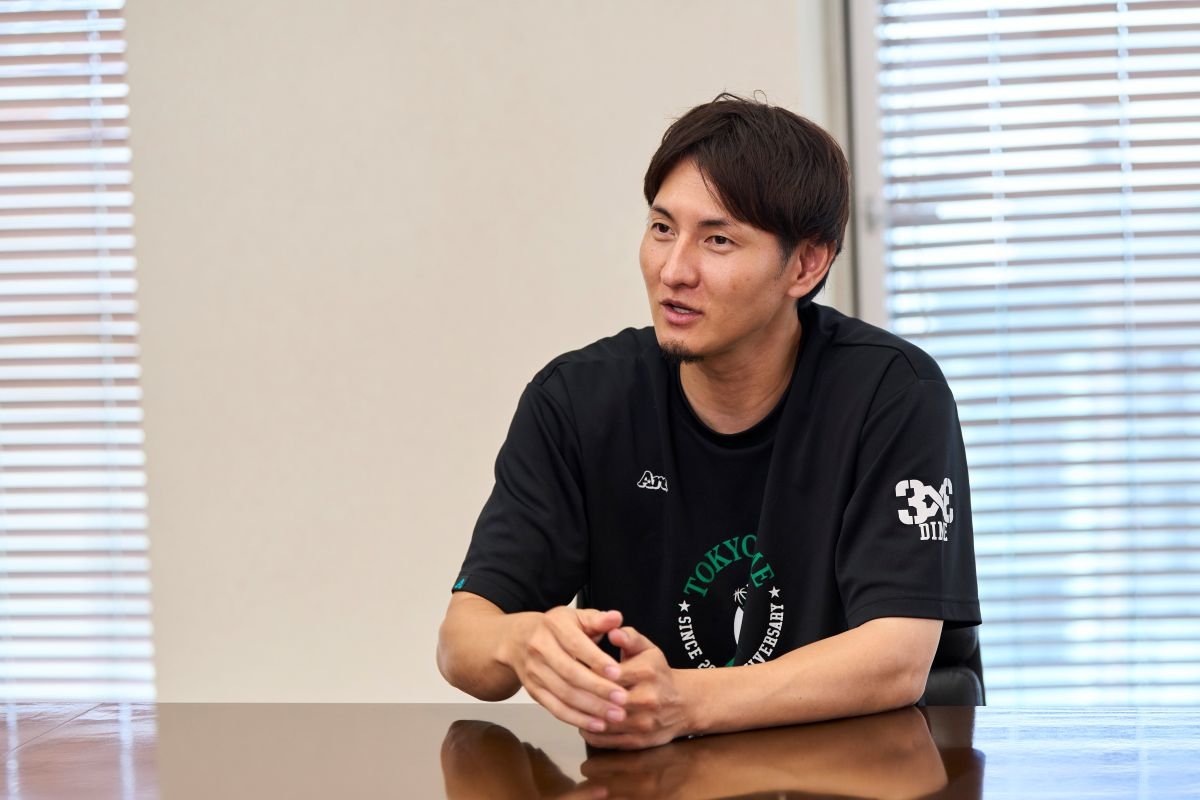
His experience raising a son with a disability has also led Okada to expand his work to include the DIME Smile Exercise Program for children with developmental or intellectual disabilities.
"From my own experience, I know firsthand just how challenging it can be for children with disabilities, as well as for the parents and families who support them. I want to create a place where children can discover the joy of being active through sports and where their families can relax and feel at ease. Going forward, I also want to do more to provide inclusive support in ways that only someone with my experience can."
Having retired from professional basketball and embarked on a new chapter, Okada's vision for the future is rooted in giving back and gratitude for the connections he has made along the way.
Okada says, "I want to give back to the people I've met along the way and to the basketball community by making the businesses and schools I'm involved in even better. With the 5x5 B.League continuing to grow, I also want to help take the entire 3x3 scene to the next level and make an even greater impact on society. From Shibuya, Tokyo, I want to keep sharing the possibilities that sport can offer and the excitement of what lies ahead."
Okada Yusuke
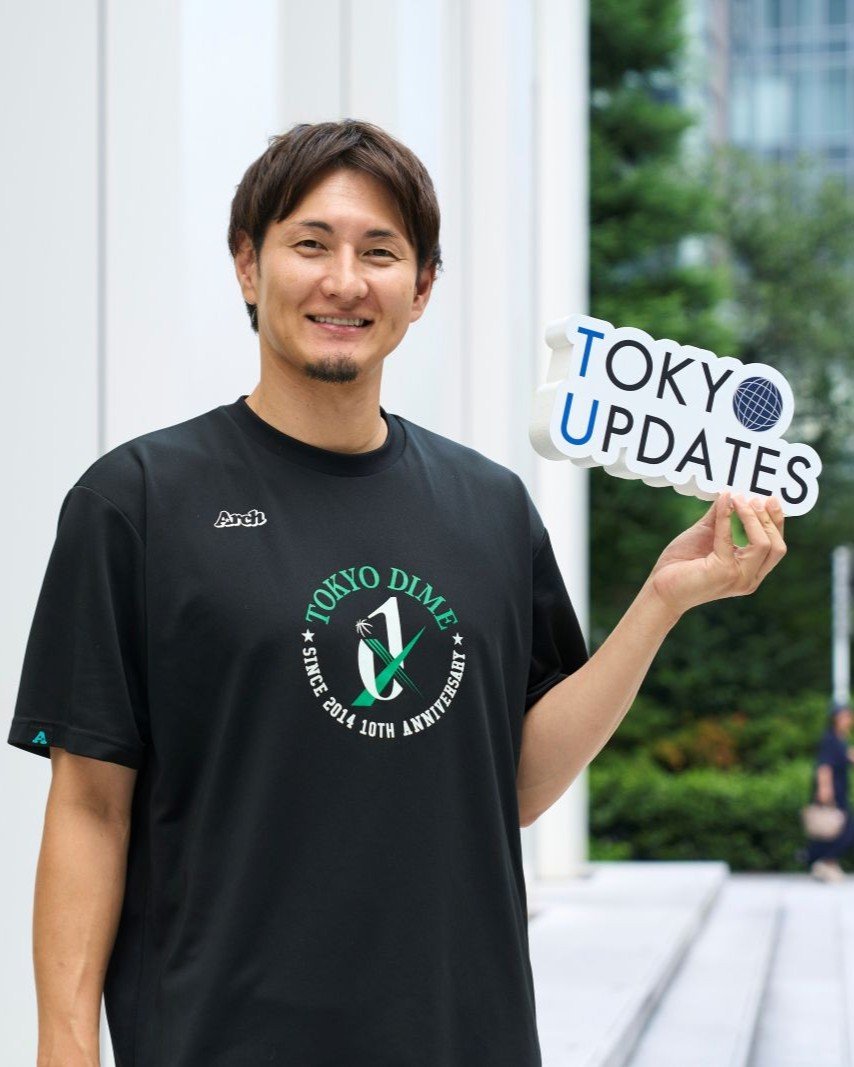
Photos by Fujishima Ryo
Translation by Luna Lys