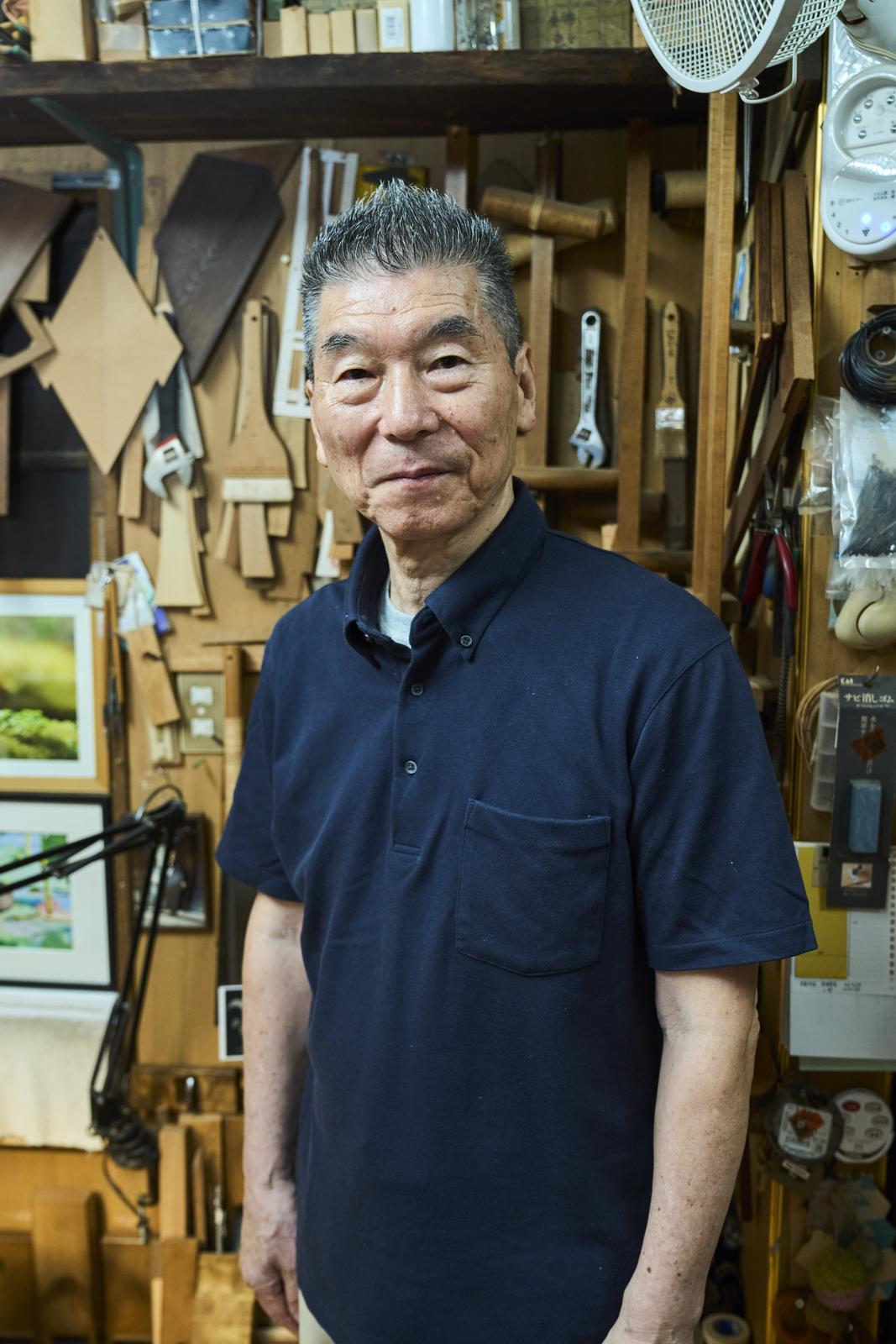







Edo Sashimono: A Traditional Craft Shaped by the Edokko Spirit


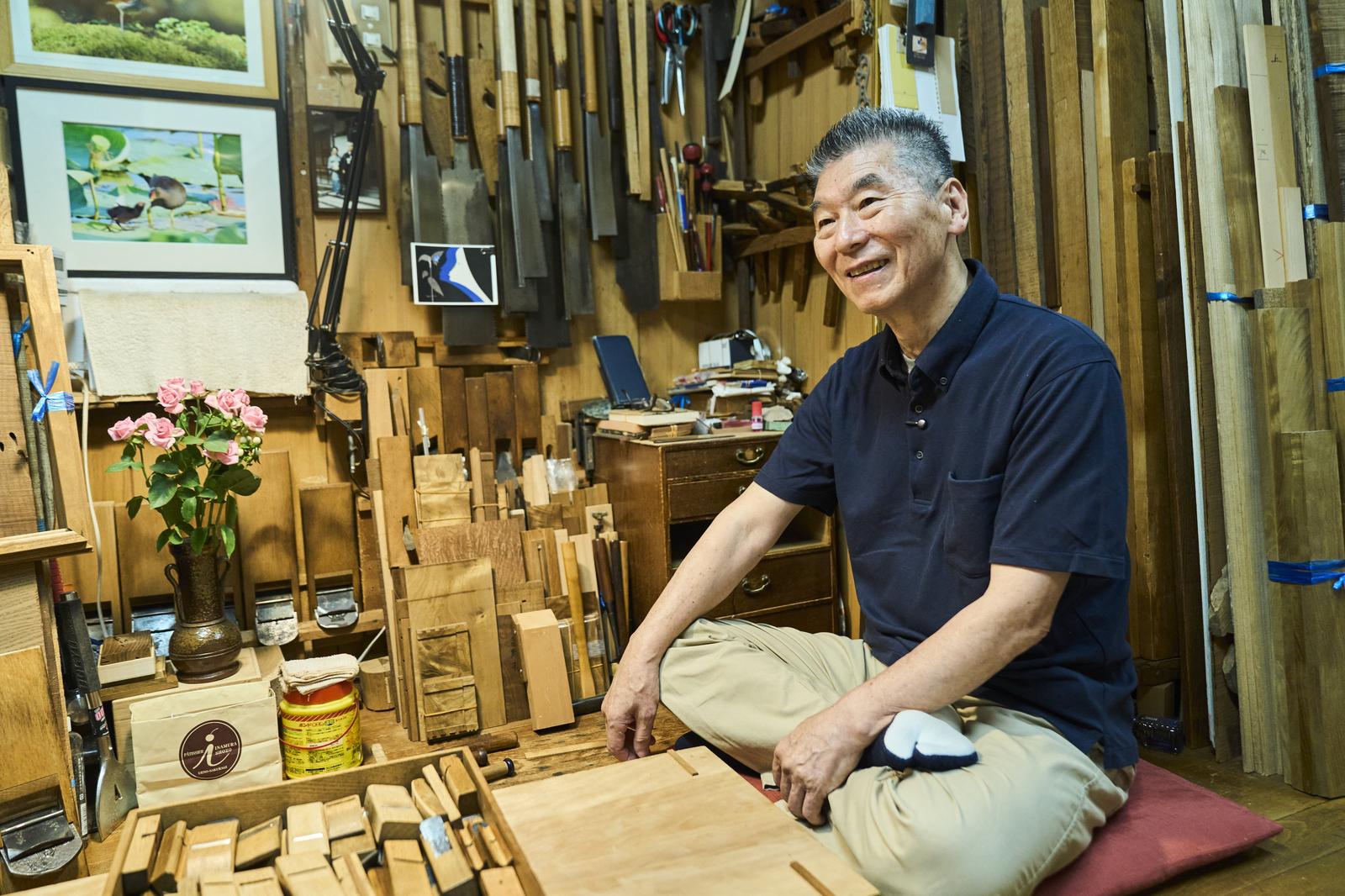
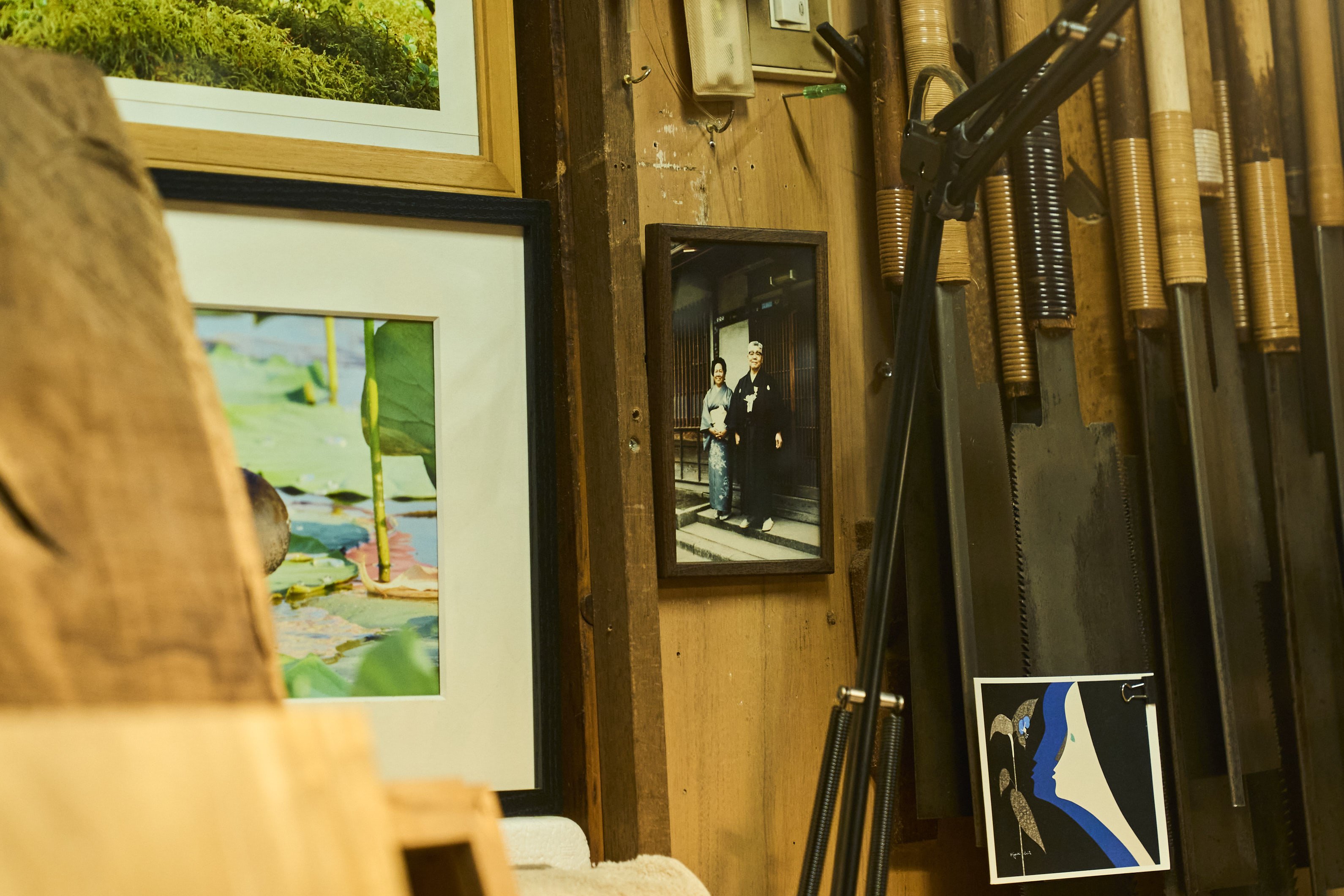
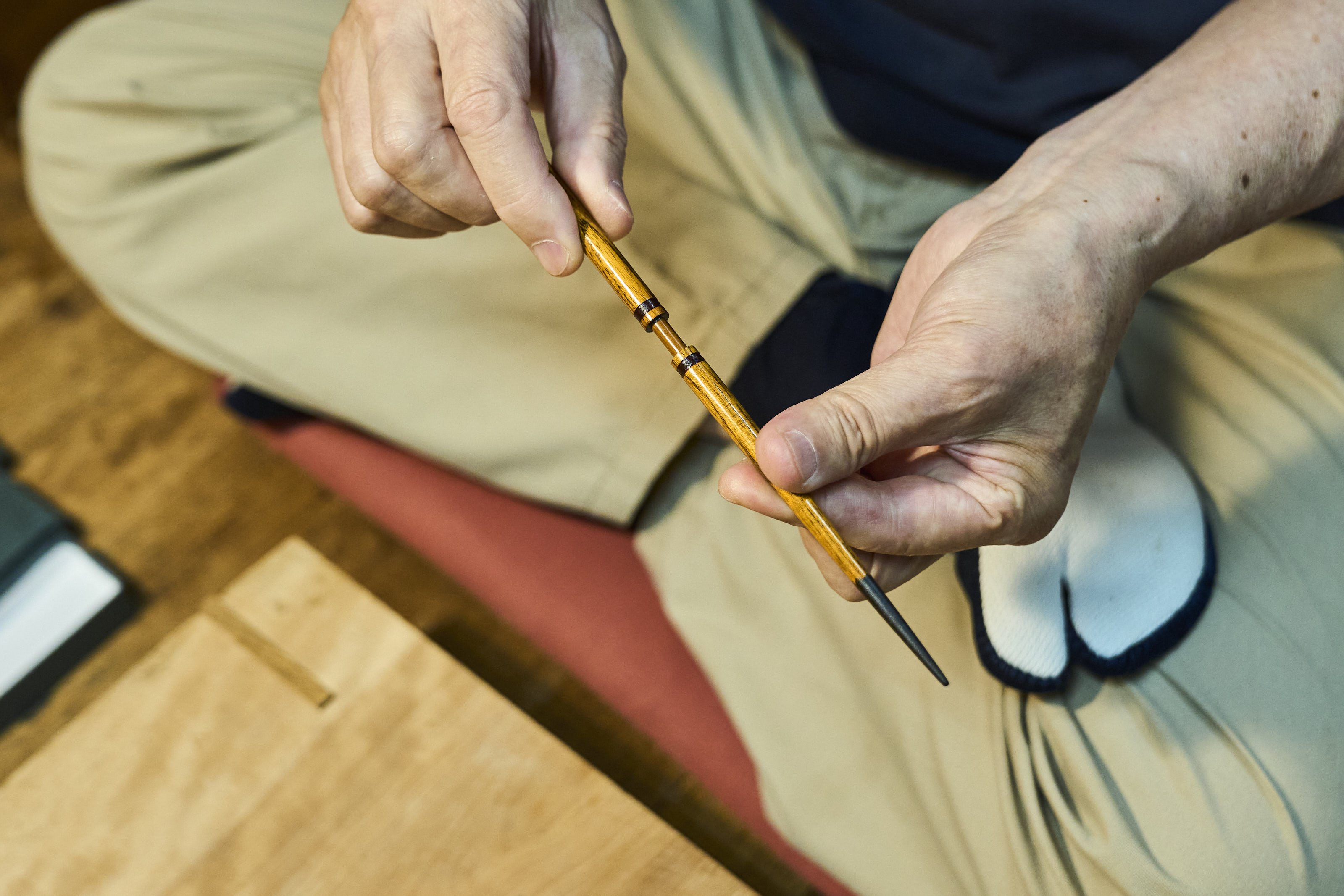
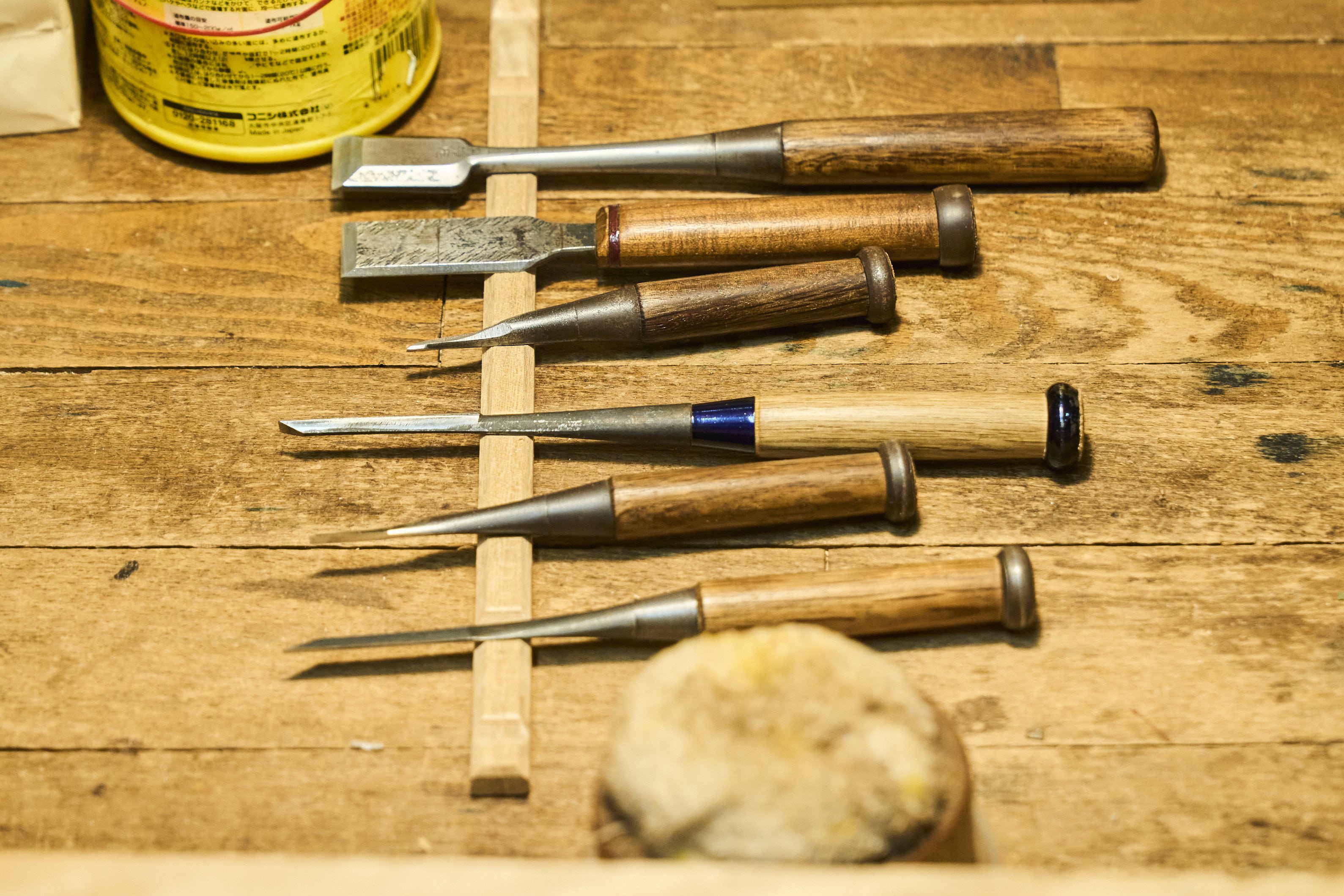
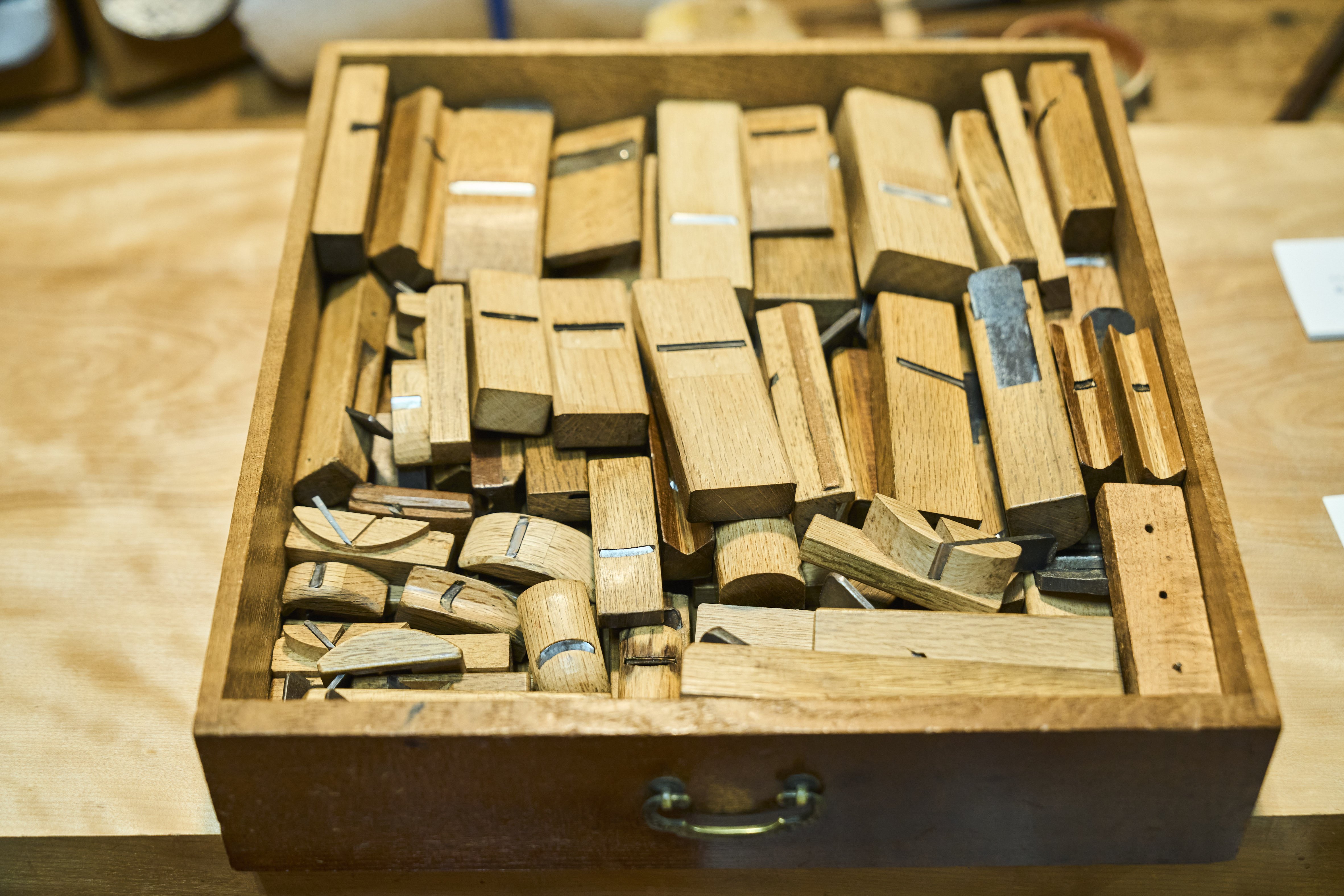
Edo Sashimono craftsman Toda Toshio. He says this compact workspace, where he can reach all his tools without moving around, is ideal for a sashimono craftsman.
This audio is generated by AI, so pronunciation and expressions may not be fully accurate. The narration is only in English.
From Dreaming of Carpentry to Becoming a Sashimono Craftsman
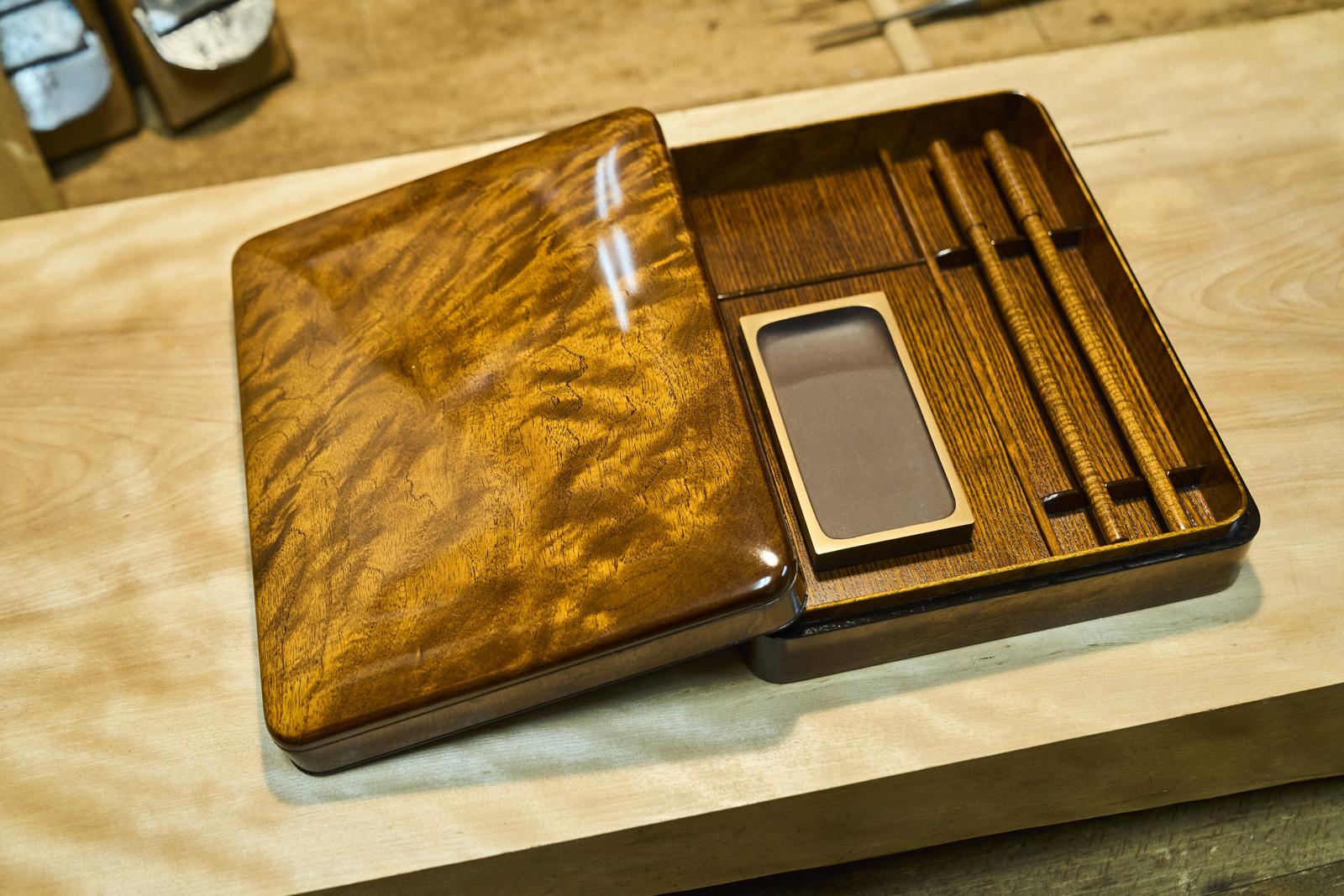
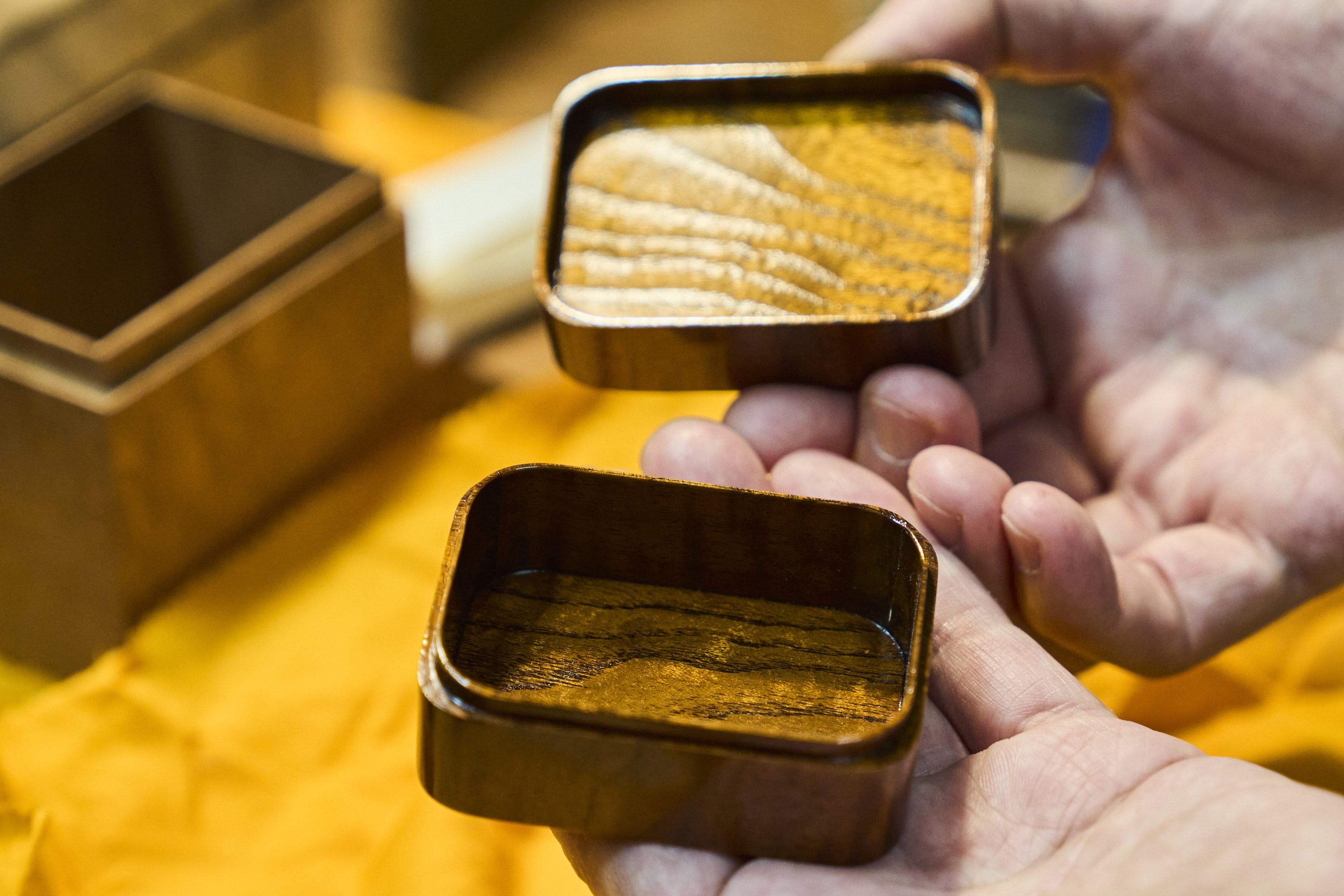
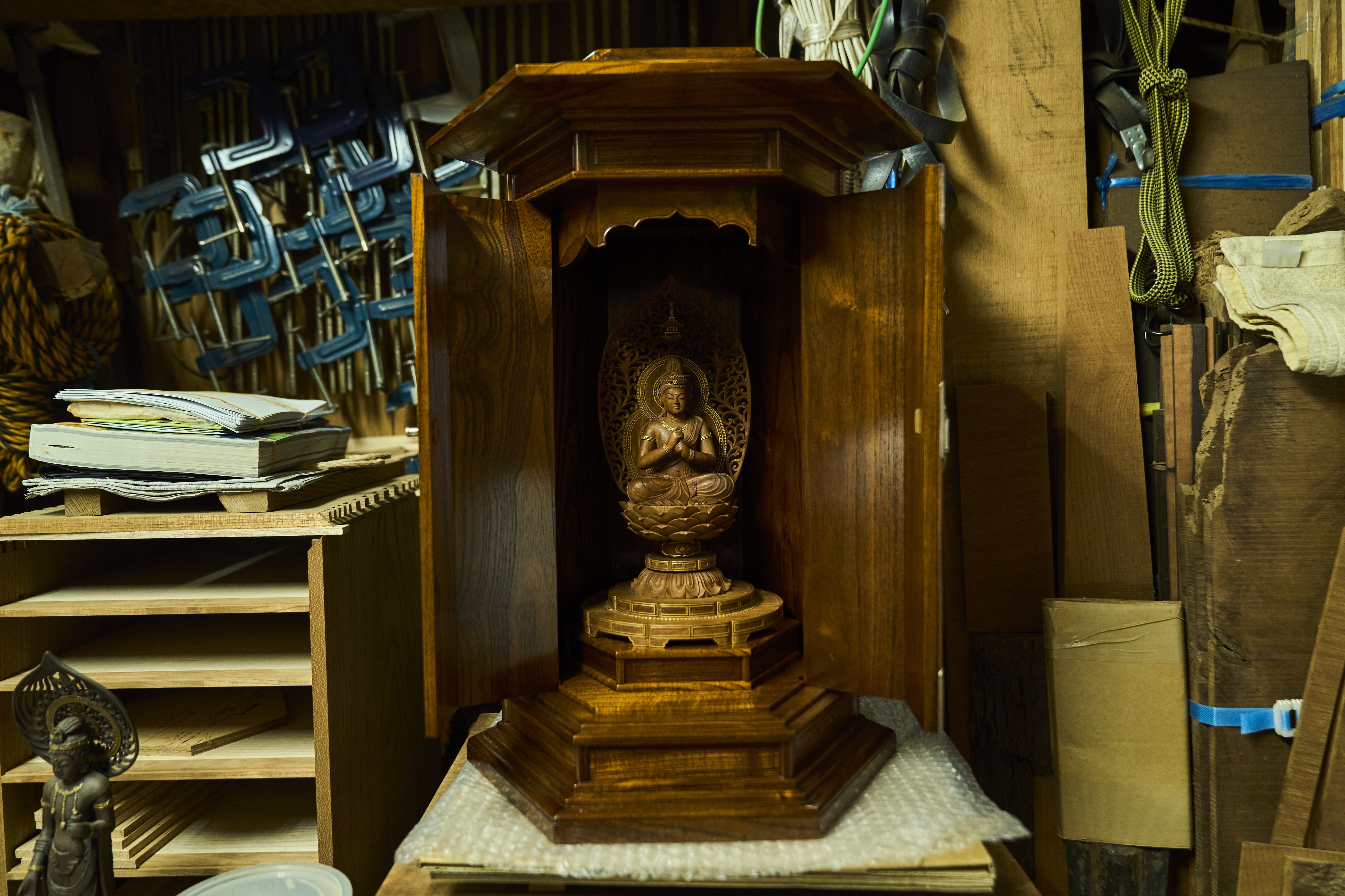
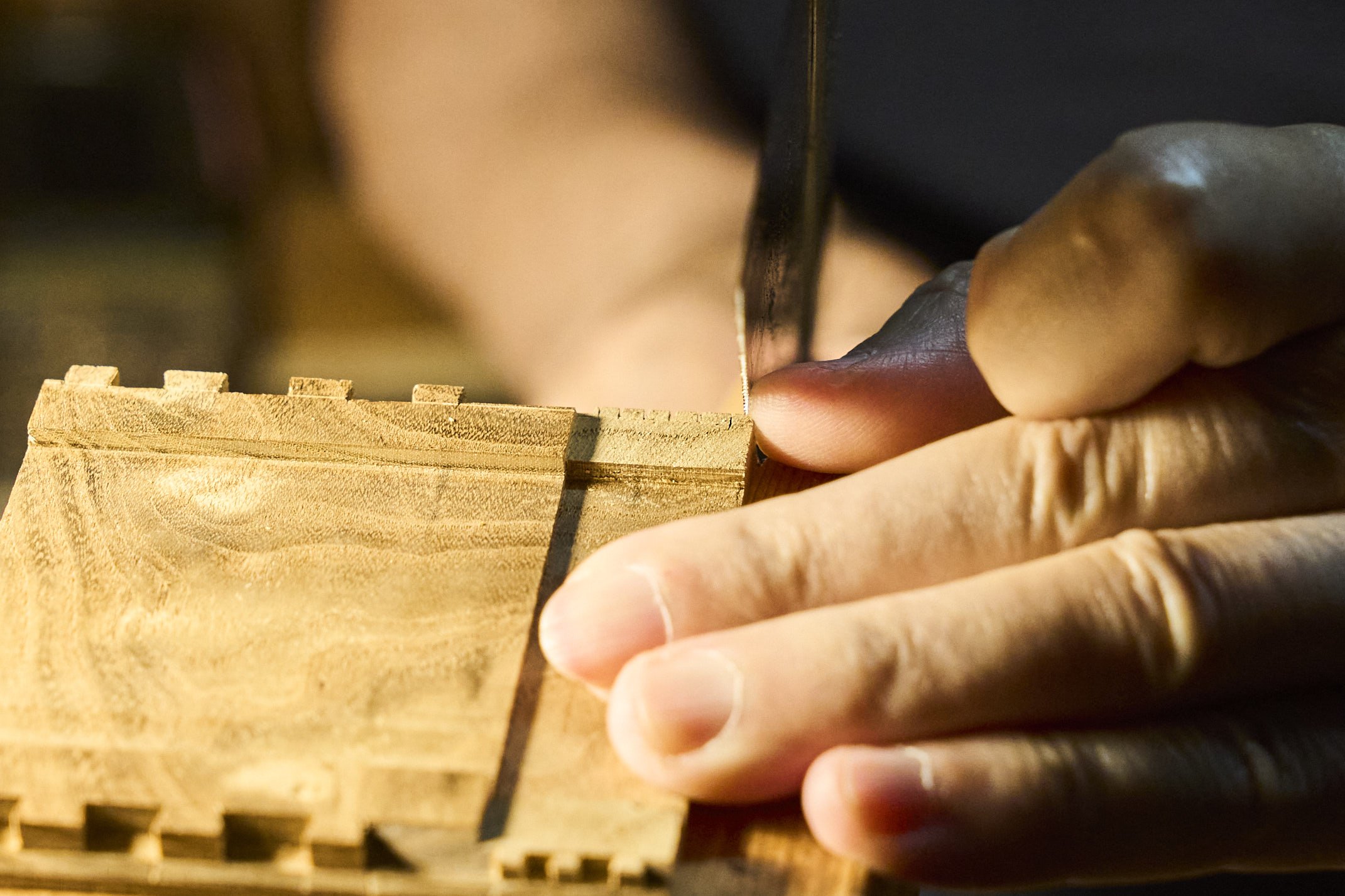
The history of sashimono is said to date back to the flourishing court culture of the Heian period (794-1185). Edo Sashimono, which developed during the Edo period (1603-1868), was made for samurai families and townspeople alike. Eschewing elaborate ornamentation, it brings out the natural beauty of the wood grain through clean, sturdy designs. Artisans create everything from small items such as letter boxes and inkstone boxes to larger pieces of furniture, including chests and desks. One of the defining features of Edo Sashimono is its distinctly Edo sense of iki (stylish sophistication), with meticulous craftsmanship often reserved for parts hidden from view.
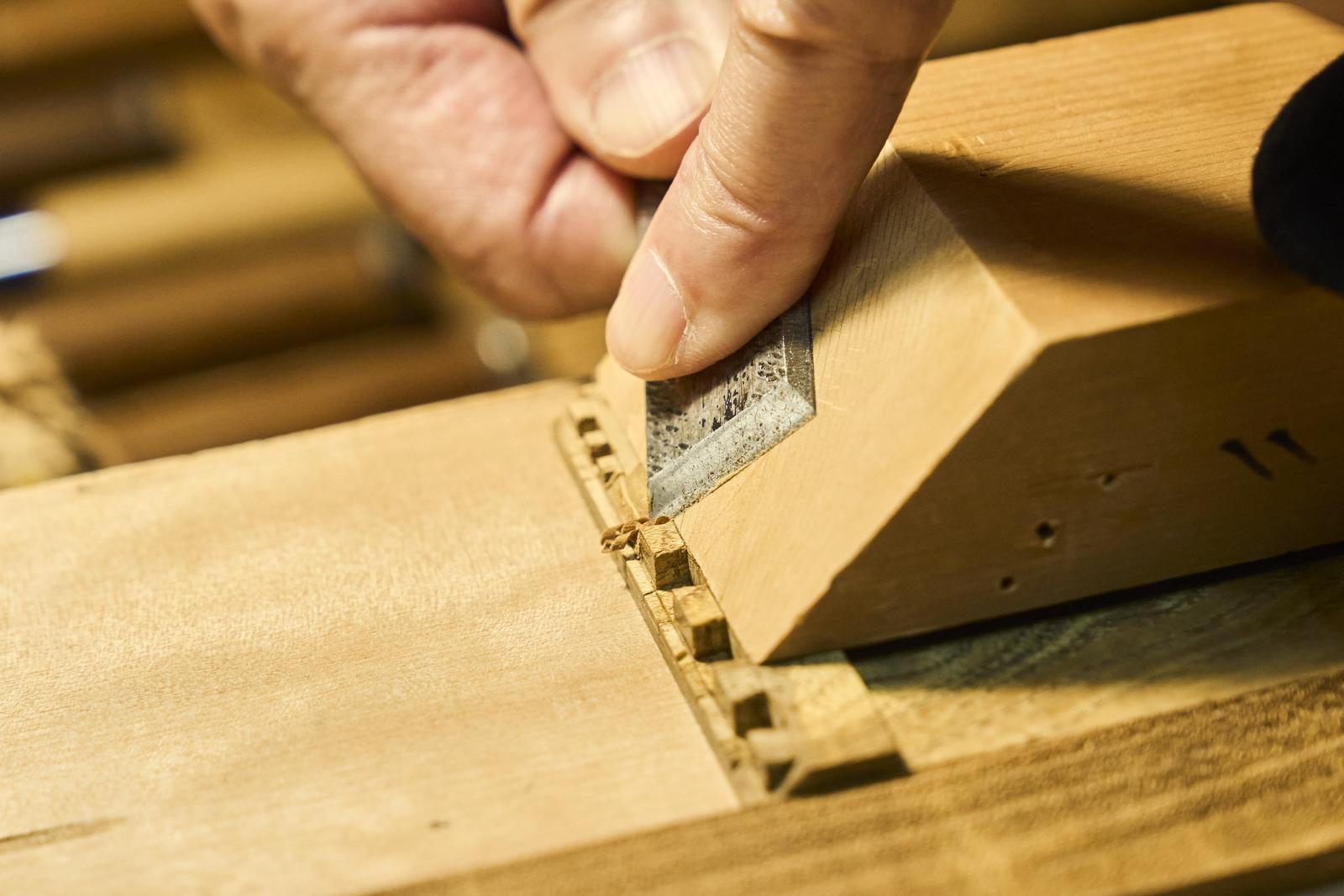
Toda began his apprenticeship at 18. His path began in sixth grade, when watching carpenters at work up close inspired him to follow in their footsteps. After graduating from junior high school, he enrolled in the woodworking program at a vocational training school.
"Around the time I graduated, one of my instructors took me to meet a master Edo Sashimono craftsman," Toda recalled. "He already had several apprentices but was apparently looking for one more, so I became a live-in apprentice without knowing the first thing about sashimono."
That master craftsman was Shimazaki Kuniharu, a renowned figure in Edo Sashimono. Rather than being left to watch and pick up techniques on his own, Toda was made to sit beside Shimazaki and had the skills drilled into him through intensive training. Shimazaki was intimidatingly strict, but no question was too minor for him to answer.
When Toda turned 20, his master asked him whether he wanted to learn the craft or earn money. Toda chose the former. According to Toda, all of the senior apprentices had chosen money. That decision set the course of his life and ushered in a new phase of rigorous training, during which he could never let his guard down.
Wowing Celebrities from Around the World at Cannes
Since striking out on his own following his master's death, Toda has placed the greatest importance on understanding the characteristics of wood, which he regards as the foundation of Edo Sashimono craftsmanship.
Toda explains, "Of course, technical skill and a good eye for design are important. But if you get too caught up in appearances, it will always come back to bite you. What matters is knowing that no two pieces of wood are alike and being able to read their individual characteristics. Once cut into boards, they differ in flexibility, sheen, and luster. And even then, wood continues to breathe. It expands, contracts, warps, and twists, with every board behaving a little differently. Each one has a temperamental personality of its own."
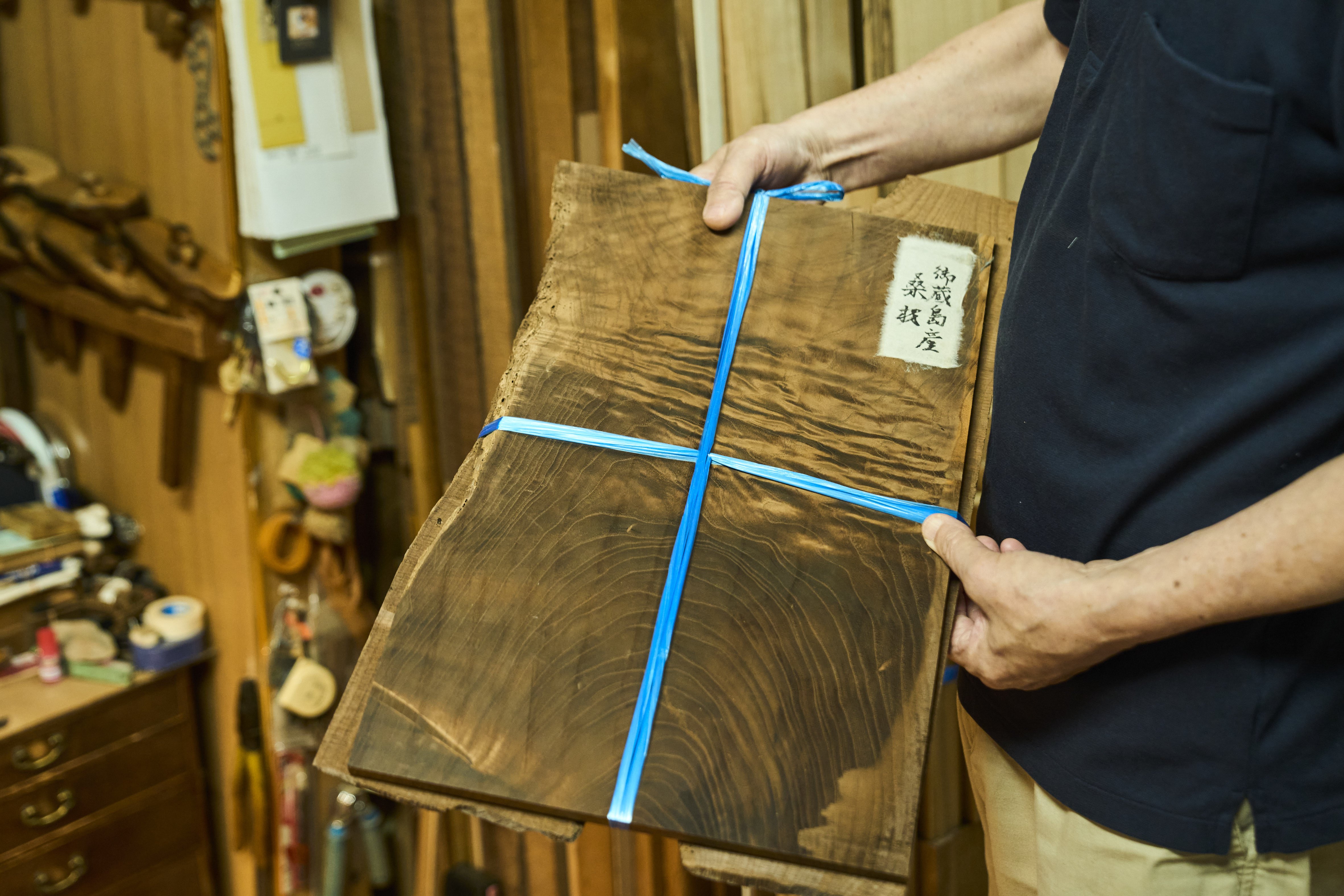
Edo Sashimono has traditionally been made from solid pieces of natural wood rather than plywood or other engineered materials. Mulberry, one of the hardest deciduous woods in the mulberry family, has been particularly prized. Toda considers the finest of all to be Japanese mulberry, which grows wild on Miyakejima, Mikurajima, and several other parts of the Izu Islands, south of Tokyo.
According to Toda, mulberry wood generally darkens as it ages. Japanese mulberry, however, is different: no matter how many years pass, the aging process stops once the wood reaches its finest color, a rich tortoiseshell hue. That, he says, is precisely why it is considered such a prized wood. "If you cannot judge those characteristics with your own eyes, you cannot make it as a sashimono craftsperson."
In May 2025, Edo Sashimono pieces by Toda were showcased as leading examples of Japanese traditional craftsmanship at CANNES GALA 2025, an international social event held during the 78th Cannes Film Festival. Celebrities from around the world marveled at their precision and beauty.
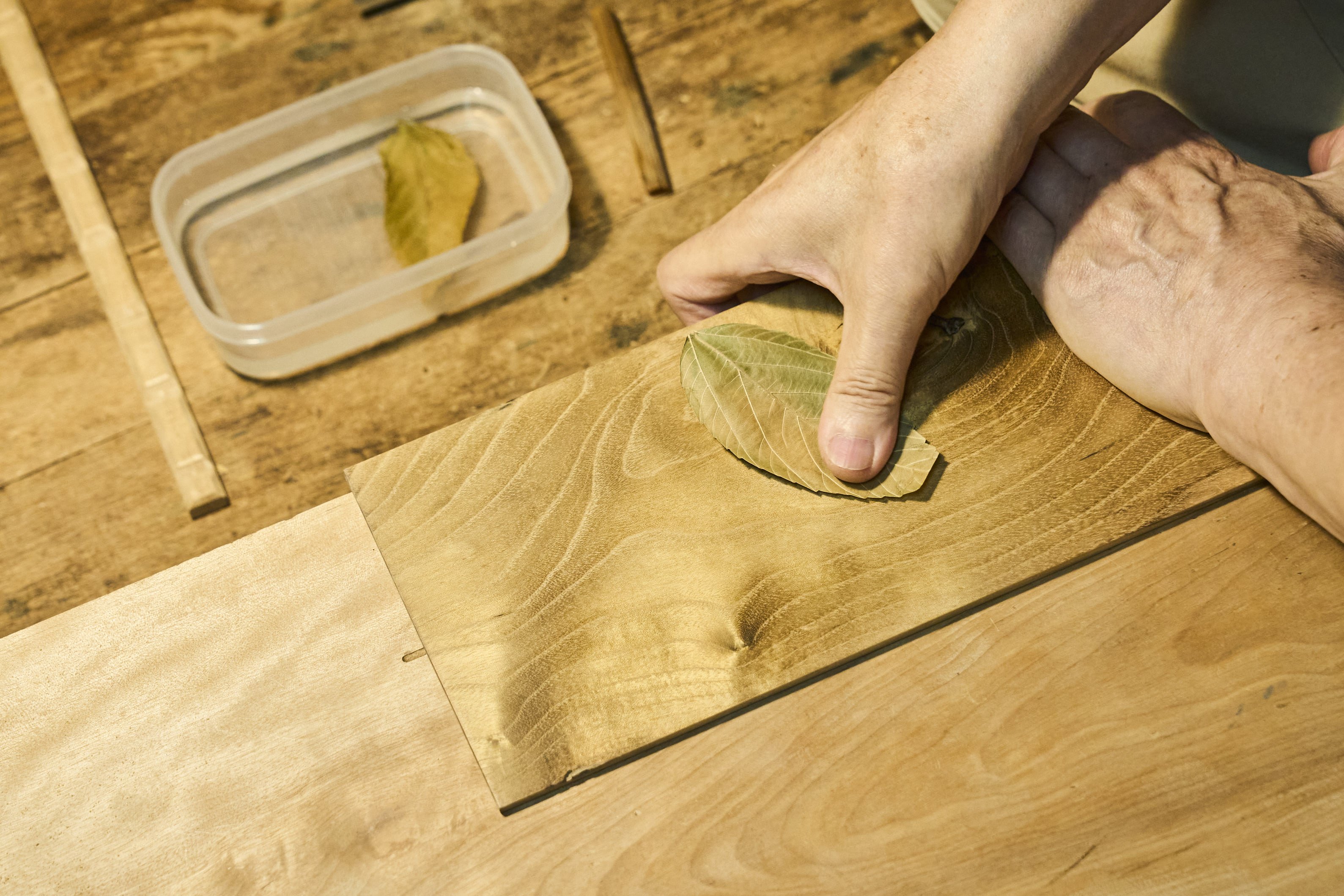
Toda suggests that while Japanese people may be accustomed to seeing mokume, the intricate and rare figuring that develops in wood as growth rings are affected by damage, weather, and other factors, people overseas may find it uniquely beautiful.

Sustained by the Edokko Spirit of Iki
Having headed several organizations representing sashimono craftspeople, Toda is now concerned about who will carry the craft forward. When he began his training, there were more than 40 Edo Sashimono craftspeople. Today, he says, fewer than 10 remain.
Toda recalls, "My master often used to say that a sashimono craftsperson can become a carpenter, but a carpenter cannot become a sashimono craftsperson. You really have to start training while you're young if you want to master the trade. I started down this path at 18, and even now, I feel as though I am still learning."
Toda sees the enduring spirit of the Edokko, or native Edoites, as one reason the craft has survived.
"Decorating what everyone can see is actually the easy part. The Edokko approach is to keep the exterior understated while lavishing ingenuity on the details hidden from view, creating something beautiful in the process. That's the essence of iki. I think it's because this spirit has endured that the techniques of Edo Sashimono have been preserved and passed down. Demand for sashimono has certainly declined, and there are fewer craftspeople today. That makes me all the more determined to share the appeal of Edo Sashimono with a wider audience and keep passing its techniques on."
Movie: Tokyo Metropolitan Government
Toda Toshio