







Keeping Tokyo Cool with Space-Age Tech


This audio is generated by AI, so pronunciation and expressions may not be fully accurate. The narration is only in English.
Sending Radiation Back to Space Is Simple Physics, Not Sci-Fi
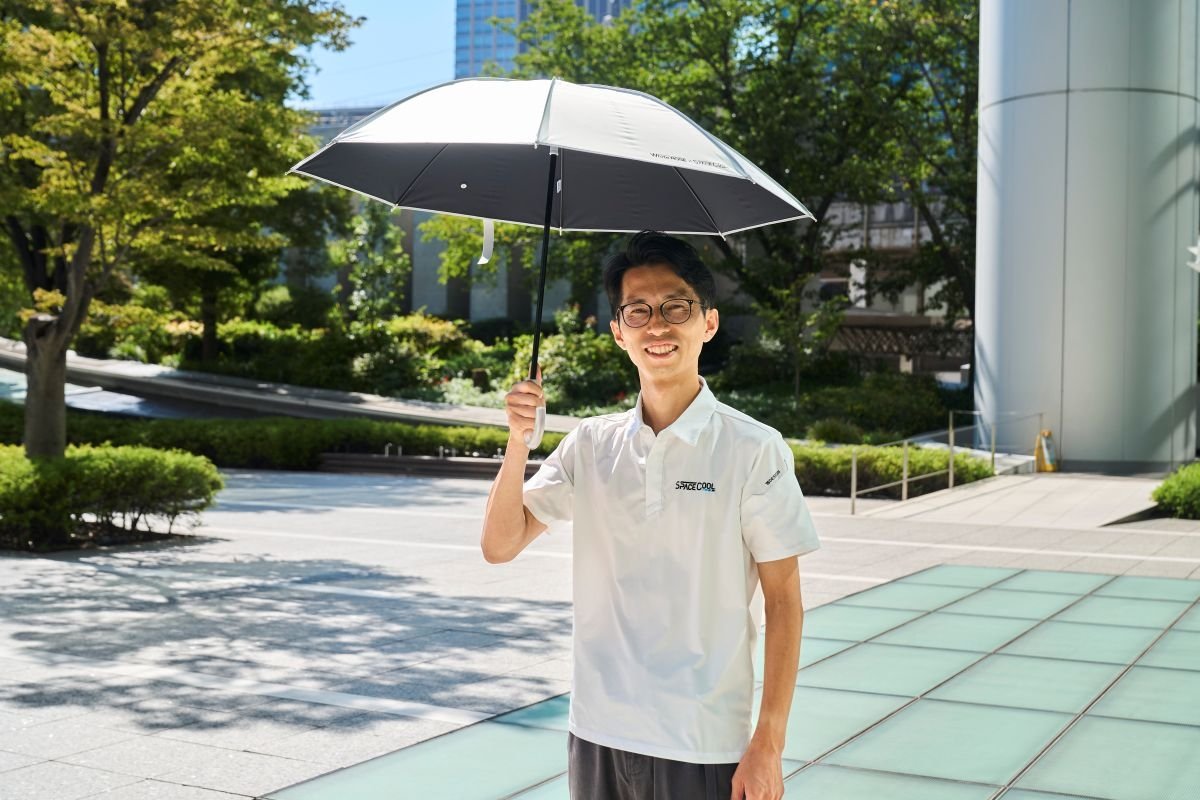
The research that would eventually lead to SPACECOOL's groundbreaking technology began while Suemitsu was a graduate student at Kyoto University. After his investigations of photonic crystals were featured in the prestigious scientific journal Nature, he began to focus on research into the development of radiative cooling materials. Seeing the real-world potential of this technology, he started developing SPACECOOL in 2017 and established SPACECOOL INC. as a commercial startup in 2021.
"During my studies in Kyoto, I was employed in the energy sector," Suemitsu explains. "I think that it was probably this combination that led to the conception of SPACECOOL. Working in the energy sector made me keenly aware of the challenges of providing enough energy to large populations at affordable prices. It also showed me that research can have a real impact if thoughtfully applied to real-world problems. Dealing with the summer heat in Japan came to mind, and my background in photonics led me to radiative cooling materials as one possible solution."
SPACECOOL's materials sound like something out of a science fiction novel, but they are based on simple scientific principles. The Earth's surface is constantly releasing heat into space in the form of infrared radiation, which is why clear nights are cool. On hot days, solar input exceeds the infrared rays emitted from the Earth, which makes the ground heat up. With buildings, this heat is conducted through roofs and walls, leading to higher temperatures inside.
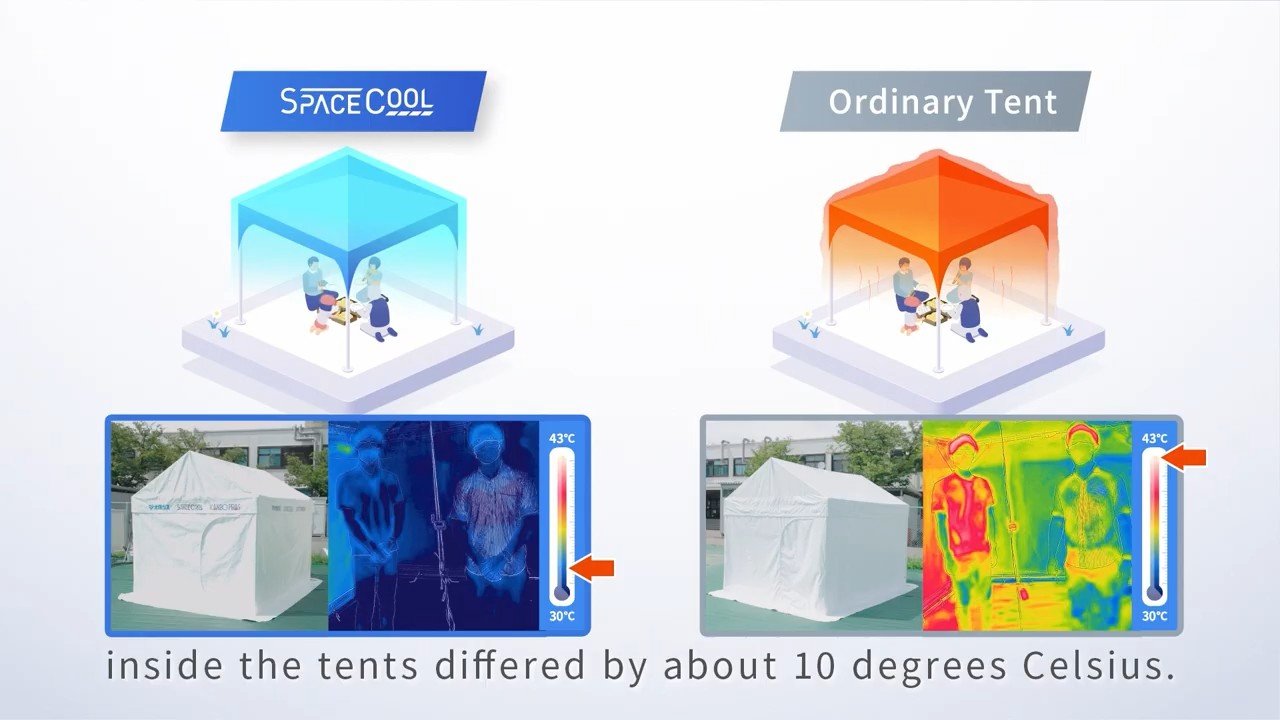
High-powered air conditioning units are used to deal with these temperature rises. But these carry economic and environmental costs. "Our approach is to expel as much of the heat as possible before the building heats up," says Suemitsu. "When SPACECOOL's adhesive film and magnetic sheets are applied to a surface, a high proportion of infrared rays are radiated out of the atmosphere and into space."
This substantially lowers the temperature inside buildings and other structures. Furthermore, because radiative cooling materials simultaneously reflect light and expel infrared radiation, they are more effective than heat shielding measures like aluminum, which reflects sunlight but absorbs and conducts considerable amounts of heat. At the same time, radiative cooling materials require no sophisticated machinery or electricity to function, reducing energy usage—and energy bills.
Taking the Lead on Climate Resilience and Disaster Response
Throughout the transition from research to startup to commercially viable venture, SPACECOOL has partnered with a broad range of private and public institutions. One of its most important partnerships has been with the TMG. "One of the great things about working with the TMG is its enthusiastic support for innovative startups," notes Suemitsu. "Another is its incredibly high standards. As well as the potential benefits of our technology, our business was thoroughly vetted in terms of financial viability and environmental sustainability."
In September 2025, SPACECOOL partnered with the TMG to provide cooling tents for the World Athletics Championships Tokyo 25 (WCH Tokyo 25). "It was such an interesting experience," says Suemitsu. "Top athletes from all over the world were using our tents for preparations, for changing, for relaxing after events. Along with many positive comments from coaches and competitors, we also garnered a wealth of data that empirically demonstrated how SPACECOOL's tents helped to lower body temperatures and avoid heat-related injuries."
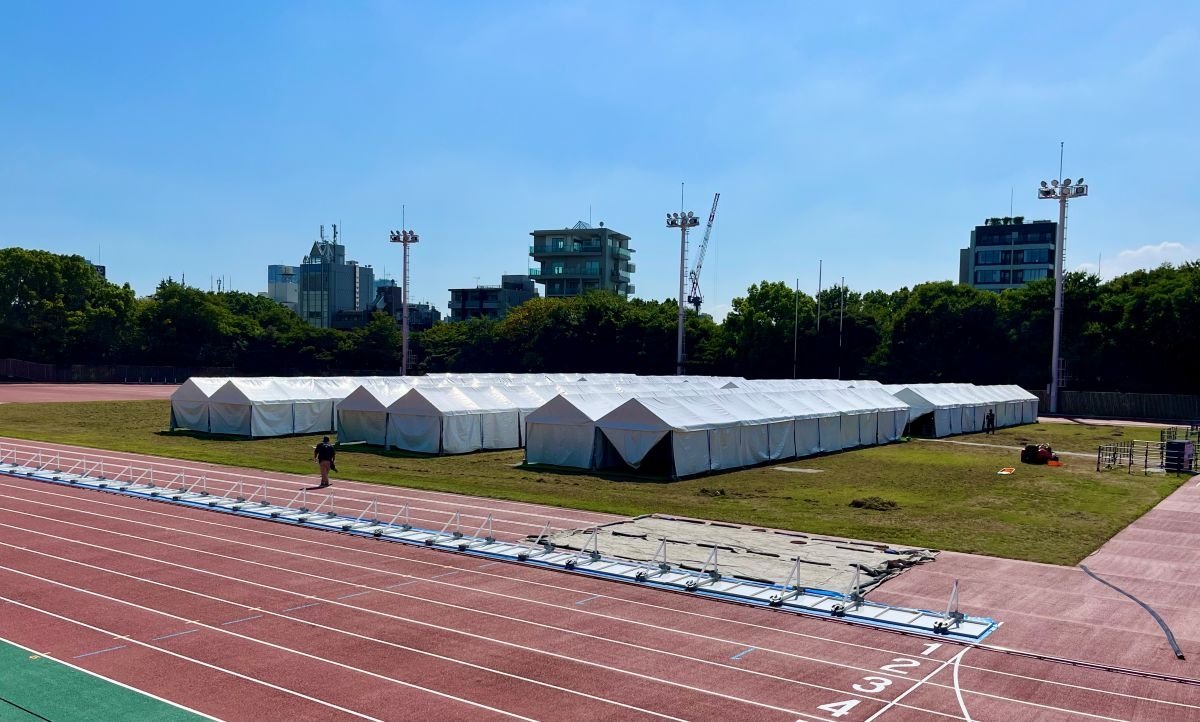
The company earned this opportunity through winning the Public-Private Collaborative Pitch Event at SusHi Tech Tokyo 2025, a global innovation conference which aims to realize sustainable cities through cutting-edge technologies. "Events like this are so important in our industry," Suemitsu notes. "They bring such a diverse group of innovators together, along with potential customers and investors. It's incredible how many new ideas and collaborative projects spring from those interactions. Sometimes, you discover whole new possibilities for your technology that you'd never even considered."
After a magnitude 7.1 earthquake struck Kumamoto Prefecture in southwestern Japan in July 2026, SPACECOOL deployed its tents from the WCH Tokyo 25 to the affected area to help protect displaced people from the heat, as part of the TMG's disaster relief efforts. The tents were used amid the intense summer heat.
"Obviously, it was exciting to see our cooling tents at the World Athletics Championships," says Suemitsu. "But what was truly rewarding was that the data we gained from those elite athletes allowed us to offer assistance to vulnerable people in their time of need."
Working Together Toward a Cooler Future
Cities around the world are looking to Tokyo for new ideas when it comes to combating extreme heat. These global connections have prompted SPACECOOL to begin exploring expansion overseas. In Thailand, their radiative cooling sheets are used on the factory roof of Honda Engineering Asian Co., Ltd. (EGAS). Saudi Arabia is exploring the technology to provide better housing for construction workers. At Emirates Palace Mandarin Hotel in the United Arab Emirates, a SPACECOOL tent over the tennis court facility substantially increased playable time without the use of air conditioning units.
One of the most surprising applications of the cooling technology is in agriculture. "I didn't know this before," smiles Suemitsu. "But it turns out that pigs don't put on enough weight in hot weather because they lose their appetites. That's why pork prices shoot up in the summertime. One farmer tried our cooling tech on his pig sheds to see what would happen. He was delighted. His pigs got nice and big—and he could sell them much more profitably."
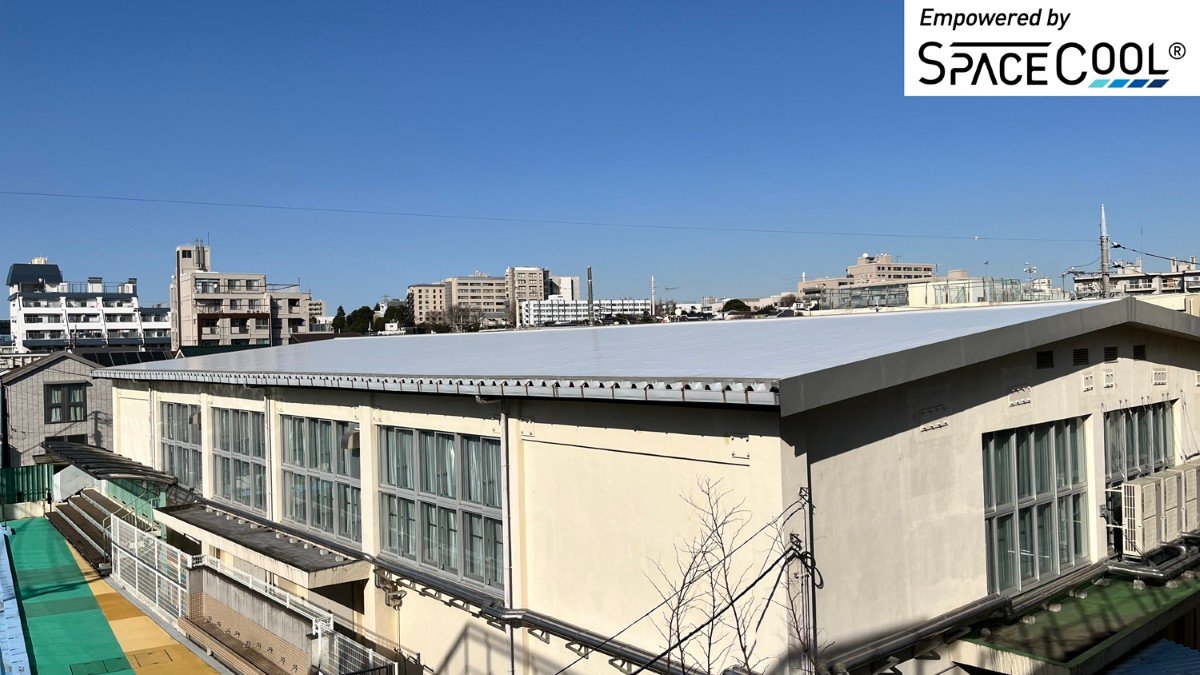
To improve the everyday lives of Tokyo residents, SPACECOOL continues to take steps forward. In 2024, the company partnered with the TMG's Bureau of Transportation to try to reduce air-conditioning energy consumption at the Shinagawa Bus Depot. The scope was expanded to bus shelters, and radiative cooling sheets were even attached to the roofs of two Toei buses. Two elementary schools in Setagaya City used SPACECOOL tech to lower temperatures in their gymnasiums.
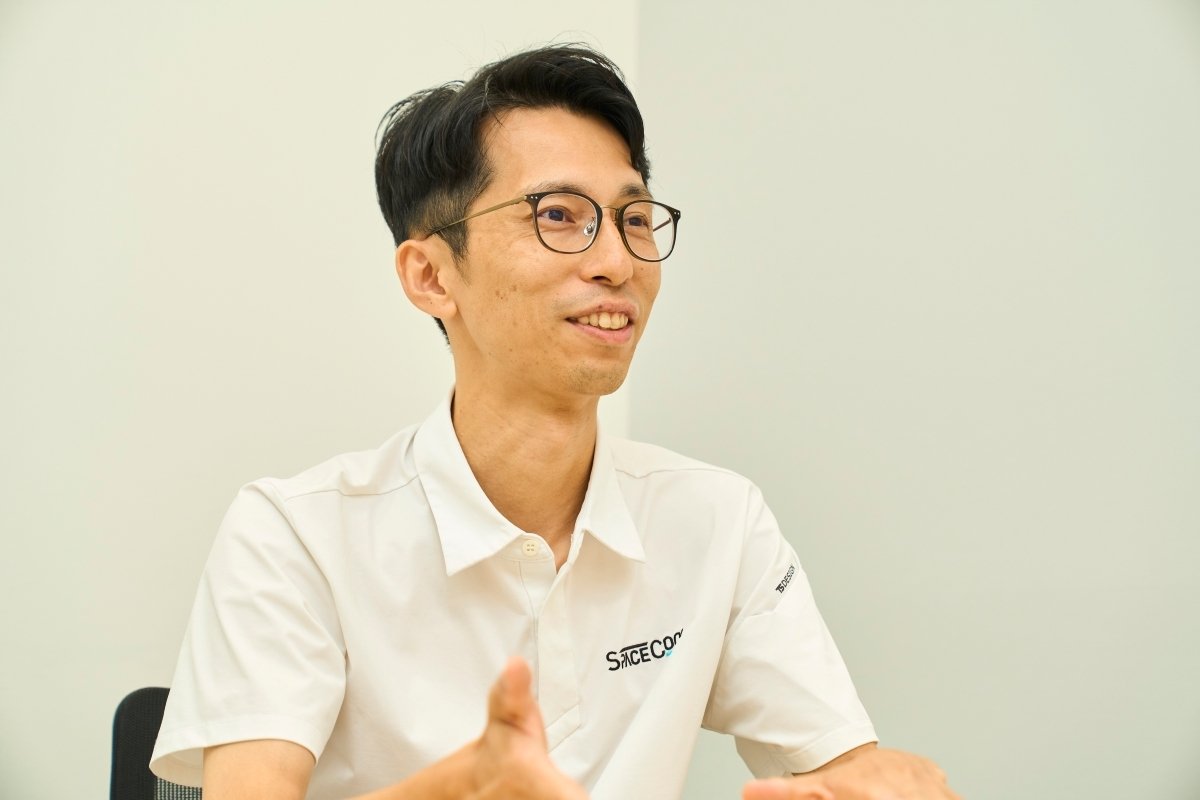
Despite all the challenges that our world faces as the climate warms, Suemitsu remains hopeful about the future. A father himself, he volunteers on weekends to teach science classes to children. "At Expo 2025 Osaka, Kansai, Japan last year, there was one elementary student who was so interested in SPACECOOL that he decided to do his school summer project on radiative cooling."
"I'm confident that we can be resilient in the face of climate change," he adds. "We just need to work together to find new ways to adapt."
Suemitsu Masahiro
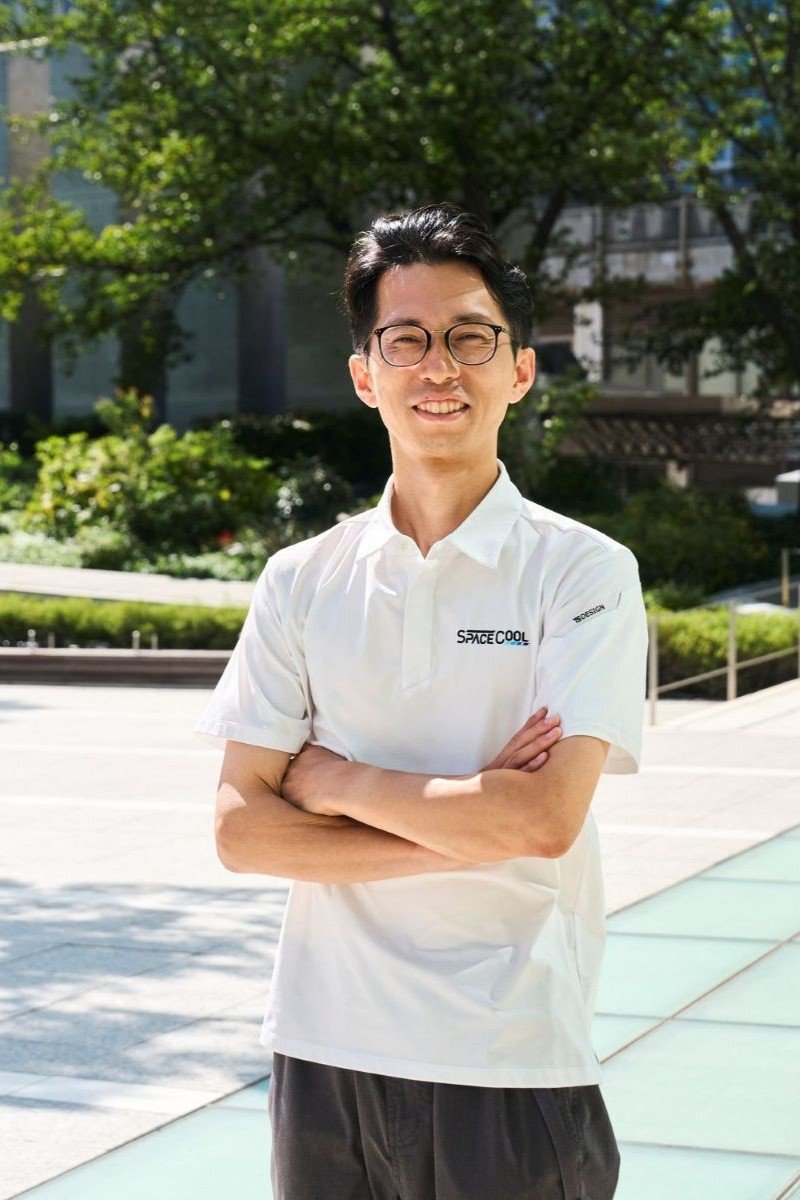
SPACECOOL INC.
https://spacecool.jp/en/
SusHi Tech Tokyo, short for Sustainable High City Tech Tokyo, is a global innovation conference where startups, investors, large corporations, cities, and universities from around the world gather in Tokyo to envision and implement the future of cities, with the shared goal of realizing sustainable cities through cutting-edge technologies.
SusHi Tech Tokyo | Sustainable High City Tech Tokyo
Photos by Fujishima Ryo