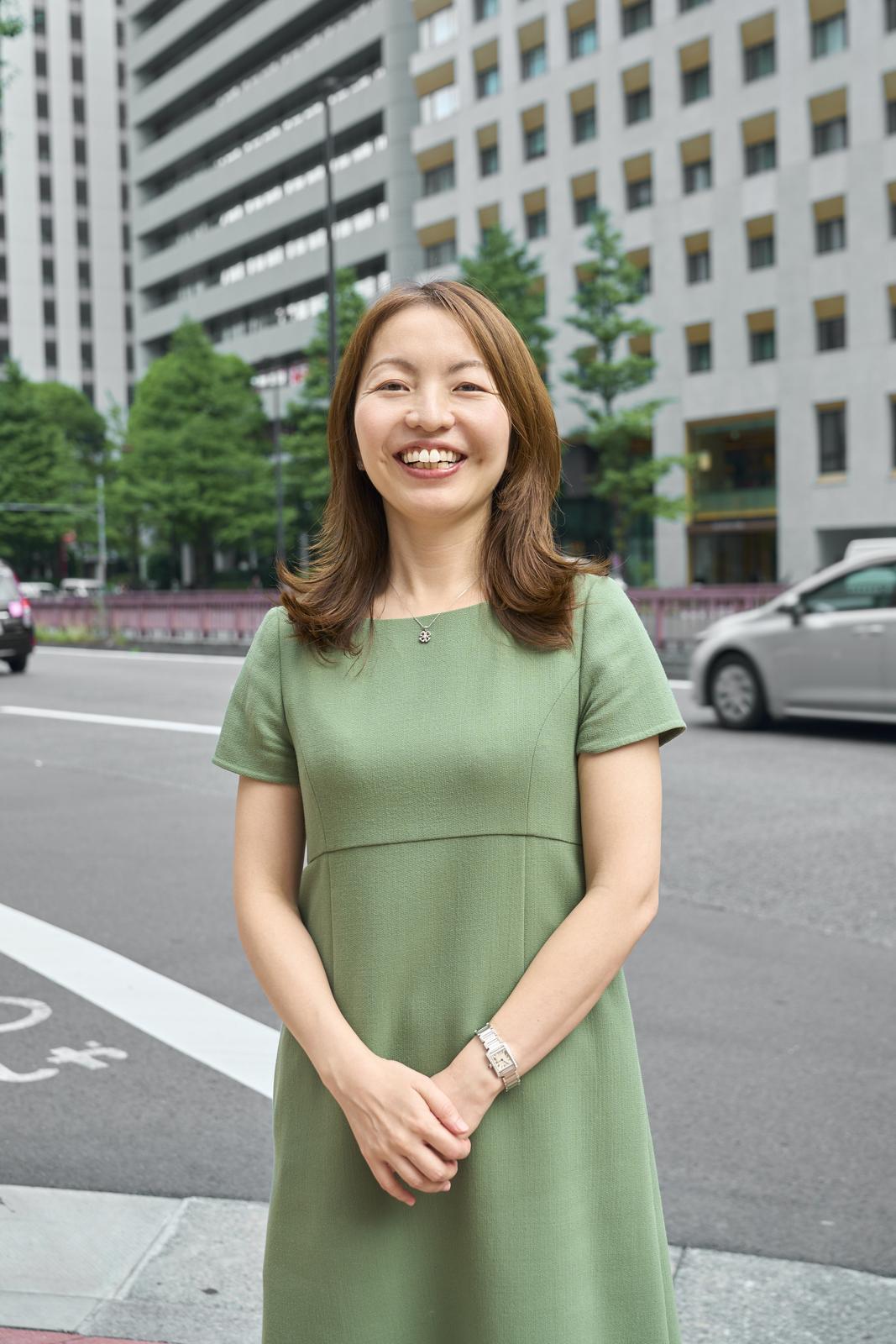







A Second Act in the 100-Year Life: The Entrepreneur Supporting Senior Startups


This audio is generated by AI, so pronunciation and expressions may not be fully accurate. The narration is only in English.
Supporting "Second Lives," Inspired by Caring for Her Grandmother
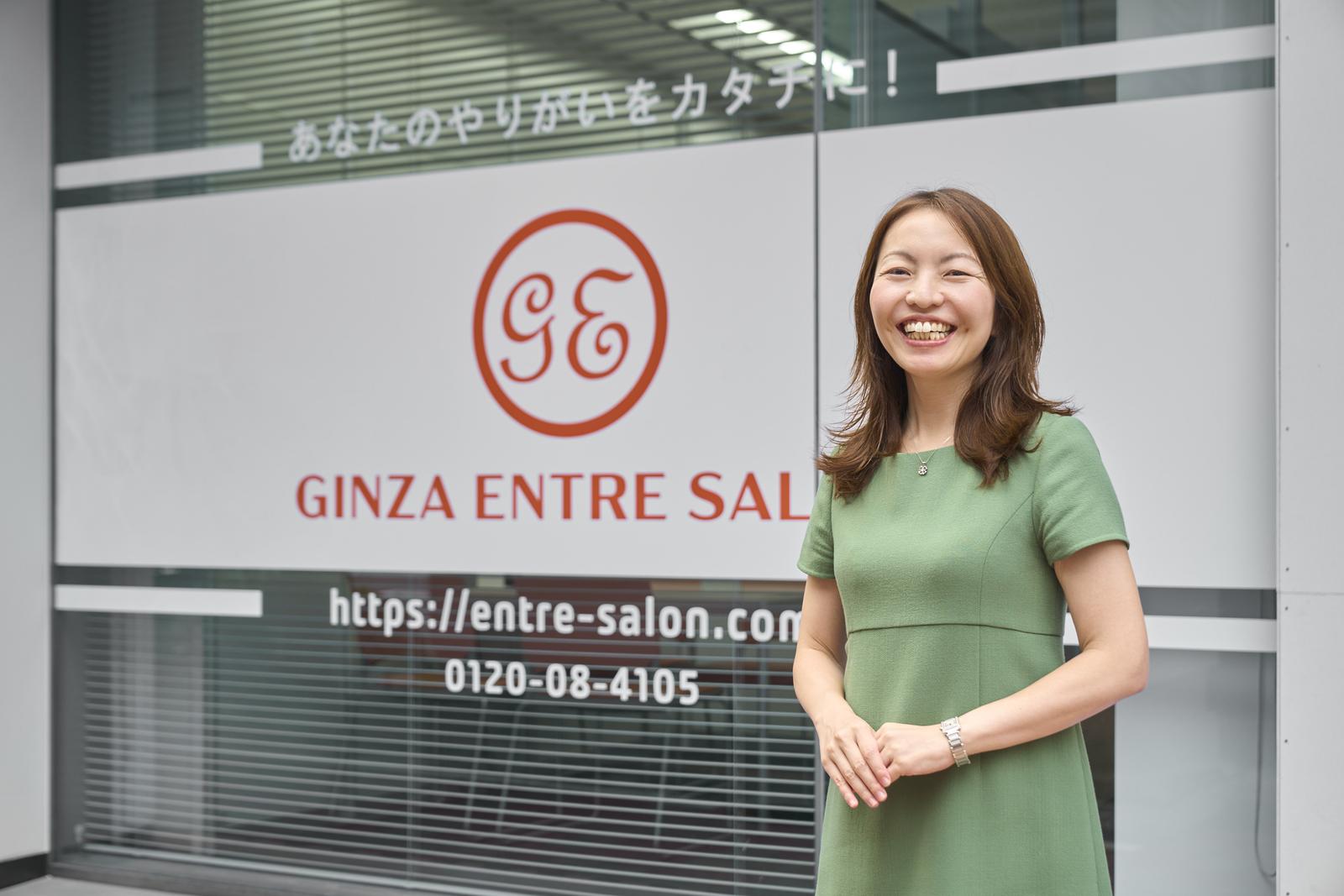
After graduating from university, Katagiri began her career in Kao's legal department before moving to Daiwa Securities SMBC, where she supported companies preparing for IPOs. Along the way, she expanded her expertise in law and accounting, while keeping entrepreneurship in mind as a future possibility.
At the heart of that ambition was the grandmother who raised her. Around the time Katagiri was transitioning from university to working life, her grandmother's dementia began to progress, and she came to need care. "I sometimes wonder whether my grandmother's second life might have been different if she had a few more opportunities to go out and interact with other people," she recalls. Katagiri wanted to create opportunities for people as they grew older, something that her grandmother could not have. That desire led her to found Ginza Second Life in 2008, at the age of 27.
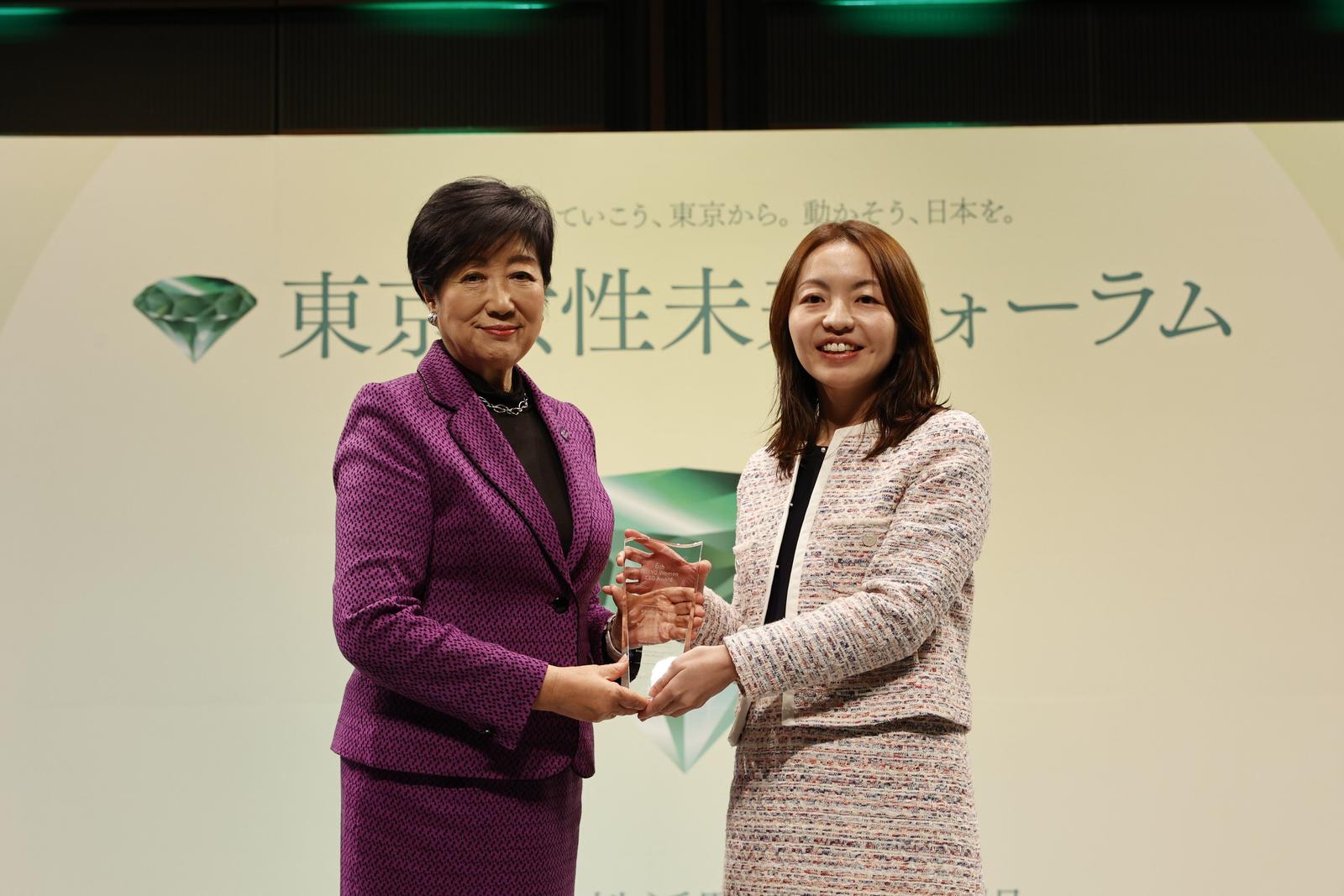
The company soon grew into a business that supports the "second lives" of many people. Today it has around 20,000 member companies and handles about 150 startup consultations every month. In 2026, at the Tokyo Women's Future Forum 2026, organized by the Tokyo Metropolitan Government (TMG), Katagiri received the sixth TOKYO Women CEO Award in the Growth Champion Division, which recognized her as a woman business leader contributing to solving social issues.
Starting Alone Without Becoming Isolated
When Katagiri first founded Ginza Second Life, she independently provided business consultations and administrative scrivener services. As she met with clients, she began hearing the same questions: "Who else is starting businesses?" and "What kinds of businesses are they running?"
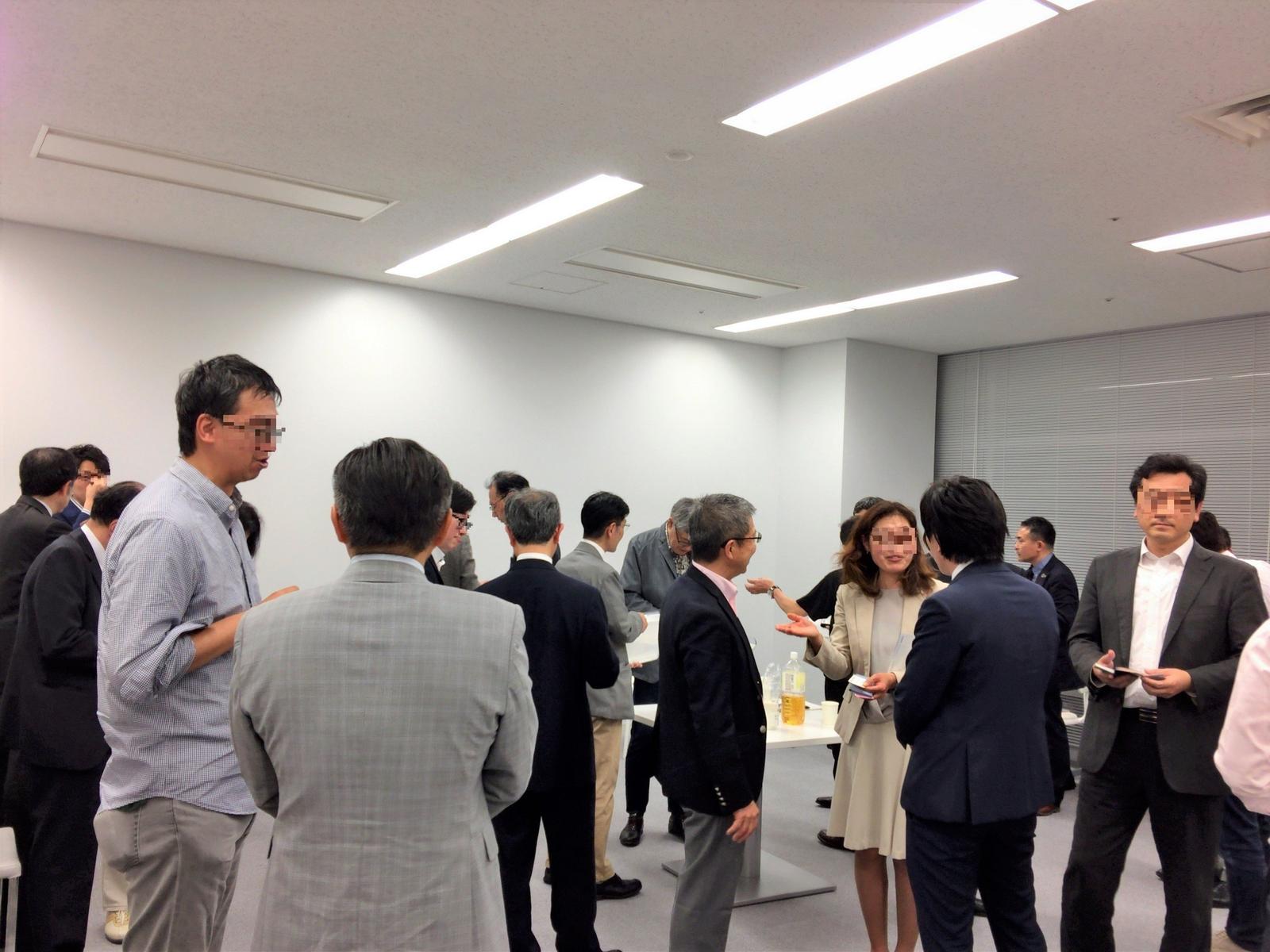
In response, she began organizing networking events, but meeting just once a month made it difficult for participants to build lasting relationships. Listening to their requests, Katagiri opened Entresalon, a shared office service, in 2010. It has locations in Tokyo and the neighboring Kanagawa and Saitama Prefectures, including major business districts such as Ginza, Nihonbashi, and Yurakucho.
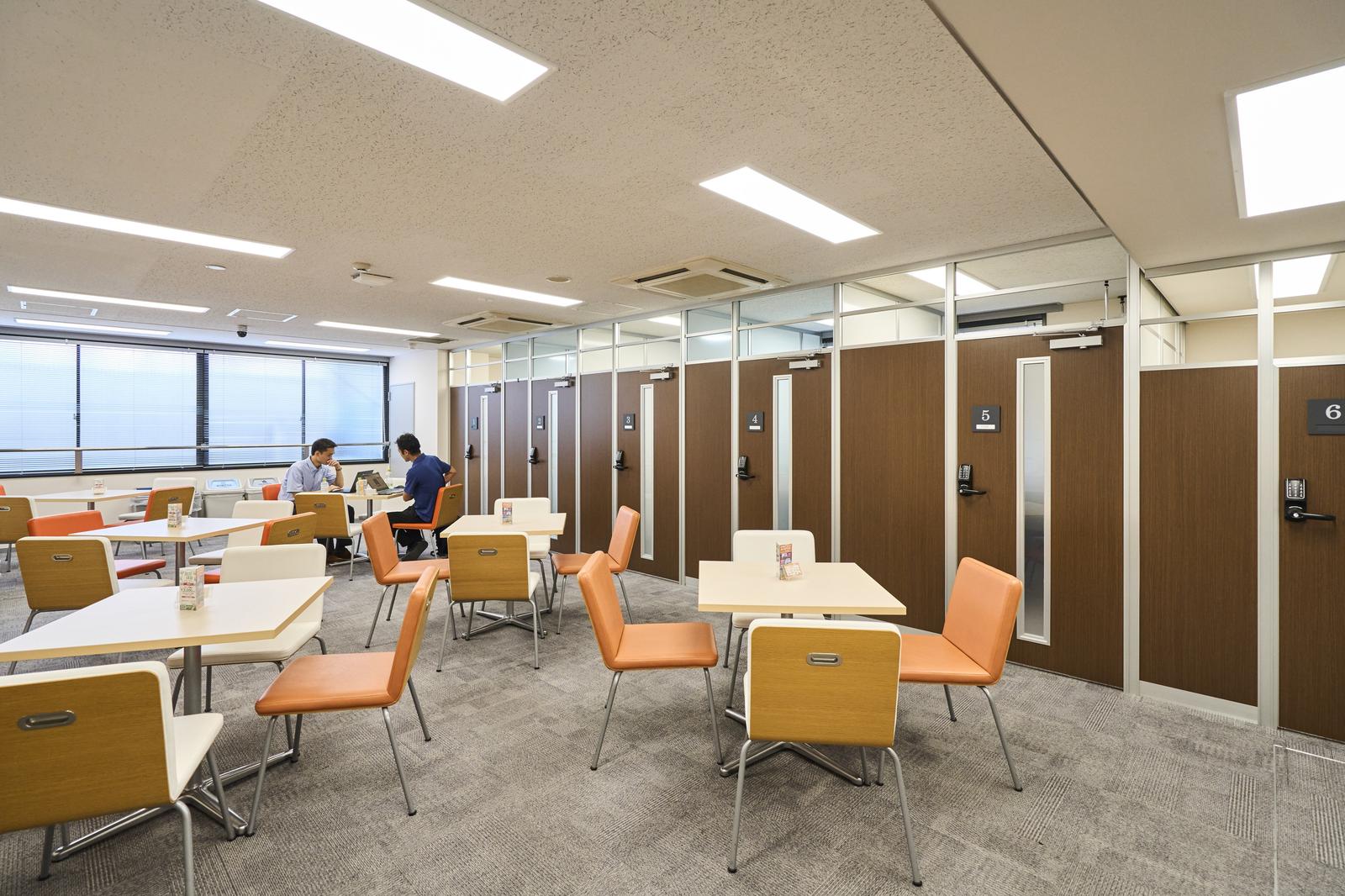
"Entre-" comes from "entrepreneur," and "-salon" reflects her vision of creating a space that is more than simply a place to work, one where entrepreneurs could see one another regularly and naturally build connections. As Katagiri understands through personal experience, starting a business alone can be isolating. Entresalon was created to make sure it does not have to be that way: a place to work, but also a place where new connections and collaborations can grow.
Starting a business also means taking on all the work that general affairs and accounting departments handled at the company where you spent your career. To lighten that load, Ginza Second Life takes care of the administrative tasks needed to keep a business running, from incorporation to accounting and payroll.
From "After Retirement" to "On Your Own Timeline"
When Katagiri founded her company in 2008, most of the senior entrepreneurs who came to her were in their early 60s. Having reached retirement and searching for a new way to stay involved in society, a number of them began businesses after former colleagues or connections approached them with work. Today, those seeking her advice are getting younger, with more people beginning to think about their next career as early as their mid-50s.
"Once you leave work, your network can be reset. Ideally, you would start a business as soon as you retire or decide for yourself when the right time is to begin your next job," Katagiri says. Senior entrepreneurship, it seems, is evolving from something people turn to "after retirement" into an option for choosing the next stage of life on their own terms.
Success in Senior Entrepreneurship Is About More Than Sales
For senior entrepreneurs, success can take many forms. One Entresalon member, Katagiri recounts, has continued using the same private office since the facility first opened. He arrives at around 10 a.m. each morning and goes home in the evening. By avoiding rush-hour commuting, he can make time for meals with his family and for walking his dog, all the while continuing to work at his own pace. "Success isn't only about making a lot of money. Being able to work at your own pace and feel a sense of purpose is also very important," says Katagiri.
Qualifications, hobbies, community activities, raising children: the life a person has lived can itself be reconsidered as a source of possibilities for work. Perhaps that is where new forms of senior entrepreneurship can be found.
A New Model for an Aging Society, Starting in Tokyo
Katagiri sees particular potential in Tokyo as a place to begin a second career. "In addition to having companies and talent concentrated here, there is support for entrepreneurship and small and medium-sized businesses from the national government, the TMG, and local municipalities."
Entrepreneurs can take advantage of programs such as subsidies, expert consultations, and support for developing sales channels. Service businesses can also be relatively easy to start without large premises or specialized facilities. With so many companies and professionals concentrated in Tokyo, there are also ample opportunities to build new networks, connect with customers, and find work. For Japan, where the population is aging rapidly, expanding the options available to people who want to continue working will become increasingly important. New ways of working emerging from Tokyo, where diverse communities and generations intersect, could offer a model for cities around the world facing similar challenges.
A Second Act, at Your Own Scale
Katagiri offers three pieces of advice for those considering their next chapter in life. The first is to start in a way that suits you: find something you genuinely want to do that fits your circumstances and take the first step. The second is that if you do not know what you want to do, start with what you do not want to do. "I do not want to do this job anymore." "I do not want a job that involves talking to people." "I do not want to spend all day doing desk work." Listing what you do not want can help you see what possibilities might lie in the opposite direction. The third is to start with an everyday problem. You do not have to earn a lot of money at first. Start by helping people around you, then gradually expand if things go well.
But what Katagiri has supported is not the idea that entrepreneurship is the one answer.
"If we talk through whether entrepreneurship is right for you, and you decide that actually, entrepreneurship isn't for you, that's perfectly fine," she explains. In the 100-year life, a second act is ultimately about more than starting a business. What matters is being able to remain connected to society, even as you grow older. Ginza Second Life supports each person in a future that is truly their own.
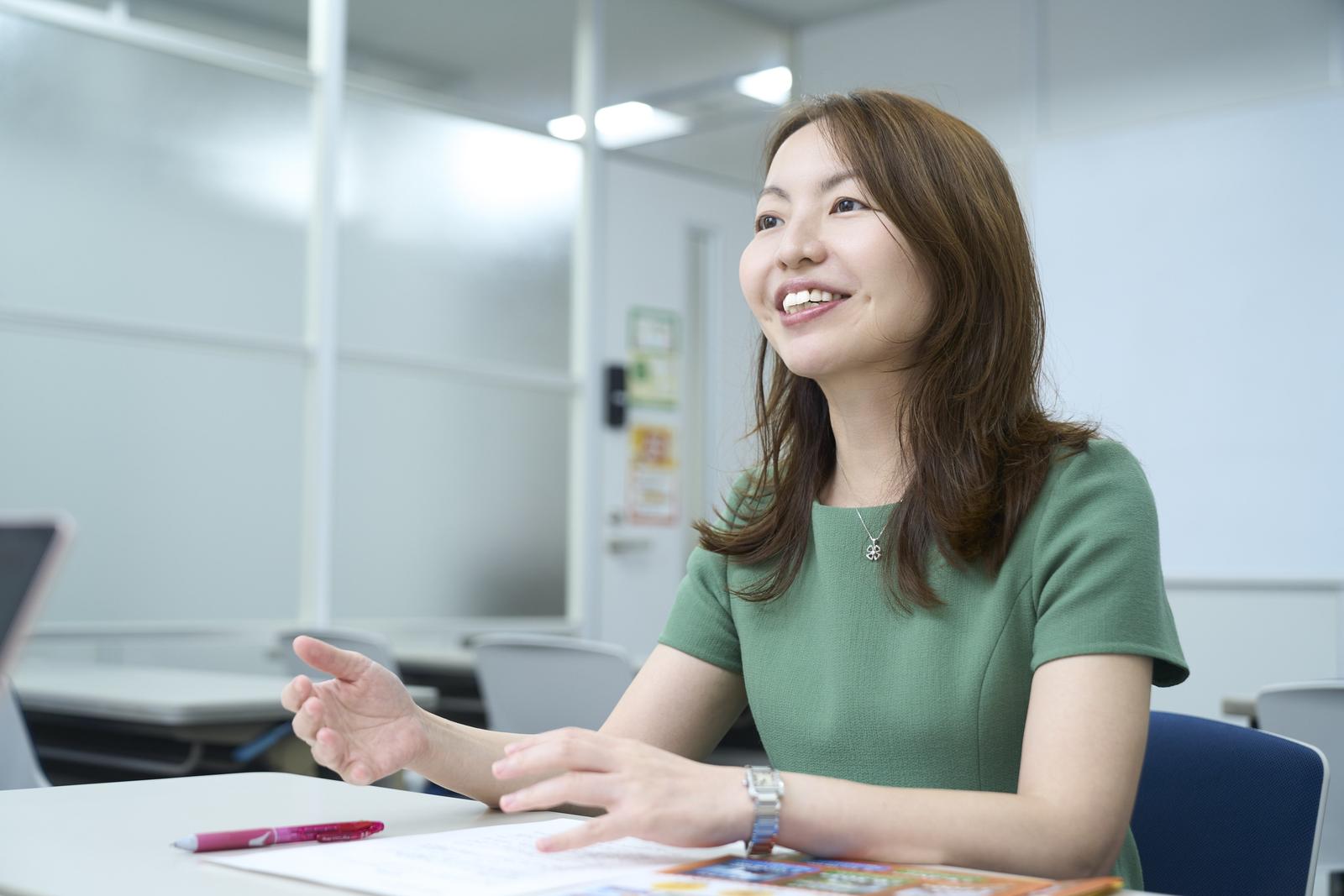
Katagiri Mio