






Small Forests in Glass: Bringing Nature Home with Moss Terrariums
Listen to This Article in Governor Koike's AI Voice
This audio was generated using AI.


This audio is generated by AI, so pronunciation and expressions may not be fully accurate. The narration is only in English.
The World of Moss Terrariums: Miniature Gardens in the Palm of Your Hand
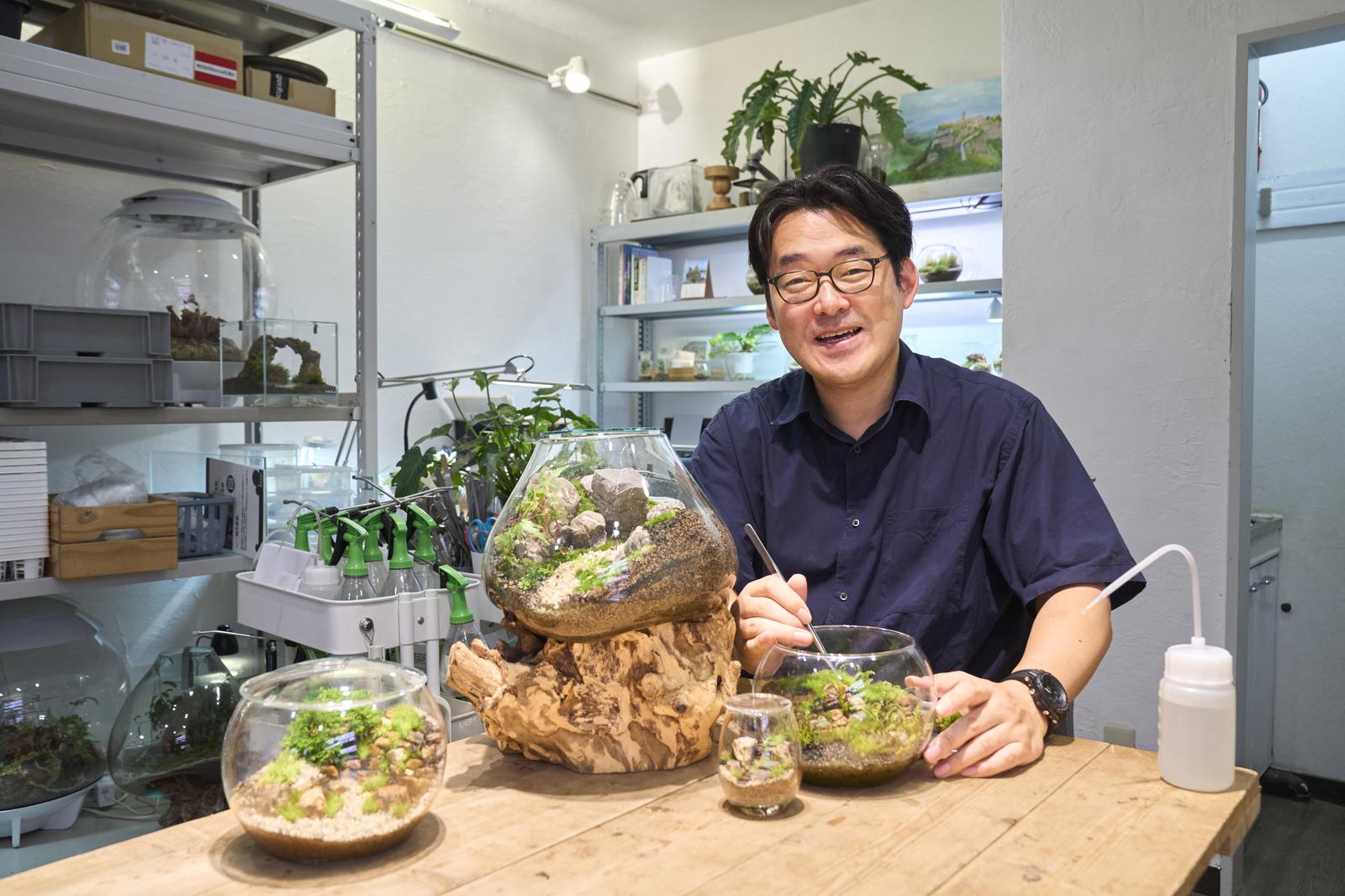
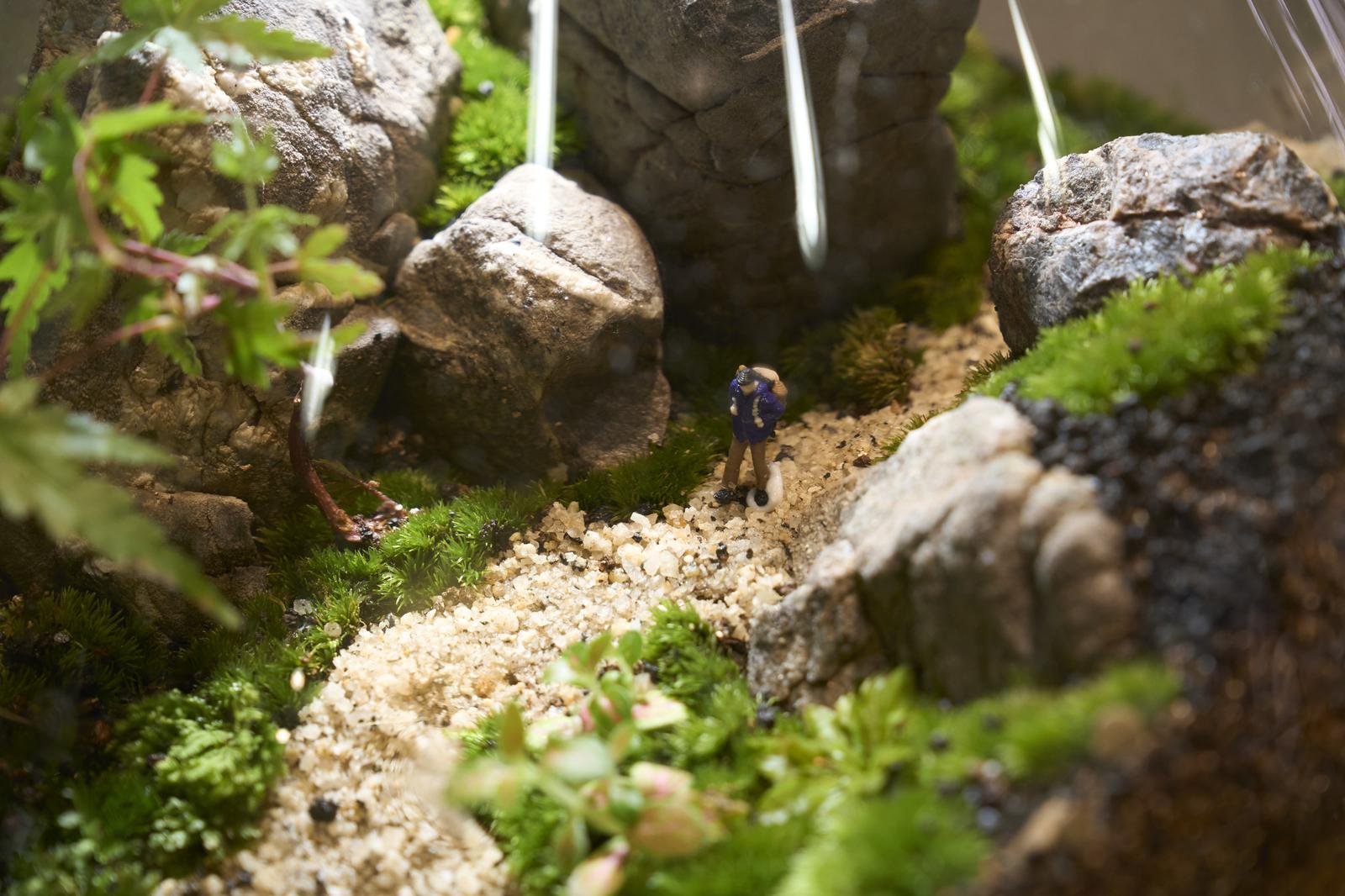
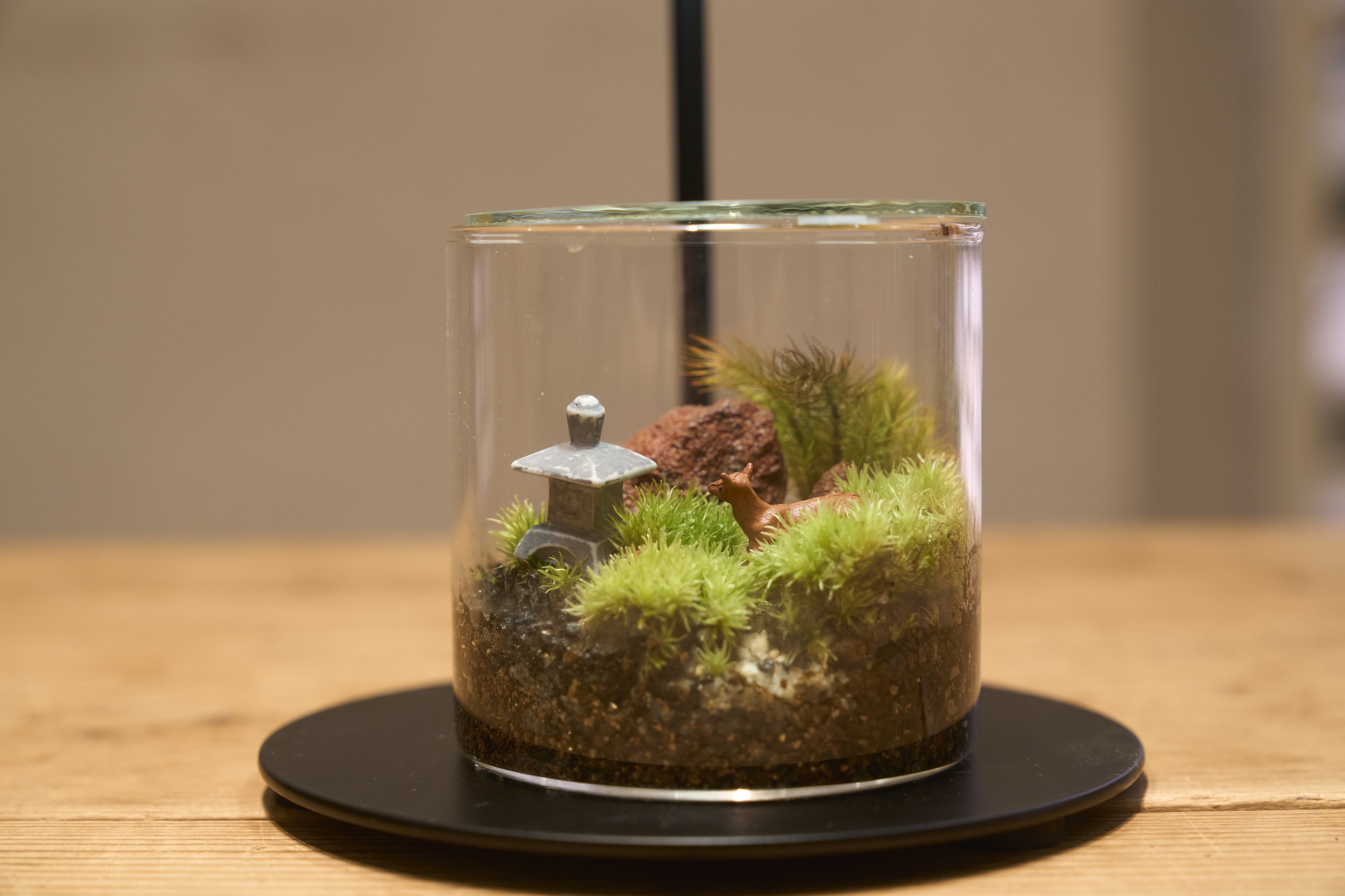
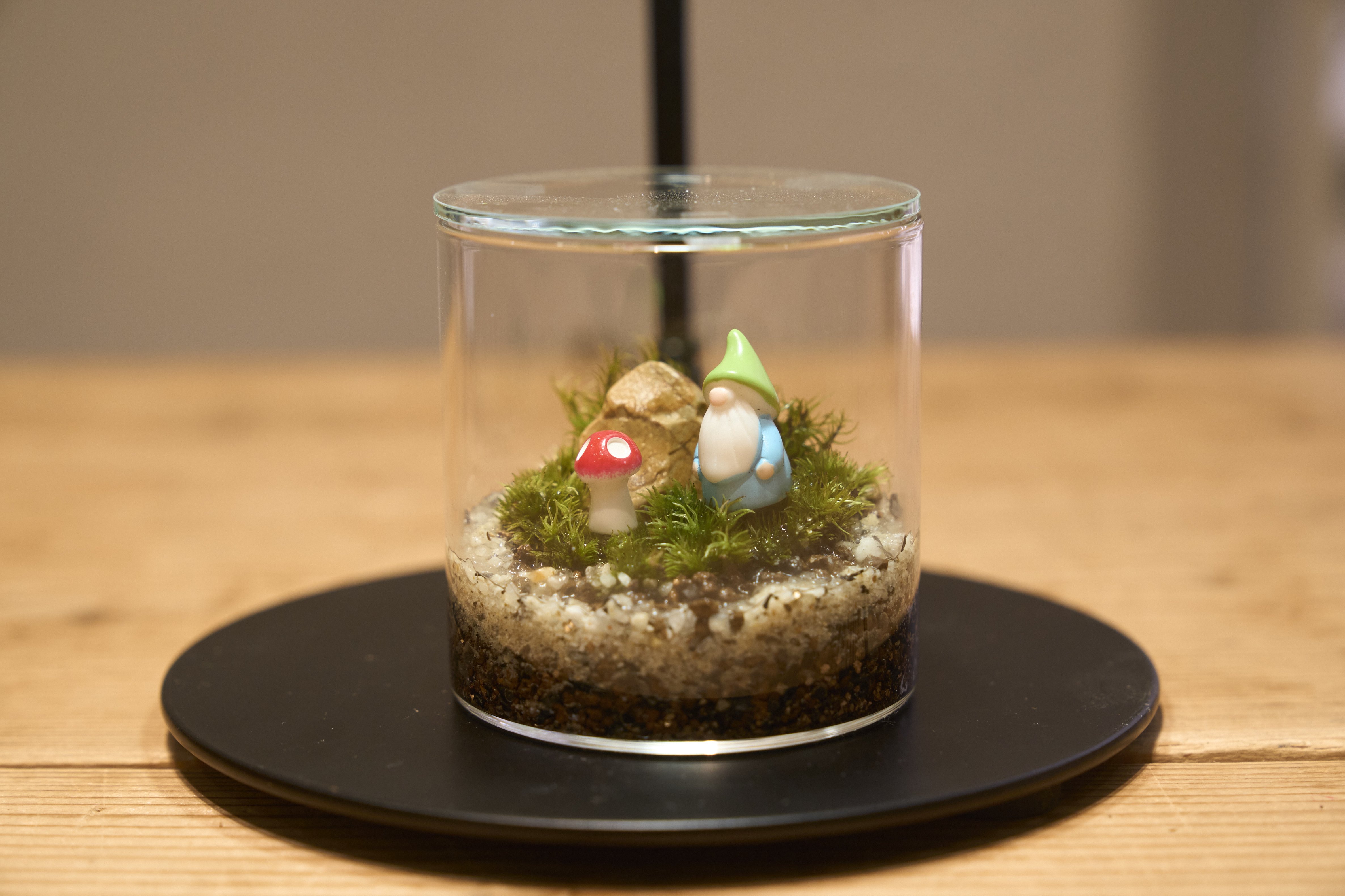
A moss terrarium is a form of indoor greenery that recreates a natural landscape in a glass container using soil, moss, stones, sand, and other materials. By using moss to represent lawns or forests and adding miniature buildings or figurines, creators can turn their imagined stories into miniature garden scenes.
The history of terrariums dates back to 19th-century Britain. Japan, meanwhile, has a long tradition of appreciating moss and an aesthetic sensibility known as shukkei, the art of evoking vast natural landscapes within small containers, as exemplified by bonsai. During the Edo period (1603-1868), gardening became popular among ordinary people, and historical accounts reportedly describe international visitors expressing surprise at the enthusiasm for horticulture in Japan. Another longstanding practice, tenpai, involves adding miniature buildings or figurines to bonsai and has long been valued as a form of artistic expression.
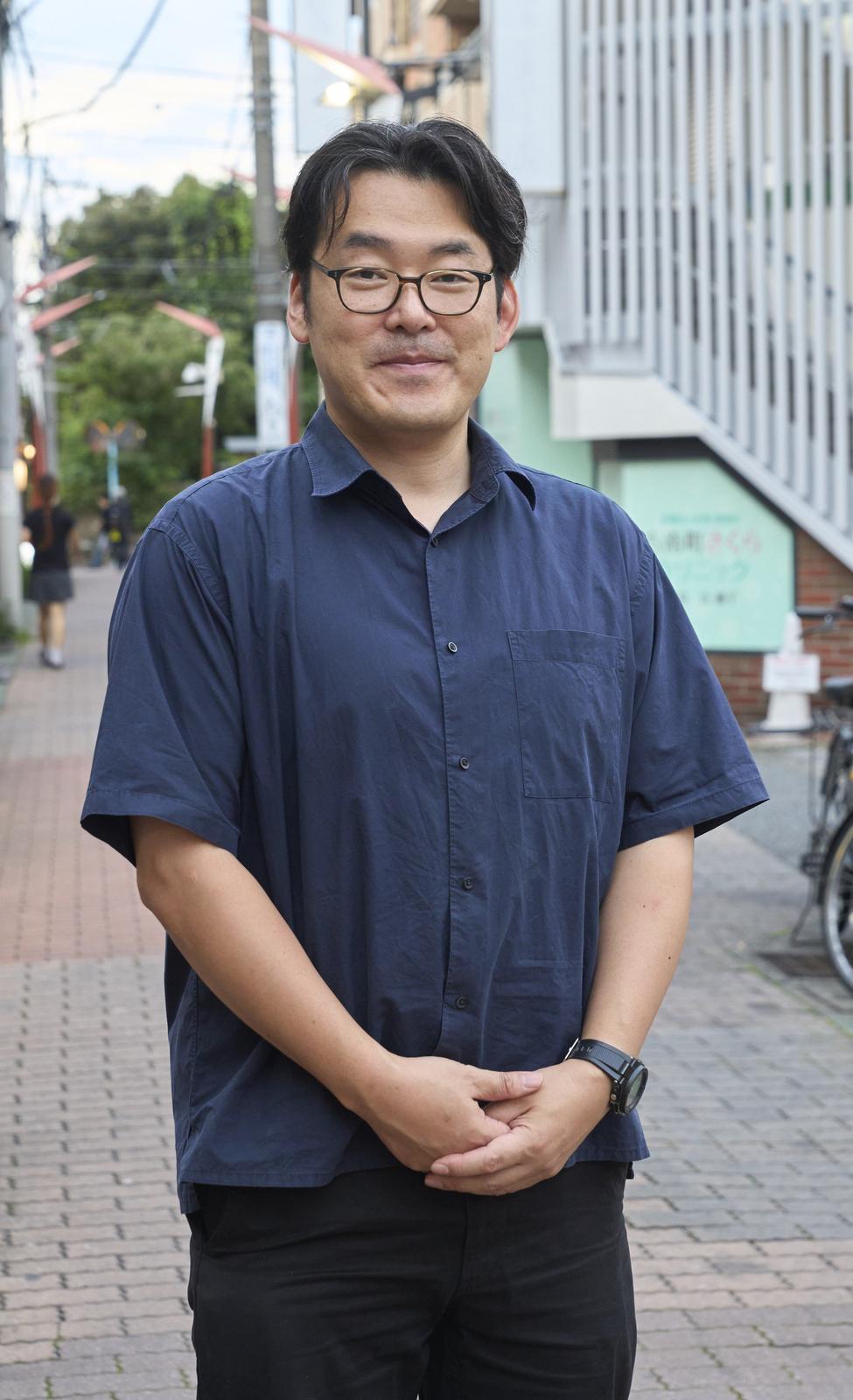
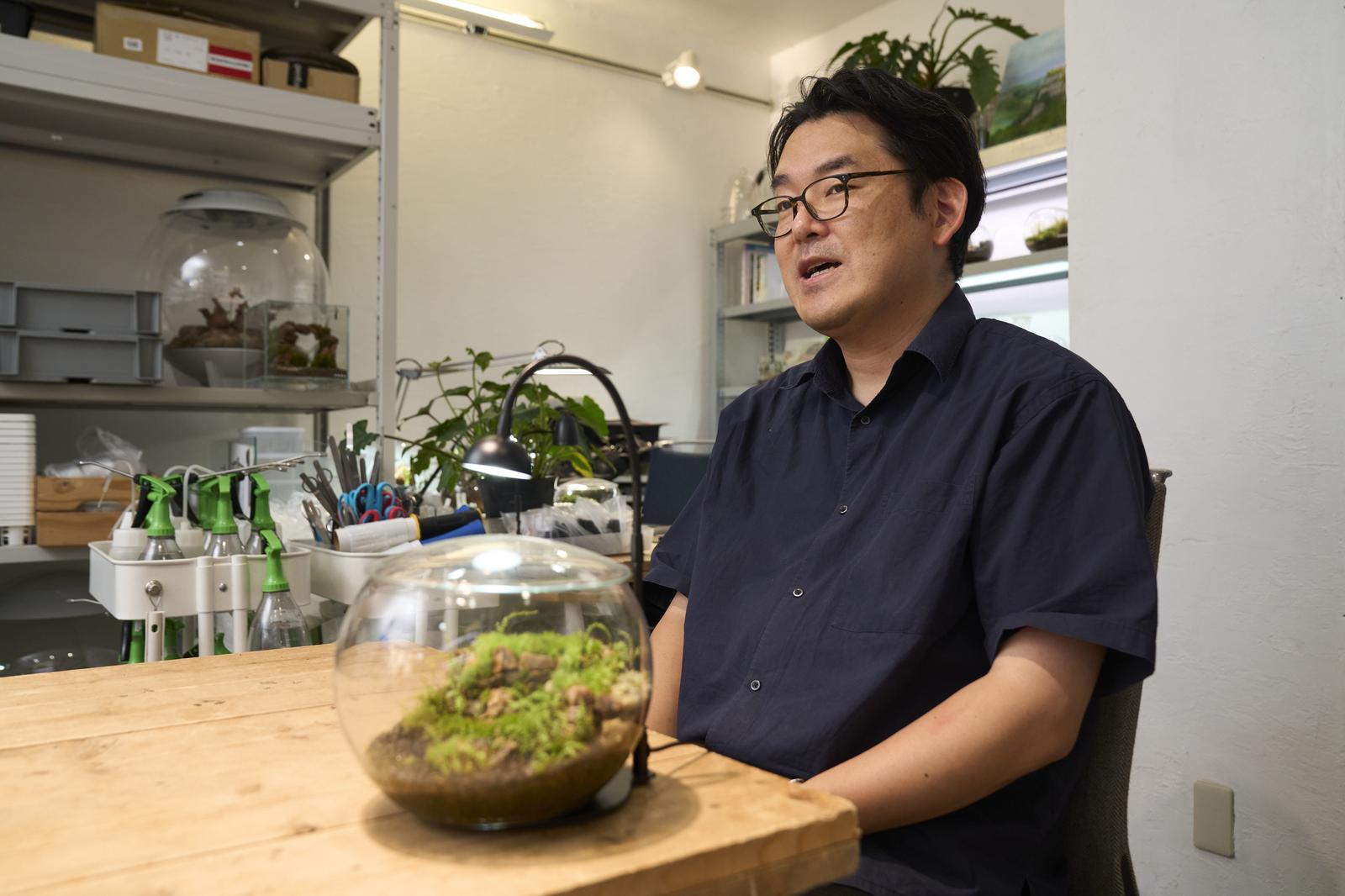
Kawamoto has loved plants since childhood. "I was the kind of kid who would spend my allowance on flower seedlings to give to my mother," he recalls. Even after he started working, he continued growing a variety of plants as a hobby, gradually becoming fascinated by the moss that grew naturally at the base of bonsai and rose bushes. In 2013, he began teaching himself to make moss terrariums, combining Japan's longstanding tradition of appreciating moss with the concept of terrariums, which originated overseas, to create miniature worlds of greenery.
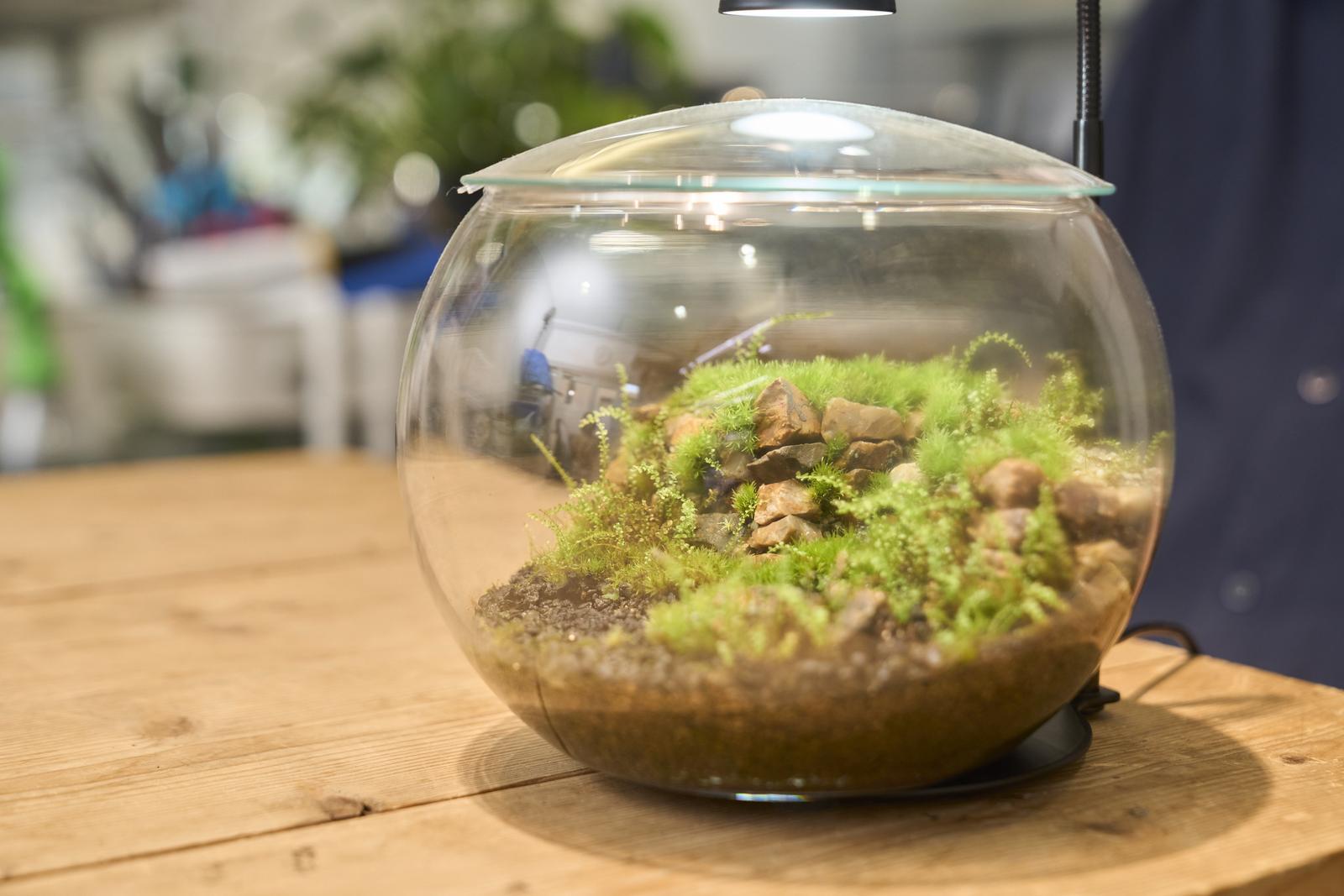
"Moss terrariums are easy to maintain and don't need sunlight. I saw great potential in them as a form of gardening particularly well suited to life in today's cities."
While continuing to work as a salaried employee, Kawamoto began selling his moss terrarium creations, and word of them gradually spread. In 2021, he founded Feel The Garden Co., Ltd. Today, the company is based in Suginami City, just west of central Tokyo, and operates seven stores across Japan.
Ideal Indoor Greenery for Urban Living
One reason moss terrariums are ideal for urban living is that they are very low maintenance. They generally need watering only once every two to four weeks. Simply remove the glass lid and use a small watering can to moisten the contents evenly. In containers with tightly fitting lids, watering may be needed only once every three to six months. Moss does not require strong light, such as sunlight, and can thrive even in rooms with little natural light, provided there is suitable lighting for its growth. Unlike potted plants, moss terrariums pose little risk of soil spilling or attracting insects, making them easy to keep clean and maintain hygienically. Even in Tokyo, where opportunities to grow plants and flowers in a garden are limited, they offer an easy way to enjoy indoor greenery in a corner of the kitchen, a windowless bathroom, or on a desk.
"Compared with balcony gardening or growing houseplants indoors, moss terrariums are far easier to care for. I think they make it easier to live with plants and feel closer to them," says Kawamoto.
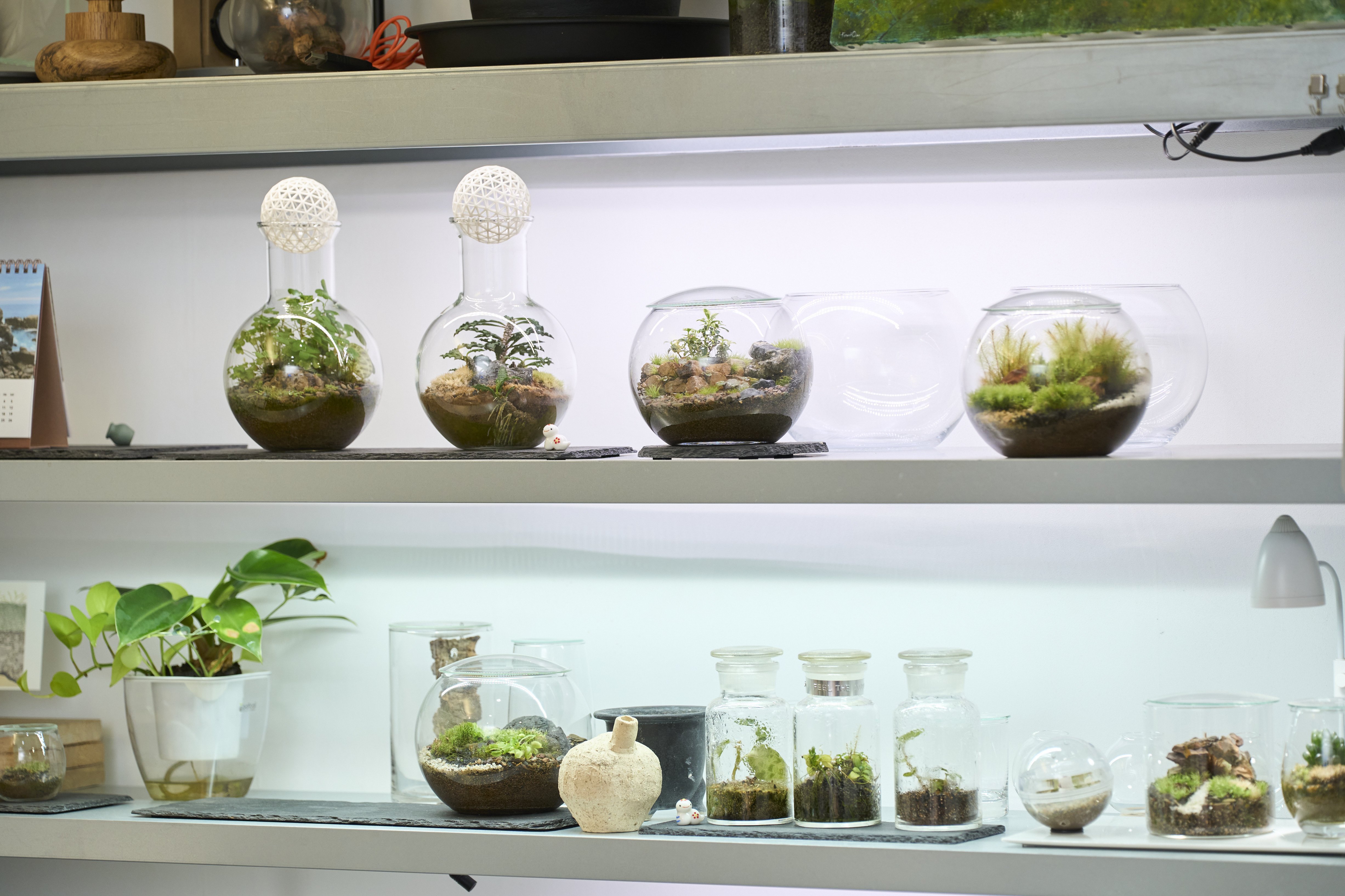
Moss terrariums offer more than the pleasure of watching plants grow up close. They also let you enjoy a miniature green landscape whenever you like. By varying the way the soil is shaped and combining different types of moss, you can create a wide variety of scenes, from mountains and valleys to landscapes dotted with miniature buildings and figurines. Taking a moment to admire a favorite scene enclosed in glass can offer a welcome sense of tranquility amid the bustle of daily life.
Workshops That Inspire and Nurture New Creators
For anyone interested in trying their hand at moss terrariums, a workshop is a good place to start. Feel The Garden offers a range of workshops for different skill levels and interests, from introductory sessions for beginners to intermediate courses where participants create terrariums with multiple plants in larger containers. Other courses focus on creating terrariums featuring kokedama (moss balls) or moss bonsai.
"We hear from many participants that they enjoyed the workshop or became completely absorbed in what they were doing. Perhaps looking at greenery also has a soothing effect. Moss terrariums have become more widely known recently, and more people are buying finished pieces. But in the early days, most participants took home the terrariums they had made themselves at the workshops," says Kawamoto.
Since founding the company, Kawamoto has been committed to helping customers enjoy watching their moss terrariums grow and change over time. At maintenance sessions for customers who have purchased moss terrariums, participants bring in pieces whose appearance has been affected by overgrowth or whose moss has weakened. Staff explain the causes and how to address the problems while helping customers make adjustments. These sessions are held one to three times a week at select stores, and many customers say that knowing maintenance support is available gives them peace of mind when making a purchase.
Feel The Garden also offers a Creator Course for aspiring moss terrarium makers. Building on the introductory workshops, the course covers more advanced techniques and materials selection, equipping participants with the knowledge and skills to pursue this craft professionally. Since its launch in 2018, more than 700 people have completed the course.
Japanese Moss Terrariums: A Craft to Share Proudly with the World
Japanese moss terrariums have developed their own distinctive style and are now attracting attention from around the world.
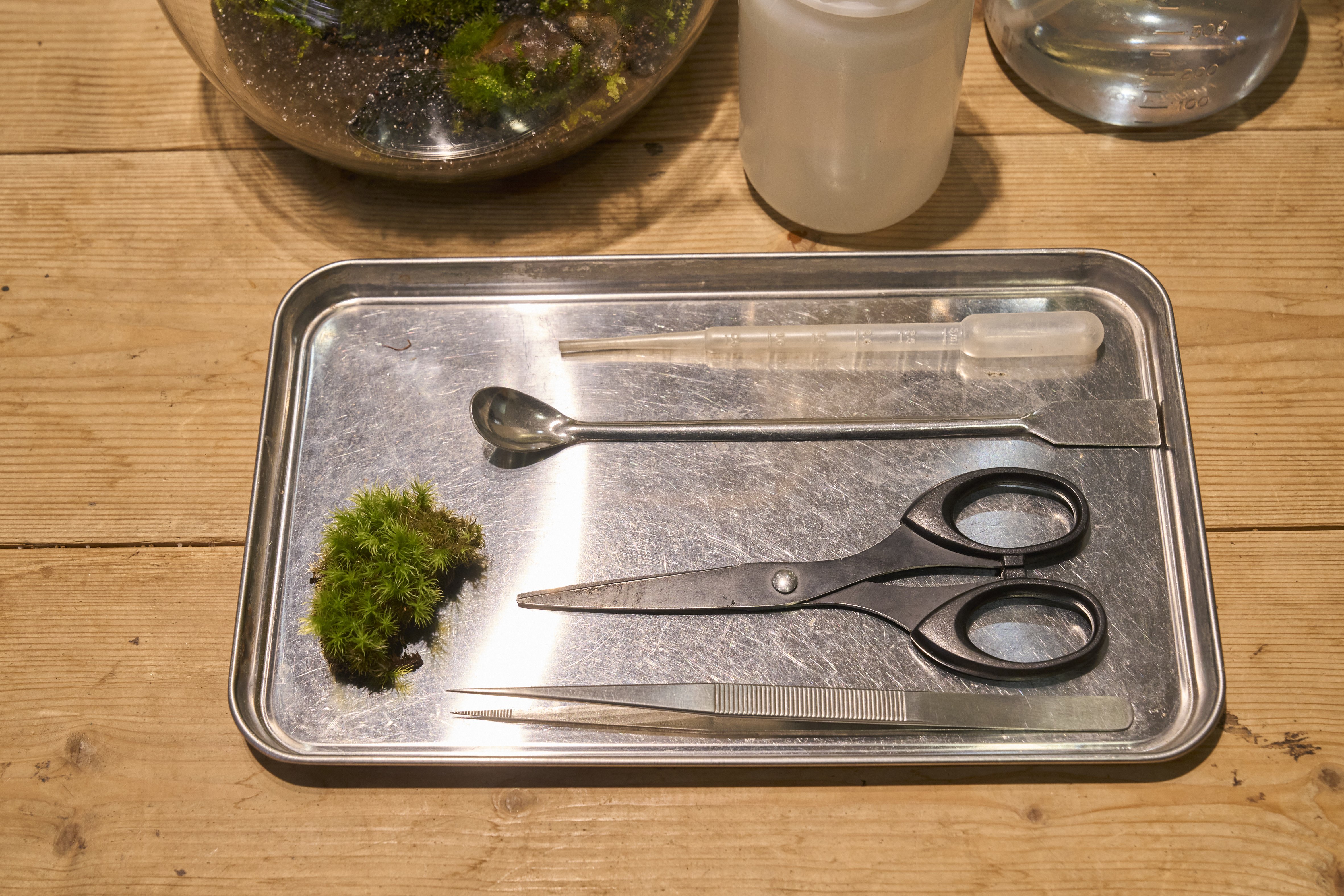
"Overseas, the common practice was to attach moss in clumps or place large plants directly into containers. We, on the other hand, insert moss one strand at a time using tweezers. It's rather like embroidery, sewing one stitch at a time," explains Kawamoto.
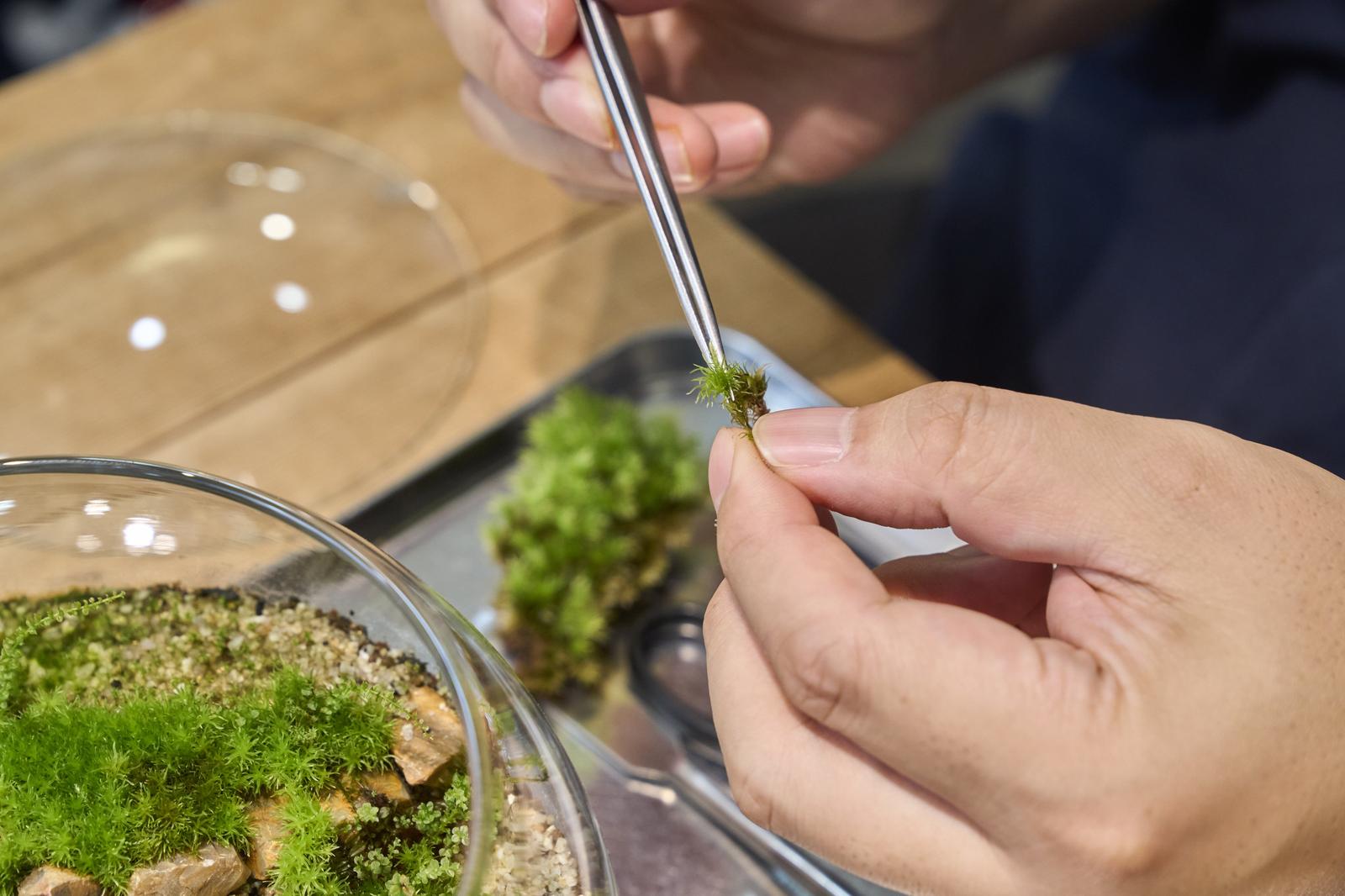
This meticulous technique, drawing on the Japanese appreciation for fine detail and manual dexterity, is known as the "Japanese style." Moss terrarium enthusiasts from around the world visit Japan to learn this approach. Kawamoto himself has taught moss terrarium classes in South Korea.
Although compact moss terrariums for the home remain the most common, demand for larger terrariums in offices, restaurants, and other facilities is gradually growing.
"Moss terrariums offer an easy way to enjoy greenery close at hand at any time, making them ideal for city dwellers. In a bustling metropolis like Tokyo, one of the world's largest cities, they offer a particularly appealing way to bring greenery into everyday life. I hope to make moss terrariums such a familiar part of everyday life that having one in every room becomes the norm, and to bring them to people across Japan and around the world, starting from Tokyo, as an ideal form of indoor greenery for urban living."
Japan's traditional relationship with nature, reflected in bonsai and moss gardens, has found a new expression in glass terrariums, opening up fresh possibilities for this art form. These miniature forests, small enough to fit in the palm of your hand, bring greenery into the lives of those who wish to live with plants, fostering a connection with nature that is uniquely suited to life in Tokyo.

Kawamoto Tsuyoshi