







At 87: As a Child, I Couldn't Eat Out Without Wondering How the Food Was Made
Listen to This Article in Governor Koike's AI Voice
This audio was generated using AI.
"Active for Life" travels across Japan to meet food professionals who remain hard at work well beyond the conventional retirement age, looking to their example for insights into how to make the most of life in a super-aged society.


This audio is generated by AI, so pronunciation and expressions may not be fully accurate. The narration is only in English.
Recreating Jasper Johns's Pâté from Memory
After studying architecture at university, I became an architect. I was eager to live abroad, but my English wasn't particularly strong, so the study-abroad programs for top students seemed out of reach. Then I came across a newspaper ad seeking applicants for a study program in the Netherlands. There did not appear to be an entrance exam, so I applied—and was accepted. I spent a year working at an architectural firm in the Netherlands, followed by another year drafting in Paris.
I returned to Japan in 1963, a year before the 1964 Tokyo Olympics. I married an architect and worked in his studio, but found that my interest in food kept expanding through magazines, books, and other sources, while my interest in architecture never seemed to develop in the same way. I began to wonder whether I might simply have more of a feel for food than for architecture.
Around that time, my husband went to teach at UCLA for a short period, and I went with him. While visiting an acquaintance's studio in New York, he offered me some liver pâté. "I made this," he said. We had eaten liver pâté at home for years, but it was always the commercially made kind stuffed into casings. It had never occurred to me that you could make it at home. That acquaintance was Jasper Johns, who would later become a leading figure in American pop art. We were all young then.
After our architectural studio wrapped up a major project outside Tokyo and we moved back to the city, I decided to leave architecture behind and pursue food instead. I returned to my parents' home with my two children. To recreate the pâté, I relied on my memory of how Jasper Johns's pâté had tasted, consulting French cookbooks and going through repeated rounds of trial and error. Once I had reached the point where I was happy with the result, the wife of architect Miyawaki Mayumi told me, "More people should know about this. If you make it, I'll share it with everyone." So I began making it every week.
Then one day, my sister-in-law's mother, who worked for the Ministry of Health and Welfare (now the Ministry of Health, Labour and Welfare), asked me, "Do you have a license to sell food?" That sent me into a panic. As it happened, we were just about to rebuild our house, so I had a kitchen built to meet all the requirements of the local health authorities. We had saved everything we could from the old house, including the sink, so we fitted it all into the new kitchen. They're still in use today.
We opened on April 1, 1973. At the same time, I launched the food research workshop.
This year marks our 53rd year. The cicadas are so loud in summer that we say, "Forget pâté and wine—it has to be edamame and beer." So we take the entire month of August off. It was a little daring to shut down for all of August when we had only just opened in April (laughs). But we've been doing it ever since. Pâtéya's greatest tradition, perhaps?
"Look, This Is the Moment the Flavor Is Born"
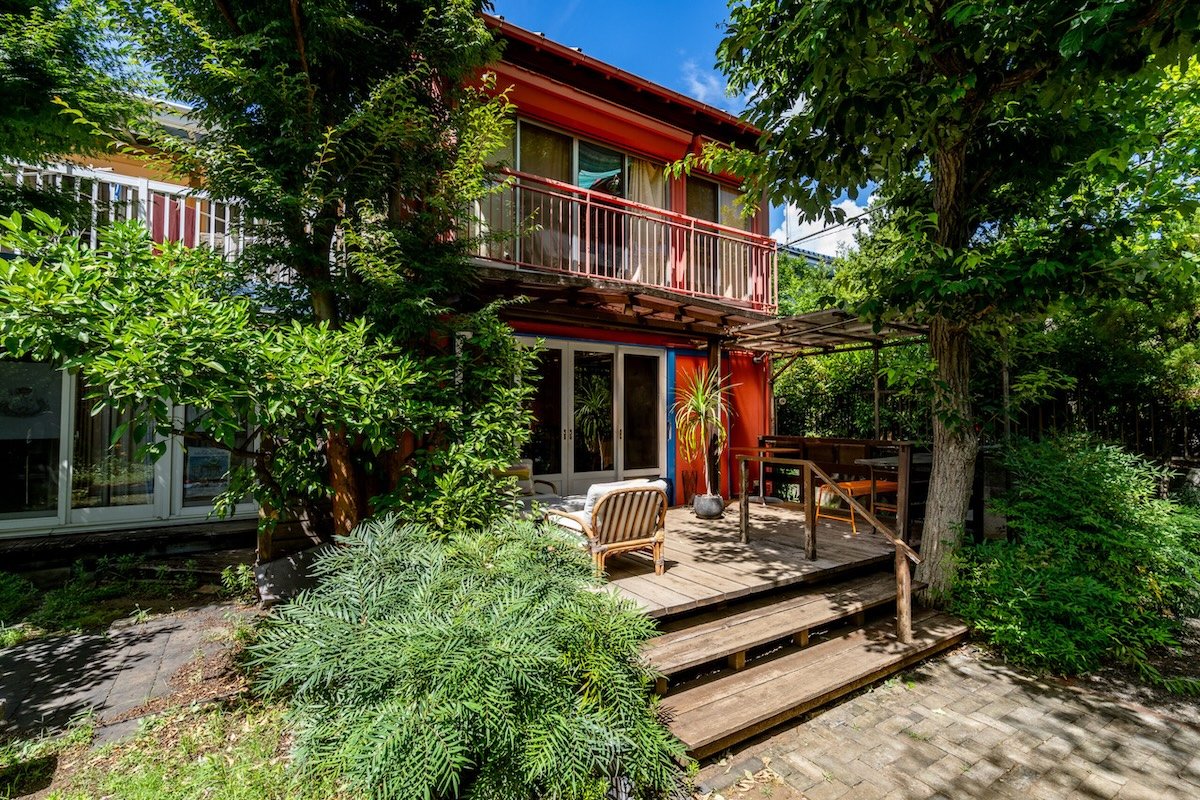
I had the walls painted orange, and with exterior paint, no less. The painter asked me, "Are you sure you don't want white walls in a kitchen?" But orange doesn't show dirt as easily, and exterior paint can take a good scrubbing. We scrub the floors and walls clean before closing for our August break.
It wasn't until I started Pâtéya that I realized I had never paid a single yen to learn cooking (laughs). So I began attending courses organized by groups such as the All Japan Chefs Association, the Tsuji Culinary Institute, and Bunryu's Overseas Training Planning Department. At the second or third summer course I attended at the Tsuji Culinary Institute, Paul Bocuse gave a workshop, and several of us made an overnight trip to attend. For Chinese cuisine, I went to the Chinese Cuisine Research Society and the Ebisu Chinese Culinary Academy. I was endlessly fascinated by what I learned about the culture of each country.
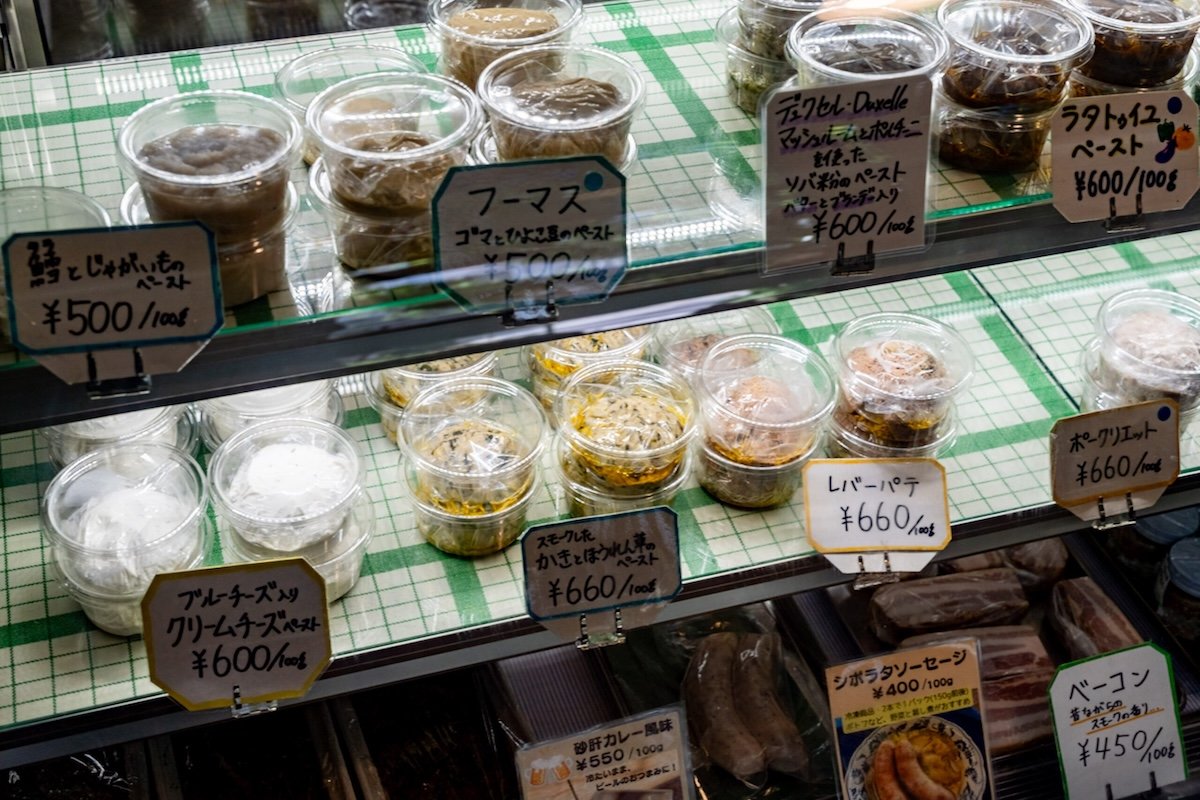
Every dish has a point where the flavor really comes together, but I've never been much good at teaching. When I'm making staff meals, though, I sometimes say, "Watch this! This is the moment the flavor is born!" At Pâtéya, for example, we marinate the pork for pâté de campagne in spices and add chicken liver that has been lightly sautéed, flambéed, and chopped. That's the key to the flavor. The flambéing gives the meat a depth of flavor that you don't get from ground meat alone. That's the moment when ordinary ground meat becomes pâté.
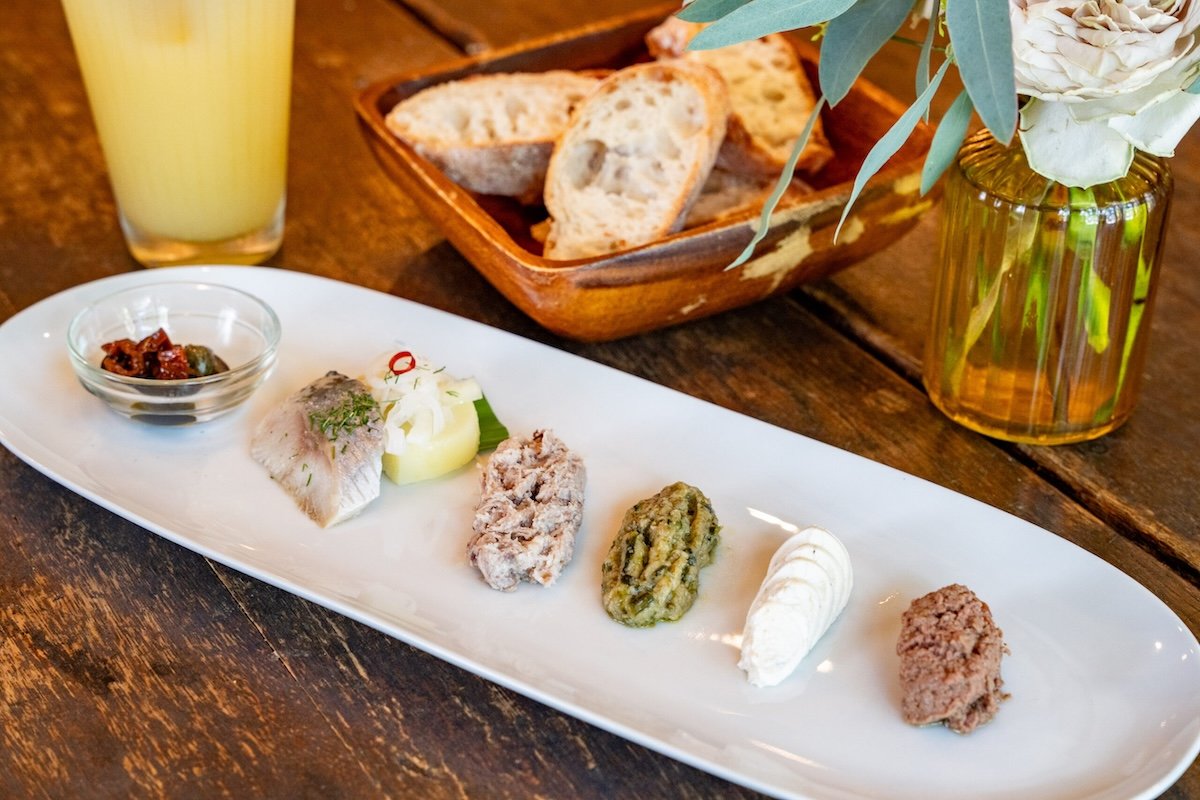
Pâtéya is now open four days a week, from Wednesday through Saturday. Because of the butcher's schedule, ingredients such as liver and pork arrive on Tuesdays, and I'm there to receive them. We need eight to 10 kilograms of liver every week. Herring and other ingredients arrive when it suits our schedule, frozen at sea and shipped from Norway. We fillet the herring and soak it in brine to draw out the blood. To make the spiced vinegar, we add spices to grain vinegar and leave it to mature for three months.
Wednesday marks the start of our working week. The staff arrive at nine and immediately begin cleaning and trimming the liver. We finish all the raw meat preparation before we open, taking great care to prevent bacteria from contaminating any of the other food we're preparing. When the liver is particularly tender, we use less salt. It has a milder flavor of its own, so too much salt can easily overpower it and throw the balance off.
Since the 1980s, I've been working with young architects on field studies exploring the natural environment and ways of life and cultures in the beech forest zone. In 2015, we presented the results of that research as Buna Wonderland, and I'm now working on a book based on that work. It keeps me quite busy, so these days I often leave the kitchen to the younger staff. But of course, I still make sure to check the flavor myself.
My daily routine? Well, the staff arrive at nine, but I barely manage to get up at eight. Then I work without eating or drinking anything until I have the staff meal. We always have soup with the meal. When we make our "Curried Chicken Gizzards," the stock from the gizzards is full of gelatin. We add vegetables to it, and it makes a really delicious soup.
Once I finish work, I relax on my own and watch the TV programs I've recorded, sometimes at double speed. I want to get through them that same day, you see (laughs). Then I check my emails and send a few, so it's usually around two in the morning before I finally get to bed. During the summer break, I spend my days sleeping, getting up, and watching TV, thoroughly enjoying life on my own.
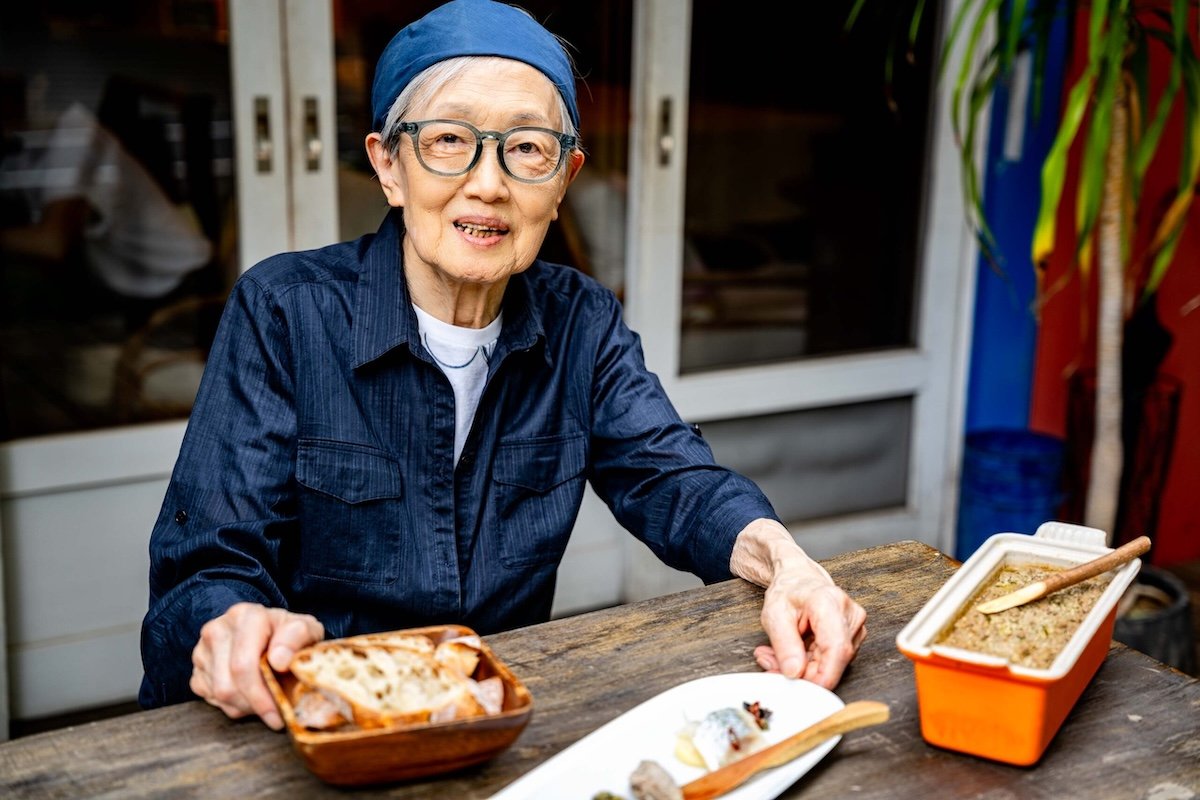
Hayashi Noriko
Age 87. Born January 14, 1938. After graduating from Nihon University with a degree in architecture, Hayashi spent two years working at architectural firms in the Netherlands and France. After returning to Japan, she worked at an architectural studio and married. In 1973, she opened Pâtéya in Denenchofu, a residential neighborhood in southwest Tokyo. At the same time, she established the Food Research Workshop to explore food around the world from the perspectives of climate and the environment, as well as history and culture.
Her books include From the Storefront of Pâtéya: Bonito Tastes Best With the Skin on. Alongside making pâté, she continues to conduct fieldwork in the beech forest zone, a region rich in trees of the beech family that supports diverse ecosystems of plants, animals, and microorganisms and has fostered distinctive ways of life and cultures.
The Cuisine Magazine
A specialist food media platform with a mission to "connect those who produce food, those who cook with it, and those who eat it." It shares the philosophies and work of chefs and producers in Japan and around the world. Through reports from specialist food journalists in 12 countries and food-related initiatives addressing social issues, it disseminates "food knowledge" with lasting value rather than information that is quickly consumed and forgotten. With "Eating with creativity" as its theme, The Cuisine Magazine continues to explore better ways to eat.Photos by Mitsui Masashi
Translation by Luna Lys