






Finding Wa on the Tokyo Train: Thirty Six Years of Commuting in Japan
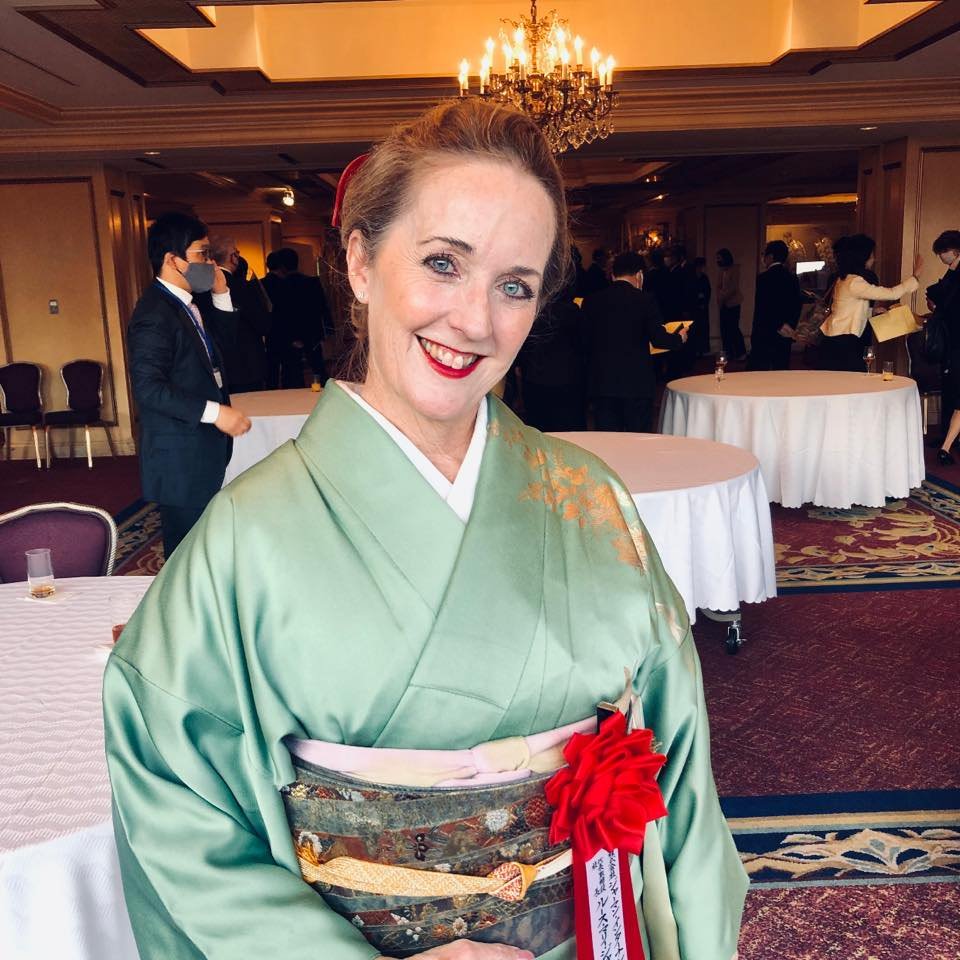
[CONTRIBUTED ARTICLE] Ruth Jarman, Founder and CEO of Jarman International K.K., a Tokyo-based business consulting firm, serves as an independent director on the boards of three publicly listed Japanese companies and has lived in Japan for more than 35 years. In addition to advising on government initiatives related to Japan's globalization, she writes and speaks about the strengths of Japanese people and culture.


This audio is generated by AI, so pronunciation and expressions may not be fully accurate. The narration is only in English.
Thirty Six Years of Train Commutes
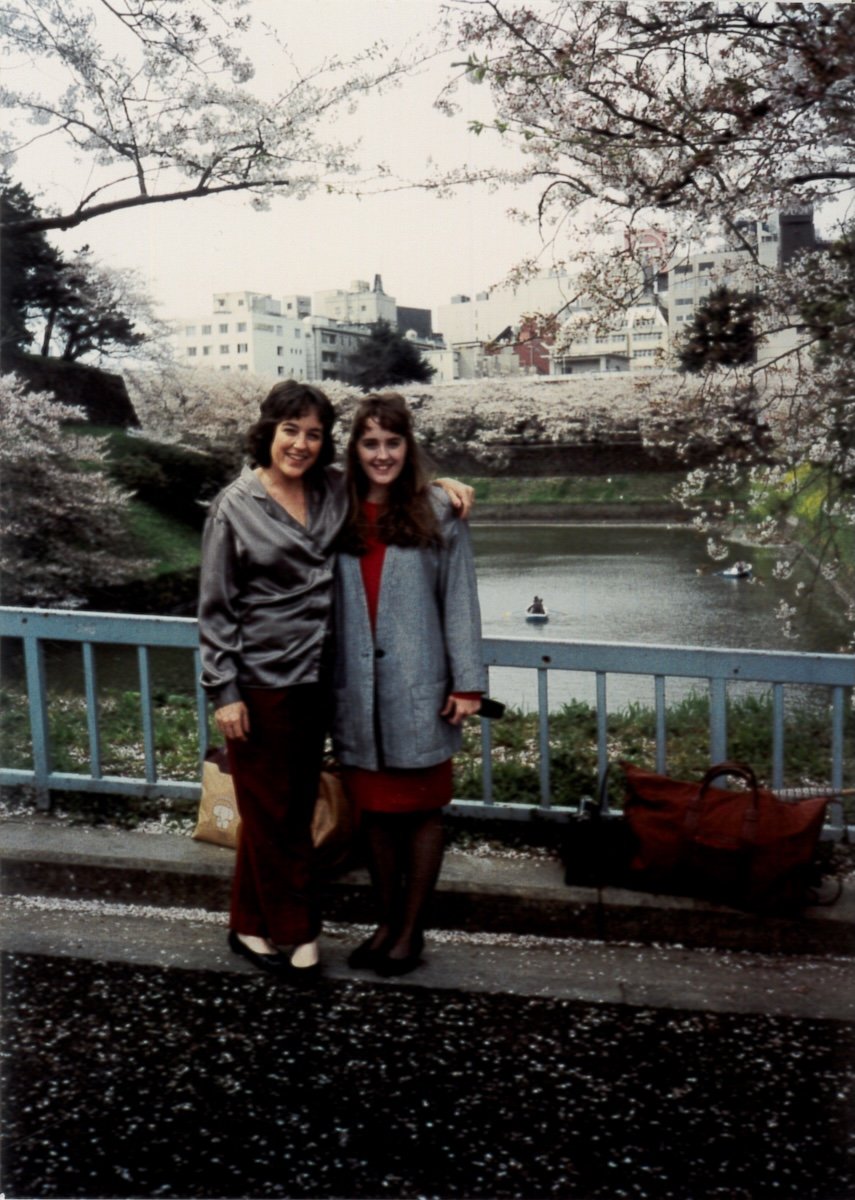
In 1988, everyone would shift their gaze as soon as our eyes met. Coming to live in Japan after college in Boston and being raised by the Spirit of Aloha in Hawaii, I felt incredibly lonely during every single commute.
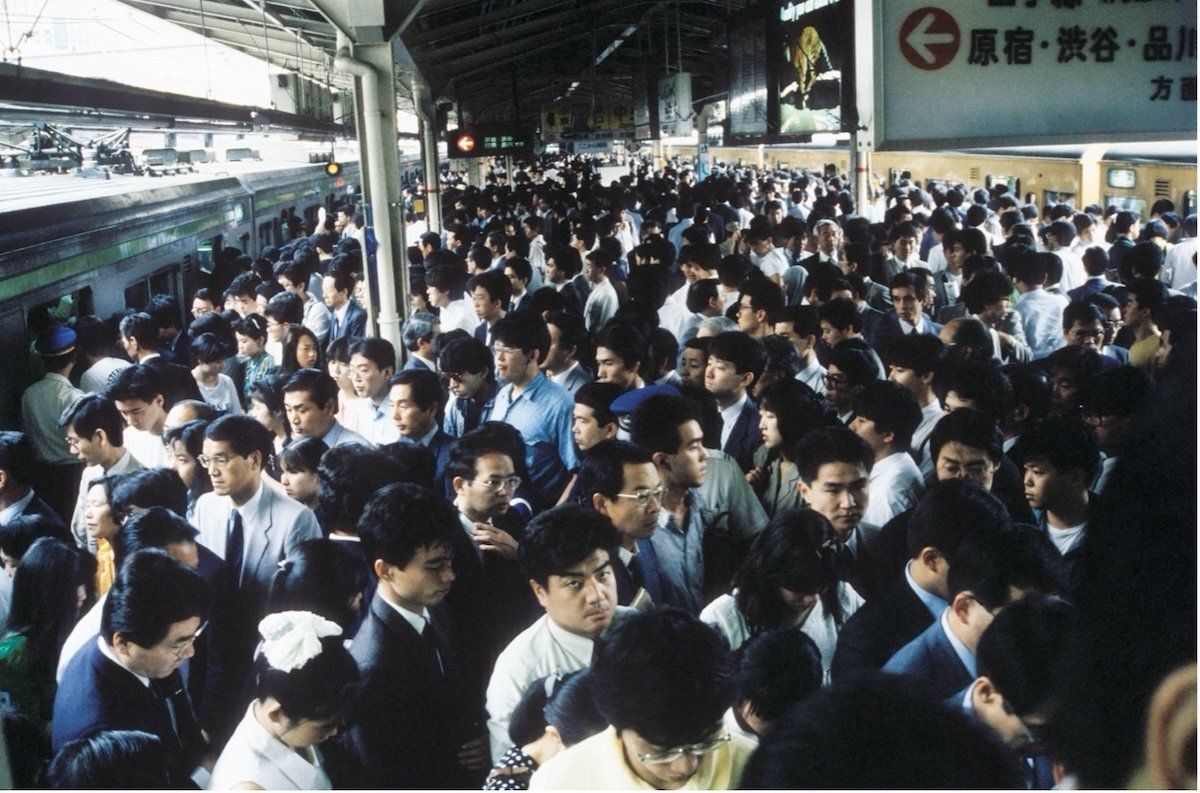
Moving each day to and from Shimbashi Station, where I had landed a job at Recruit Co., Ltd.'s Ginza headquarters, I traveled among an impressive mass of people.
It was the era of Tokyo's heady "Bubble" economy. Money flowed easily, and I envied the girls on the train sporting their brown, logo-covered Louis Vuitton purses.
One colleague at Recruit returned from one of her regular trips to Hawaii with no fewer than six Louis Vuitton bags, and what seemed to me an incredibly large credit card debt. She complained about "succumbing to the shopping bug," but the upturned edges of her mouth made it clear this was one of the most exciting things a 24-year-old "office lady," or "OL" as we were called, could do during this wildly opulent time.
But back to my feeling of aloneness.
In the United States, it is common to exchange smiles when your eyes meet someone, even if they are a complete stranger. Sometimes, on an elevator or in a quiet train station, that brief smile exchange confirms that the other person means no harm. Both sides smile for a moment, acknowledge one another, and continue on their way.
Much Deeper Than a Smile

Here in Tokyo, things felt completely different. With very limited Japanese ability, trying to function in a brand-new country while facing a flood of changes in my personal life and the challenges of being a new hire at a high-energy company, I needed some comfort. I longed for the reassurance that tiny act of kindness between strangers could provide.
During my commute, I mimicked fellow passengers by neatly folding my newspaper into four vertical sections so it wouldn't touch the person next to me. I stepped deep into the train so I wouldn't block the doors. I learned to cheerfully call out "Orimasu!" when I needed to shimmy off the packed train at my Ginza stop.
I also discovered that during the rush-hour crush, it was perfectly normal to stand so close to someone seated that you might almost straddle their knee with your legs. It was a kind of shared physical space with strangers that I had never experienced before.
I was getting closer to strangers than I ever had in my life, yet none of them would look at me.
Or if they were looking and I caught their eye, they would immediately shift their gaze back to their sports shinbun newspapers (the sports tabloids popular among salarymen at the time) or close their eyes altogether to catch a few needed moments of sleep before their stop.
Silently, I pleaded for a small smile.
I needed someone to let me know, "I'm here too. I see you. You are not alone."
Experiencing Wa Firsthand
Now, after more than three decades in this amazing city, I realize that being packed into that train together was itself a form of Tokyo-style connection. Every time someone carefully placed their briefcase on the overhead rack, leaving space for the next person's bag, we were connecting. Every time the group shifted and sidestepped to let me off the train after I called out "Orimasu!," we were in sync. Every time the passengers by the door stepped off and waited on the platform to make room, knowing they might not fit back on, we were cooperating.
What I was experiencing was a powerful sense of groupthink and camaraderie that I simply didn't yet know how to read.
It is a form of teamwork that is quiet and unobtrusive.
One morning I rushed onto the train and the door closed on my arm, leaving my right hand and paper shopping bag stuck outside. Immediately three passengers jumped up and manually opened the doors so I could pull my arm back inside.
They protected me.
Another time, my daughter fainted on the train while she was sick. Several passengers quickly gathered around, used their sports shinbun newspapers to cover the mess, and gently guided her off the train at the next stop so she could return home. They never made my 10-year-old feel embarrassed. She simply felt cared for and seen by these complete strangers.
They were there for my family.
On another occasion, after a late birthday party and perhaps one drink too many, I was gently nudged awake by the passenger sitting next to me when the train stopped. I realized I had fallen asleep on his shoulder and that my large bouquet of flowers had been spilling into his lap the entire ride. Somehow I sensed he understood. Maybe he thought, "I might as well let her sleep."
After all, it was only Wednesday, and we would all be back in the grind the next day.
They were patient.
At first, I thought the smiles were missing. But now I realize that even the packed rush-hour train was a window into a powerful and understated Japanese sense of community.
It is a sense of wa, harmony, that underpins everything in Tokyo.
Smiles Are the Icing on the Cake
And recently, something unexpected has happened.
I've started to notice more smiles.
I pass a beautifully dressed woman in Ikebukuro Station, admire her fashion sense, and when our eyes meet, she grins. At a café counter, waiting for my "Burendo (blend)" coffee, my eyes meet those of the elderly man beside me. He smiles. I pass a family with a toddler in a stroller. His bright orange hat catches my eye, and when we make eye contact, the toddler beams. As I smile back, both mom and dad respond with a warm grin and a small bow of greeting.
Whether you are traveling alone or not, it's still possible to feel a little isolated in a big city like Tokyo. But if you pause and observe carefully, you may notice how the ancient tradition of wa shapes even the most crowded commuter train, and how new smiles sometimes appear between strangers.
In Tokyo, "Old Meets New" is not just a phrase.
It's something you can feel every day, even on the morning train.
Just don't forget to smile.
Ruth Jarman