







Creating the Vintage of the Future: TOKYO CREATIVE SALON 2026's Vision


This audio is generated by AI, so pronunciation and expressions may not be fully accurate. The narration is only in English.
Capturing Tokyo's Dynamism Through Creativity
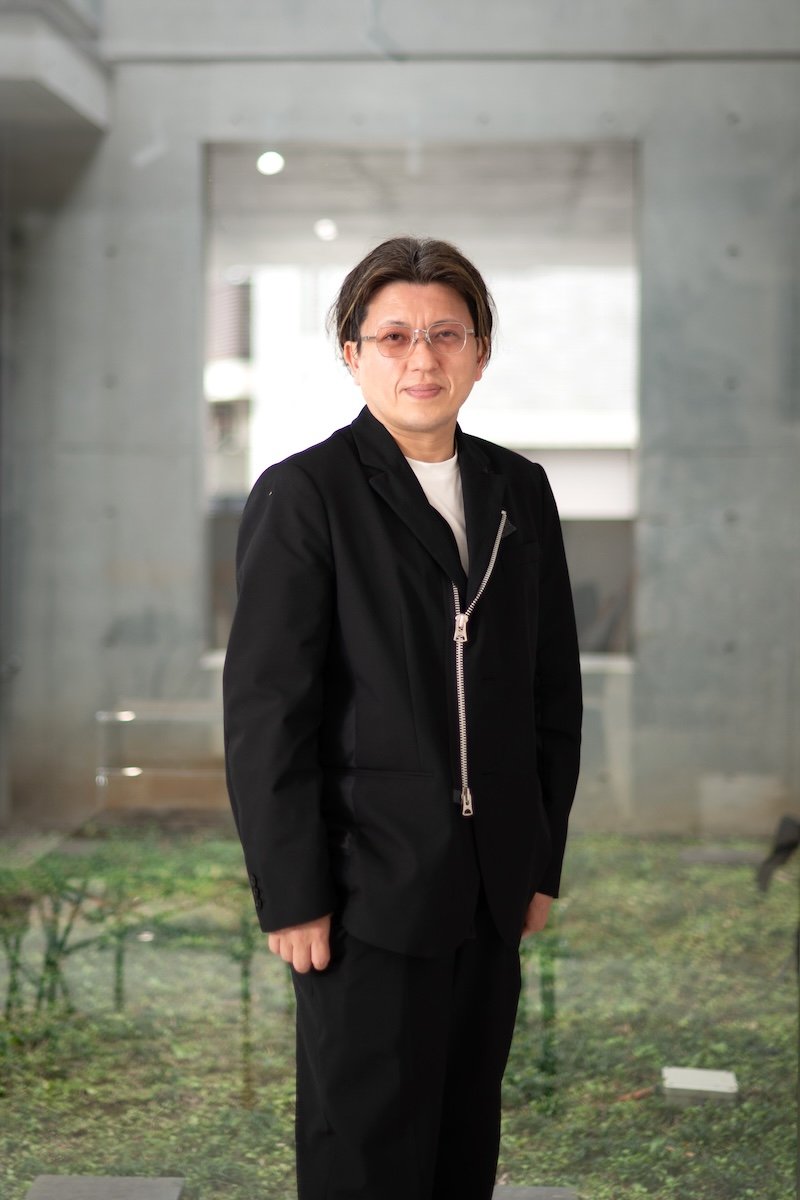
Held every March since 2020, TCS is an annual event. This year's theme is "FUTURE VINTAGE—Carrying the past into the future through new creation." Sugiyama Ou, Executive Director of the Executive Committee, explains.
"Tokyo is one of the world's most dynamic cities, constantly renewing itself," says Sugiyama. "While preserving historic streetscapes shaped during the Edo period (1603-1868), it continues to integrate new elements, sustaining a unique dynamism. Through TCS 2026, we hope to offer visitors a firsthand experience of what makes Tokyo so distinctive."
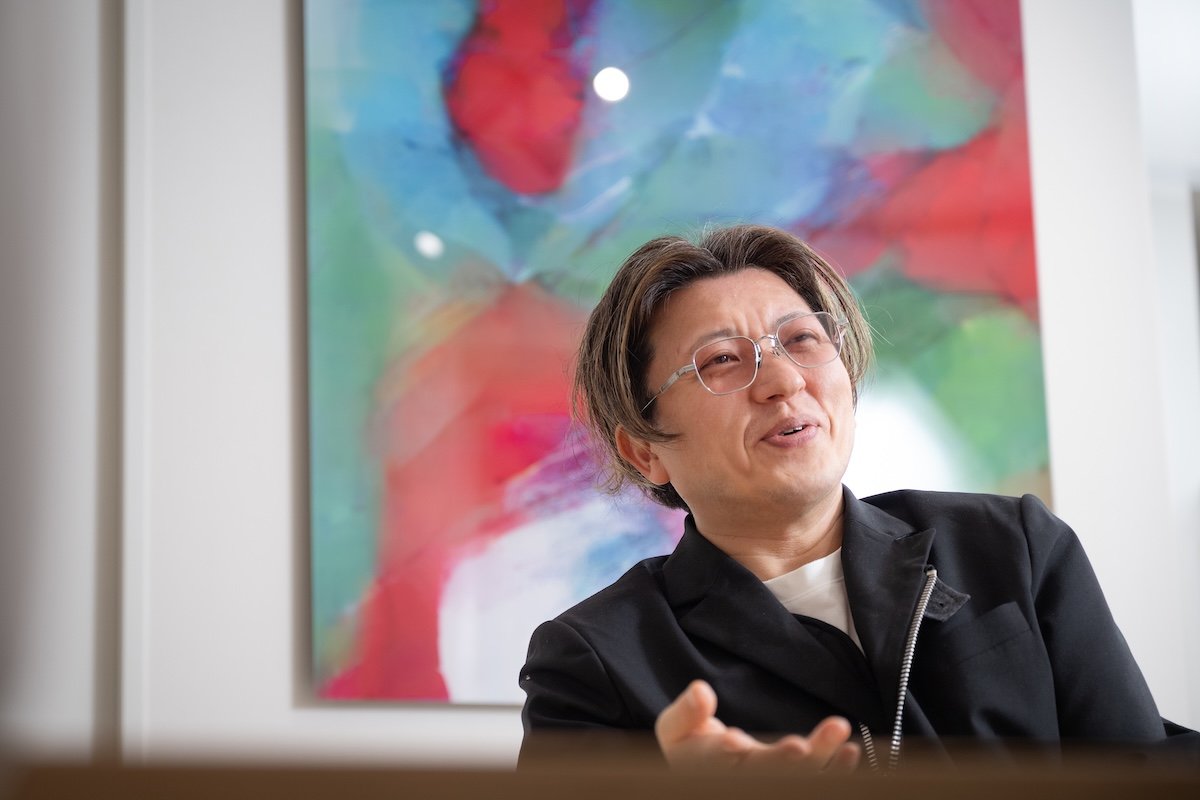
Sugiyama notes that the creative world has long placed the spotlight on what is new, with creators devoting their energy to producing original works. For TCS 2026, however, the focus shifts to the vast archive accumulated within Tokyo. By reinterpreting it through contemporary sensibilities, the aim is to create new value—one that endures for the next 100 years, rather than being consumed and forgotten.
Around 100 Vintage Shops Gather!
Here are some of the main events.
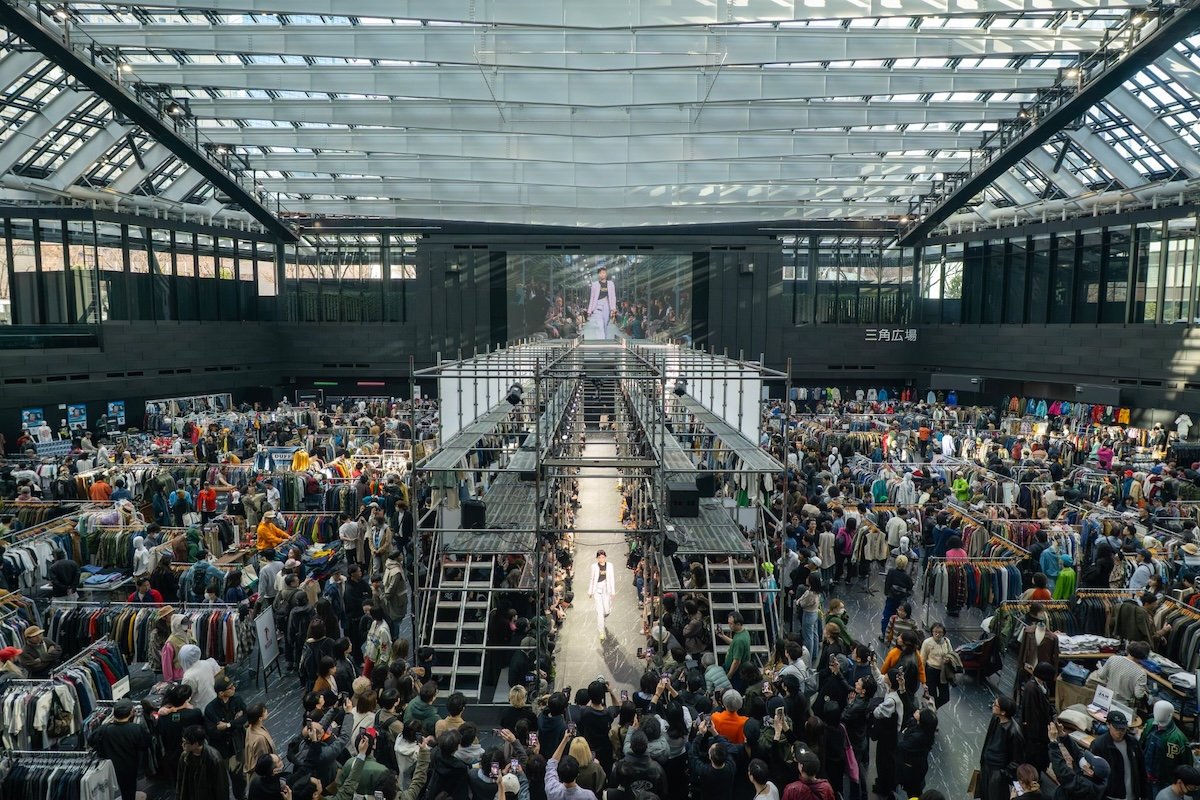
Held from March 13 to 15 at Triangle Plaza in the Shinjuku Sumitomo Building, Tokyo Vintage Fashion Week focused on Tokyo's vintage culture.
Sugiyama explains that a vintage market bringing together around 100 shops will serve as an expression of TCS 2026's philosophy. In addition to the exhibition and sale of a wide range of items, the program will feature fashion shows that use styling to convey the historical context and stories embedded in each piece. The aim, he says, is to create a space where visitors can experience the true value of vintage culture firsthand. Tokyo's vintage scene, now highly regarded worldwide, is underpinned by a deeply rooted ethos of circulation—one that does not simply consume the old, but reinterprets its value and passes it on to the next generation.
No matter how advanced technology becomes, it cannot recreate what is truly old. That is precisely why vintage fashion takes on new brilliance when reinterpreted through contemporary sensibilities.
During the same period, the Focus Exhibition Tokyo Trace was also held at Triangle Plaza in the Shinjuku Sumitomo Building.
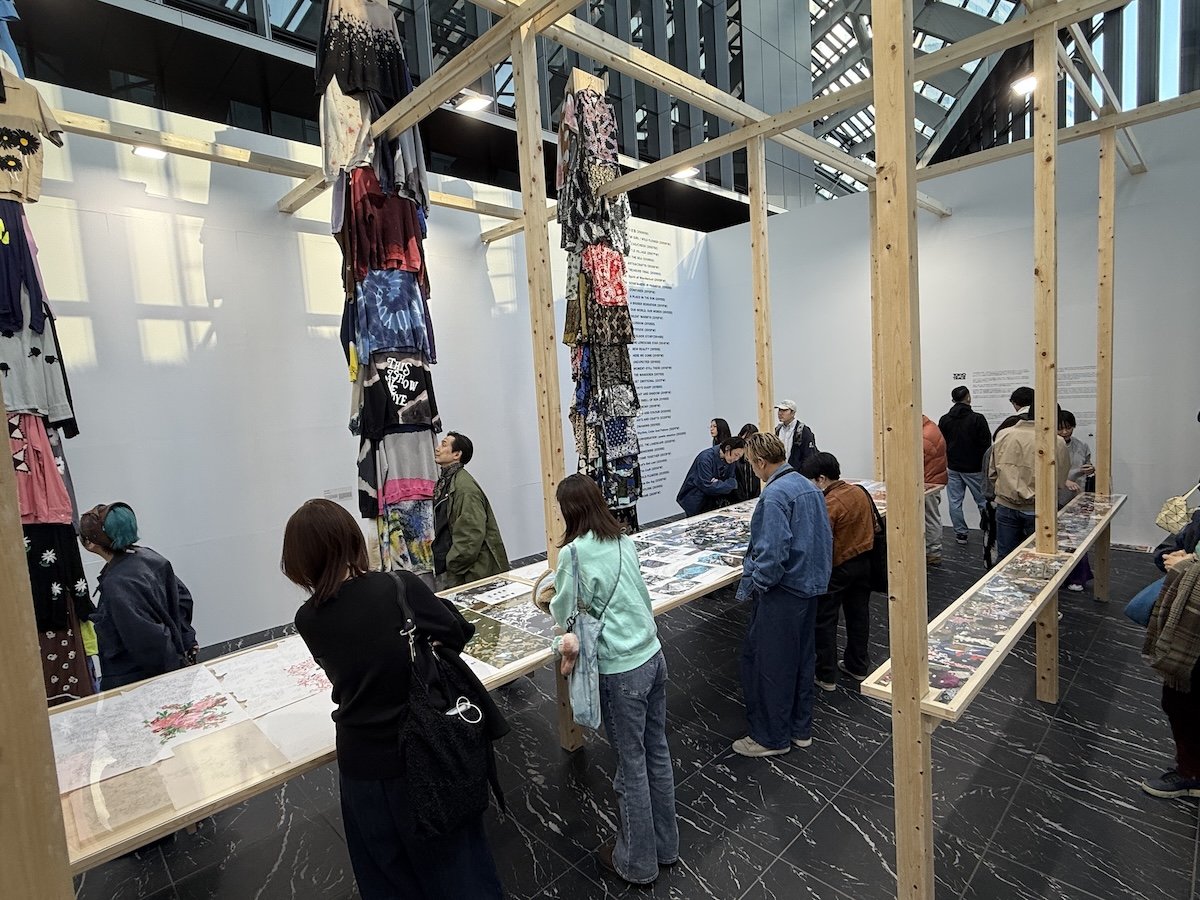
Sugiyama adds that the Tokyo-based emerging brand NOMARHYTHM TEXTILE, which has been drawing global attention, is featured in the exhibition, which explores the "traces of Tokyo" embedded in the creative core of its two designers. Going beyond a conventional display of products, it invites visitors to step into the designers' creative space and experience the inspirations shaped by the city of Tokyo.
The program also includes a collaborative project in partnership with the Mainichi Fashion Grand Prix, one of Japan's leading fashion awards.
Nine Areas Awash with Cherry Blossoms Set the Stage
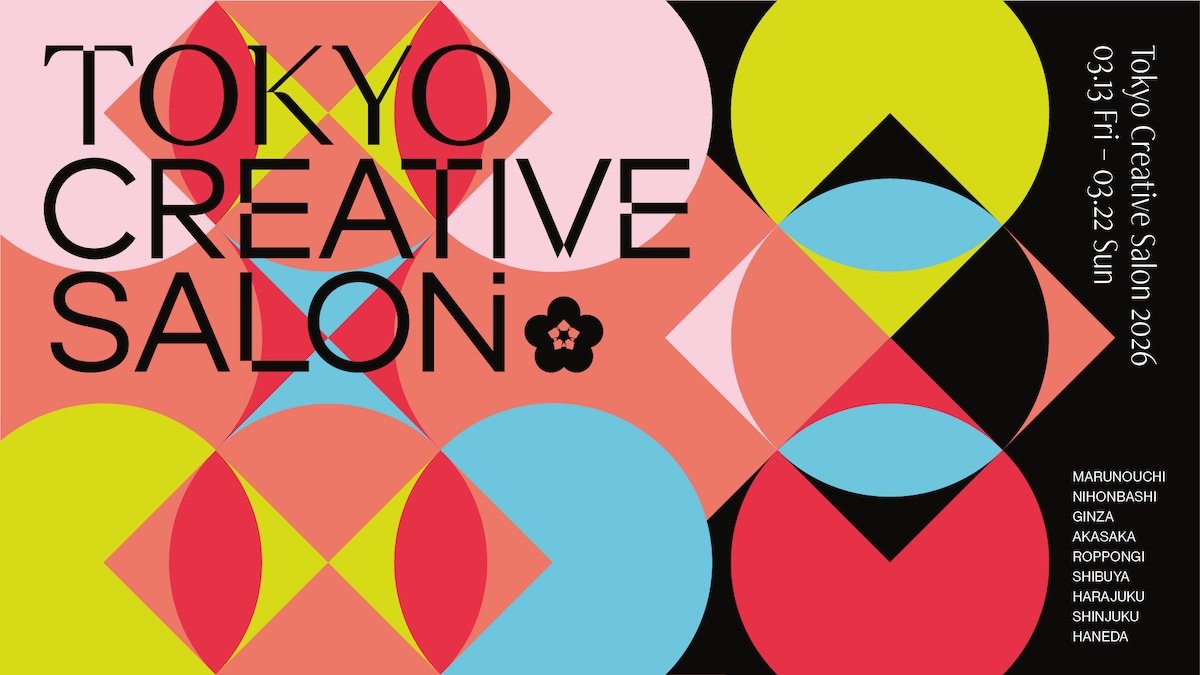
This year also marks the launch of the City Wide Program, spanning nine areas—Marunouchi, Nihonbashi, Ginza, Akasaka, Roppongi, Shibuya, Harajuku, Shinjuku, and Haneda Airport—and drawing on each area's distinct history, culture, and identity to present a diverse range of creative content, including shows and exhibitions across fashion, design, art, and craft.
"Tokyo's true appeal lies in its individuality, shaped by a rich mix of cultures. The nine areas that make up TCS 2026 are not simply event venues—the entire city becomes the stage for a single, expansive experience. Rather than staying in one place, we encourage visitors to explore the city with the official guidebook in hand, moving from point to point and connecting the dots. It's through this act of movement that Tokyo's dynamism, stretching from past to present, becomes something you can truly feel. We aim to create a new kind of city-wide festival—one that leads visitors to discover the unseen pulse of Tokyo."
The TCS 2026 logo features a cherry blossom motif. The City Wide Program also includes many spots where visitors can enjoy the blossoms.
Sugiyama notes that cherry blossoms have long been cherished in Japan and remain popular with visitors from overseas. When they are in bloom, exploring the city becomes all the more enjoyable.
Tokyo is home to countless places that spark creativity, including the areas that serve as the stage for TCS 2026. Sugiyama points out that beyond the appeal of these places, other factors in Tokyo also help sustain its creative energy.
"In Tokyo, as subcultures such as gyaru and Lolita illustrate, the streets are shaped by a spirit that goes beyond passively consuming what is given—one that reworks it and finds new value in what already exists. This capacity of individuals to create culture themselves has helped elevate Tokyo's creativity to a global level. TCS 2026 is a place where anyone can take part and express themselves. By engaging with the energy of its participants, we hope to open a new chapter in Tokyo's creative scene."
TCS 2026 looks set to become a new space for fostering the next generation of creativity.
Sugiyama Ou
TOKYO CREATIVE SALON 2026
https://tokyo-creativesalon.com/en/Photos by Akiyoshi Yoko
Translation by Luna Lys