







Cooling Innovation from a Hot Startup


This audio is generated by AI, so pronunciation and expressions may not be fully accurate. The narration is only in English.
How Innovation Materialized
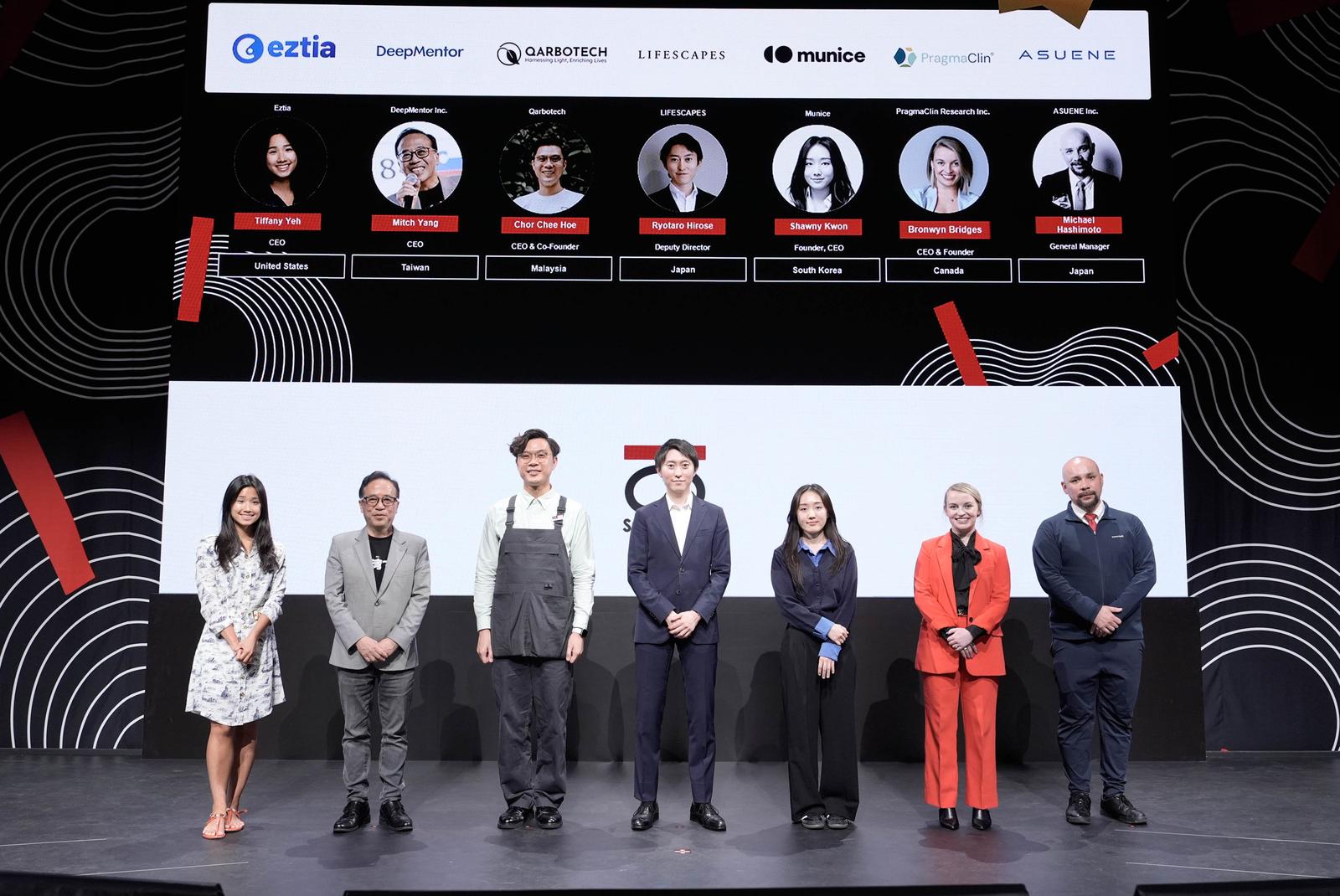
Yeh was among the participants at SusHi Tech Tokyo 2026, Asia's largest global innovation conference held at Tokyo Big Sight from April 27 to 29, where she was selected as a finalist for the SusHi Tech Challenge 2026 pitch contest.
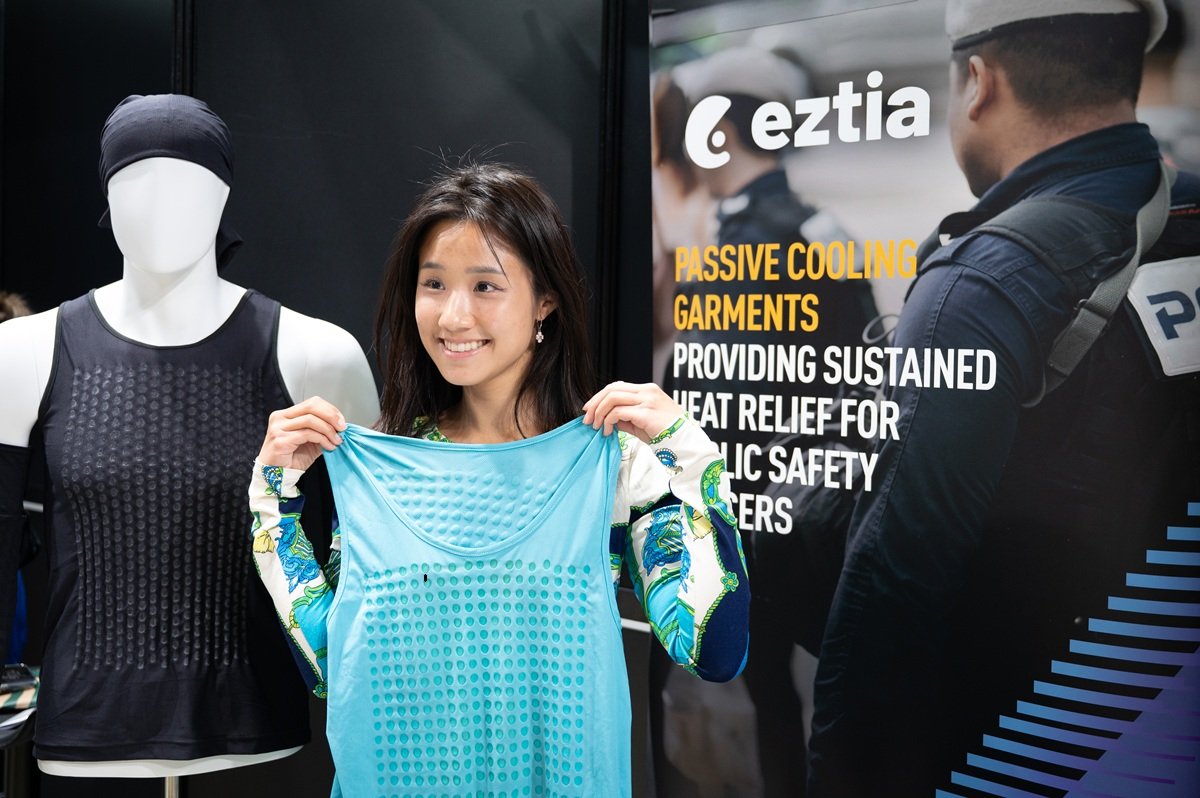
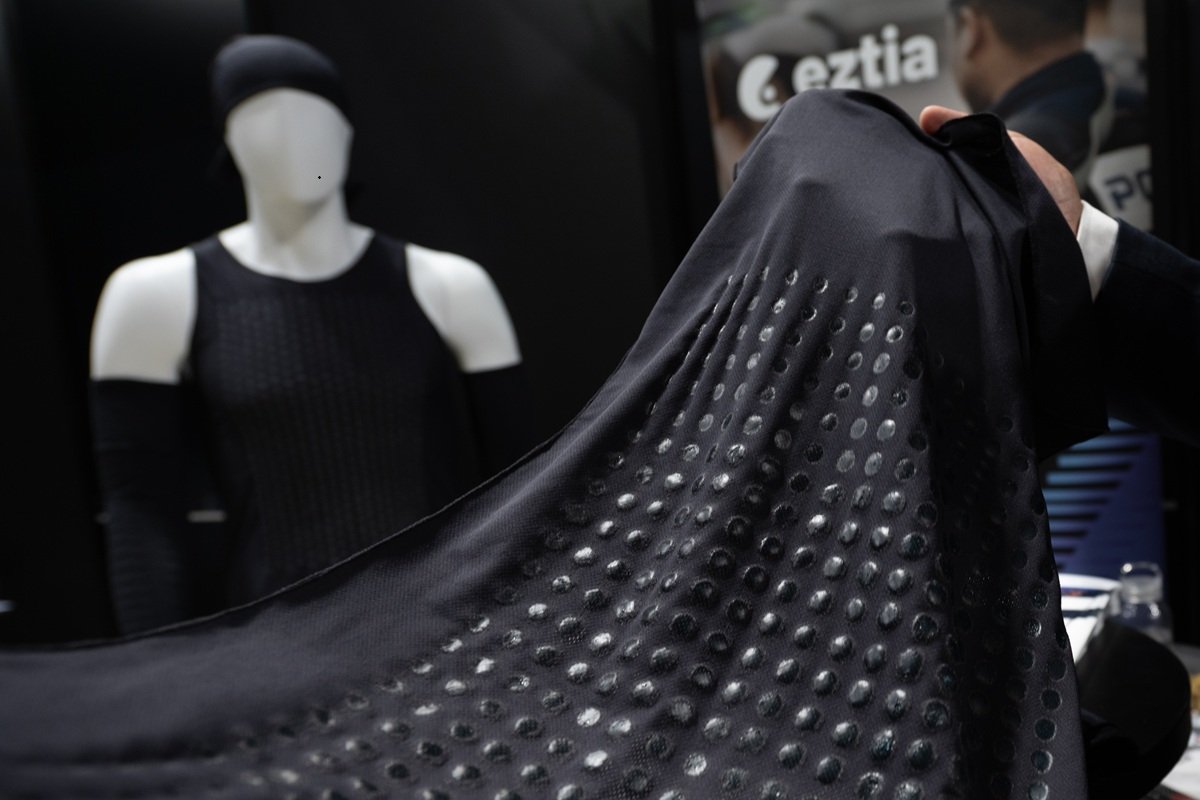
HydraVolt is printed on or sewn into garments and is designed to lower skin temperature through evaporative cooling by up to 10 degrees Celsius, for as long as 8 hours. Requiring neither electricity nor batteries, the material is recharged through exposure to water and can be laundered like regular clothing. The roots of this innovative technology go back to Yeh's student days, when she began exploring wearable cooling materials as a passion project.
Yeh was born and raised in Taiwan but has been based in the USA since the age of 17. After majoring in materials science at the Massachusetts Institute of Technology, she went on to earn a medical degree from the University of Pennsylvania. The accomplished scholar also spent time overseas for fieldwork in Asia, Africa, and Latin America—some of the world's hottest locations.
Her experiences abroad sparked Yeh's interest in investigating the cooling polymers used to regulate temperatures in buildings and vaccine packaging. Her research inspired the polymer designs she developed as a side project while studying medicine.
"After medical school, I wanted to take those designs and turn them into an actual technology, and that's what led to Eztia," she explains. "I never expected to return to materials science after my medical degree, but now my work has become a mix of both fields."
Yeh feels fortunate to have had a wide range of opportunities that resulted in her exploration of cooling solutions. "If you care deeply about something, then you should pursue it because you're well equipped to do so," she says. "I think it was precisely all of those different paths and experiences that put me in a good position to tackle this particular area of materials science."
Building Early Momentum in Tokyo
With what Yeh terms "worker safety" as its core market, Eztia aims to provide cooling solutions through various approaches. "I think worker safety is very important because it touches multiple layers of society," she points out. "So, the broader vision is that we can eventually adapt this technology in different ways to serve a wide range of needs across society."
Japan—and Tokyo in particular—has special significance in the Eztia story. The company's first partner was Kajima Corporation, which utilized the cooling material at a construction site in Tokyo. Kajima already had a strong grasp of heat relief measures, and the construction firm played a key role in helping refine HydraVolt designs over time.
"We went from a cooling patch, to a shirt with cooling pockets, to now directly printing our cooling material onto garments," says Yeh. She appreciates the effort Kajima put into compiling reports and sharing data with her team, which she says is indicative of the high level of care and consideration shown by Japanese partners in general.
Eztia also works with customers in the USA and Singapore, including an American construction firm and the Singaporean government, which is using HydraVolt for police and corrections officers. In this way, this sustainable cooling technology is now being applied across both the commercial and public safety sectors.
Technology with Social Impact
One of Eztia's investors is Scrum Ventures, a venture capital fund with bases in both the USA and Japan. It has helped Yeh's company to conduct trials with a variety of demographics through an accelerator program in Hokkaido.
These activities included successful test results with cooling headwear for elementary school children, shirts and headbands with the Hokkaido Nippon-Ham Fighters professional baseball team, and arm covers for drivers at Yamato Holdings Co., Ltd., a logistics and parcel delivery company. The results suggest strong potential for the technology to be scaled and incorporated into daily life.
Amid rising concerns over global warming and increasing temperatures, HydraVolt's technology could contribute to improving resilience in cities such as Tokyo by offering new solutions for coping with heatstroke. It may prove to be a game changer for public safety, supporting first responders such as healthcare workers in the field or staff managing outdoor events.
Eztia is having a positive impact in other ways, too. Yeh is proud of how the firm's production base in Taiwan proactively employs women, international students and people who entered the workforce through trade schools rather than universities.
"I think it's all about offering opportunities to people from different backgrounds who may have historically been overlooked, but who are talented and work very hard," she notes. "It's about giving them the opportunity to grow and to shine."
A Blueprint for Global Expansion
Yeh's first experience at SusHi Tech Tokyo 2026 has been highly rewarding. "We don't conduct traditional outbound marketing, but rather connect with collaborators and clients by word of mouth, so having a platform like SusHi Tech Tokyo to help grow our network has been very valuable," she says.
In addition to being selected as a finalist for the SusHi Tech Challenge 2026, Yeh also participated as a speaker, with a session entitled "Transforming Regions into Innovation Platforms: From Demonstration Fields to Co-Creation Ecosystems." Drawing on a land and expand strategy, she says that Eztia first proves the value of its products with an initial partner, who then provides detailed feedback so the technology can be improved in a collaborative way.
"If that's done well, the network effects come in because others will hear about it and this produces a certain virality, where other people in the region then jump on board," Yeh explains. "So, I think that's where co-creation and winning a region go hand in hand." Such initiatives can then serve as case studies or success stories that can be shared with other regions.
Looking ahead, Yeh describes the company's approach as "two-pronged": expanding partnerships to demonstrate the broadly applicable nature of the technology, while also deepening collaboration within each organization to scale implementation across multiple sites.
As dealing with extreme temperatures becomes an increasingly urgent global issue, Eztia's momentum appears to be heating up at just the right time.
Tiffany Yeh

Eztia

SusHi Tech Tokyo, short for Sustainable High City Tech Tokyo, is a global innovation conference where startups, investors, large corporations, cities, and universities from around the world gather in Tokyo to envision and implement the future of cities, with the shared goal of realizing sustainable cities through cutting-edge technologies.
SusHi Tech Tokyo | Sustainable High City Tech Tokyo
Photos by Akiyoshi Yoko