







When Social Impact Adds Up: Tokyo Fintech with Purpose


This audio is generated by AI, so pronunciation and expressions may not be fully accurate. The narration is only in English.
The Value We Do Not See
Revenue, risk, and return are readily expressed in numbers. The effect a business has on people's lives is harder to pin down. Did an investment create meaningful employment? Did financing help someone move out of poverty? And can those outcomes become credible enough to influence the next financial decision?
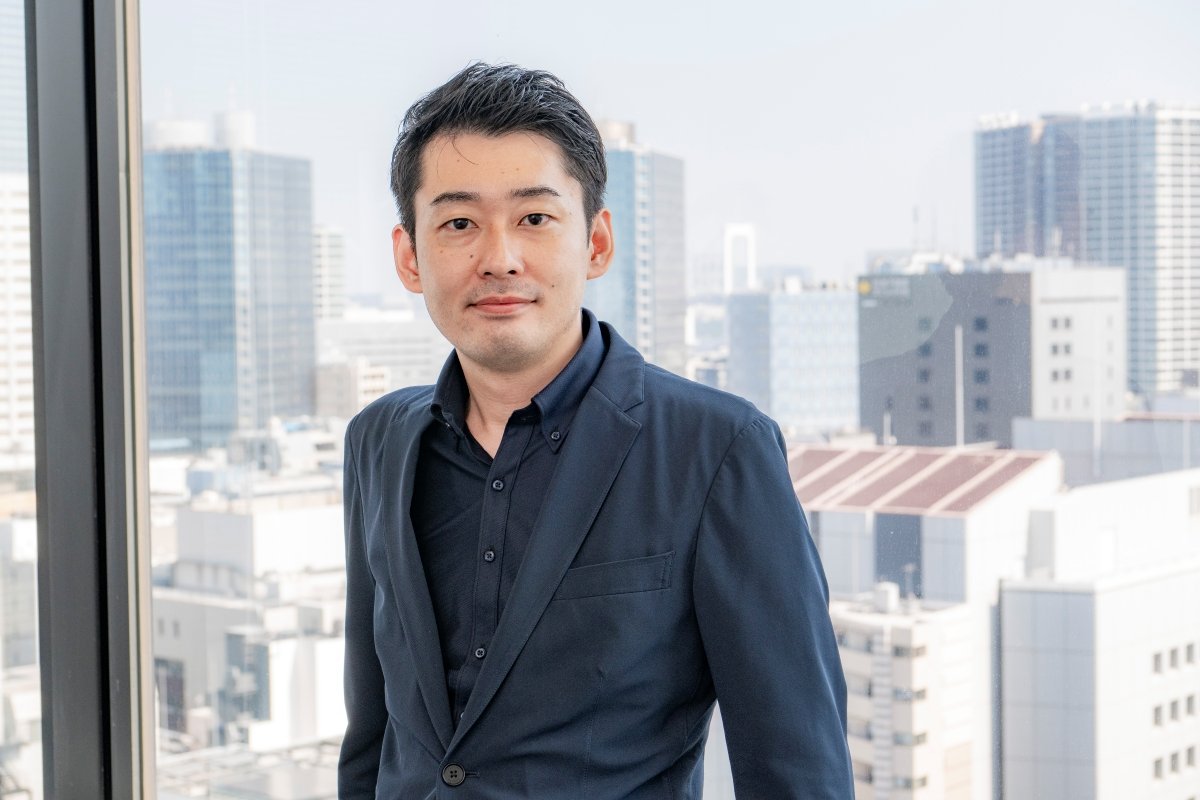
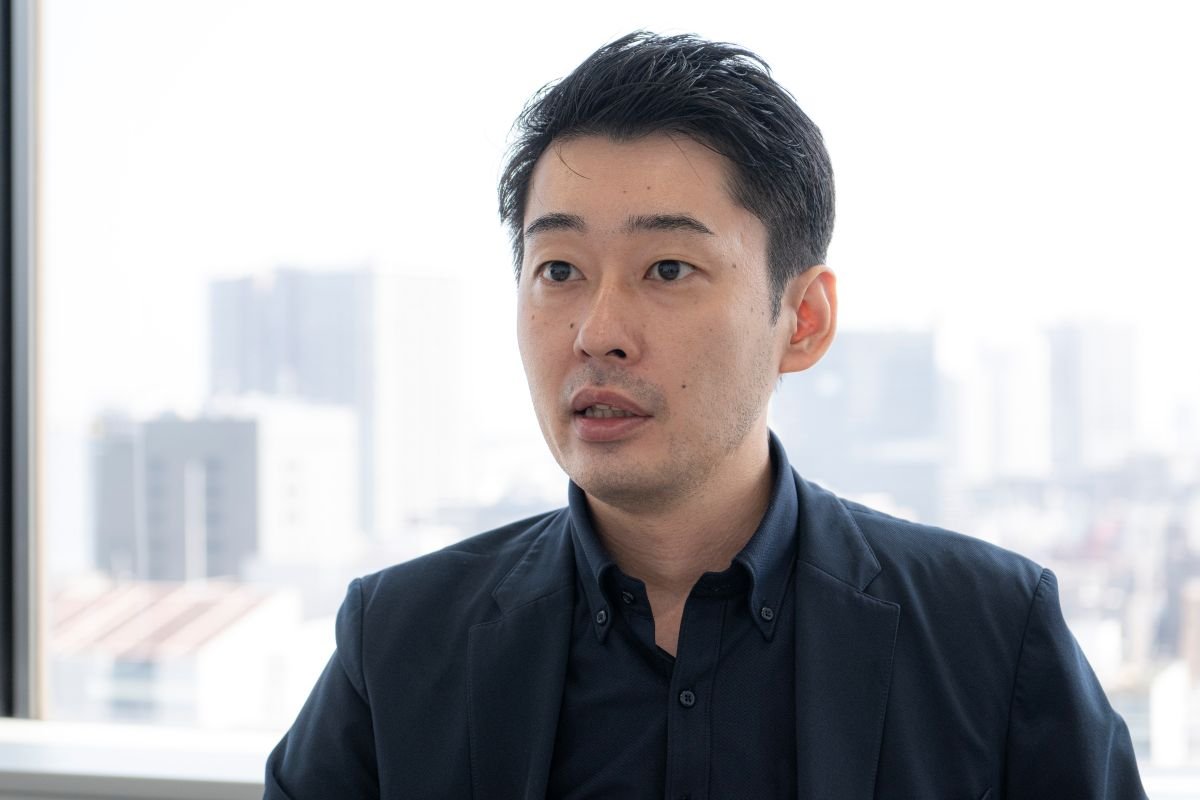
Founded in Tokyo in 2021, Impact Circle tackles the problem on two fronts: providing impact finance in Japan and Southeast Asia, and supporting financial institutions, corporations, and local governments in measuring and visualizing social impact. Social impact refers to the positive or negative change a business, investment, or other activity creates for people and society, from employment and income to wider community outcomes. "If you can't visualize impact, you can't even begin to evaluate it," says founder and CEO Takahashi Satoshi. "And if you can't evaluate it, you can't incorporate it into decision-making."
The company's financing business puts that thinking to work. In the Philippines, Impact Circle finances vehicles for drivers and boats and engines for fishers. These are not simply purchases. They are tools that can provide access to work and higher earnings for people who may struggle to qualify for conventional loans. Takahashi gives a simple example. Someone earning 10,000 pesos might be able to earn 15,000 or 20,000 pesos by working as a driver. Conventional screening largely asks what that person earns today. Impact finance also asks what acquiring the vehicle could allow them to earn tomorrow. "If someone's income rises from 10,000 to 20,000 pesos, and the monthly repayment is less than that increase, we can see they have the ability to repay," Takahashi says.
Social and financial outcomes, in other words, need not pull in opposite directions. And the potential reach is enormous. The World Bank's Global Findex 2025 estimates that 1.3 billion adults worldwide still lack access to a financial account.
From Weeks to Minutes
If impact is going to count, it first has to be measured. Traditionally, that has been a laborious process. Imagine a financial institution wants to understand the social impact created by financing a particular business. Consultants may need to interview the company, study its materials, and search academic papers, government reports, and other sources for evidence connecting its activities with particular outcomes.
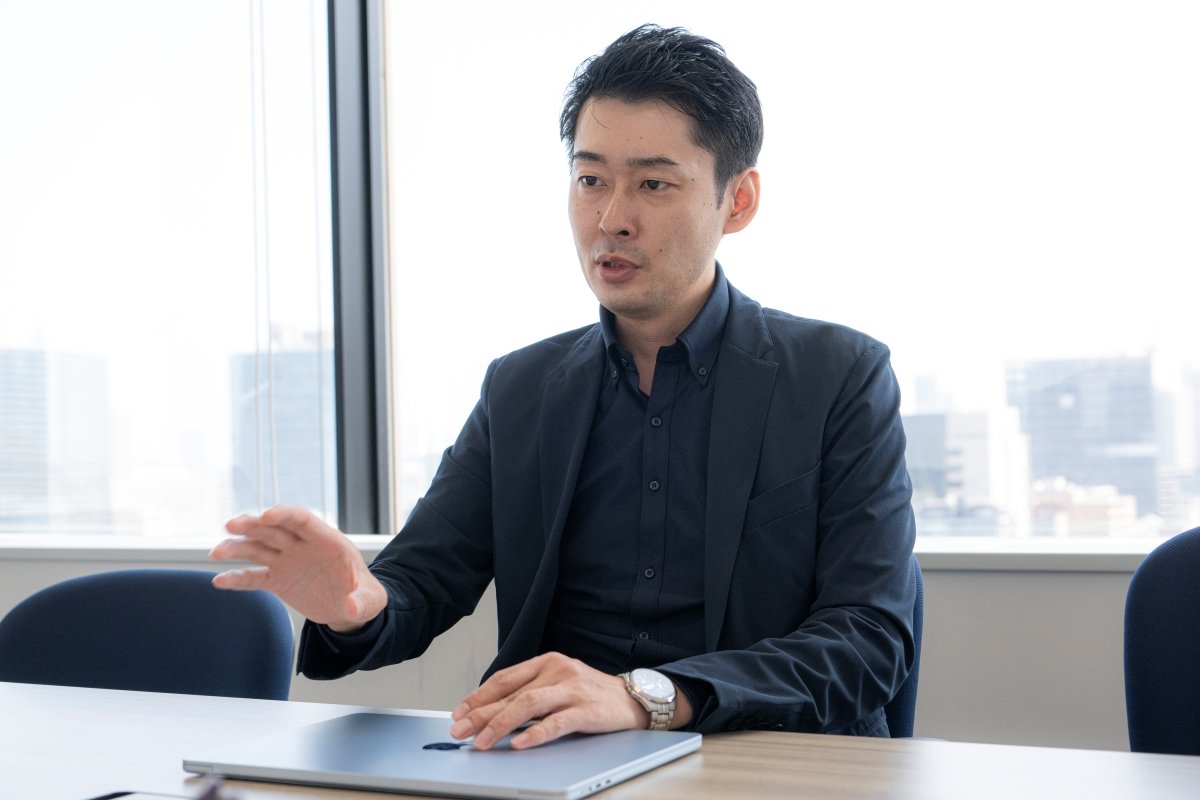
They then build a logic model mapping who is affected, what problem is being addressed, and what change should result, before choosing indicators to measure whether that change actually happens. The process can take one or two weeks, Takahashi says. Impact Circle built Impact Cloud IC, a cloud-based platform for measuring and managing social impact, to shorten it dramatically.
Upload the available information about a company or project and the system draws on its database to assist with the research and generate an initial impact framework. "You can get the beginnings of that blueprint in 5 or 10 minutes," Takahashi says. The result still needs human scrutiny and discussion, but work that previously took weeks can, in some cases, reach a usable level within a day.
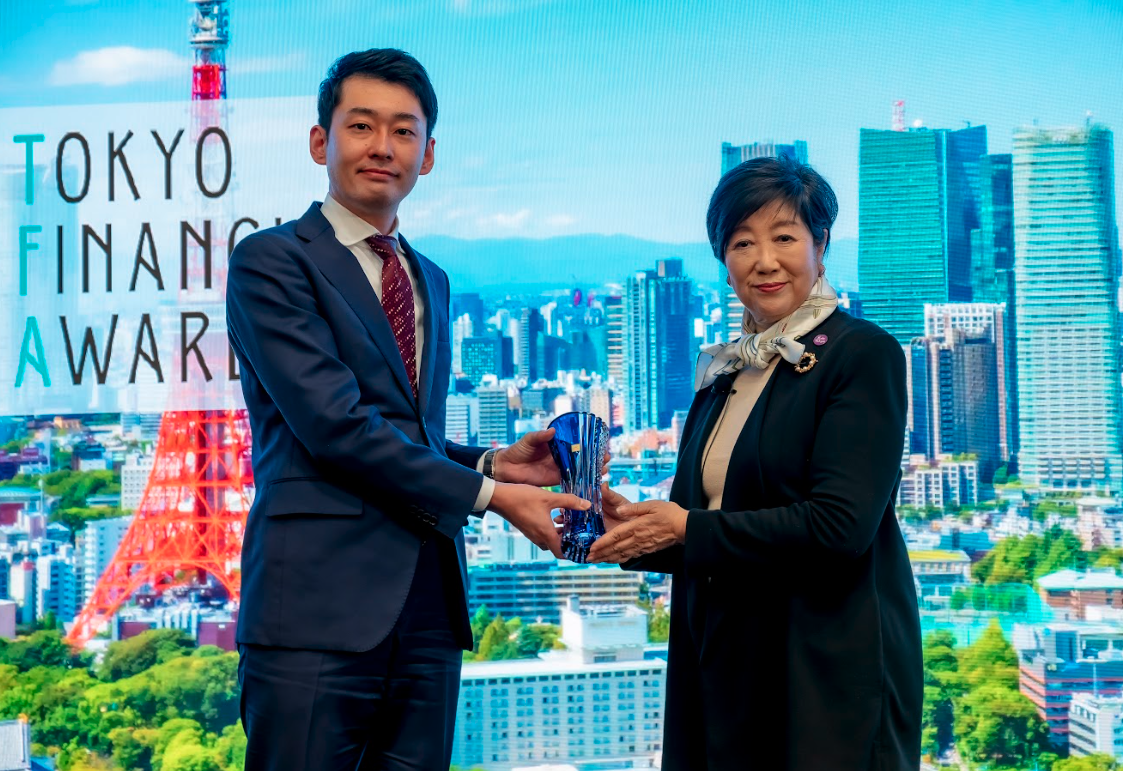
The platform also stores impact data and supports the reporting that comes later, allowing the same framework to be used to monitor whether the expected outcomes are actually materializing rather than treating impact assessment as a one-off exercise. Impact Cloud IC earned Impact Circle first place in the Financial Innovation Category of the Tokyo Financial Award 2025. "The award brought us to the attention of many financial institutions," Takahashi says.
Some are now exploring how the system could be incorporated into their own impact-finance operations, while regional financial institutions have already begun developing cases that use it to evaluate the impact of financing provided to customers.
Financing What Comes Next
Impact Circle grew out of a problem Takahashi had already encountered firsthand. As a founding member of financial-inclusion fintech startup Global Mobility Service, he worked to expand access to financing in Japan and Southeast Asia. Yet conventional lending standards proved remarkably difficult to change. Creating new financial products one by one, he concluded, could only go so far. The bigger question was what financial institutions considered valuable in the first place.
"Social problem-solving tends to be seen as something idealistic," Takahashi says. "But there are many places where it connects properly with financial value."
A borrower's current income tells one story; what that person could earn after acquiring the tools needed to work may tell another. Takahashi became convinced that large markets were being overlooked not because they could never work commercially, but because conventional assessment failed to capture the change financing itself could create.
Impact Circle now tests that argument in the real world. Its financing business generates examples; its measurement business turns what it learns into tools others can use. As Takahashi puts it, "Just saying it doesn't necessarily get people interested. But when you actually do it and show them, they start asking how it works."
Tokyo, Put to the Test
Tokyo gives those ideas somewhere to grow. Takahashi points to the city's startup ecosystem, access to venture capital, and a culture increasingly willing to back entrepreneurs taking on new challenges. For a company like Impact Circle, that also means being close to potential partners across finance, business, and the public sector, creating opportunities to test ideas, build relationships, and turn them into practical applications.
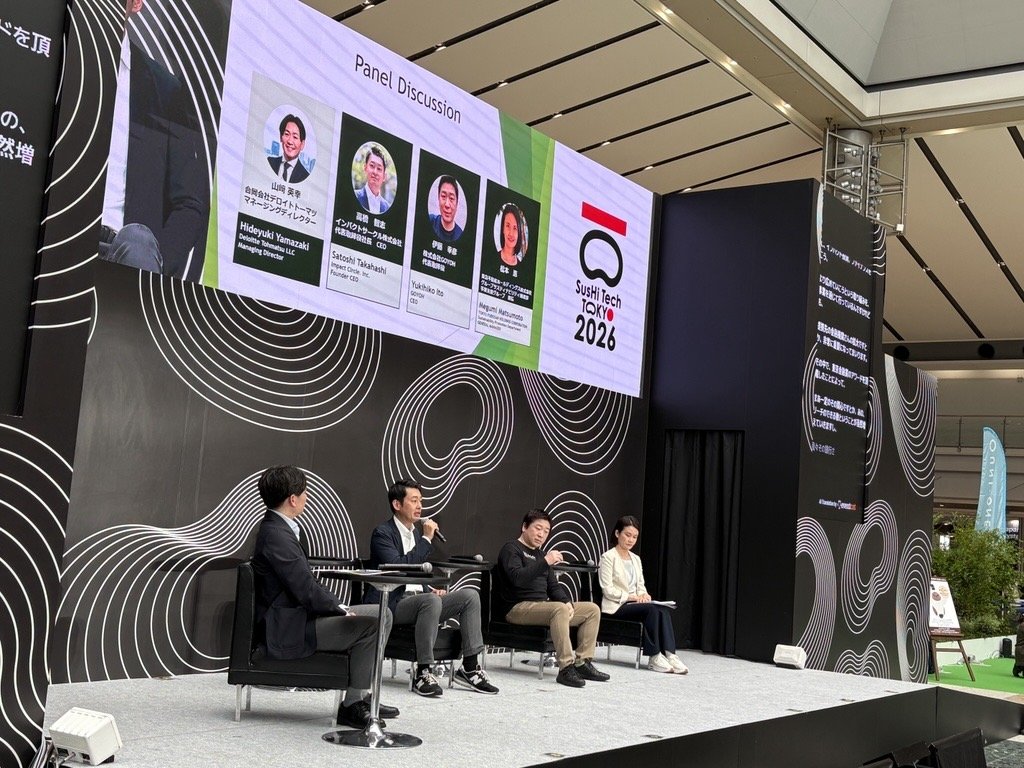
It also gives the company a stage. After Takahashi spoke about impact visualization and sustainability at SusHi Tech Tokyo 2026, attendees from regional financial institutions and corporate sustainability teams contacted the company about exploring the approach themselves.
"A lot of people understand vaguely that it is a good thing, but they don't know how to do it or exactly how it connects to value," he says. Concrete examples help turn that vague appeal into something organizations can imagine putting into practice.
Takahashi's view of Tokyo is not limited to what makes it work as a business environment. He is particularly fond of the waterfront, an open counterpoint to the density of the metropolis. "Tokyo is this enormous city, but it also has the sea," he says. "There's a real sense of openness there." It is another kind of value that is difficult to put into numbers, but shapes how people experience the city nonetheless.
Making More Than Money Count
The ultimate goal is bigger than faster impact reports. Takahashi wants social value to sit alongside financial value when decisions are made about investment, business, and public policy.
"I think society becomes much more attractive when social impact and solving social issues can properly be incorporated into decision-making alongside money and financial return," he says.
There is no quick formula for getting there or, Takahashi readily acknowledges, a single correct answer for measuring impact. Progress depends on financial institutions, companies, and others testing ideas together and building a body of evidence for what works.
Impact Circle's wager is that what gets measured has a better chance of getting funded. Make social impact visible, and it can enter the equation, potentially changing not only how capital is evaluated, but where it goes next.
Takahashi Satoshi
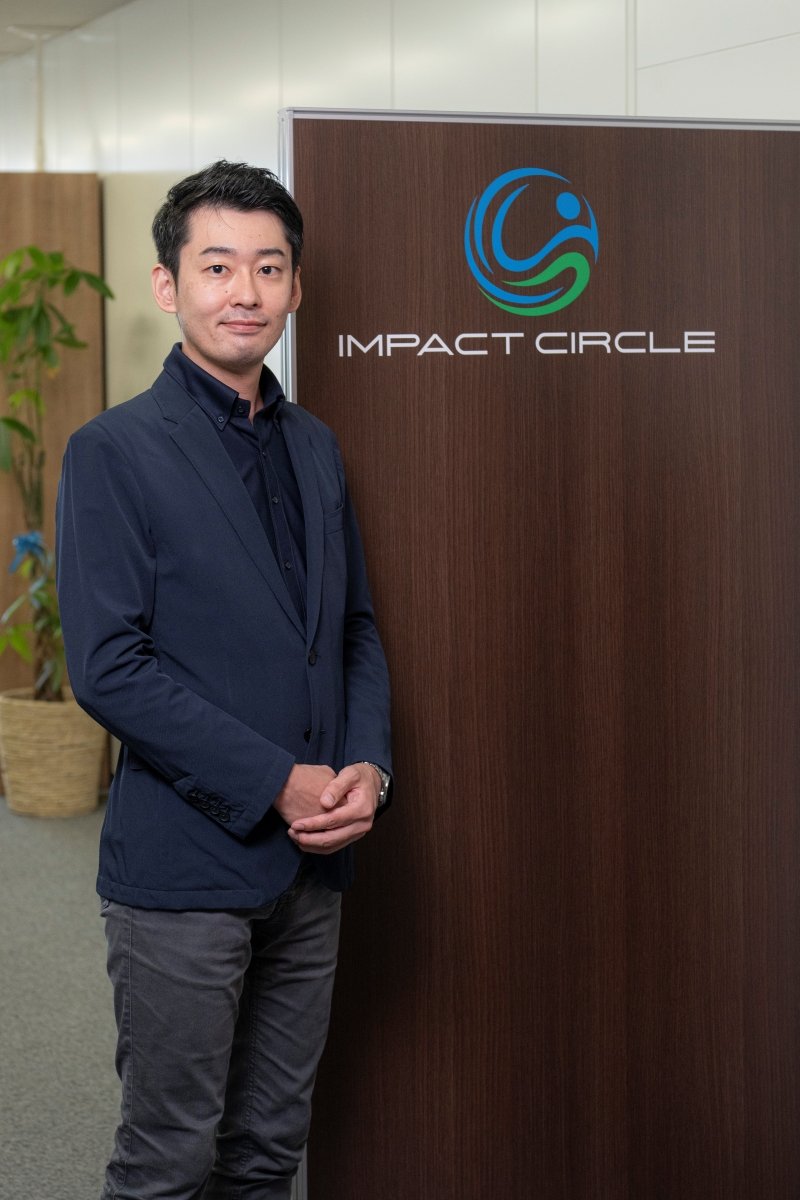
Impact Circle, Inc.
https://impact-circle.co.jp/en/
SusHi Tech Tokyo, short for Sustainable High City Tech Tokyo, is a global innovation conference where startups, investors, large corporations, cities, and universities from around the world gather in Tokyo to envision and implement the future of cities, with the shared goal of realizing sustainable cities through cutting-edge technologies.
SusHi Tech Tokyo | Sustainable High City Tech Tokyo
Photos by Inoue Katsuya