






A Place to Simply Be: A New Vision for Tokyo's Public Baths


This audio is generated by AI, so pronunciation and expressions may not be fully accurate. The narration is only in English.
A Place Where Nobody Needs to Be Somebody
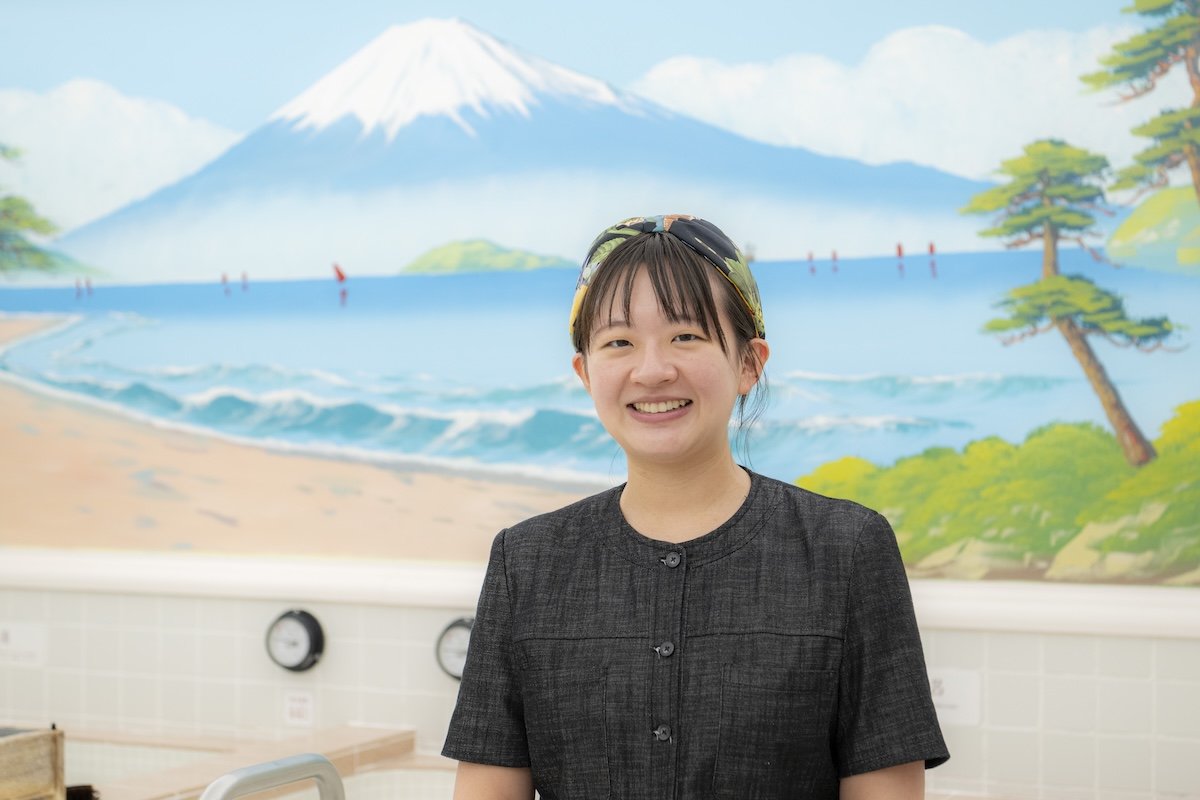
Sekine was born in Shanghai and moved to Japan at age three. Some of her earliest memories of Tokyo are of visiting sento with her father, who worked as a cleaner. He would leave home at three or four in the morning and finish his jobs in the early afternoon, just as neighborhood bathhouses were opening. Going together became part of their routine.
Growing up in a Chinese-Japanese household, Sekine was conscious that some aspects of her family life differed from those of many classmates. Questions at school about New Year traditions or other seasonal customs could make her anxious because she did not always share the same reference points. The sento helped bridge that gap, giving her a familiar way to experience seasonal baths and other traditions she associated with life in Japan. "The things I felt a little self-conscious about not having in my own life were somehow filled in by the sento," she says. "For me, it was always a very special place."
What stayed with her most was how different people could share the same space without needing to form relationships. Customers might recognize one another, exchange a few words, or simply bathe together in silence. Sekine is therefore wary of describing sento too easily as "community spaces." A producer once told her that sento do not solve society's problems; they accept society as it is. "I don't want to create a community," she explains. "I want to create a space where nobody has to be anybody, and simply sharing the bath and making room for each other can be enough."
Trading the Startup Exit for the Sento
Sekine's career initially followed a very different path. She joined fintech startup Payme, Inc. in her mid-20s, beginning in customer support before quickly taking on broader business responsibilities and eventually becoming a director and COO. Management proved a steep learning curve. Working within the constraints of a growing company, she was suddenly responsible for deciding not only where the company should go, but how quickly everyone could realistically move.
The experience also made her question the destination. Like many venture-backed startups, the company was working toward an eventual "exit," whether through an acquisition or public listing. Sekine understood the logic but increasingly felt disconnected from that end goal. "Is this really what I want to devote my life to?" she remembers thinking.
After one difficult meeting, she went to a sento and spent around 20 minutes talking with an elderly stranger about the weather, the neighborhood, and about another bathhouse that had closed. The conversation achieved nothing, and that was precisely why it mattered. "It had been so long since I'd had time that meant nothing," Sekine recalls. "Having that kind of unstructured time, with no particular purpose, made me feel like I could face the next day."
She left the bath having decided she wanted to run a sento. After completing her departure from the company, she entered the industry without a fallback plan. Her startup years still influence her management style, particularly her preference for keeping the mission concrete and letting broader outcomes follow naturally. "We manage sento. That is what we do," she says. If community or neighborhood connections develop around them, she believes those should emerge naturally rather than be manufactured.
An Ordinary Sento in Harajuku
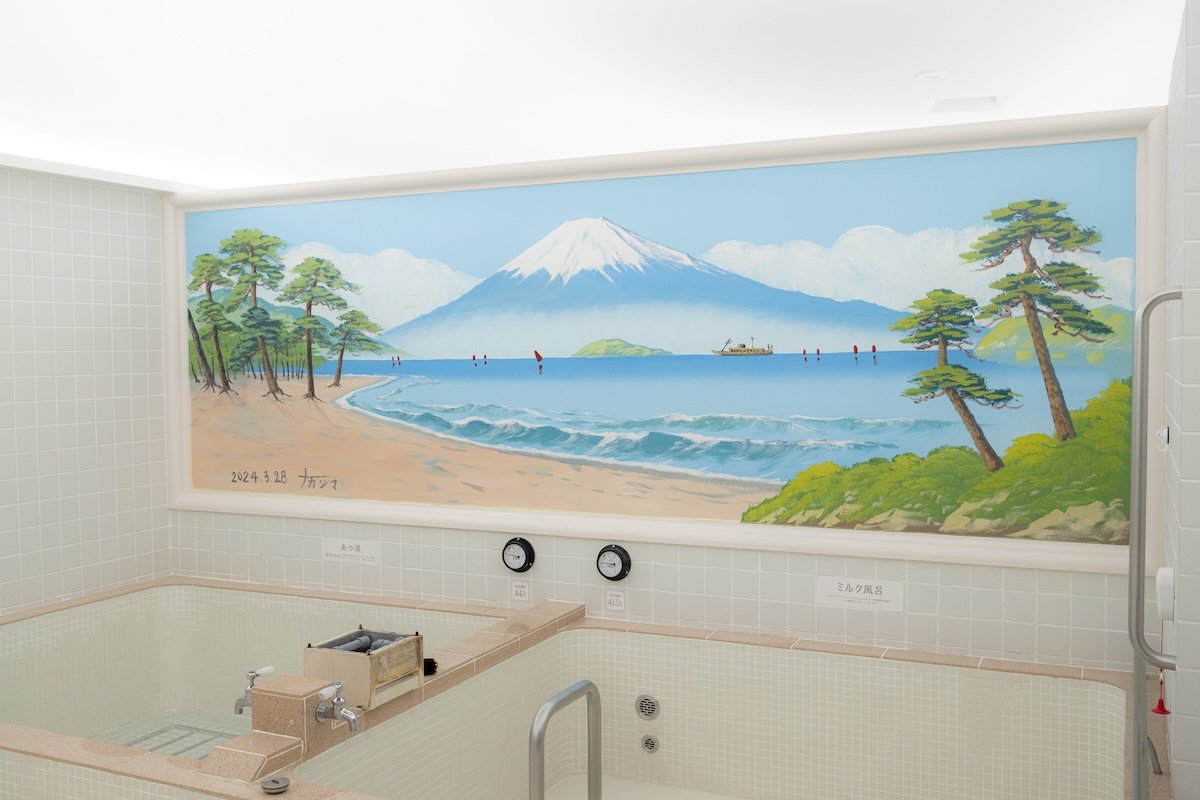
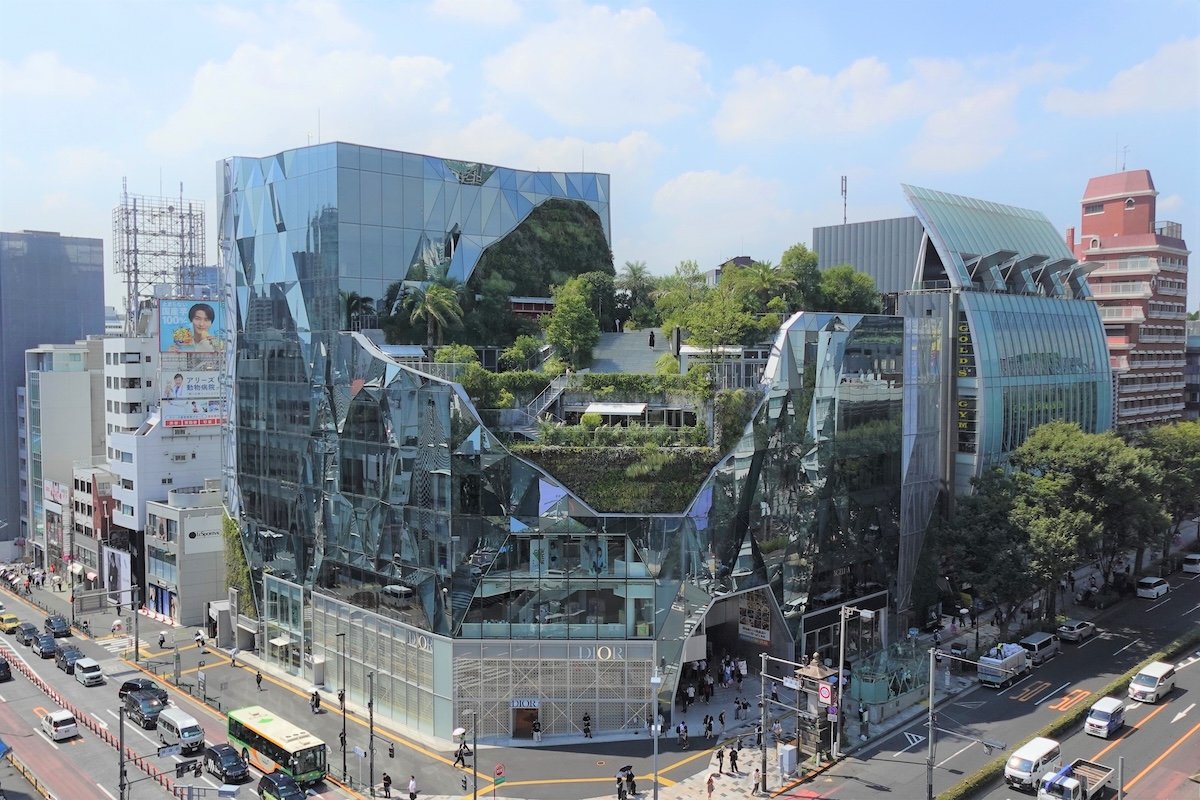
When Sekine became involved in creating a bathhouse, "Kosugiyu Harajuku," inside a new commercial complex in Harajuku—a central Tokyo district known for fashion, youth culture, and heavy visitor traffic—she was determined not to make a fashionable approximation of one. There would be no sauna simply because saunas were popular, and no heavily themed "Japanese experience" for tourists. "If we were going to do something other than a sento, someone else could do it," she says. "I wanted to make an ordinary sento."
That meant keeping admission aligned with Tokyo's publicly regulated neighborhood sento rate and prioritizing repeat local use over novelty. It also meant resisting assumptions about Harajuku. Despite the area's enormous international footfall, Sekine says overseas visitors remain a small minority of customers, with many arriving alone or in pairs after researching the bathhouse themselves. Tattoos are permitted at Kosugiyu Harajuku, although policies vary among bathing facilities across Japan. Sekine deliberately avoids prominently advertising the facility as "tattoo-friendly." "The moment you say 'tattoos are OK,' you draw a line between people who have tattoos and those who don't," she notes.
Perhaps the clearest measure of success is that local residents and people who have worked in Harajuku for years have become regulars. Some customers know one another only through the bathhouse, occasionally sharing a drink before going their separate ways, while several staff members have moved into the neighborhood and now encounter customers in nearby restaurants and streets. "For somewhere like Harajuku, that local feeling is something I never imagined we could create," Sekine says.
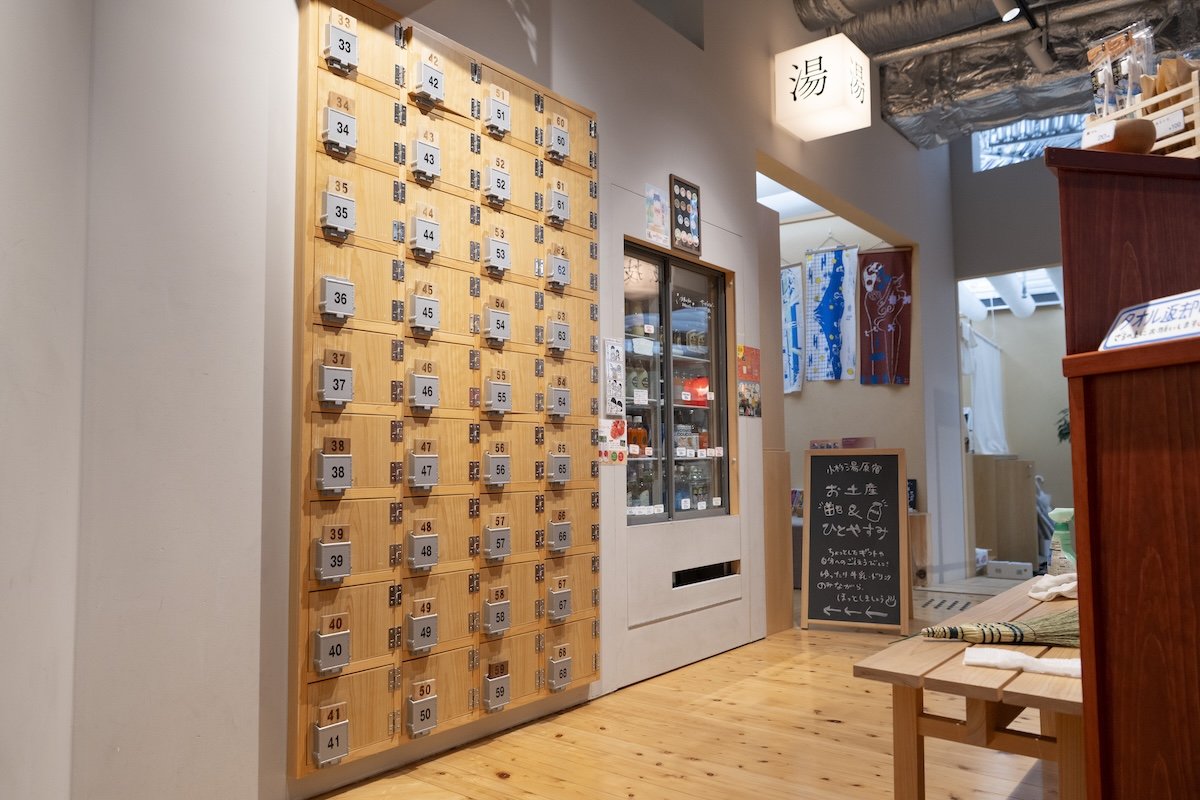
Making the Everyday Financially Sustainable
For YUASOBI, CO., LTD., which runs Kosugiyu Harajuku, keeping admission affordable, creates an obvious challenge when dealing with prime central Tokyo real estate. Bathing fees alone offer limited earning potential, so corporate partnerships form another important part of the business model. Companies including Kao, Panasonic, Sapporo Breweries, Fujifilm, and Nintendo have worked with the bathhouse, providing revenue through partnerships and promotional projects.
The difficult part, Sekine says, is ensuring that the money supporting the sento does not destroy what people come for. "There is already advertising and signage everywhere in this city," she says. "If you come here and see advertising everywhere again, that is the opposite of what we are trying to protect."
Rather than regularly handing the space over to short-term branded takeovers, companies are encouraged to fit into its everyday rhythm. Sekine cites Fujifilm as an example: its presence connects naturally to the pleasure of turning digital photographs into physical objects, just as the sento asks people to rediscover communal bathing in an age when almost everybody has a bath at home. The strongest partnerships, she says, come from companies willing to think in terms of culture and decades rather than a few days of exposure.
That philosophy also shaped the opening. Instead of maximizing crowds immediately, operating hours were initially limited and some periods were reserved for people living or working in the surrounding Harajuku area. Sekine wanted staff to establish routines before the bath became overwhelmed by opening-week attention. Once the novelty faded, regulars remained.
Creating Space in Tokyo
Sekine has mixed feelings about the city she grew up in. Tokyo offers extraordinary opportunities, but she believes that having so much available can leave little room for unstructured time. Since becoming a mother, she has thought more about the difficulty of creating days in which nothing in particular needs to happen.
That is one reason she wants more approachable sento to survive. At home, bathing can become another task. At a sento, people make room for strangers, return what they use, and participate in a space held together by small acts of consideration. "You come here alone, but you aren't alone," Sekine says. "You recognize someone's face, but you don't necessarily speak to them."
For Sekine, that is where sento become culture: not simply because people bathe together, but because the way they share a space reveals something about the society around them. Her longer-term ambitions include exploring public bathing overseas, potentially in cities such as Paris or New York, but not by copying the Japanese sento wholesale. The form, she says, should reflect the culture in which it exists.
For now, the goal is simpler: preserving places where people can briefly step outside their roles, share space with others, and leave feeling a little better than when they arrived.
Sekine Eriko
Photos by Inoue Katsuya