






Updating a Traditional Staple Food for Global Demand


This audio is generated by AI, so pronunciation and expressions may not be fully accurate. The narration is only in English.
Transforming Surplus into Value
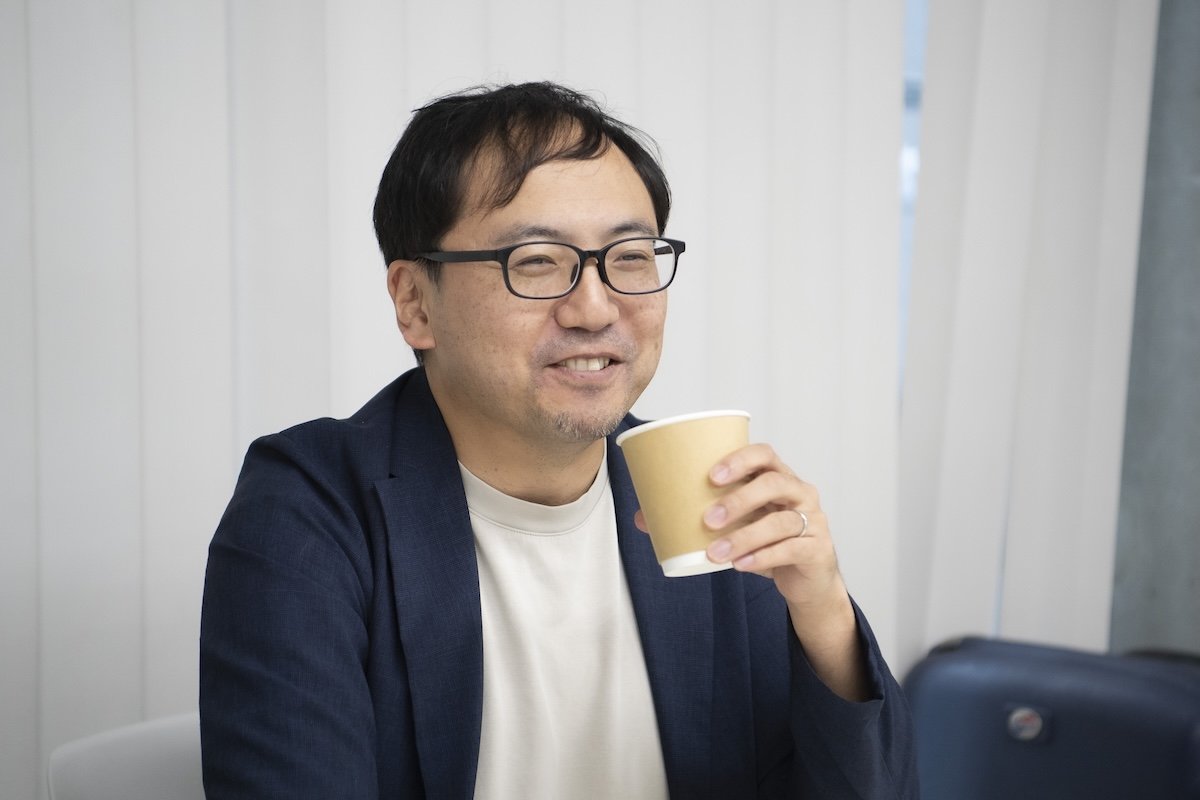
The head office of MNH is located in Chofu City in western Tokyo. President Ozawa was inspired to create Genmai Decaf by his encounter with Shonai Town. While engaged in a project to launch the facility Shonai Town Shinsangyo Sozokan Classe in an old rice warehouse that was renovated, he was confronted by the rural issue of a rice surplus caused by declining consumption.
"After some research, I learned that after reaching peak volume circa 1960-70, consumption stagnated and both production and consumption consequently dropped to half. Rice flour was a popular trend in 2011 when we first became involved with Shonai Town, but doing the same thing at that point would have been meaningless. That is when I discovered the approach of roasting rice to make beverages."
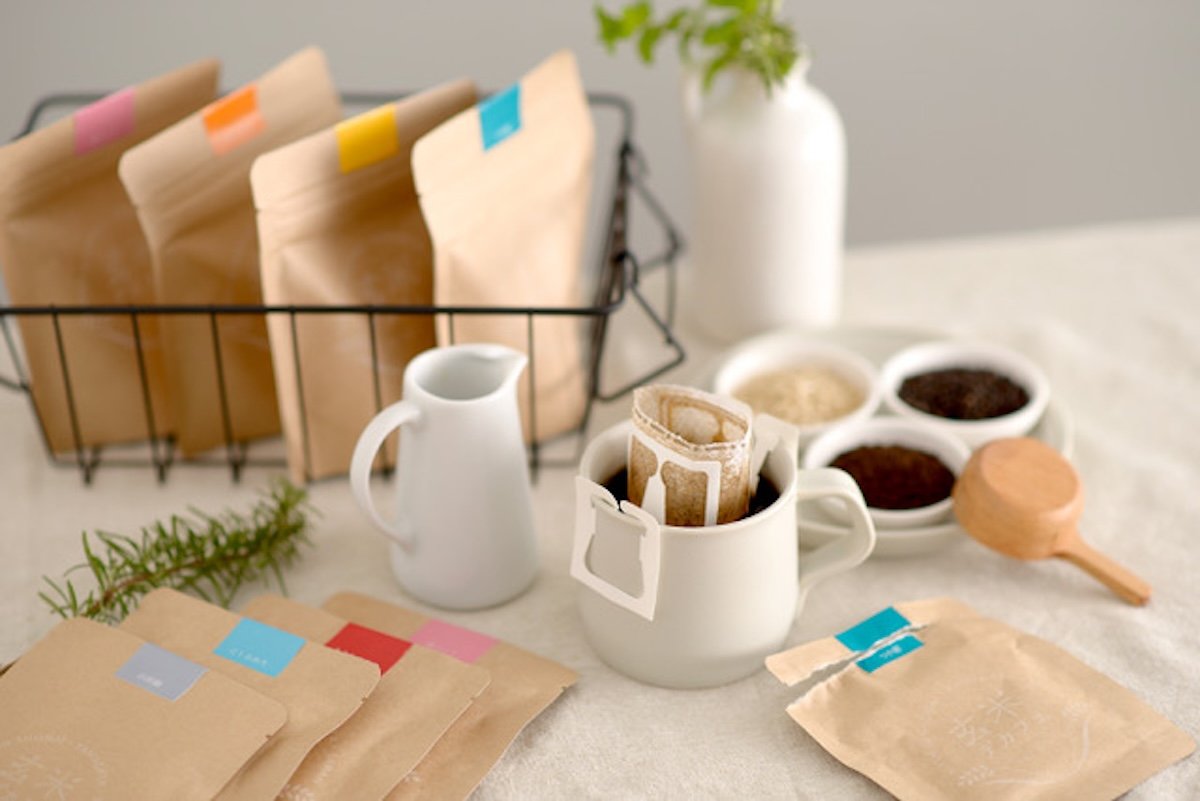
However, existing products were mostly in the format of a fine powder to be mixed with hot water and were far from satisfying as undissolved powder often stayed on the tongue. Ozawa says he "wanted to make this a coffee that is properly dripped with a paper filter" and set about development on his own with a frying pan in hand.
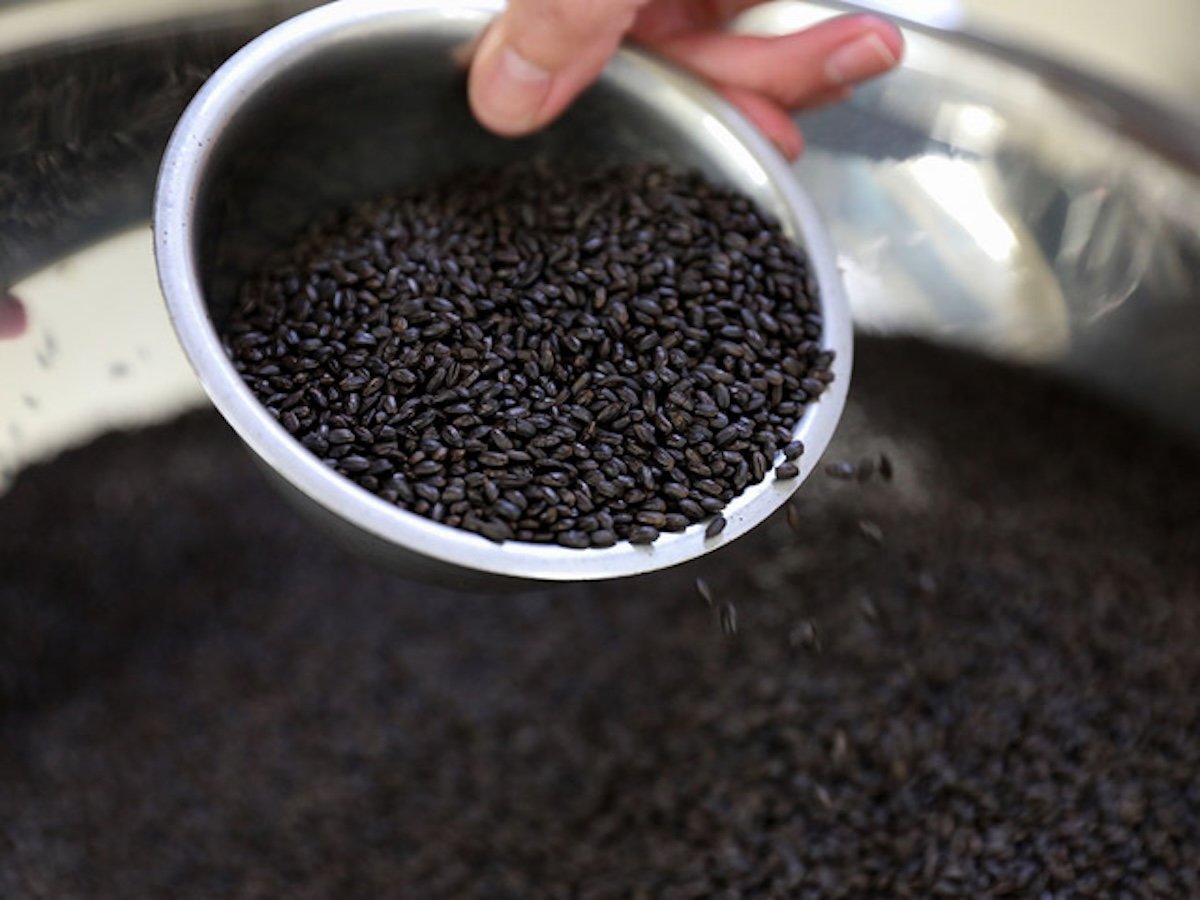
"I knew nothing about coffee roasting, so I started by frequenting a neighborhood coffee shop and bombarding them with questions about the process. Unlike coffee beans, rice grains are firm and mainly composed of starch, so their reaction to heat is completely different. I tested making this again and again at home, and it took an entire year to finalize a recipe that satisfied me. Scaling this up to a commercial production line from there ended up taking about three to four years."
The resulting Genmai Decaf retains a satisfying bitterness like coffee with a clean aftertaste. It is completely free of caffeine, making this a revolutionary product that can be enjoyed even before going to sleep at night.
Resisting the Wave of Optimization and Creating Employment
The uniqueness of MNH lies not only in the quality of its product. As expressed in its "Let's make Japan HAPPY together!" corporate philosophy, this business model functions to sustain employment. The brown rice is roasted by the people of the rice-producing region of Shonai Town and then transported to Tokyo for the final processes such as packaging and assortment assembly. These delicate manual operations are the responsibility of Tokyo Community Factory, an in-house factory located at the head office.
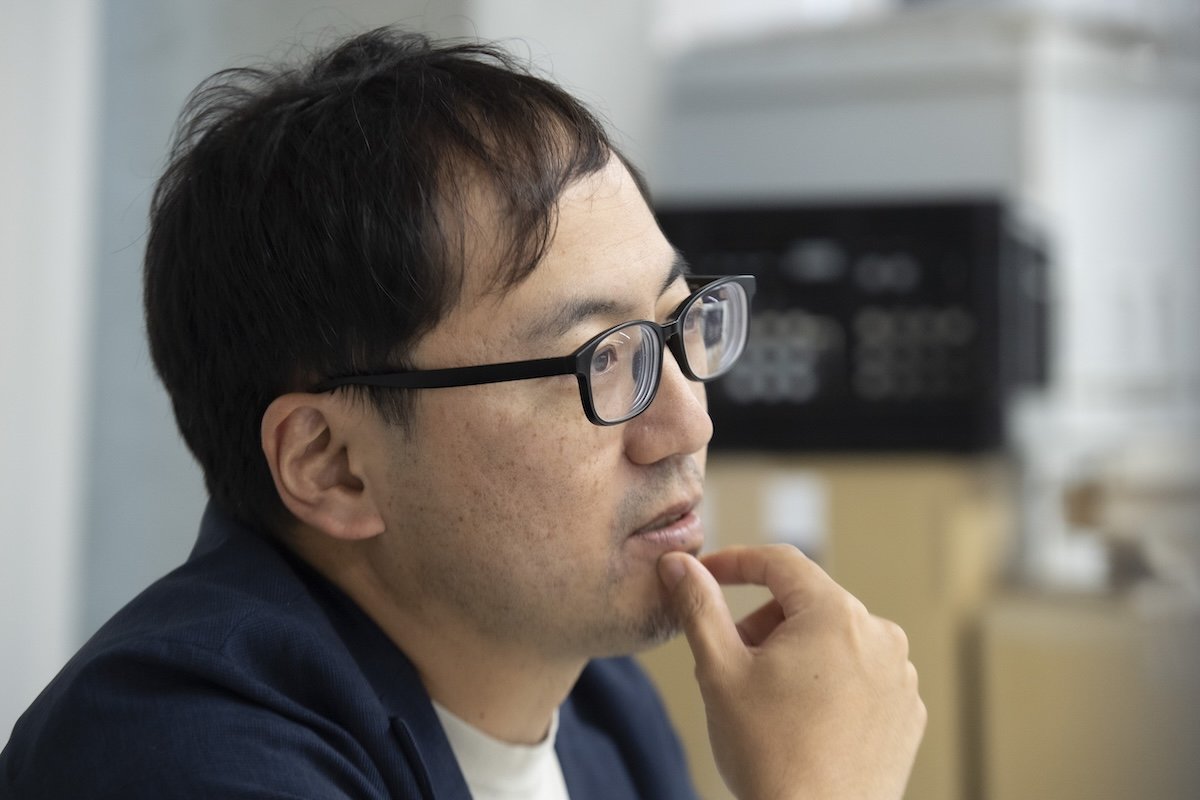
"When companies pursue optimization and seek only competent human resources who are capable of multitasking, this inevitably leaves some people behind in society. There are many people in the world such as former social recluses who want to work but unfortunately lack suitable opportunities. That is why we wanted to create a place where people of diverse backgrounds can devote themselves to work and be properly paid for it."
The factory intentionally does not adopt labor saving or automation measures, retaining manual tasks to maximize employment that matches the characteristics of every individual. An environment has been prepared where workers can meticulously dedicate themselves to a single task.
"Modern society tends to impose career plans and ambition on everyone, and this creates a sense of discomfort. Some people are averse to work that has an excessive sense of speed or demands responses to multiple matters simultaneously. In contrast, factory work has a one-way linear structure where 'When you are done with A, you proceed to B.' It is possible for workers to sense that their tasks are helpful to someone, and the daily goal is clear. People with a craftsmanship mindset of focusing on and engaging in the work immediately at hand become incredibly valuable assets here. Through products, our company seeks to develop a new type of safety net that will support people at risk of falling through the cracks in the current social structure."
Taking on the Challenge of a New Drink in Tokyo as the Node
Business is conducted from two locations, with roasting done in Shonai Town and the products finished in Tokyo. Ozawa says that MNH has a uniquely clear strength in this structure.
"When making products that target the world, the backdrop of manufacturing in a rice-producing region representative of Japan becomes very valuable, because its unspoiled scenery gives the product credibility. However, in terms of sales channel development and public relations, there is a dominant advantage in having a base in Tokyo, which is the center of Japan and where information moves faster than anywhere else. Merging Yamagata's dependable production with Tokyo's power to reach the world is what enables our business to empower both a rural region and a city."
With the recent rising costs of coffee beans triggered by climate change, the market for coffee substitutes using date seeds or mushrooms is rapidly growing. Yet Ozawa says that MNH's Genmai Decaf has a key difference from coffee substitutes from other companies that use composite ingredients.
"Coffee substitutes from other companies blend multiple ingredients through scientific analysis in an attempt to taste like coffee as much as possible. However, coffee provides a 'cultural joy of describing the place of origin and variety' that is similar to wine, and this becomes lost. In contrast, approximately 300 varieties of rice are grown in Japan. Because this is made with a single ingredient, we can enjoy the characteristics of the different varieties such as Koshihikari and Akitakomachi. Considering the Japanese love of rice, this is a new cultural approach that we can present to the world."
By exhibiting at global innovation conferences—such as a pitch event organized by the Tokyo Metropolitan Government and SusHi Tech Tokyo 2026—where cross-industry exchange is sparked, the company is seeing a new innovation ecosystem emerge around international expansion and sustainable food.
"By physically exhibiting at venues that cross the boundaries of food products, we have formed cross-border ties with other industries that we would not have found through internet searches, and new business seeds are starting to sprout. Amid this international current, we aim to sell the 'world's most delicious decaf.' Coffee, cacao, and tea growers are facing a crisis with the impact of climate change, but because rice has a broad production base throughout Japan, we can produce and export this more steadily and sustainably than tea. We hope to start by opening cafes to serve as flagships in Tokyo and other areas in Japan and also engage tourists from Asia, where rice is familiar. From there, we aim to deliver this to the global market as a new drink from Japan."
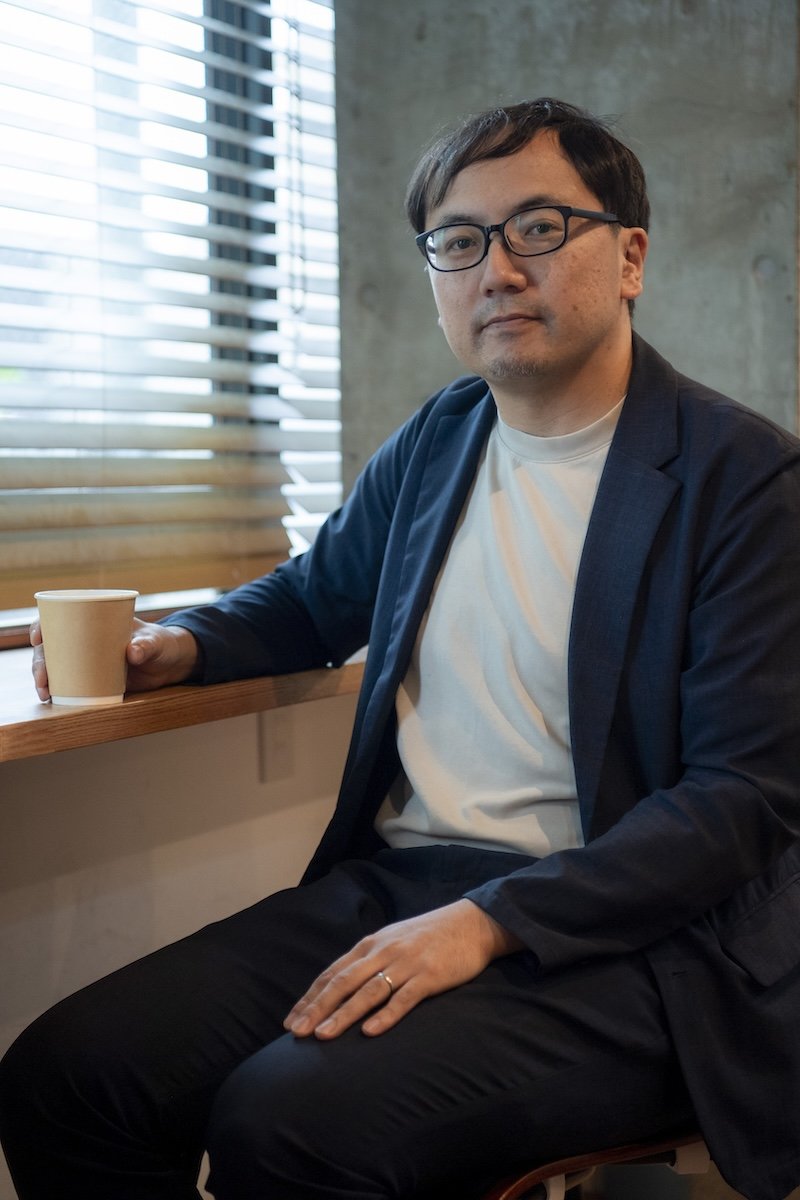
Ozawa Naohiro

SusHi Tech Tokyo, short for Sustainable High City Tech Tokyo, is a global innovation conference where startups, investors, large corporations, cities, and universities from around the world gather in Tokyo to envision and implement the future of cities, with the shared goal of realizing sustainable cities through cutting-edge technologies.
SusHi Tech Tokyo | Sustainable High City Tech Tokyo
Photos by Inoue Katsuya
Translation by Kimura Lisa