







TOKYO Resilience Bond: Financing a Safer Tokyo for the Next 100 Years
Listen to This Article in Governor Koike's AI Voice
This audio was generated using AI.


This audio is generated by AI, so pronunciation and expressions may not be fully accurate. The narration is only in English.
Expanding Financial Resources to Keep Tokyo Prepared
In 2017, the TMG became the first local government in Japan to issue green bonds. These bonds were designed to develop Japan's domestic market for sustainable investment and to fund solutions to a broad range of environmental challenges. The program expanded in 2024 to include blue bonds focused on marine conservation, resource protection, and water quality.
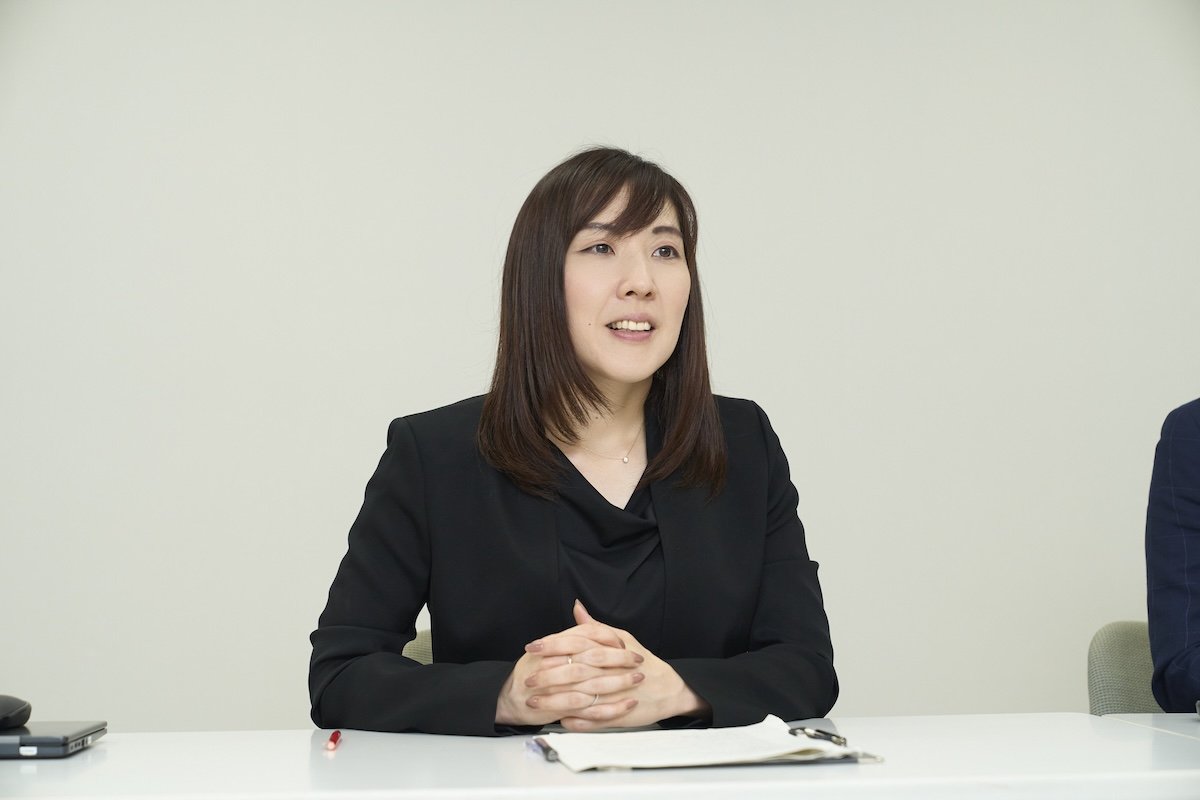
In October 2025, Tokyo issued a groundbreaking new bond to financially underpin the TOKYO Resilience Project, which aims to build a safer city for the next 100 years. "The first TOKYO Resilience Bond allocated 300 million euros, or approximately 50 billion yen, to crucial disaster mitigation projects," says Kitao. "These funds will initially support the development and improvement of infrastructure that prevents damage from flooding and high winds. As a city on the ocean with many rivers and waterways, Tokyo has been grappling with these issues for centuries. With storms becoming stronger and more frequent due to climate change, we need to be ready to deal with more rain, more wind, and more waves."
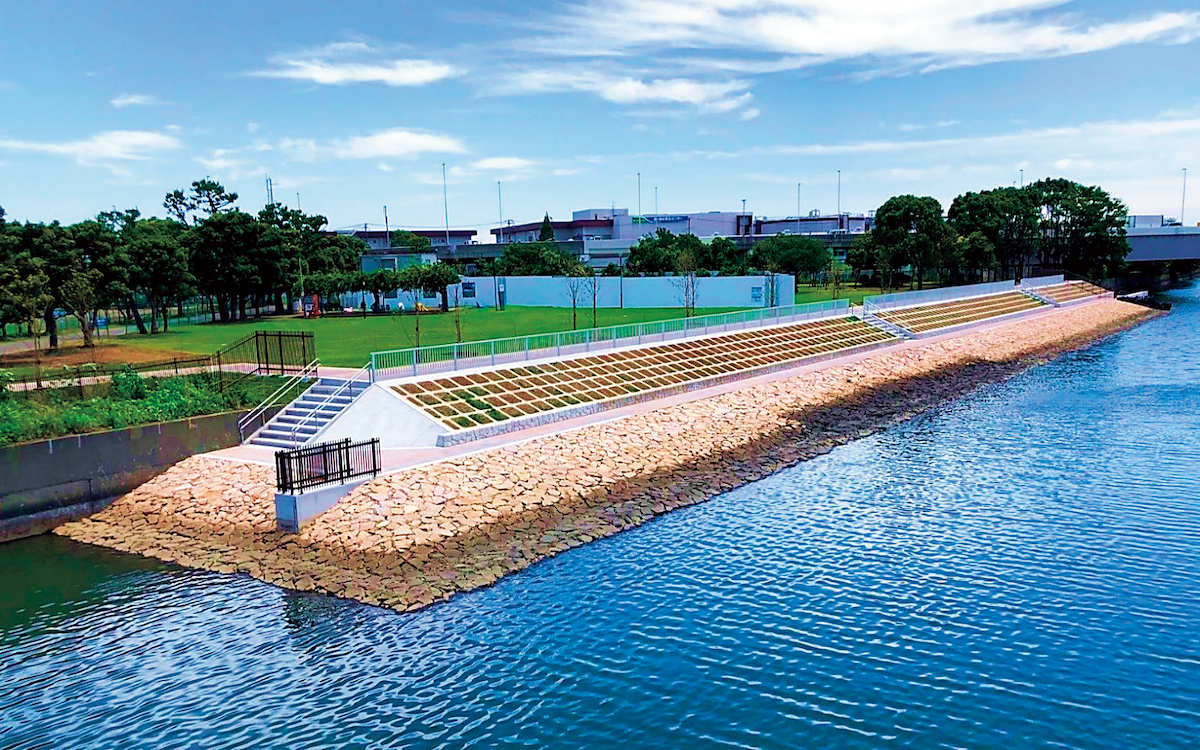
The 2025 TOKYO Resilience Bond helped fund significant improvements to the safety infrastructure of many small- and medium-sized rivers. These included protective embankments and levees, as well as underground regulating reservoirs to deal with excess water. Funds were also allotted to vital work on seawalls and other coastal protection at Tokyo Port. Another key initiative was removing utility poles, which can collapse during storms, and burying overhead power lines underground.
"The advantage we have in Tokyo is that the government here has been dealing with these issues for a very long time," explains Shimizu. "When Typhoon Kit struck in 1966, over 40,000 buildings in the city were flooded. In 2017, with Typhoon Lan, the number was 35. Obviously, the challenges will change as we move forward, but our past experiences and willingness to embrace innovation will allow us to adapt—both in terms of disaster preparation and the requisite financing."
The Importance of Global Partnerships
From the start, the TMG was keen to attract overseas investors to the TOKYO Resilience Bond. One of the most significant steps toward this goal was pursuing certification from Climate Bonds, the leading international organization that sets standards and runs certification for green bonds. Tokyo's new bond received the first-ever certification as defined by Climate Bonds' Climate Bonds Resilience Criteria and Taxonomy.
"Receiving certification from Climate Bonds was very important," says Shimizu. "Not only did it reassure potential investors about the prospects of the TOKYO Resilience Bond, but it also set a precedent for establishing similar resilience bonds in the future." When the bond was listed on the TOKYO PRO-BOND Market and the London Stock Exchange with an A+ rating, investors proved very interested.
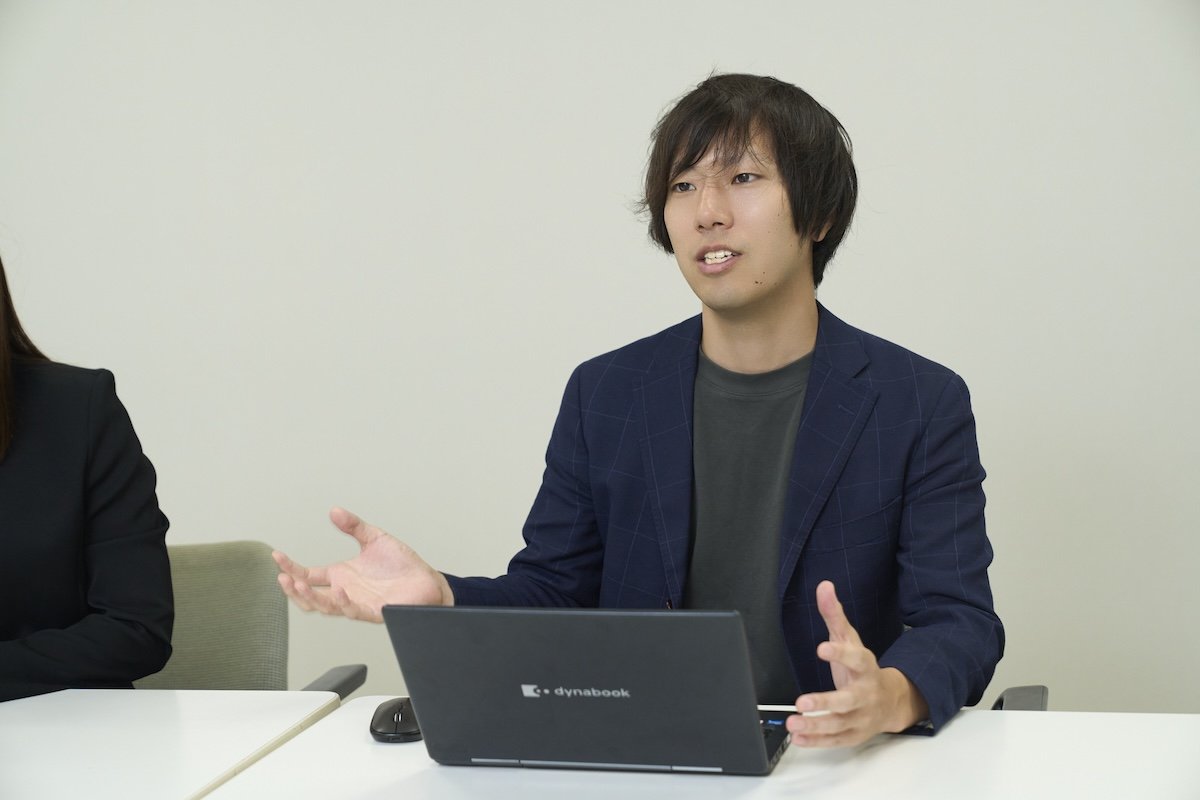
Involving overseas stakeholders required explanations of Tokyo's particular circumstances. "Many people around the world know of the dangers that Japan faces from earthquakes, tsunamis, and volcanoes. But I think there is less awareness of the risks posed by heavy rain and major storms like typhoons, which can cause floods, landslides, and widespread power outages."
One effective communication tool has been a video produced by the TOKYO Resilience Project. Succinct and clear, with commentary in English, the video covers the risks that Tokyo faces from different natural disasters and outlines the city's countermeasures. Kitao and other officials from the TMG also traveled to several countries, including the UK, Germany, and Denmark, to speak directly to potential stakeholders about the TOKYO Resilience Bond.
Working Behind the Scenes to Support Climate Resilience
Unlike tangible projects like seawalls and underground regulating reservoirs built to protect Tokyo from natural disasters, the financial mechanisms behind them can be difficult to explain. "Most people understand that taxes are used to pay for public works," says Kitao. "But things like bonds aren't quite so widely known. However, to maximize the total funds available to the TMG, the Bureau of Finance must use every tool we can."
Kitao and Shimizu acknowledge that their job comes with considerable challenges. "Bonds can be affected by fluctuations in the markets as well as international crises or other unforeseen events," says Shimizu. "And natural disasters themselves are unpredictable in terms of scale, frequency, and severity. But there is definitely a satisfaction that comes from working together to find solutions to complex problems."
On October 22, 2026, the TMG issued a second TOKYO Resilience Bond and is now considering the bond's future possibilities. As well as providing a financial model that other cities can follow, the TOKYO Resilience Bond's scope may also expand beyond wind and water to address other natural disasters.
Whatever direction it takes, the primary goal of the TOKYO Resilience Bond will remain: keeping Tokyo safe and livable for the millions of people who call the city home.
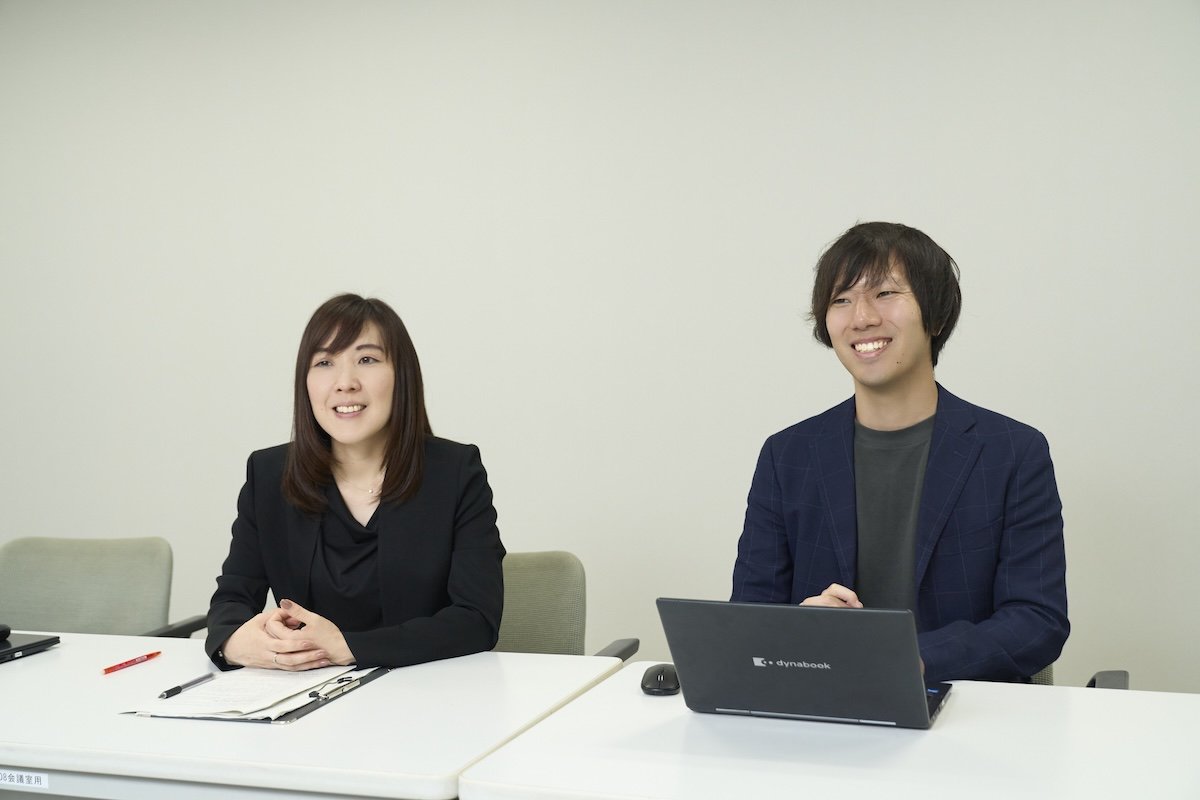
Kitao Nozomi (left), Shimizu Sadaaki (right)
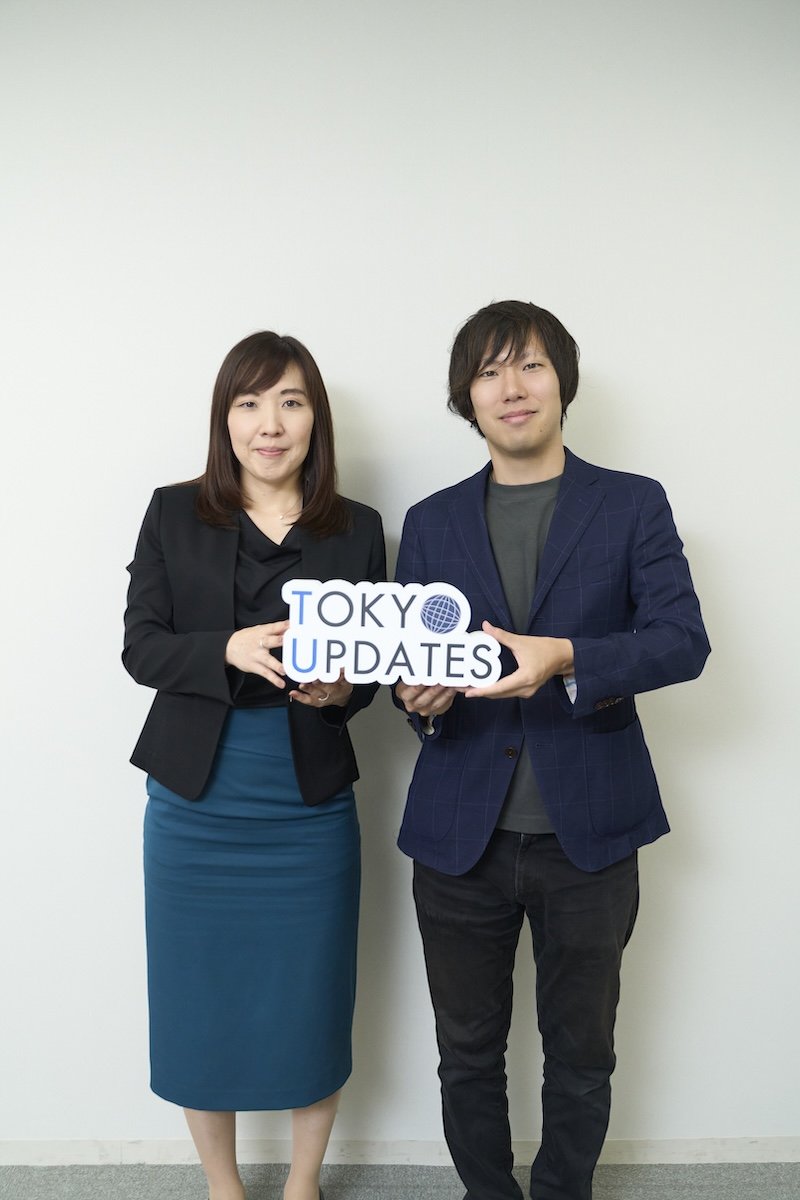
Kitao Nozomi is the Director of the Bond Section of the Budget Division of the TMG's Bureau of Finance.
Shimizu Sadaaki is the Deputy Director of the Bond Section of the Budget Division of the TMG's Bureau of Finance.
Photos by Fujishima Ryo