





Easy Japanese Begins with the Desire to Communicate


This audio is generated by AI, so pronunciation and expressions may not be fully accurate. The narration is only in English.
Growing Demand as Tokyo's International Population Becomes More Diverse
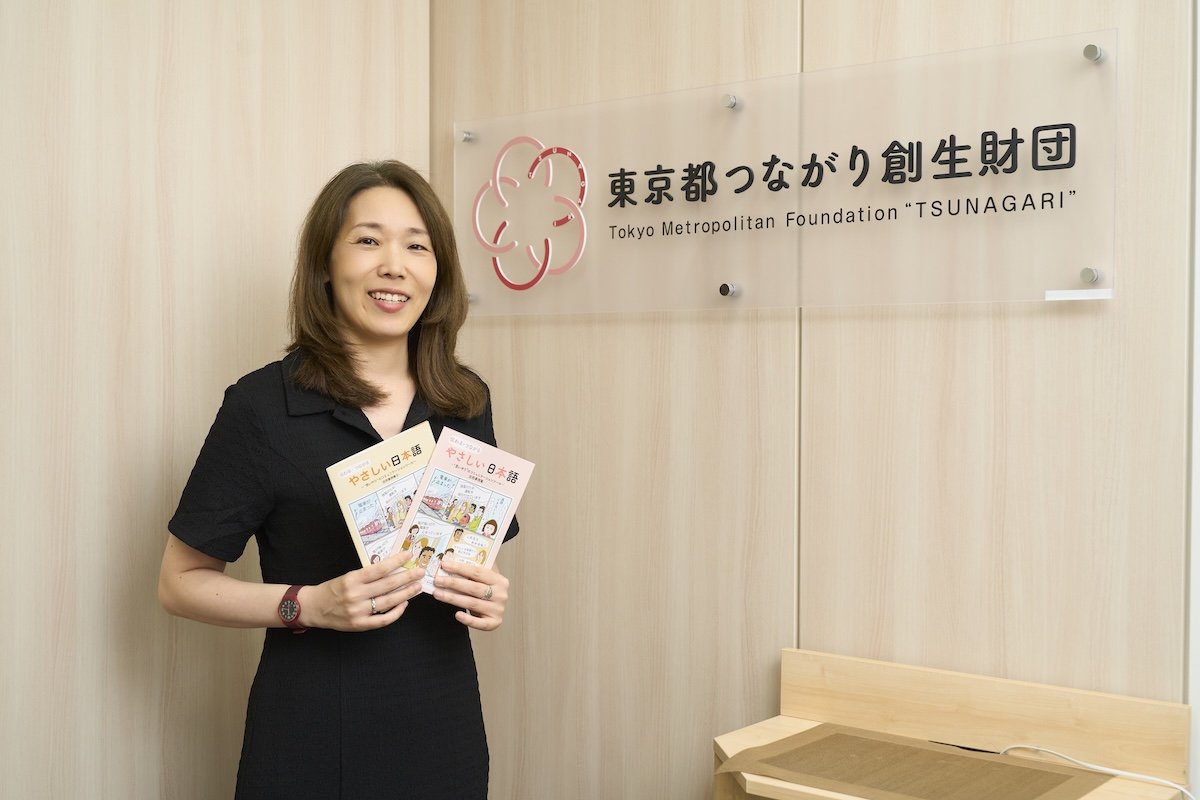
Inoue Nobuko of the foundation explains, "Easy Japanese is a form of Japanese in which words and expressions are adjusted to make them easier to understand. It's also getting attention as a universal means of communication that's useful not only for people whose native language is not Japanese, but also for young children, older people, and people with disabilities."
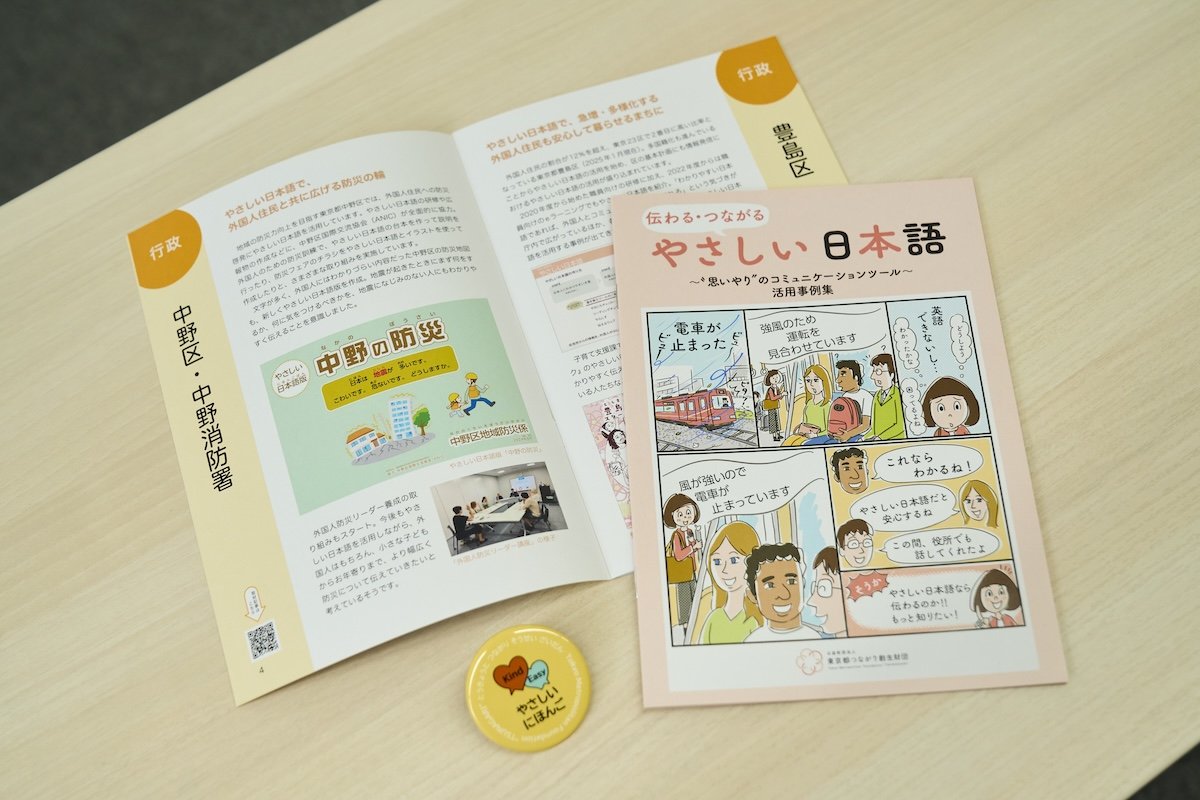
In Japanese, Easy Japanese is called yasashii nihongo. The word yasashii carries two meanings: "easy" and "kind." Careful choices in wording and sentence structure can make the language significantly easier to understand. Equally important is communicating with consideration for the other person so that your meaning comes across.
"Some argue that English should be enough in terms of providing information to international residents. But about 80% of international residents in Tokyo are from Asia, and English may not work for everyone."
A survey by the Immigration Services Agency also found that over 80% of international residents in Japan could converse in Japanese well enough to manage daily life without difficulty. These circumstances have driven growing demand for Easy Japanese.
The key principles of using Easy Japanese are known as the three S's: short, simple, and straight. "Short" means keeping sentences brief and communicating just one point per sentence. "Simple" means replacing kanji-based words and complex honorific expressions with simple expressions. "Straight" means avoiding ambiguity and clearly stating what you want to communicate.
Many international residents say they struggle with honorific language. One person commented, "I may know the word yoyaku (reservation), but I might not understand go-yoyaku (the honorific form of reservation)."
Another key benefit of using shorter sentences and simpler language is that translation tools are less likely to produce mistranslations.
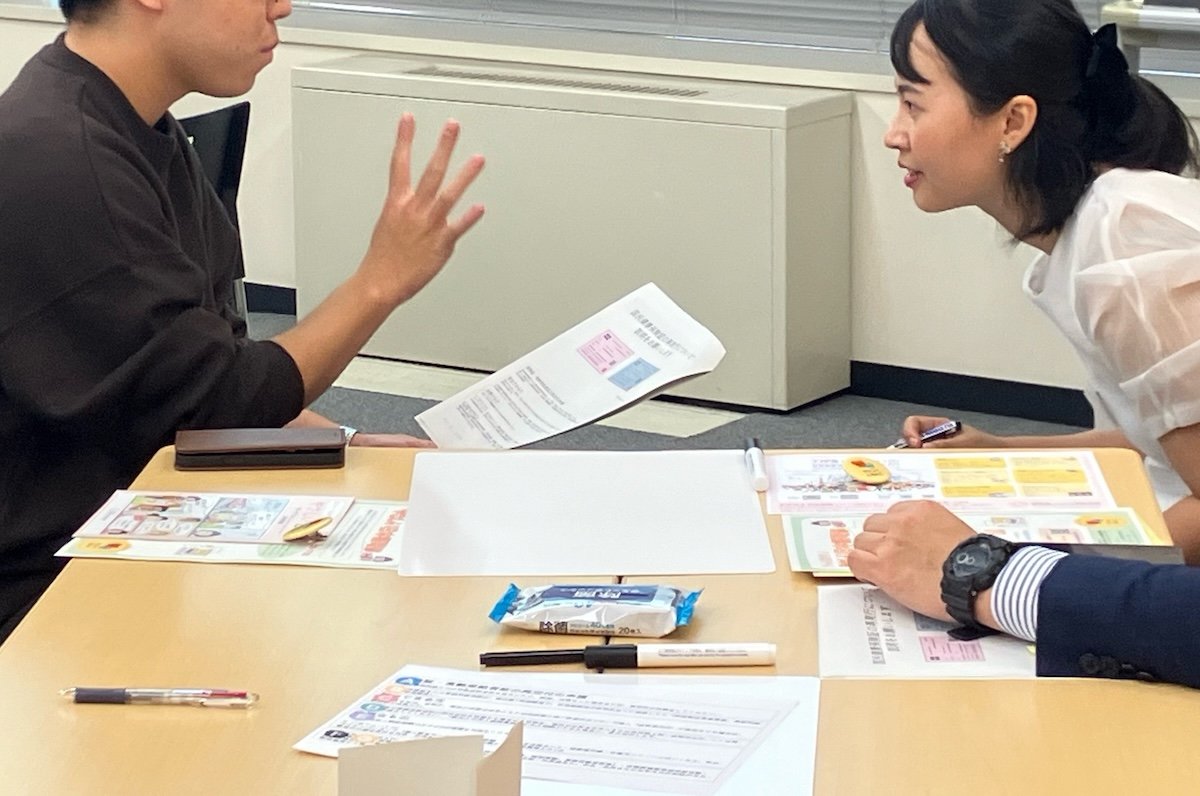
It is also important to use visual aids such as photographs, illustrations, and gestures. Spoken communication can be made easier to understand by speaking slowly while checking the other person's understanding. In written communication, adding furigana (phonetic guides) to kanji and spaces between phrases can also make the message easier to understand.
"However, Easy Japanese can't be used with people who don't understand Japanese at all, so we do still need multilingual translations. I see the two as complementary approaches."
A Language Created to Save Lives
Easy Japanese first garnered attention in the field of disaster preparedness. The catalyst was the 1995 Great Hanshin-Awaji Earthquake that hit western Japan, in which many international residents lost their lives. The initiative began because information essential to protecting lives was not being communicated effectively to international residents.
Here are some examples of Easy Japanese. The standard Japanese phrase, takadai ni hinan shite kudasai (Please evacuate to higher ground) becomes takai tokoro e nigete kudasai (Please go to a high place). The word yoshin (aftershock) becomes ato kara kuru jishin (an earthquake that comes later).
"Disaster-related information contains a lot of technical and administrative terms, and isn't easy to understand to begin with. Aspects of everyday life that feel familiar to people who grew up in Japan may be new to those who moved here from elsewhere. For example, they might not be able to imagine the dangers posed by things like earthquakes or typhoons. Some don't know what evacuation shelters are like or what services are available there."
During disasters, information should be delivered in language that the intended audience can understand as easily as possible. At the same time, there are limits to providing information in multiple languages.
"It takes time to translate information and check the translations during an emergency. Doing this for multiple languages is extremely difficult. That's precisely why I think it's so important to provide information in Easy Japanese first."
Growing Use in Everyday Settings
The use of Easy Japanese has spread beyond disaster preparedness into a wide range of fields. Many local governments use it when assisting people at service counters and providing information. Since the onset of the COVID-19 pandemic, a growing number of institutions and facilities in healthcare and social welfare have actively adopted Easy Japanese. It is also beginning to be used for opening bank accounts, signing up for mobile phone plans, and other procedures that many international residents report finding difficult.
"Easy Japanese is also being used in fields like tourism and culture. It's starting to be incorporated into flyers for local events, such as disaster preparedness drills and mochi-pounding events organized by neighborhood associations."
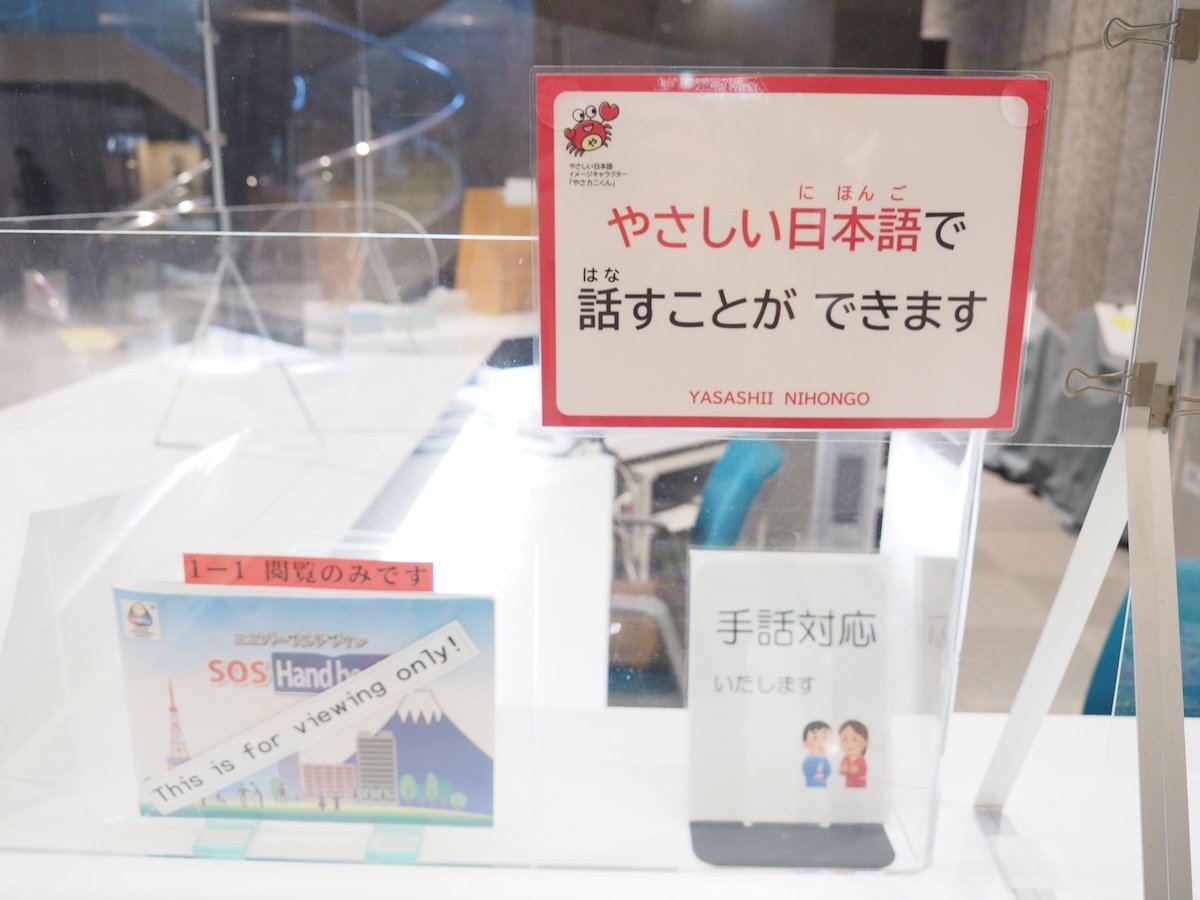
In one case, a chain of casual dining restaurants received more applications after posting a recruitment notice for international staff written in Easy Japanese.
An international student who had been in Japan for around six months shared this experience.
"I was worried that people might not understand my Japanese. But people who know Easy Japanese listen patiently and make every effort to communicate, including through gestures and other nonverbal means, which makes me happy."
Learning a new foreign language to communicate with international residents is difficult. Any native speaker of Japanese, however, can use Easy Japanese just by keeping a few key points in mind.
"My hope is that Japanese people will first try speaking in Japanese when they see an international resident who needs help. I also hope international residents won't hesitate to speak Japanese, even if they don't speak it well. What matters is the desire to communicate."
Easy Japanese brings people closer together. This, in turn, helps create an inclusive society.
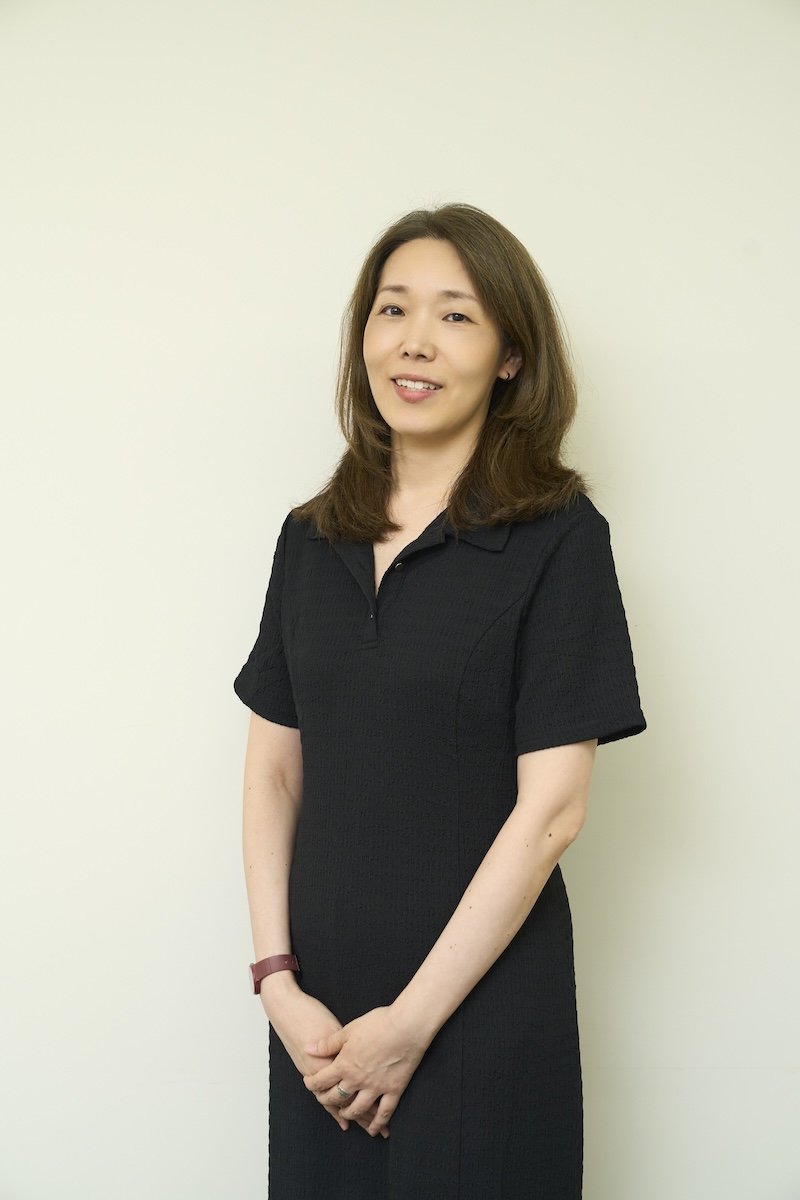
Inoue Nobuko
Tokyo Intercultural Portal Site (TIPS)
https://tabunka.tokyo-tsunagari.or.jp/english/Photos by Fujishima Ryo
Translation by Tanaka Seira