







From Tokyo to the Savanna: Turning Conservation into a Sustainable Business



This audio is generated by AI, so pronunciation and expressions may not be fully accurate. The narration is only in English.
Designing Coexistence
For Akaishi Oji, nature was never something separate from city life. Born and raised in central Tokyo, he did not grow up surrounded by forests or farmland. Instead, his early encounters with wildlife came through books, television, and frequent visits to zoos—small windows that sparked a long-standing fascination with animals and ecosystems beyond the city.
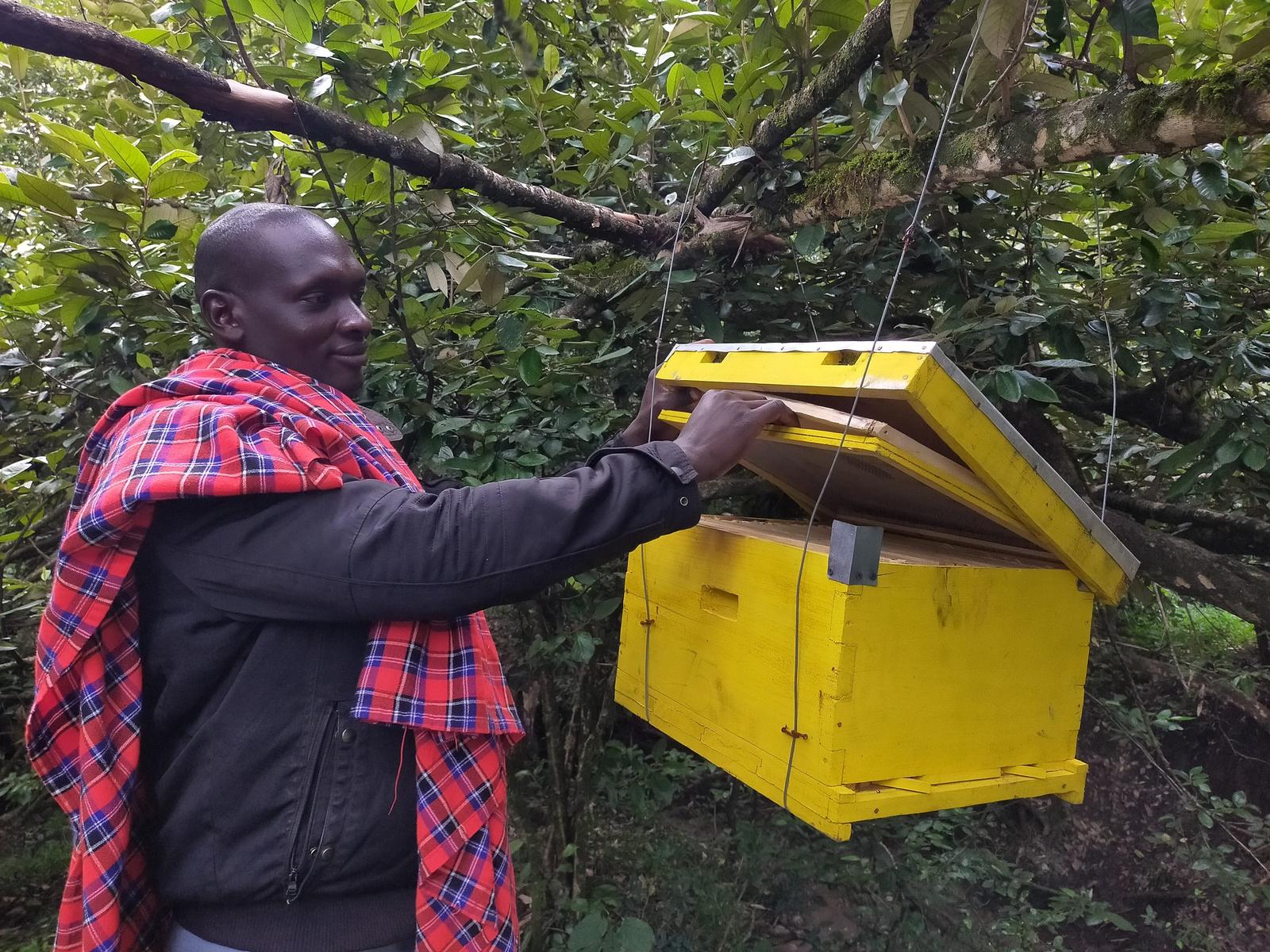
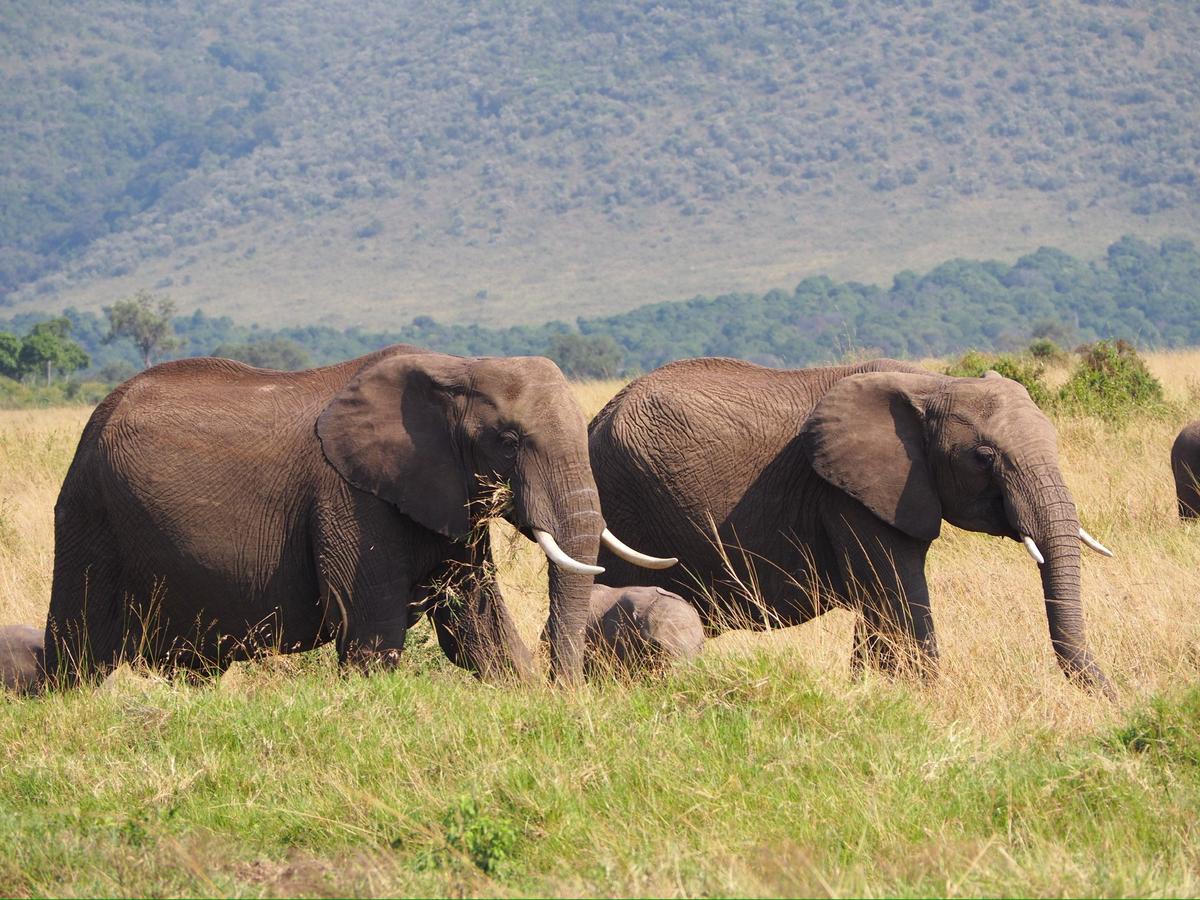
Today, Akaishi leads Wildlife Ventures, a Tokyo-founded startup working in Kenya's Maasai Mara region to reduce conflict between local communities and wild elephants. The company's core initiative centers on "beehive fences," a system that uses connected beehive boxes to protect farms from elephant intrusion. Elephants instinctively avoid bees; when the hives are disturbed, the animals retreat, protecting crops without harming wildlife.
It is a solution rooted in ecological behavior, but Akaishi's focus extends beyond conservation alone. His goal is to build a business model that allows environmental protection and local livelihoods to reinforce each other.
Growing Up in Tokyo, Looking Outward
Akaishi describes Tokyo as a place dense with opportunity. Growing up in areas such as Minato City and Chiyoda City, he was exposed early to international programs, public lectures, and NGO events that are often concentrated in the capital. Those experiences shaped how he understood environmental issues—not as isolated moral concerns, but as systems influenced by economics, policy, and social structures.
That perspective guided his academic path. At university, he studied ecology and wildlife management, conducting fieldwork that involved tracking animals through camera traps, footprints, and population surveys. In graduate school, he shifted his focus to the human side of conservation, researching how communities experience and respond to conflict with wildlife.
His first visit to Kenya, during a university break in 2019, marked a turning point. Drawn by a childhood fascination with the African savanna, he initially went as a volunteer. What stayed with him was not just the scale of the landscape, but how closely daily life and wildlife overlapped. In some communities, elephants and other species moved freely, near homes and fields, and environmental issues were inseparable from questions of safety, income, and survival.
"The idea of 'protecting nature' sounds simple," he says, "but on the ground, everything is connected."

From Conservation Tool to Business Model
The concept of beehive fences itself was not developed by Wildlife Ventures. The method has been researched and tested for years by conservation organizations, with studies showing high effectiveness in deterring elephants during crop-raiding seasons. What Akaishi saw, however, was a gap between proven solutions and long-term sustainability.
Traditional deterrents such as electric fences or night patrols can be costly, dangerous, or difficult to maintain. Beehive fences offered a lower-impact alternative, but they were often implemented through grants or temporary projects. Once funding ended, maintenance became difficult.
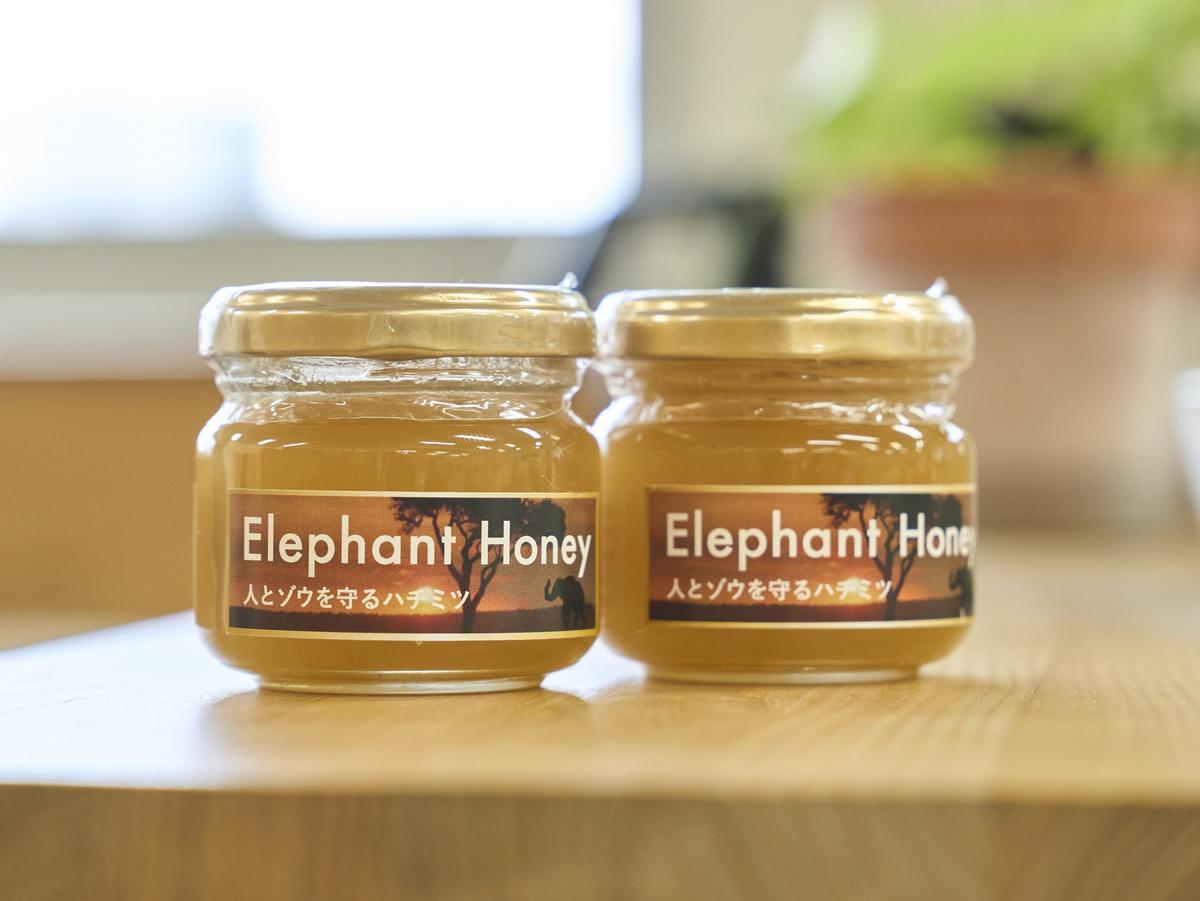
Wildlife Ventures set out to address that problem by integrating honey production into the system. The honey harvested from the hives is exported to Japan, creating revenue that supports ongoing management while providing income for local communities.
The process was far from smooth. For more than a year after installing the hives, bees did not settle consistently, and honey production stalled. Weather patterns, lack of flowering plants, and colony movement all posed challenges. Akaishi and his team responded through trial and error: planting additional vegetation, sourcing bees locally, and experimenting with smaller "catcher box" to guide colonies into place.
The first successful harvest marked a turning point. It demonstrated that conservation efforts could generate steady income rather than relying solely on external funding.
Refining the System on the Ground
Beyond revenue, Wildlife Ventures has focused on adapting beehive fence designs to local ecosystems. Some existing models connect hives with wires to create both physical and behavioral barriers. Akaishi's team has tested alternative layouts that minimize disruption to other wildlife while maintaining effectiveness against elephants.
Local involvement is central to the approach. The company manages installation and training while working closely with Kenyan team members who understand the region's social and environmental dynamics. Akaishi emphasized that leadership means listening as much as directing, especially when working across cultures and time zones.
"Our role is not to impose solutions," he says, "but to build systems that communities can sustain themselves."
What Cities Like Tokyo Can Learn
Asked what Tokyo might learn from work in rural Kenya, Akaishi points to mindset. While Tokyo offers abundant opportunity, it can also encourage standardized life paths. In contrast, he has observed a strong drive among local team members to challenge assumptions and pursue new ideas, even with limited resources.
At the same time, he acknowledges Tokyo's strengths. The city's connectivity—to information, people, and global networks—played a key role in his own trajectory. He credits public support programs and international access for enabling his research and entrepreneurial efforts.
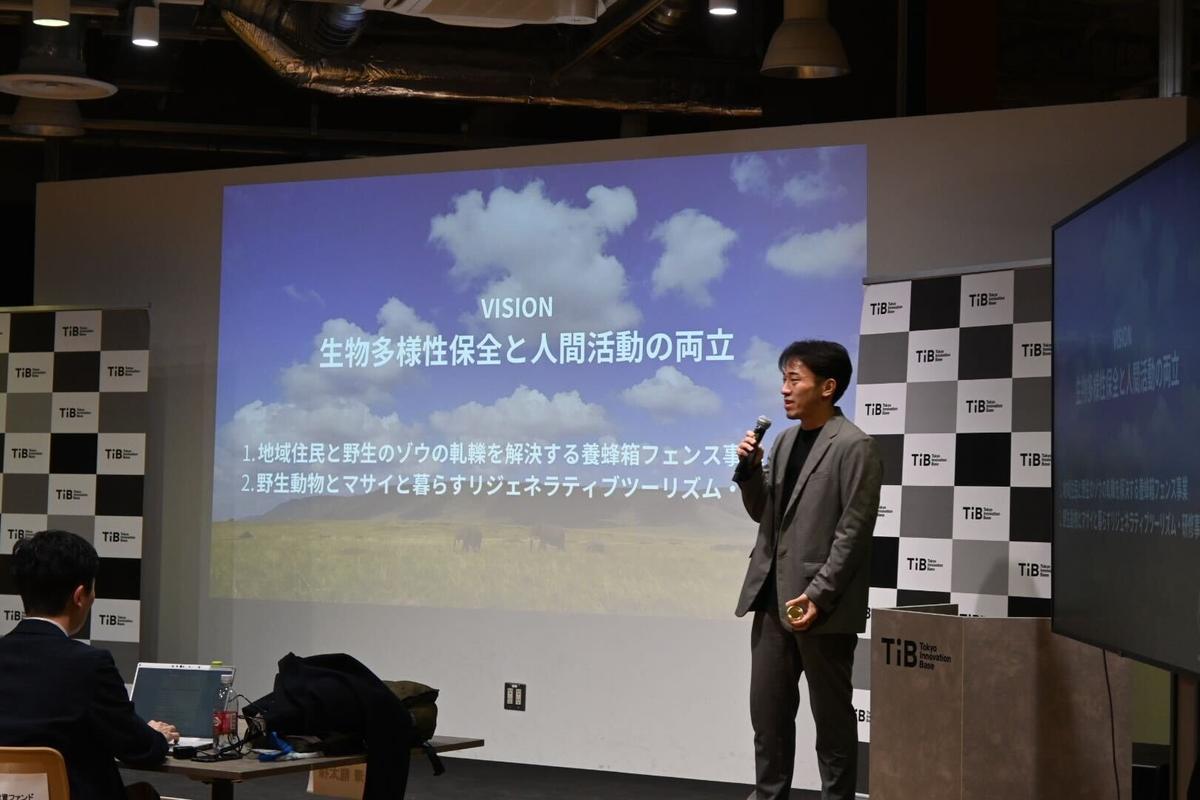
Akaishi serves as a supporter for TIB Students, the Tokyo Metropolitan Government entrepreneurship program for students, where he works with younger founders and early-stage entrepreneurs. Compared with a decade ago, he sees more visible pathways for alternative careers, particularly in social and environmental fields. Looking ahead, he hopes for deeper support structures: stronger peer networks, practical matching with specialists, and programs that extend beyond one-off events into sustained collaboration.
Beyond Elephants
Although Wildlife Ventures is currently known for its elephant-focused work, Akaishi does not see it as the company's endpoint. Human-wildlife conflict takes many forms, from elephants in East Africa to bears in Japan, often driven by the same underlying tension between development and ecological limits.
The beehive fence is the first model. Akaishi hopes to develop additional approaches that apply the same principle: solutions grounded in ecological science, designed for real-world livelihoods, and capable of sustaining themselves economically.
For those interested in environmental issues but unsure how to engage, his message is pragmatic. Opportunities are expanding, he says, not only through traditional conservation roles but also through business, research, and community-based initiatives.
From Tokyo to the savanna, Akaishi's work reflects a belief shaped by both worlds: that protecting nature and supporting human life do not have to compete—and that with the right systems, they can reinforce each other.
Akaishi Oji

Photos by Fujishima Ryo