







Transforming the Future of Urban Housing with 3D Printing


This audio is generated by AI, so pronunciation and expressions may not be fully accurate. The narration is only in English.
Making Houses Affordable Again
One company aiming to ameliorate this problem is Serendix Inc., a startup based in Hyogo Prefecture, west of Kyoto. Their mission is to eliminate 30-year mortgages by building low-cost houses, promising to provide housing at prices comparable to a new car. The secret to their version of affordable housing is to 3D print prefabricated structures, virtually eliminating the need for human involvement beyond on-site assembly and finishing work.
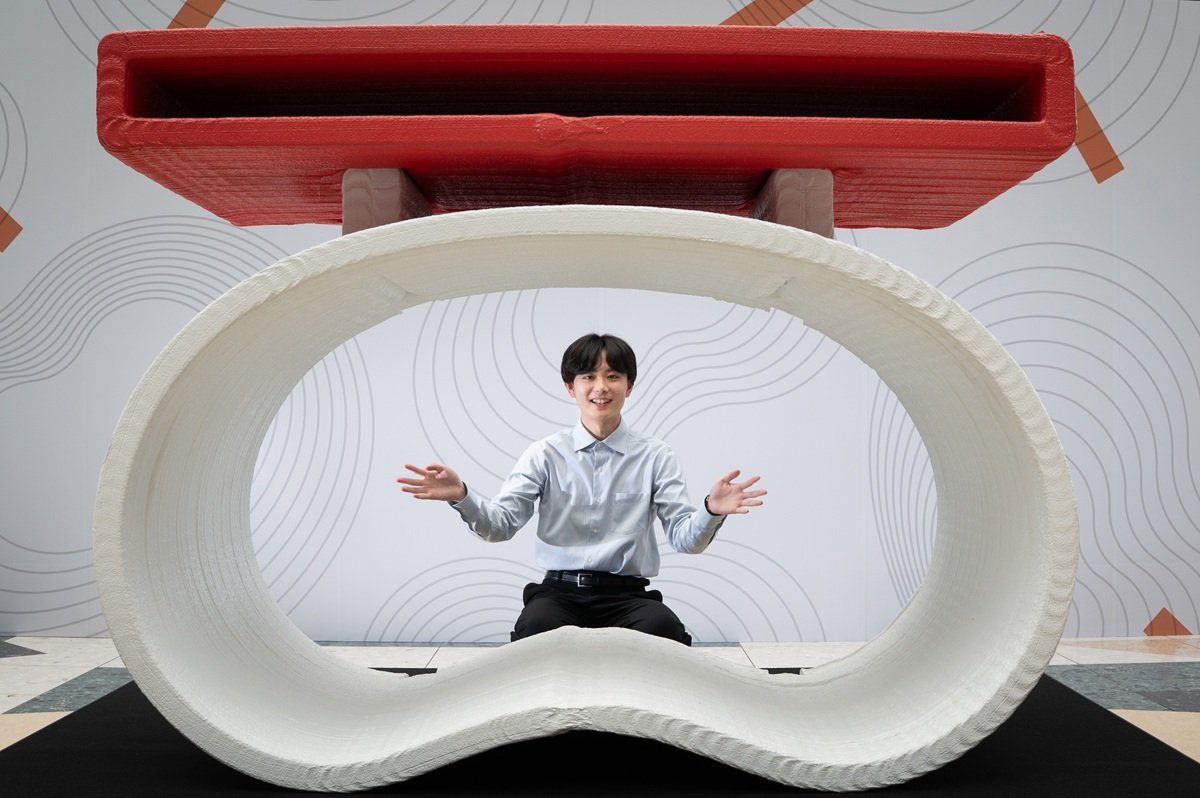
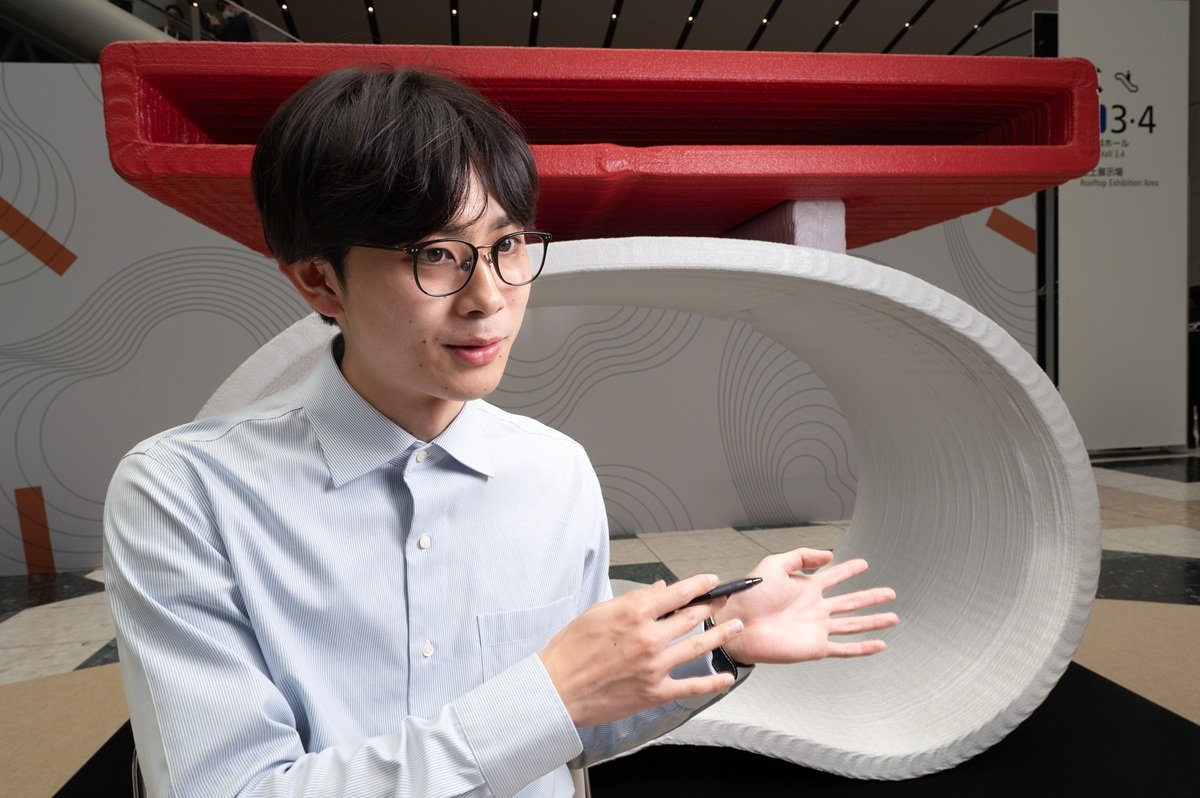
Company COO Sato Soshi recently traveled to Tokyo to showcase the technology fueling Serendix's social mission at SusHi Tech Tokyo 2026, Asia's largest global innovation conference hosted by the Tokyo Metropolitan Government (TMG) and others over three days in late April at Tokyo Big Sight.
"Our venture began with the idea that if robots could build homes entirely on their own, without relying on the skills of traditional craftspeople, we might be able to solve this social issue," Sato explains. "By fully automating the housing industry—having robots take over the bespoke home-building work that craftspeople traditionally carry out by hand—we believe we can create a society where people can change their homes as easily as buying a car."
From Cars to Construction
According to Sato, the rise in labor costs for skilled tradespeople due to a lack of talent is a major culprit behind higher house prices. The labor shortage in construction is an ongoing issue; it was never a particularly popular sector to begin with, and fewer and fewer people are choosing to enter the trade.
"Japan is hot in summer and cold in winter, so I think there's a certain reluctance among young people to take up carpentry," says Sato. "But the resulting rise in house prices is making it very difficult for people to buy a home, as they have to take out very long-term mortgages to afford them."
Serendix was founded in 2018 based on the idea that costs could be dramatically reduced in the housing industry through the use of 3D printers and robots, including robotic arms. Their particular innovation was to take the thinking behind car production lines—breaking down and automating specific processes, and shortening lead times—and apply the same approach to the house-building process, allowing for significant cost savings and faster turnaround times.
A conventional concrete house usually takes several months to build; Serendix is able to print the components for a house in around one week. In 2022, they successfully constructed the main body of the house with printed components on a prepared site in just 24 hours.
Of course, behind every success lies a thousand failures. The material used by their printers is incredibly sensitive to temperature and humidity, says Sato, and the winter months were especially challenging.
Elegant and Earthquake Resistant
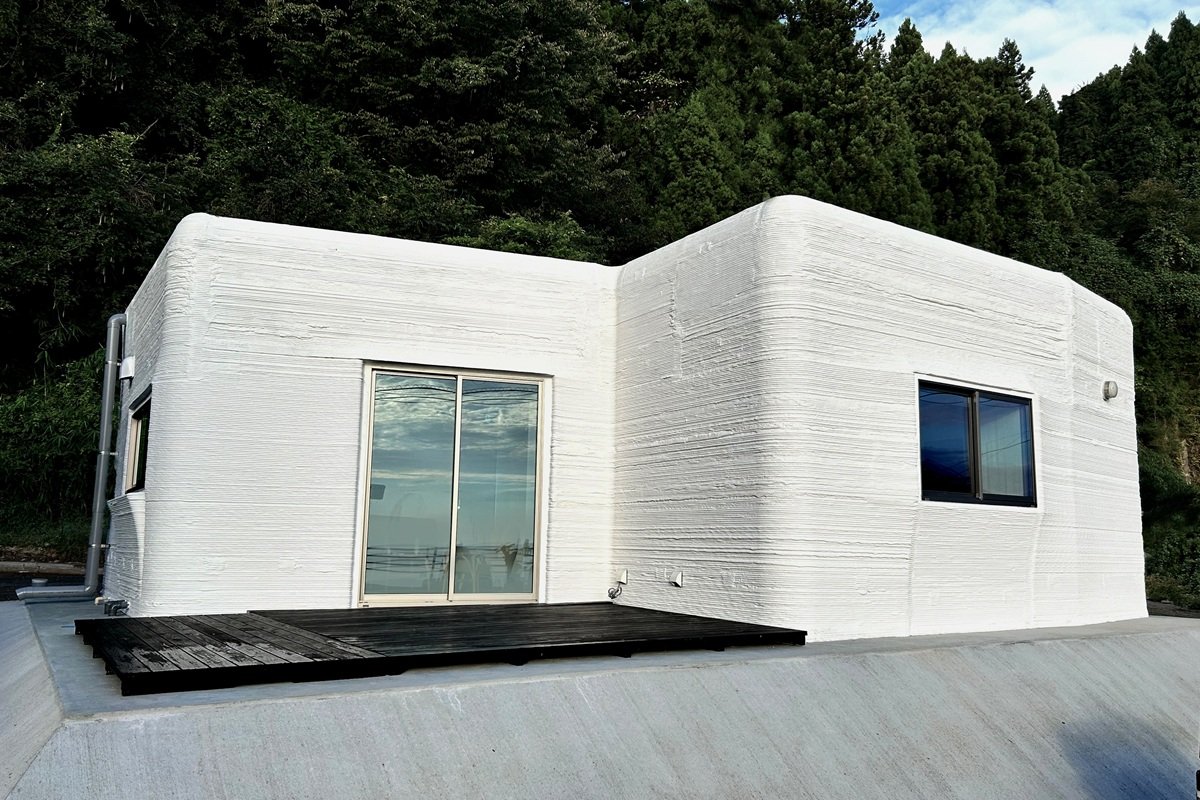
Dealing with the occasional earthquake is part and parcel of living in Japan, and any given new building must adhere to the latest standards in seismic resistance and performance. Serendix's approach was to integrate conventional construction methods into their process; all of their buildings are 3D-printed with reinforced concrete.
According to Sato, their 3D-printed buildings were deemed by the Ministry of Land, Infrastructure, Transport, and Tourism to have a service life of 47 years—on par with conventional reinforced concrete construction—and to sufficiently withstand even the strongest earthquakes in Japan.
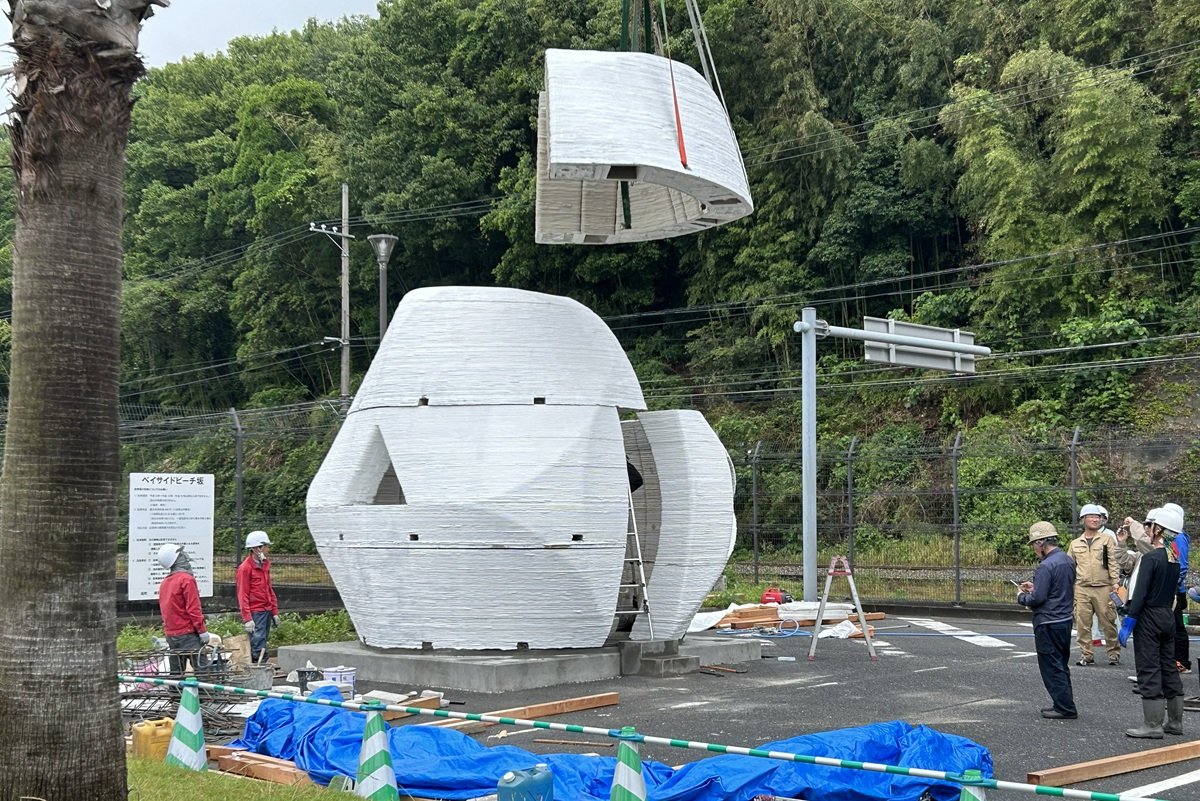
Given how swiftly they can print and assemble one of their built-to-last structures, Serendix sees tremendous potential in their products as emergency housing in the wake of natural disasters. Indeed, it was Sato's experience with the Great East Japan Earthquake of 2011 that first inspired him to join the company in 2023 as an intern.
"Speaking from my own experience, recovery really does take a long time following a major earthquake and tsunami," says Sato. "People are reluctant to rebuild on land that's been cleared, and when they do, the only buildings they can construct are temporary housing units. These are far from comfortable—the floors are cold, and there's no room to expand. I think this is a key challenge for housing in the aftermath of a disaster."
To date, Serendix has constructed and installed more than 10 buildings across the nation. Saku City in Nagano Prefecture, Central Japan, is home to one of these buildings, which is being used as a care facility. Another functions as an unmanned train station—the world's very first 3D-printed one—in Wakayama Prefecture.
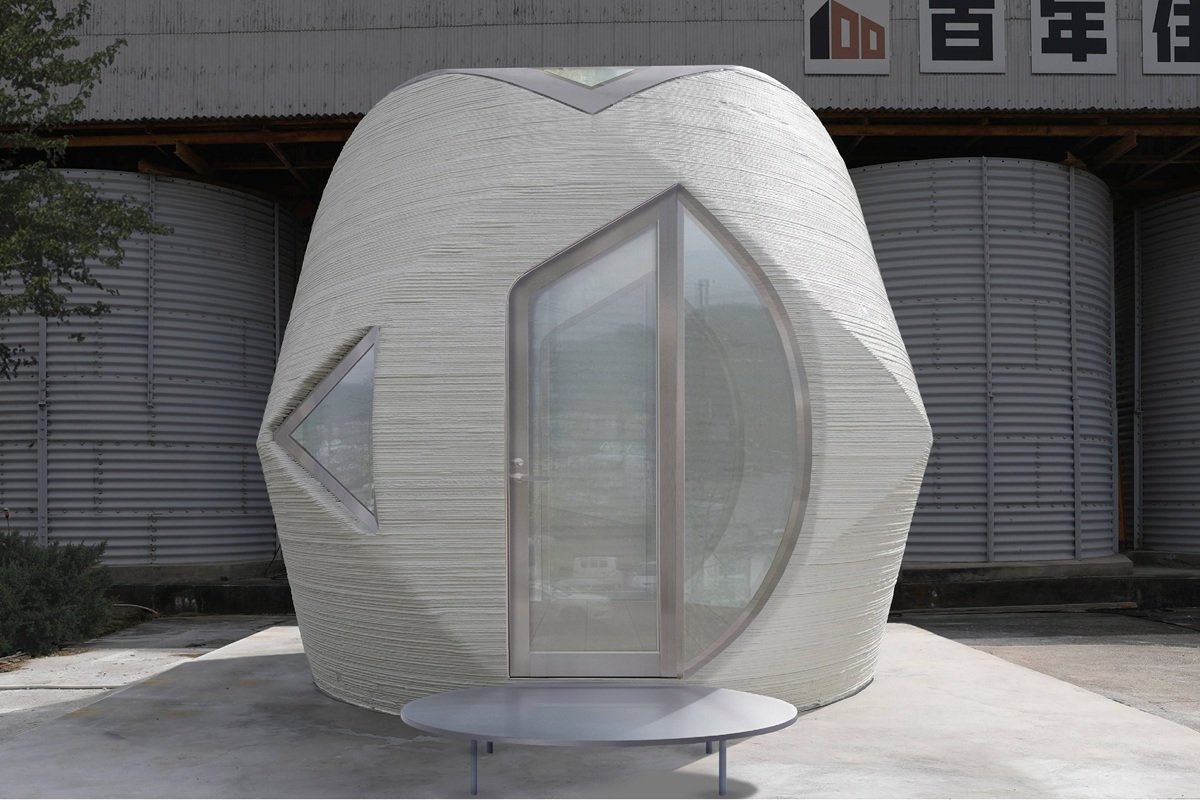
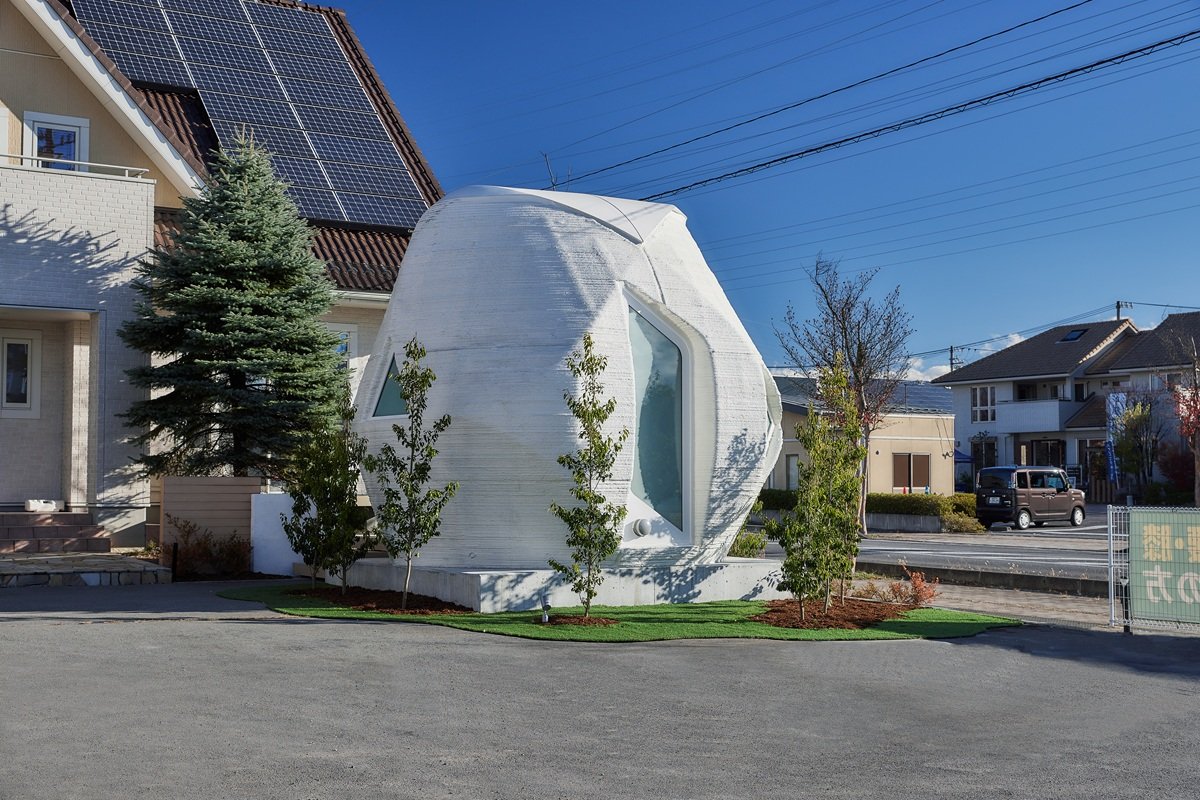
One of the strengths of 3D-printed houses such as theirs, says Sato, is the potential for stylish designs with greater aesthetic appeal than regular houses. "serendix10", their signature spherical small residence, is one such example. "Concrete houses are extremely durable and long-lasting, but they are usually plain, rectangular boxes," he says. "On the other hand, 3D printing can create these gorgeous free-form curves using the same robust concrete."
Cultivating Connections for the Future
While Serendix has enjoyed some measure of success in their business to date, they know that there is more to do if they want to expand even further. To that end, says Sato, being accepted into the TMG's startup ecosystem, beginning with their participation the King Salmon Project, is likely to be a catalyst for rapid growth going forward.
The King Salmon Project is an initiative that matches cutting-edge businesses with specific issues facing the TMG. Assuming a successful field trial where a given business is able to solve a particular urban problem through their product offerings, there is the possibility of further government support for sales and overseas expansion. After their selection for this Project in January 2025, Serendix was paired with the Tokyo Metropolitan Bureau of Transportation to devise an affordable solution to replacing dilapidated railway facilities in Tokyo. This was successfully completed in March 2026.
Attending the recent SusHi Tech Tokyo 2026 conference has also proved enormously fruitful.
"I believe that engaging with a wide range of companies is essential for driving our business forward," explains Sato. "While we are starting to have a reputation and track record, we are still very much a startup, and we need to continue expanding our network of partners."
For example, he says, it would be ideal to partner with other companies who are able to handle consumer-facing aspects of home-buying after the actual building sale is complete, such as home insurance or renovation contractors. With over 790 exhibiting startups and 60,000 participants at the 3-day event, this allowed Serendix to make connections that they simply would not have been able to access in their home base in Hyogo.
"We rarely have contact with people outside our region. But even though it's an event in Tokyo, representatives from local governments from across Japan have visited our booth and talked to us. We also had plenty of students dropping by, which is fantastic from an educational perspective. Being able to connect with such a diverse range of people has made me feel that taking part in this event was well worth it."
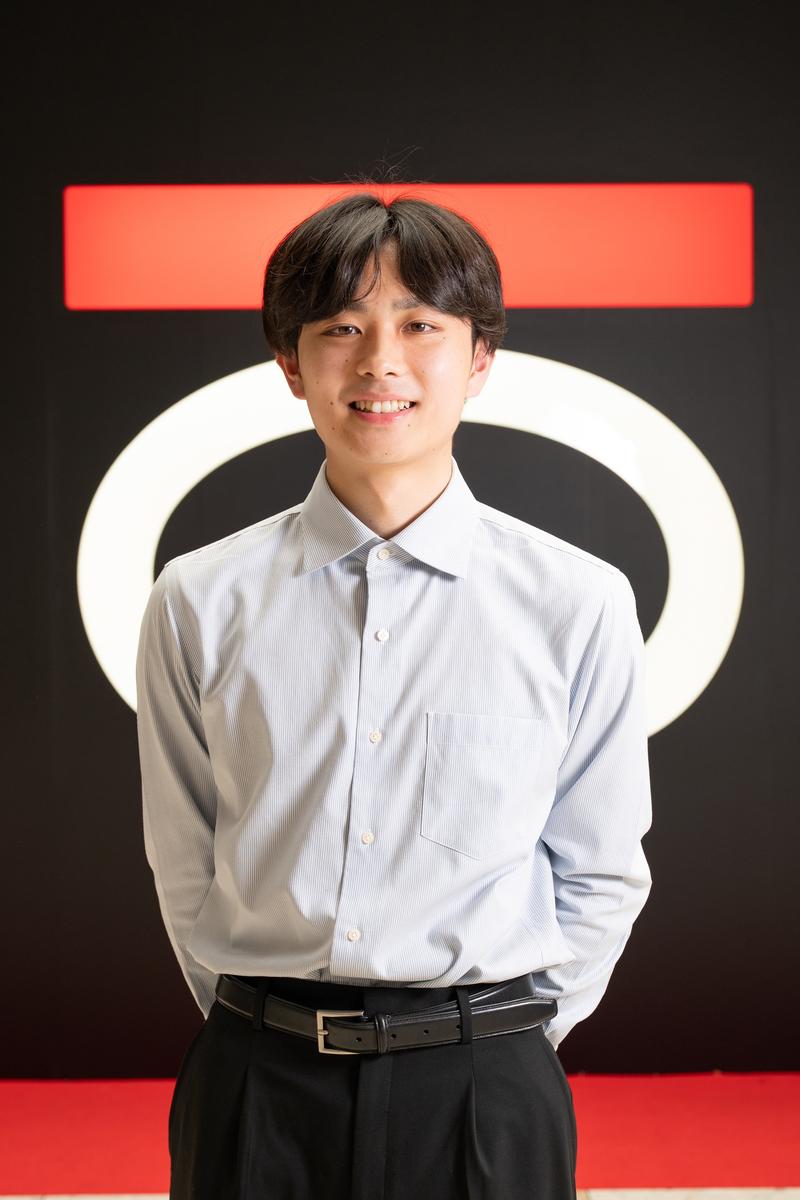
Sato Soshi

SusHi Tech Tokyo, short for Sustainable High City Tech Tokyo, is a global innovation conference where startups, investors, large corporations, cities, and universities from around the world gather in Tokyo to envision and implement the future of cities, with the shared goal of realizing sustainable cities through cutting-edge technologies.
SusHi Tech Tokyo | Sustainable High City Tech Tokyo
Photos by Akiyoshi Yoko